Engagement
This or that: sunrise run over the Pensacola Bay Bridge, or a Gulf sunset cruise down Perdido Key? Drop your pick below. #RideNationPensacola #Pensacola #PerdidoKey
Giveaway & Countdown
The BikersWin $20,000 motorcycle giveaway is officially here, and every Pensacola rider deserves a shot. Talk to Fasig Brooks about a crash and you are entered for free. #RideNationPensacola #BikersWin #20kGiveaway
Local Pensacola & Rides
Sunrise runs to Perdido Key hit different this time of year. Cool Gulf air, empty lanes, and that first coffee tasting twice as good. Where are you pointing the bars this weekend? #RideNationPensacola #PerdidoKey #GulfCoastRiders
Gear & New Iron
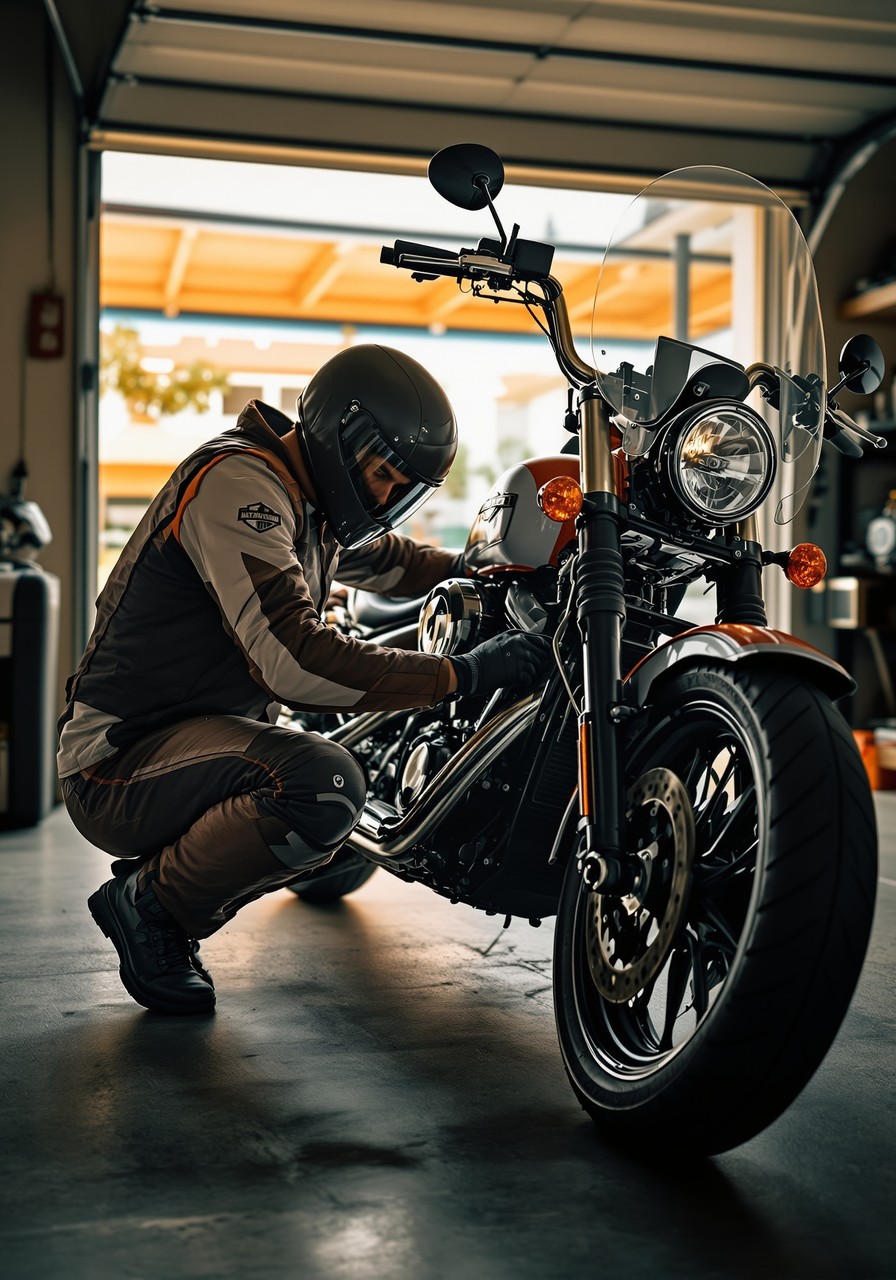
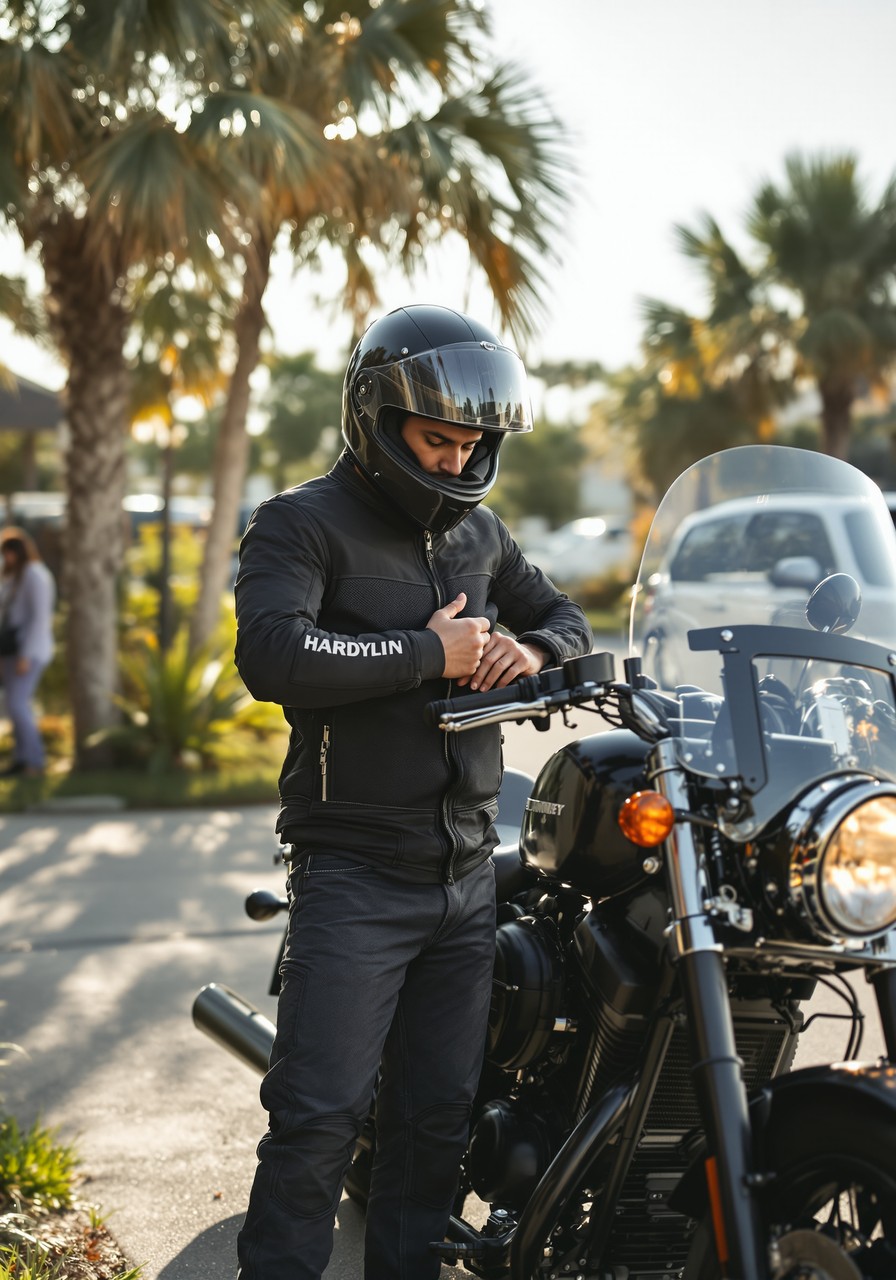
Gulf Coast summer does not play. A mesh jacket keeps air moving so you ride cool and still covered. Comfort and protection can absolutely coexist. #RideNationPensacola #ATGATT #MotorcycleGear #GulfCoastRiders
Safety & Florida Law
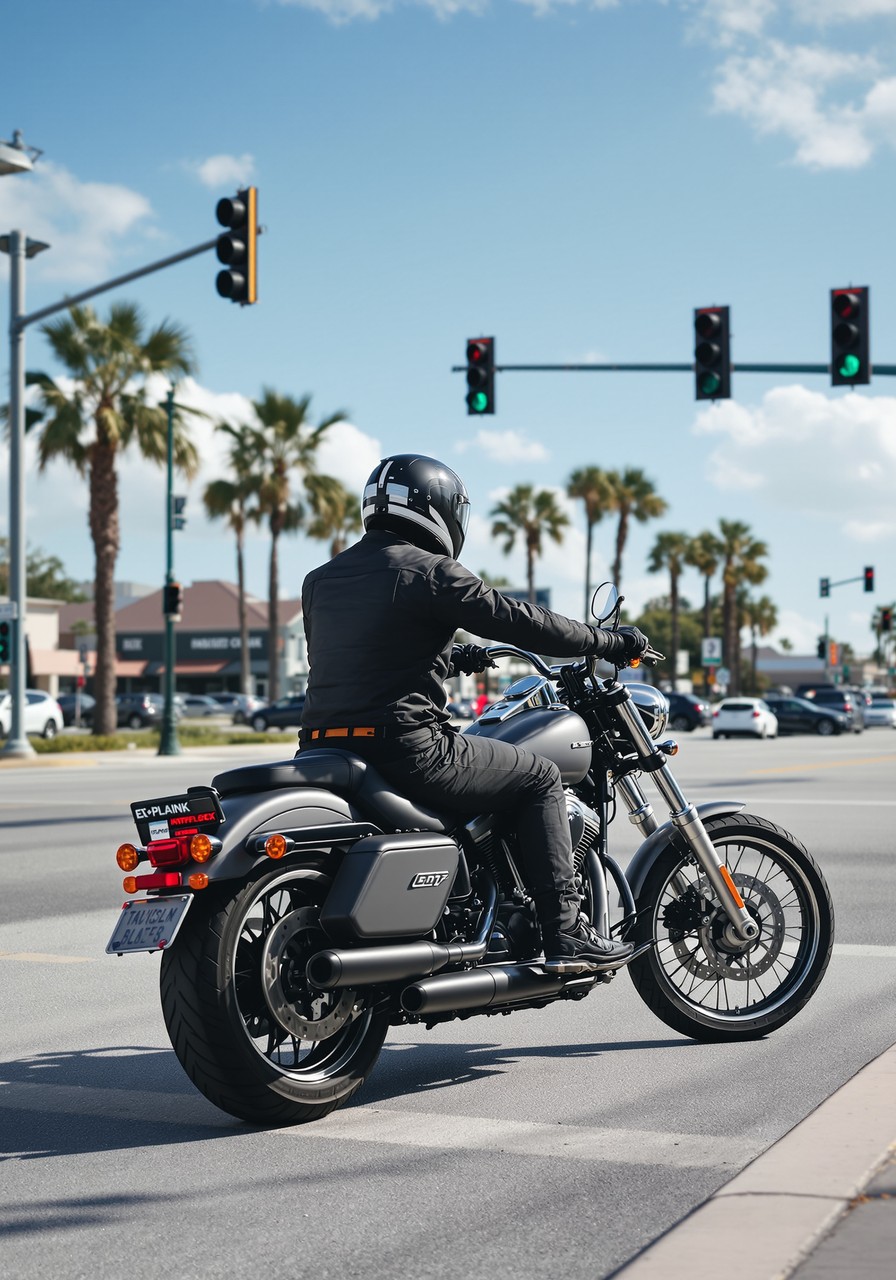
Here is a Florida trap most riders miss: PIP does not cover motorcycles, so a hurt rider gets nothing from PIP for their own bills. That is why UM/UIM coverage matters so much. Questions after a crash? Call Fasig Brooks at (850) 427-2722. #RideNationPensacola #RideSafe #FloridaLaw
Engagement
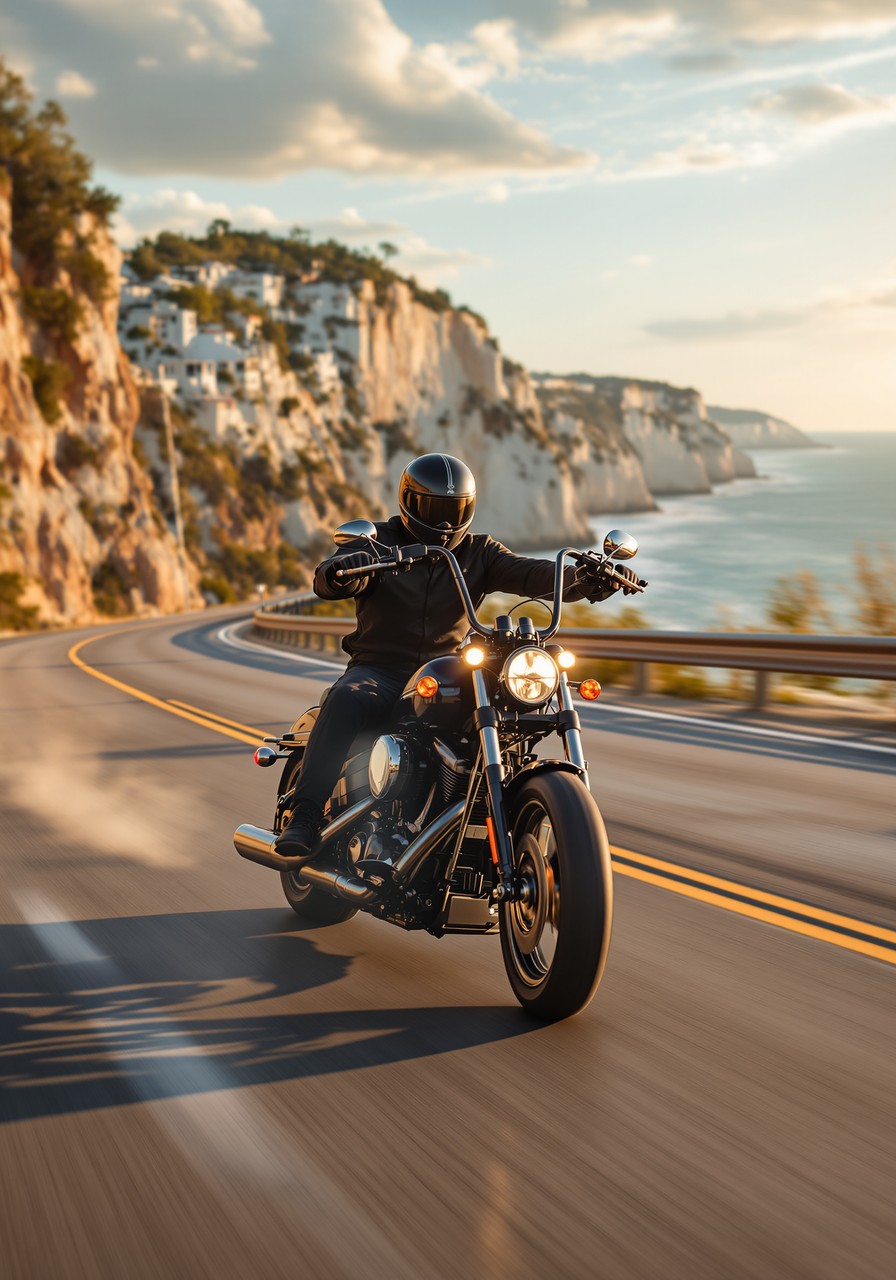
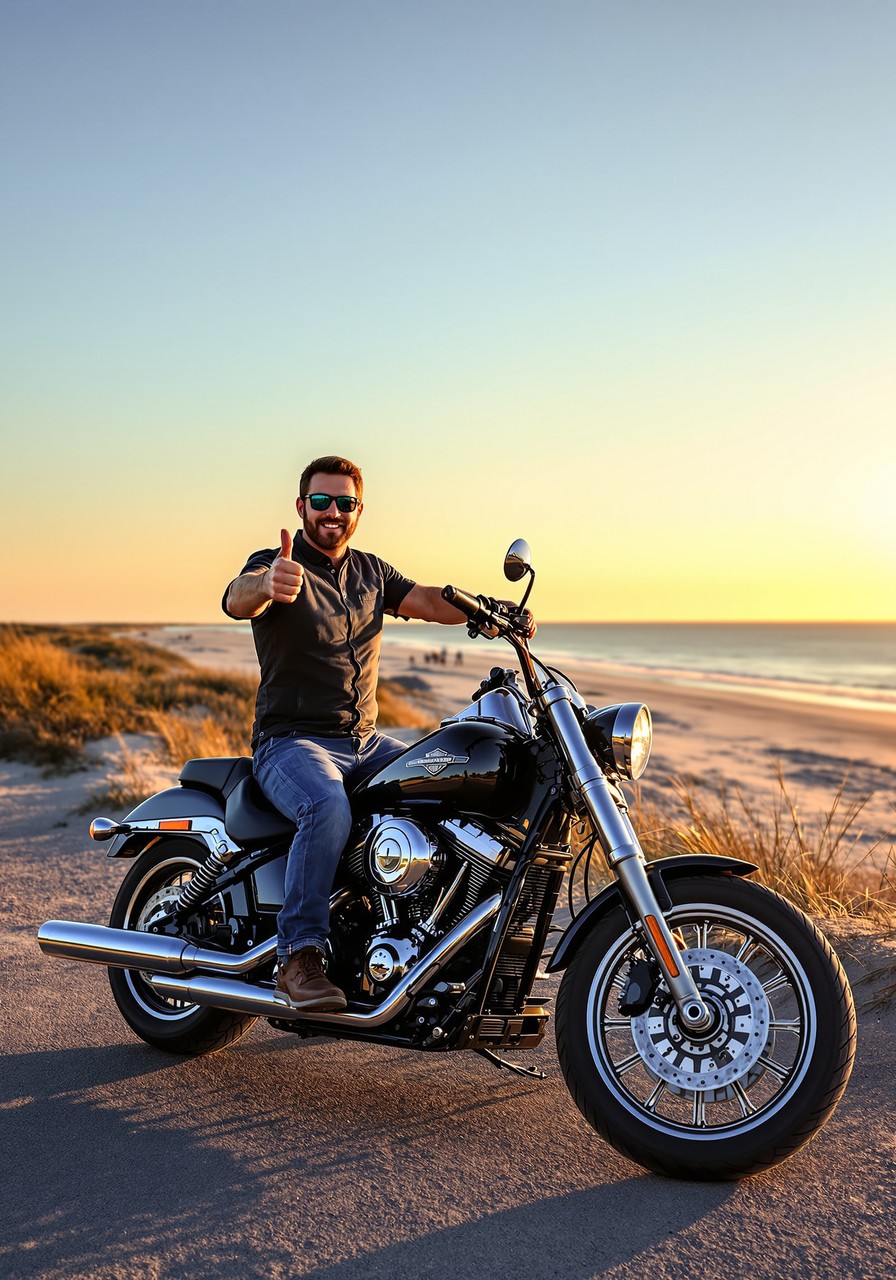
Caption this: you, your bike, and an empty stretch of the US-90 Scenic Highway on a clear morning. Best line wins bragging rights. #RideNationPensacola #ScenicHighway #850
Giveaway & Countdown
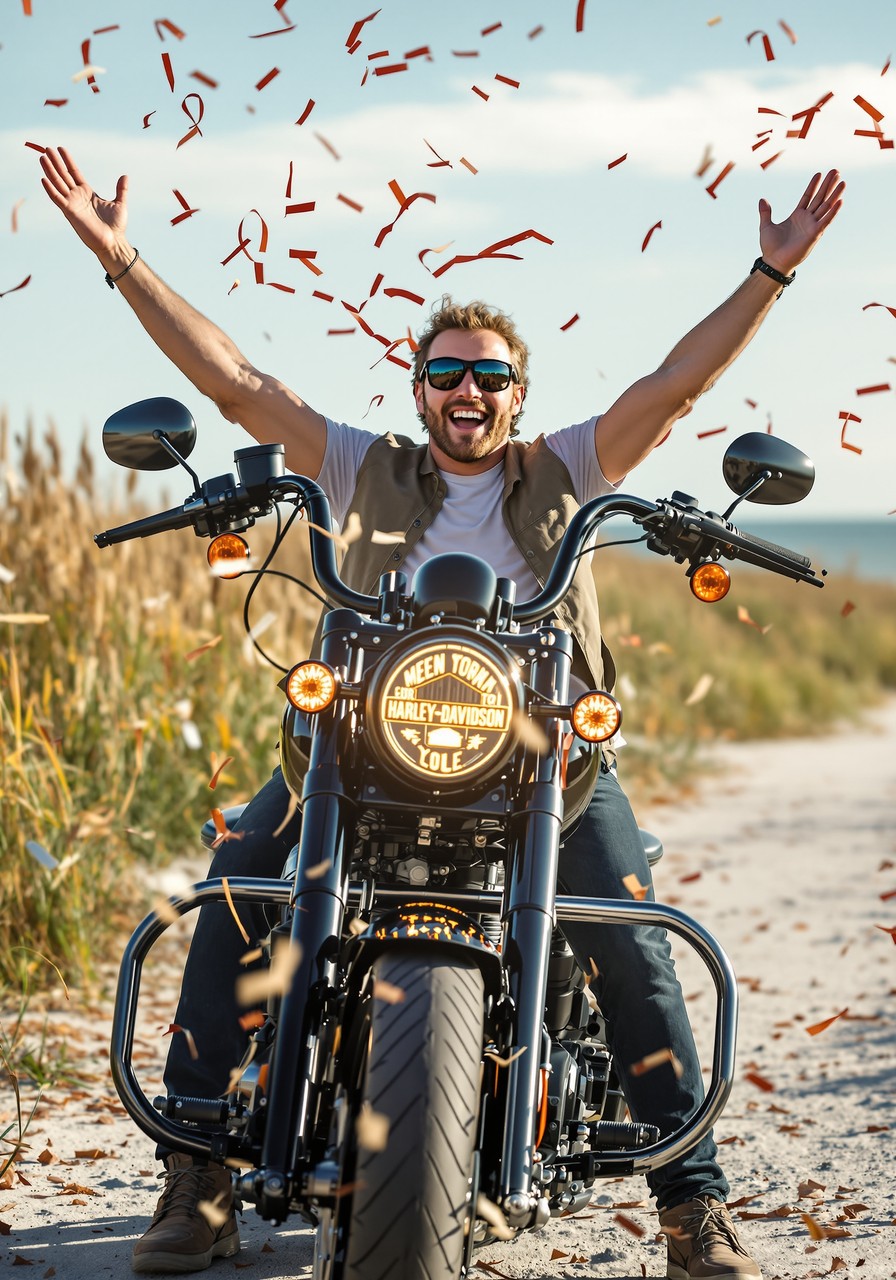
Big news for NW Florida riders. Fasig Brooks is powering a $20,000 motorcycle giveaway drawn December 10. #RideNationPensacola #20kGiveaway
Local Pensacola & Rides
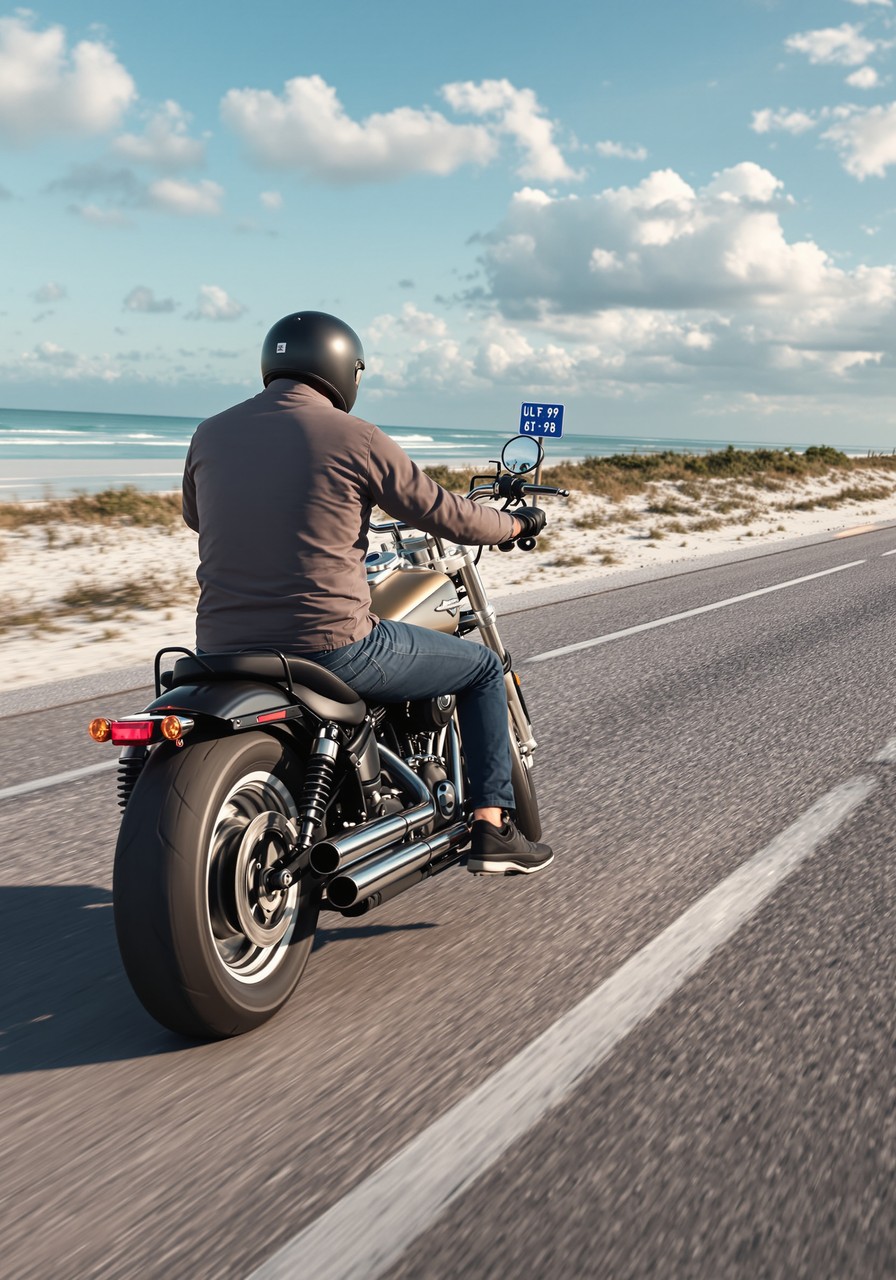
Pensacola Beach never gets old. Roll out to the boardwalk, watch the water go turquoise, and let the salt air clear your head. #RideNationPensacola #PensacolaBeach #Pensacola
Gear & New Iron
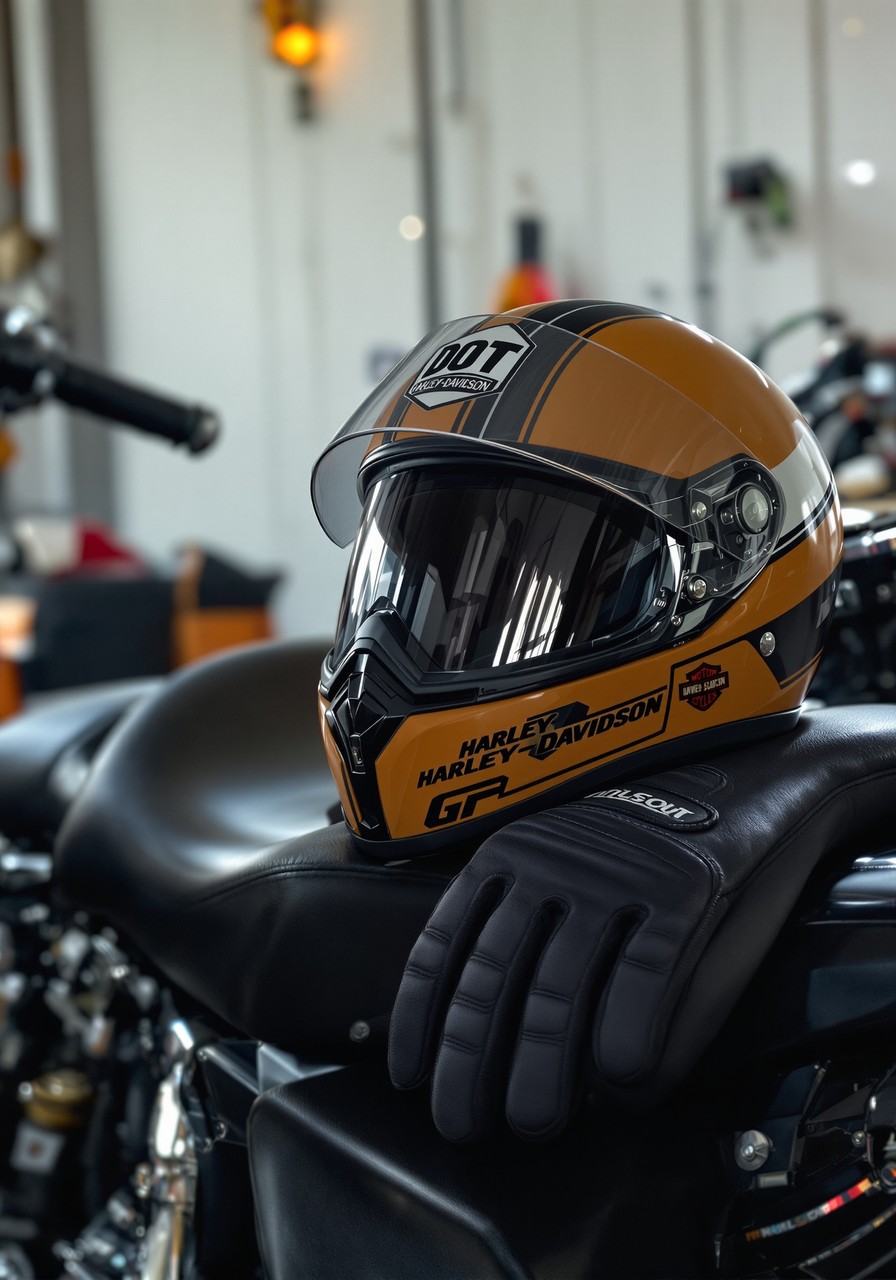
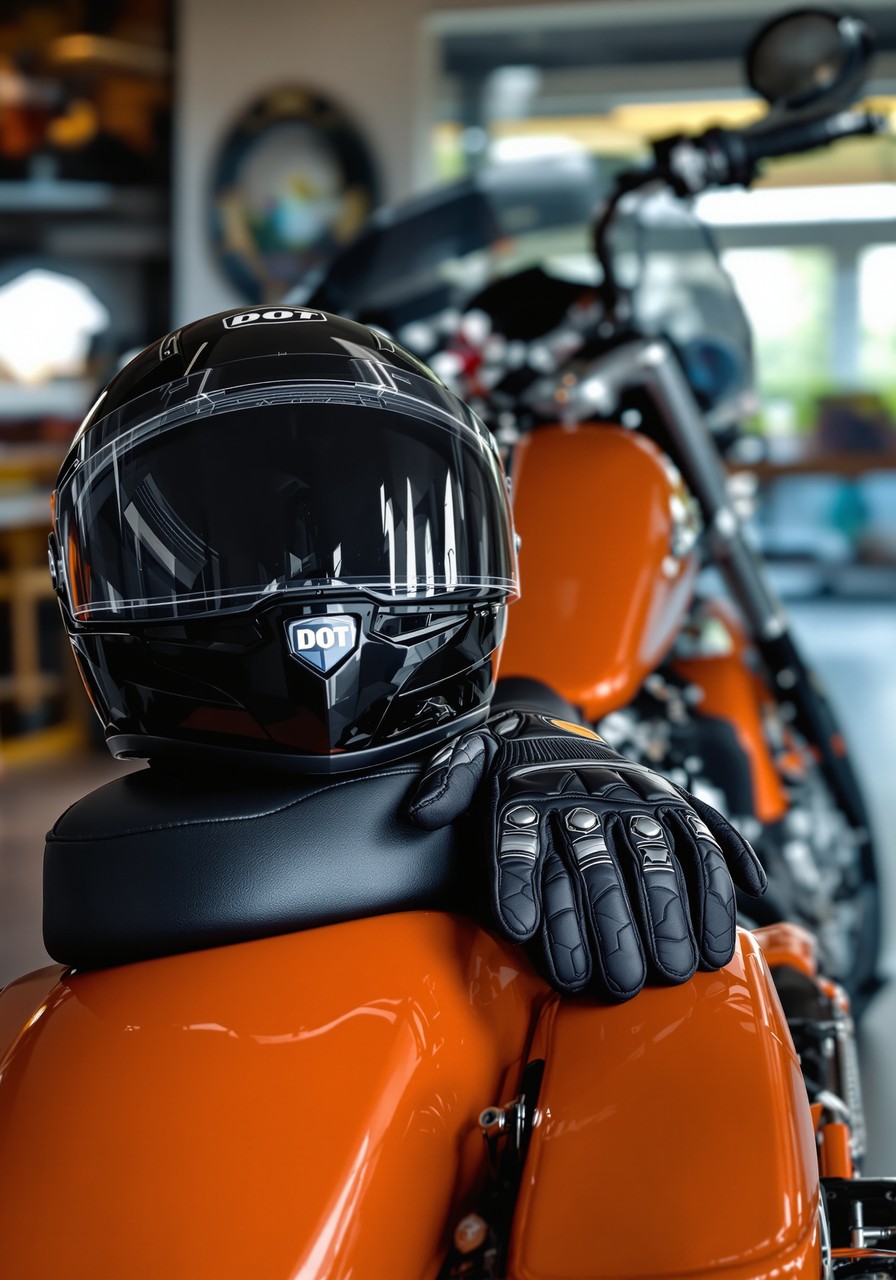
Florida lets riders 21+ skip the lid with $10k in medical coverage, but a good helmet is still the smartest farkle you own. Protect the one part that never grows back. #RideNationPensacola #GearUp #RideSafe
Safety & Florida Law
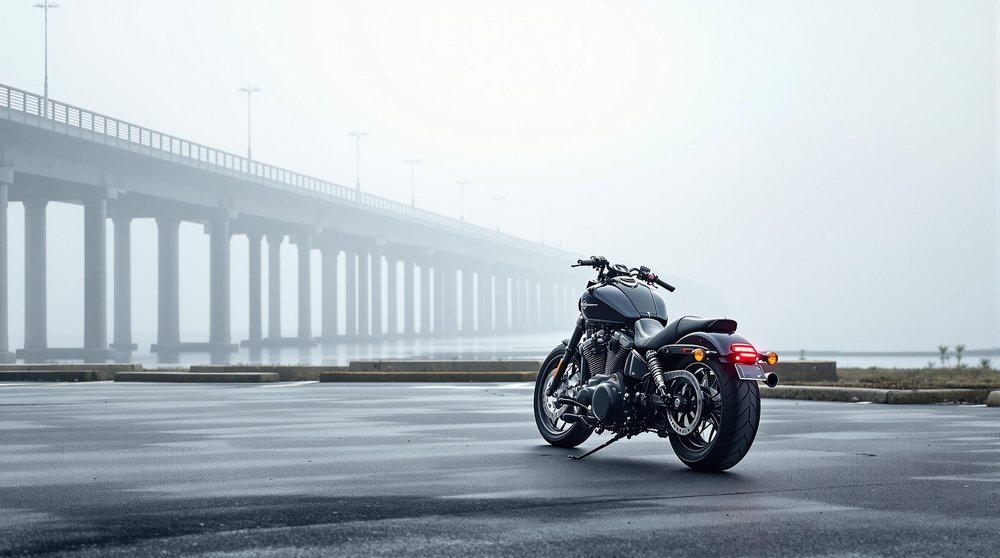
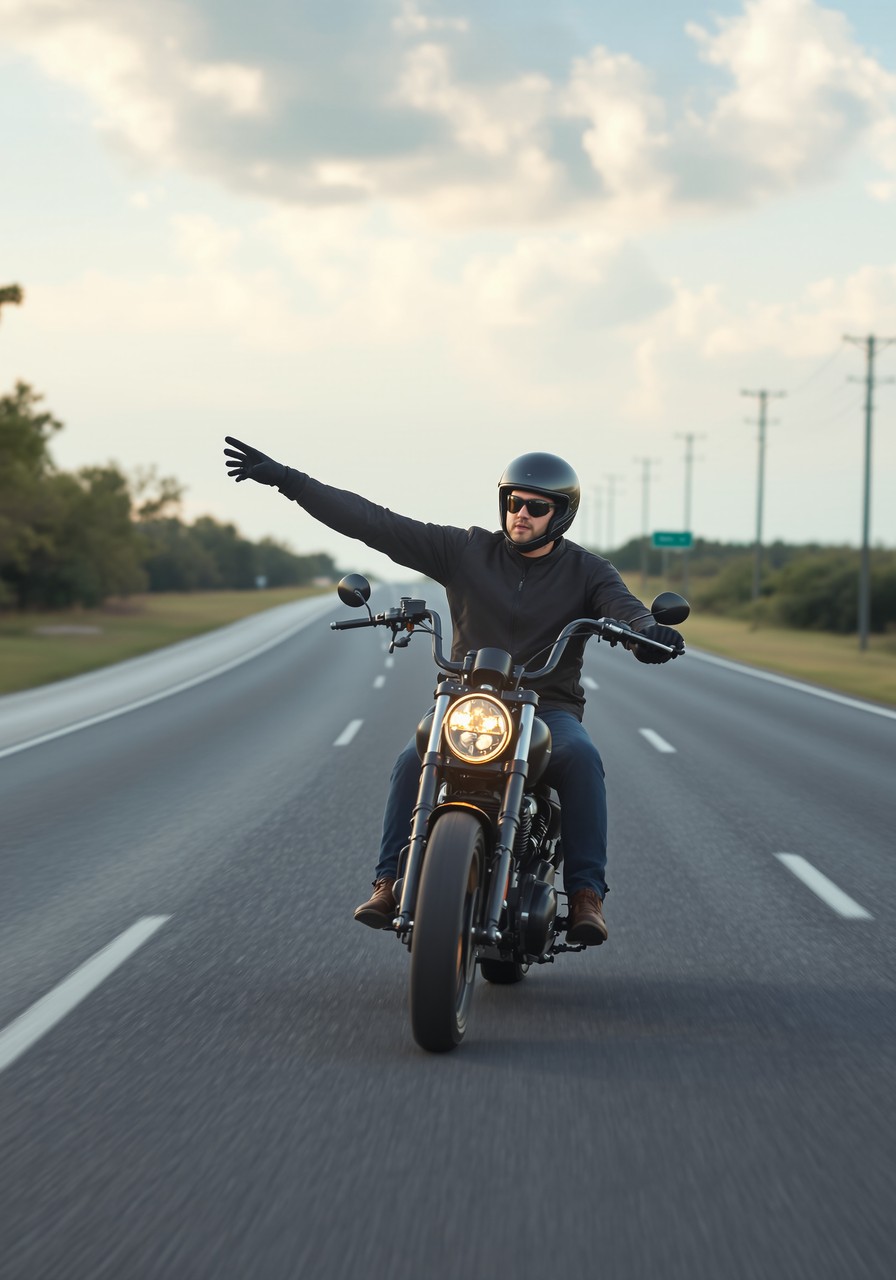
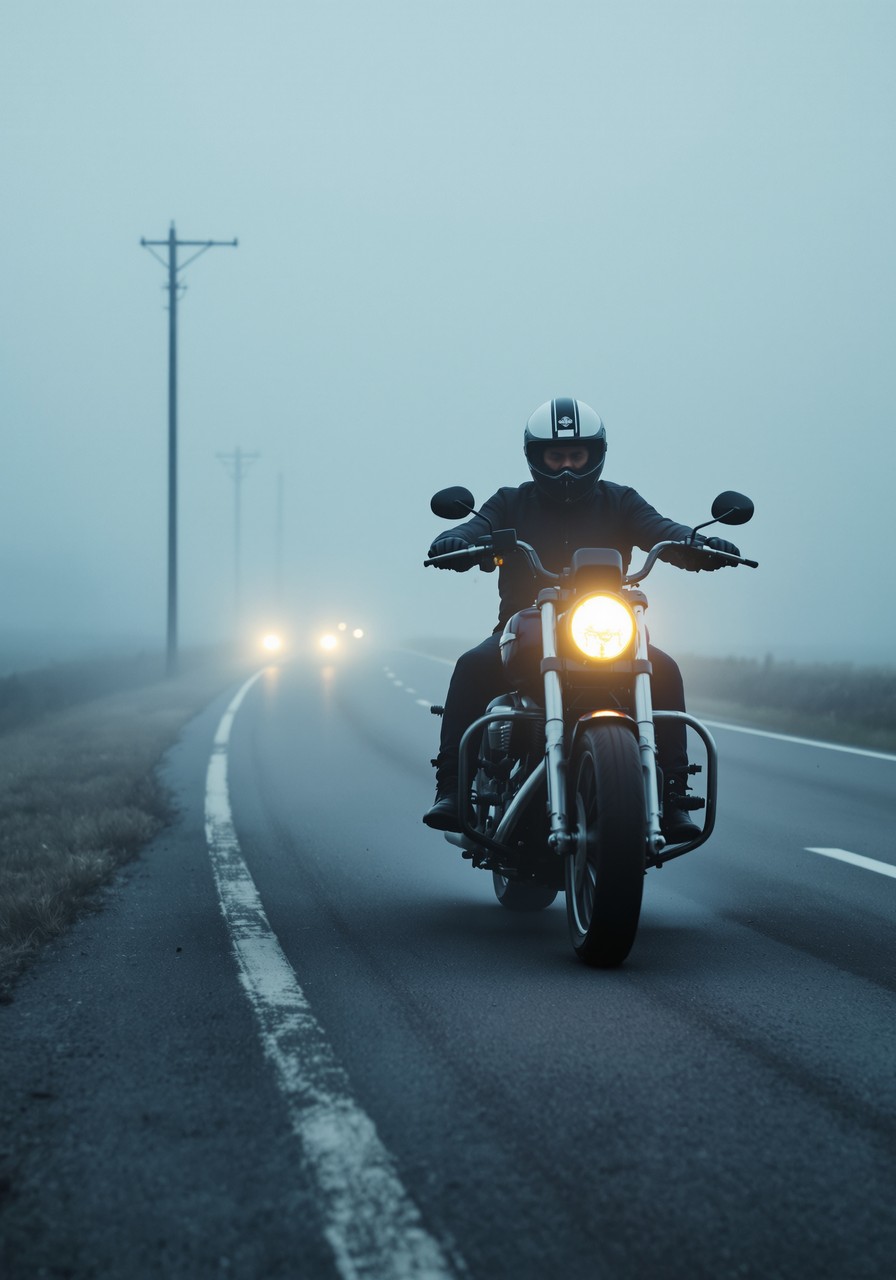
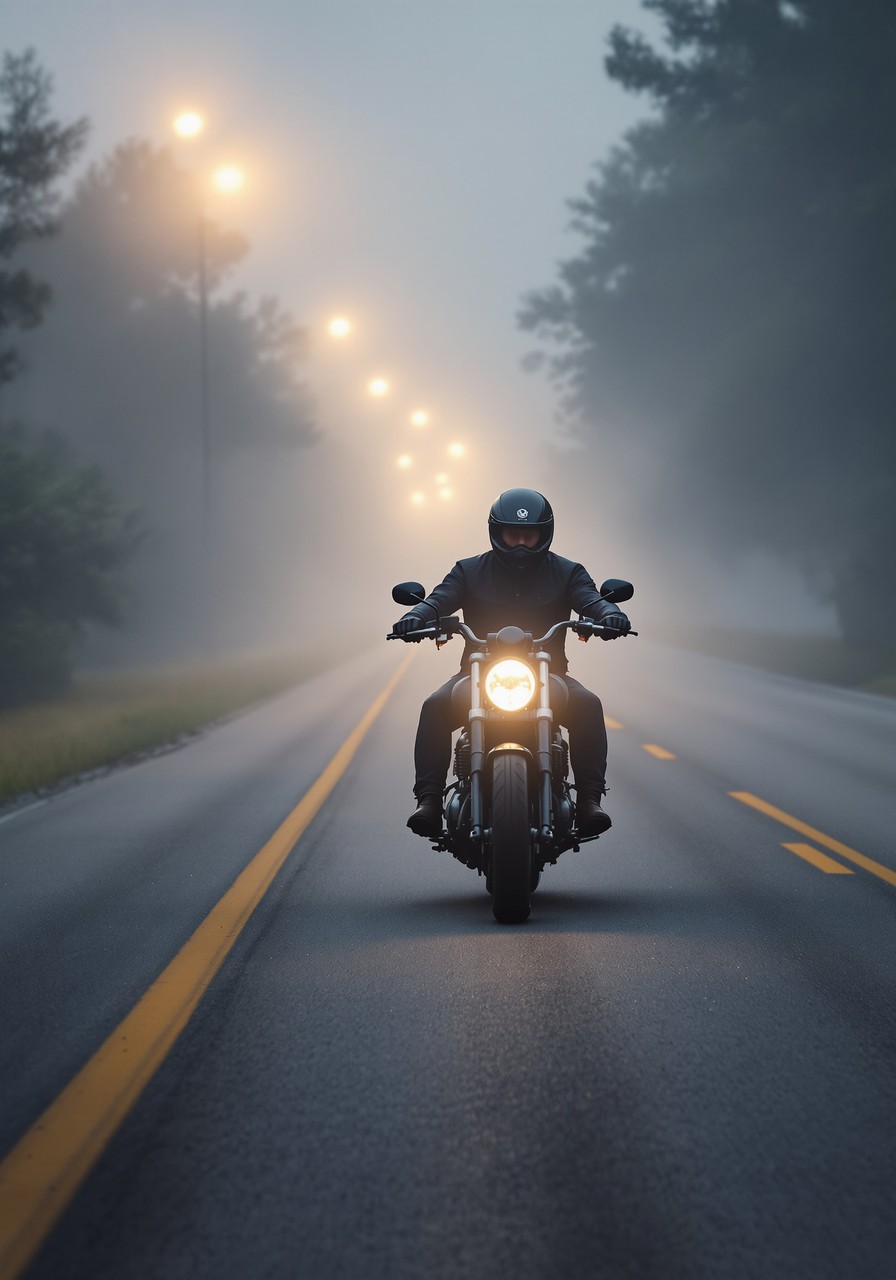
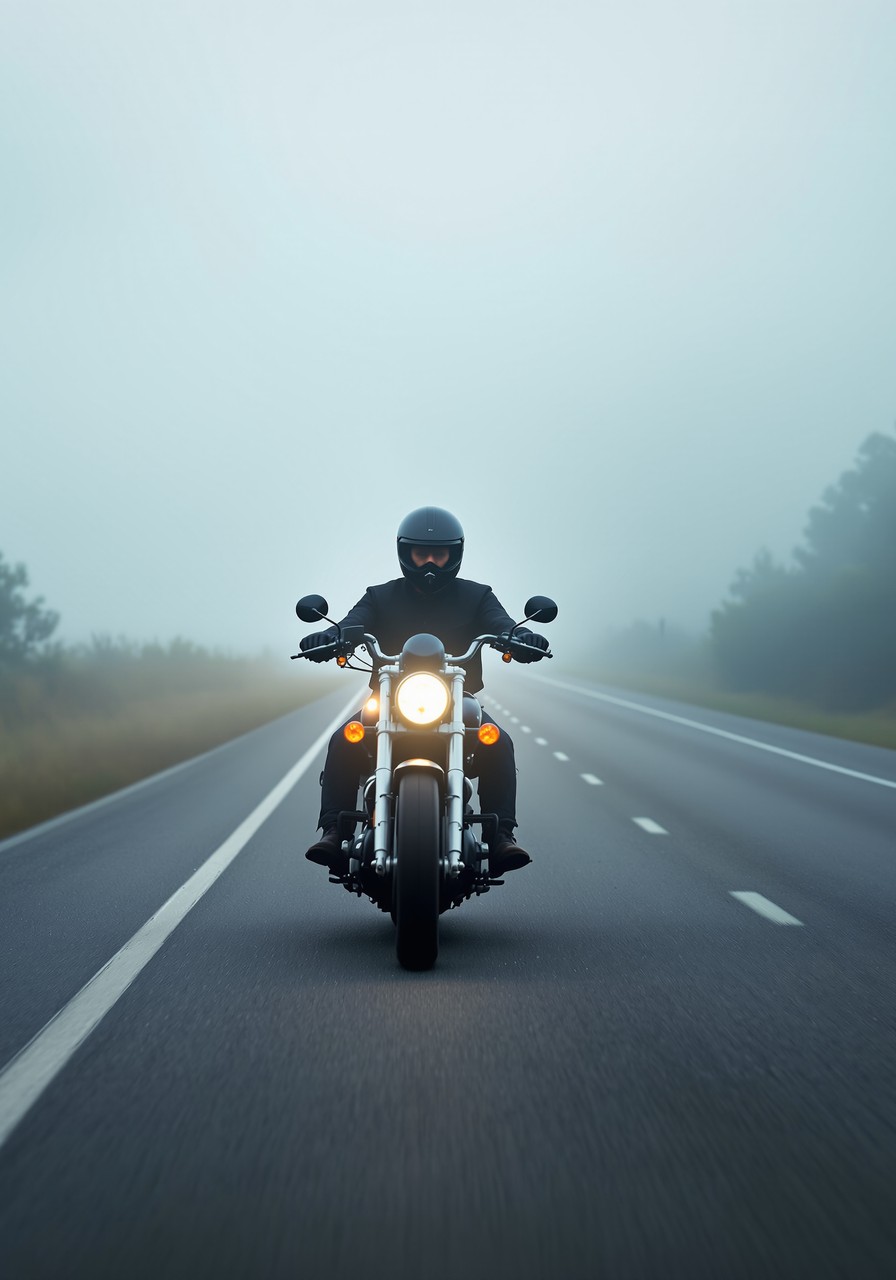
Morning fog on the Pensacola Bay Bridge can swallow your headlight before you see it coming. Slow down, add space, and let the sun burn it off. #RideNationPensacola #RideSafe #FogSafety
Engagement
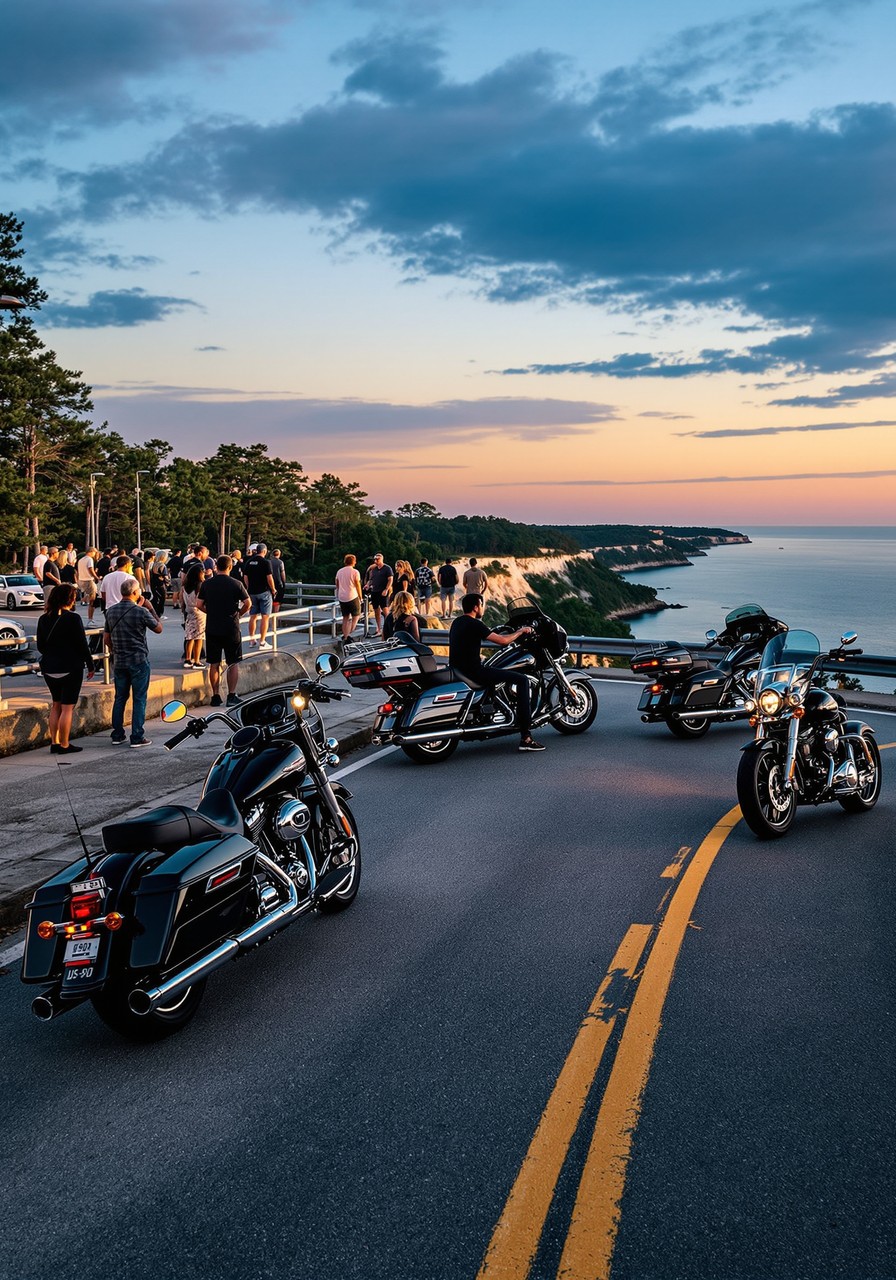
Fill in the blank: my ideal Saturday ride ends with ______ on Pensacola Beach. Tell us where you're parking those boots. #RideNationPensacola #PensacolaBeach #GulfCoastRiders
Giveaway & Countdown
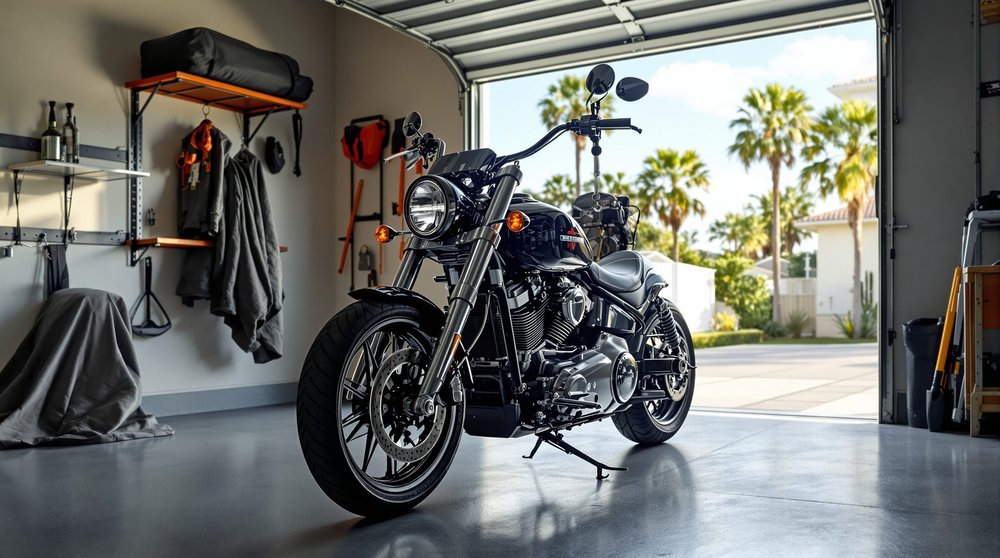
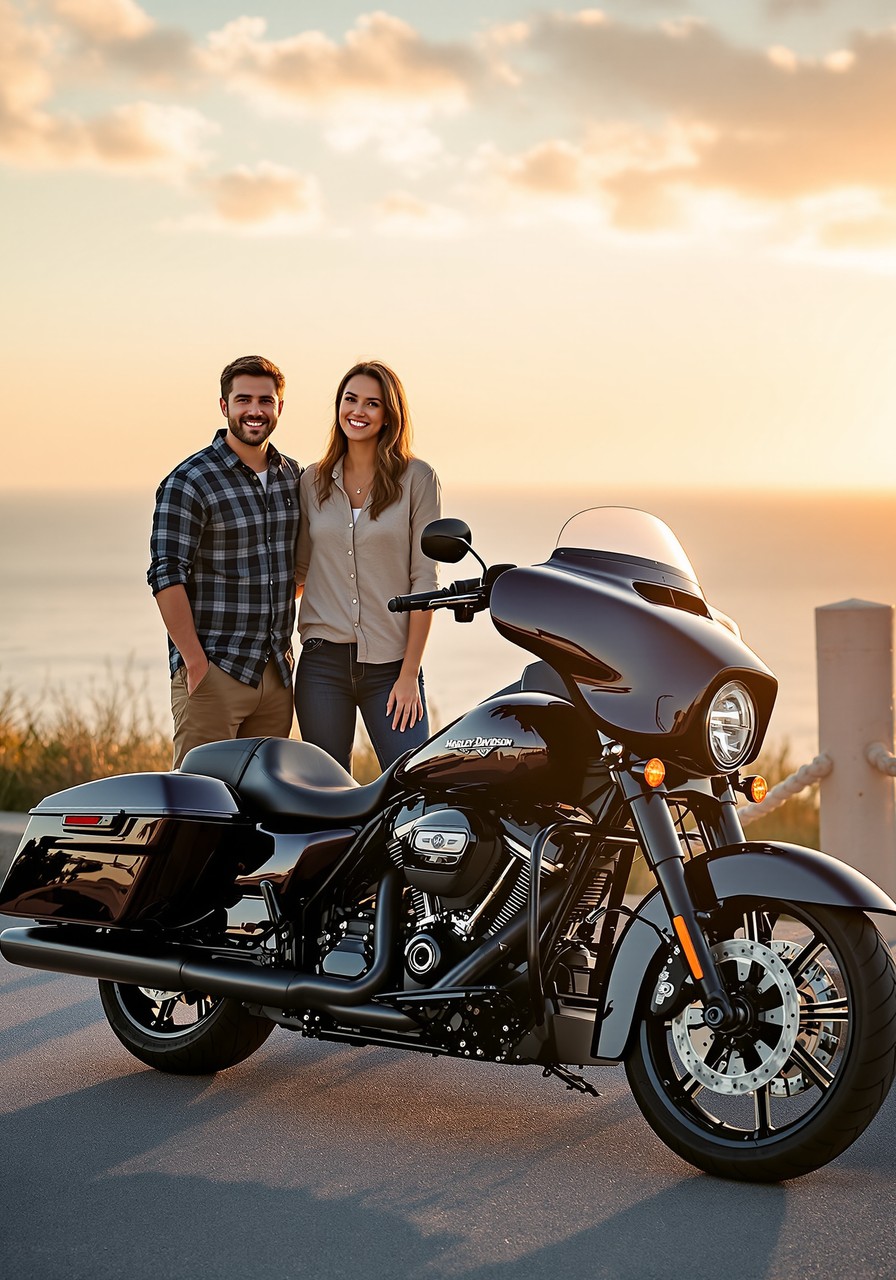
Ever pictured a brand new ride in your garage? The BikersWin $20,000 giveaway could make it real. Call Fasig Brooks at (850) 427-2722 to ask how to enter. #RideNationPensacola #BikersWin
Local Pensacola & Rides
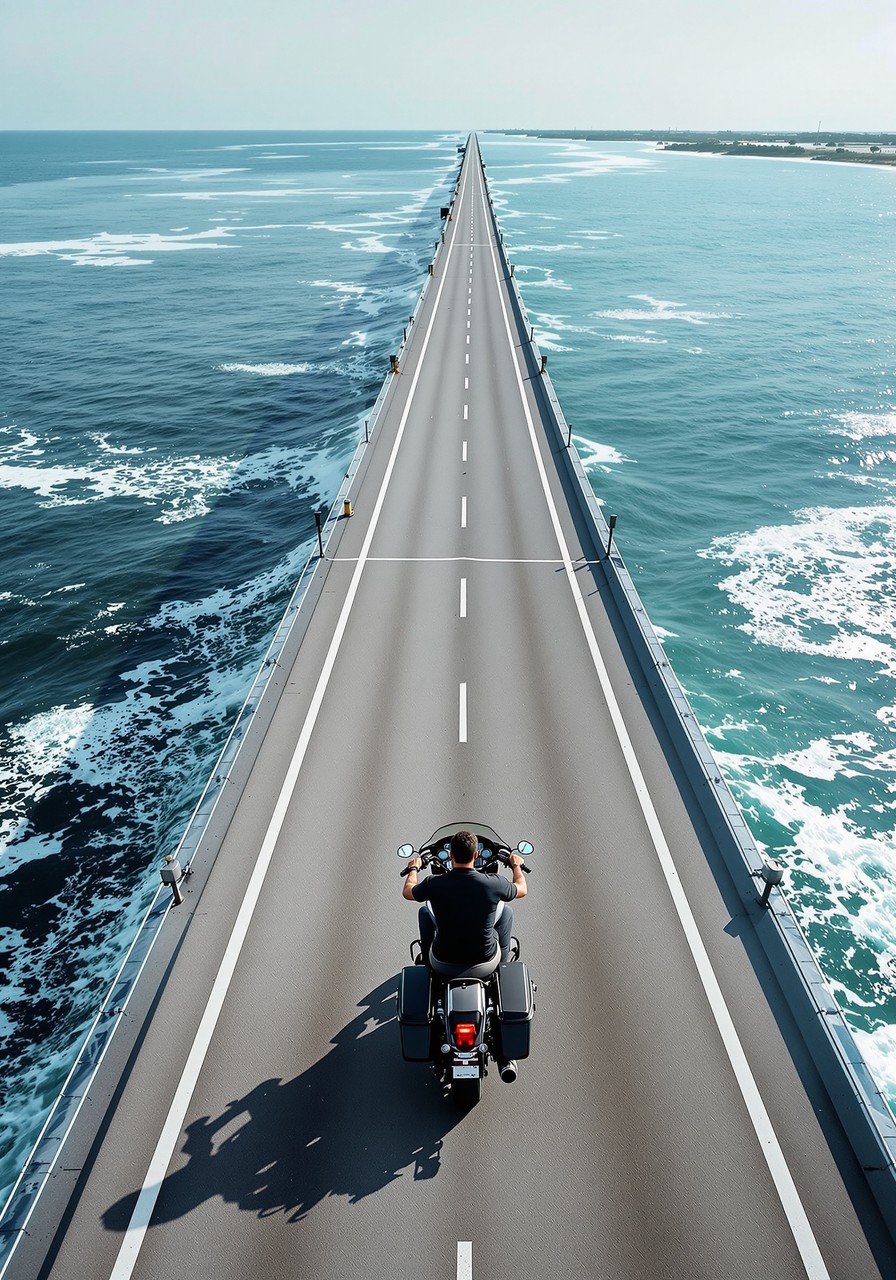
Gulf Islands National Seashore is a slow-ride kind of place. Ease off the throttle, soak in the dunes, and let Santa Rosa Island do the rest. #RideNationPensacola #FortPickens #GulfCoastRiders
Gear & New Iron
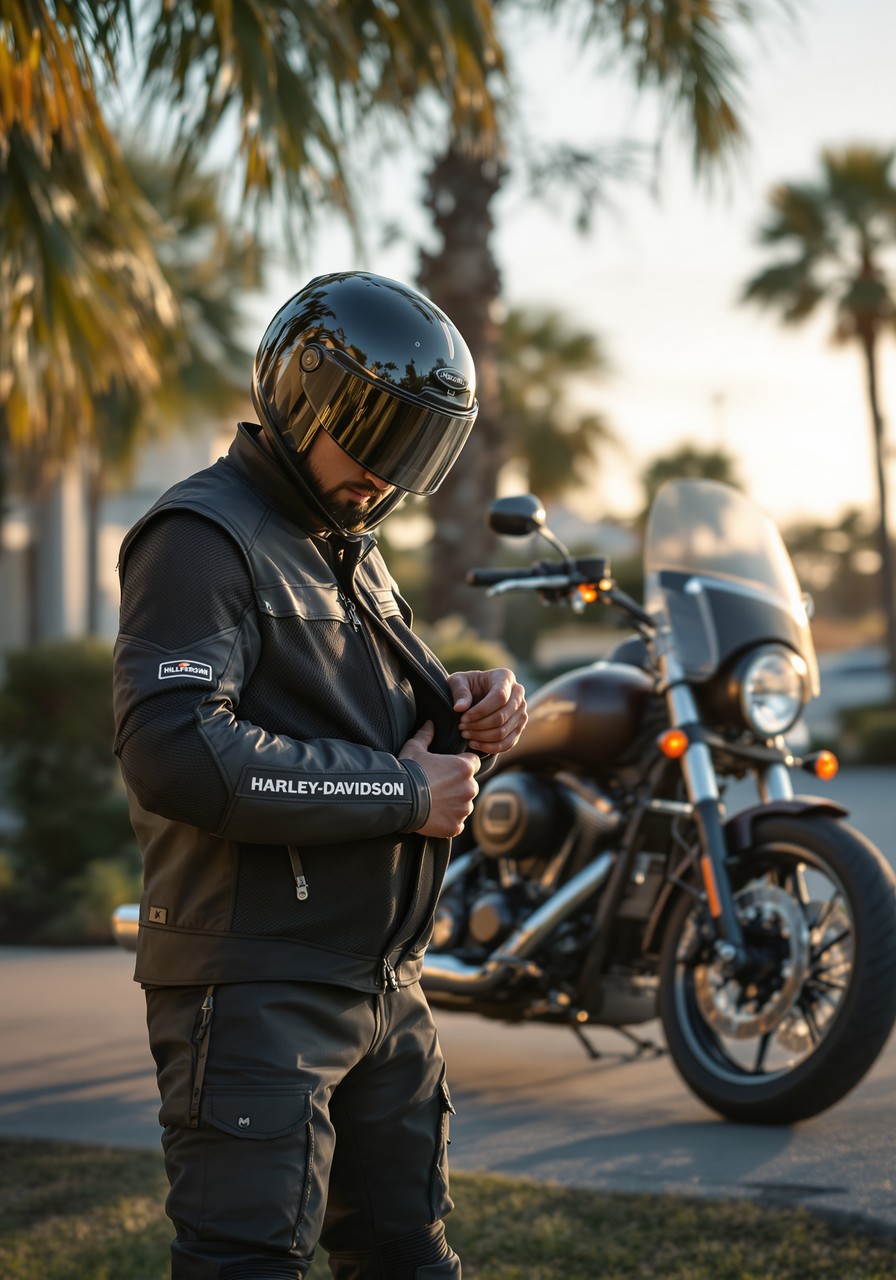
Full-finger gloves are non-negotiable on Pensacola pavement. Your palms hit first every single time. Treat them right. #RideNationPensacola #ATGATT #MotorcycleGear
Safety & Florida Law
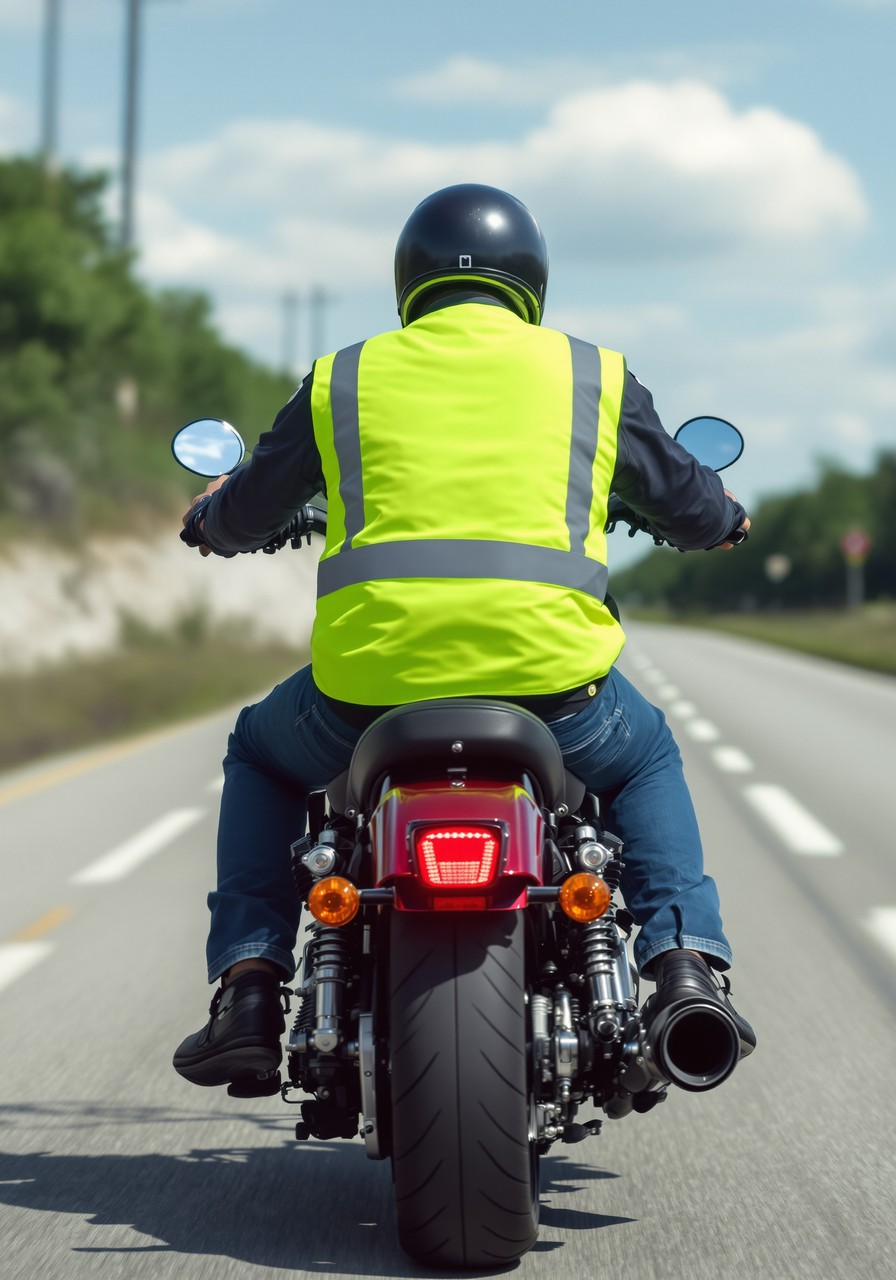
Florida does not require drivers to carry bodily injury liability, so plenty of at-fault drivers simply cannot pay. UM/UIM is the backstop that protects you. Hurt in a crash? Call Fasig Brooks at (850) 427-2722. #RideNationPensacola #RideSafe #UMUIM
Engagement
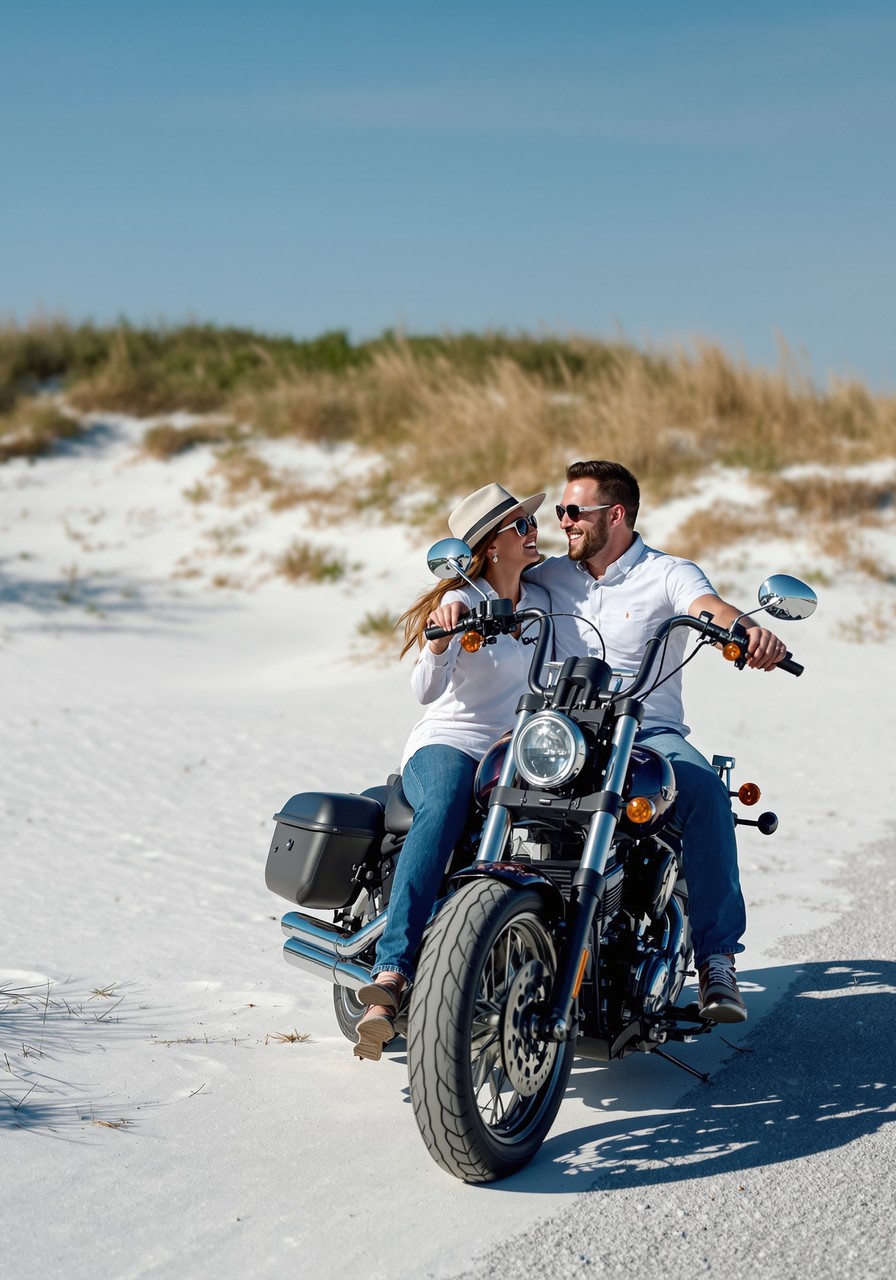
Tag a buddy who always texts you the second the fog lifts off the bays. You know who they are. #RideNationPensacola #Pensacola #GulfBreeze
Giveaway & Countdown
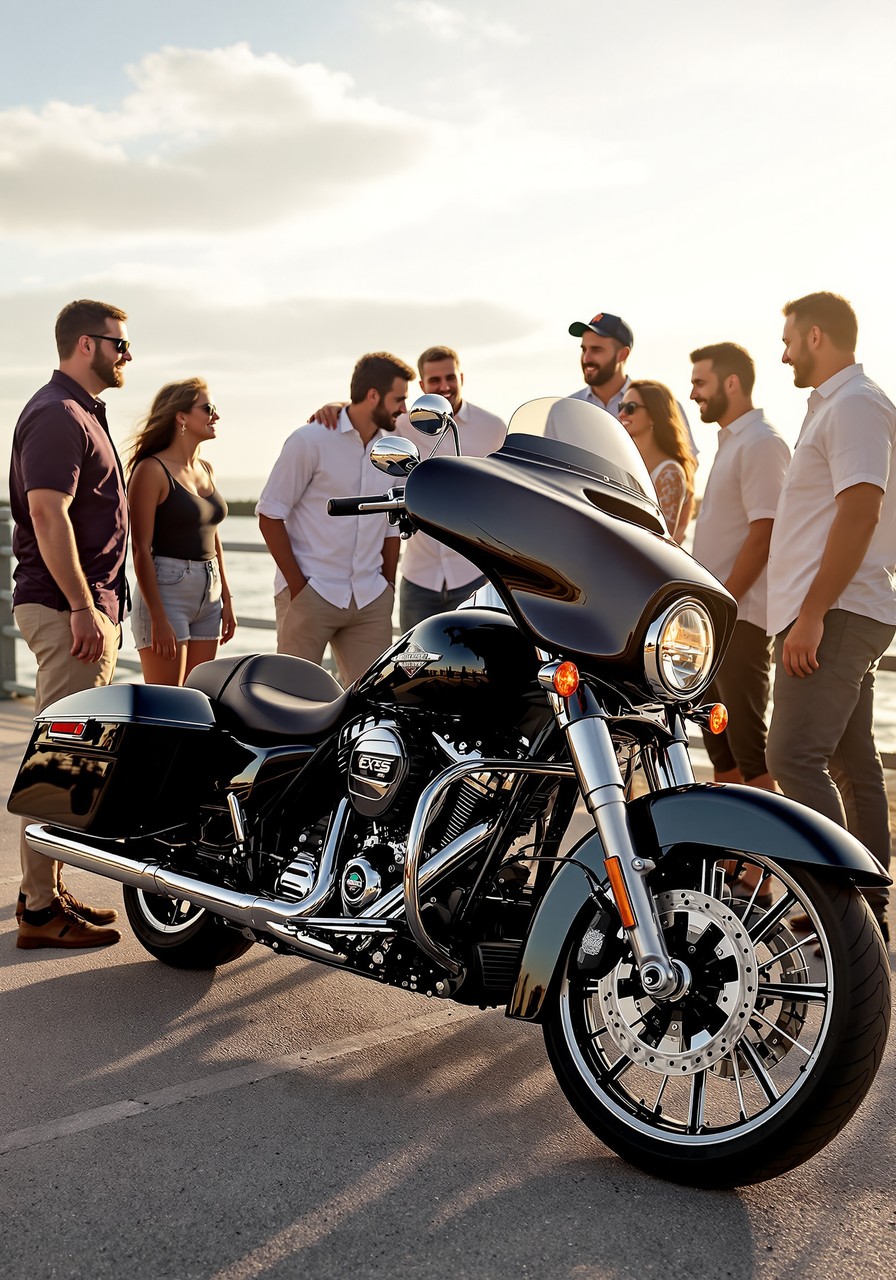
$20,000. One lucky rider. Drawn December 10. Every rider who talks to Fasig Brooks about a crash gets entered for free. #RideNationPensacola #20kGiveaway
Local Pensacola & Rides
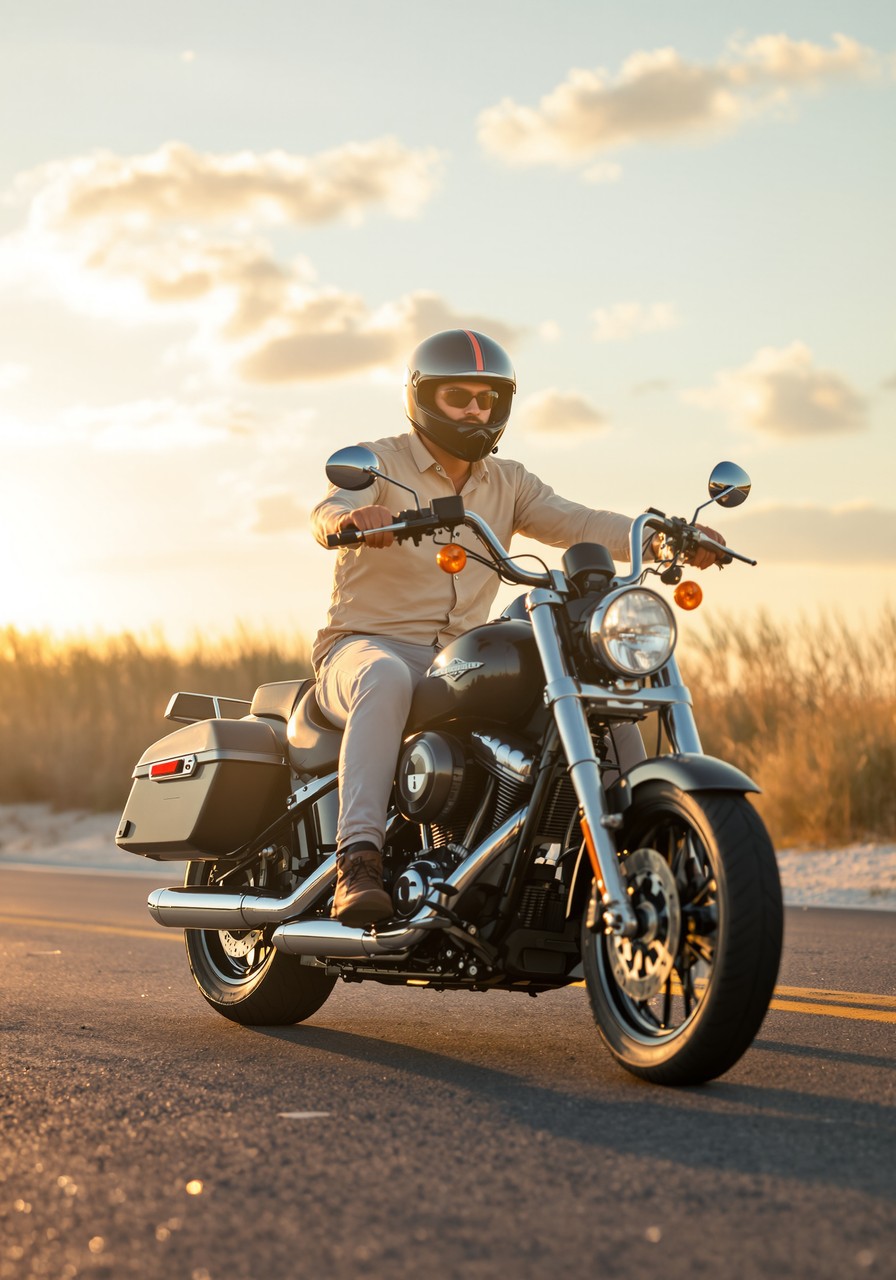
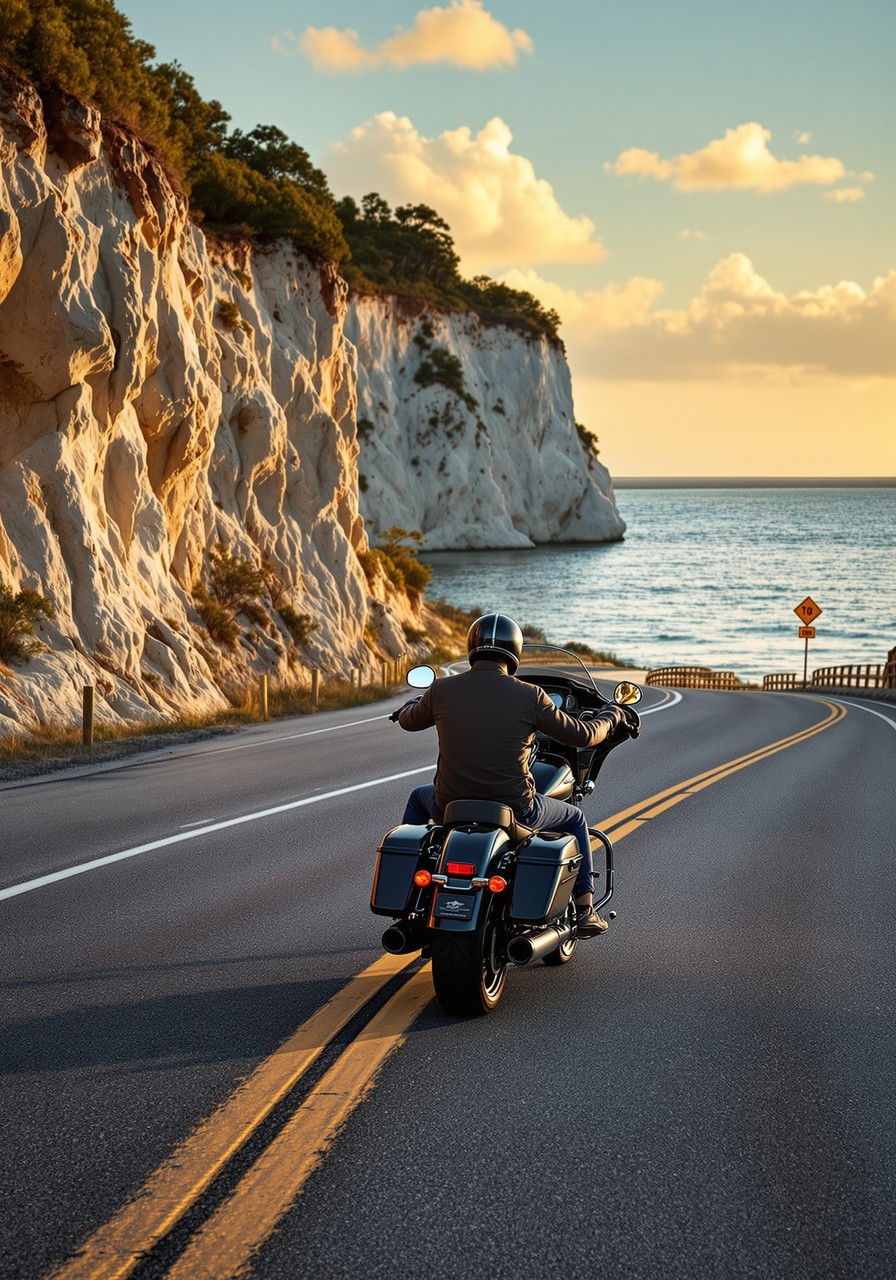
The US-90 Scenic Highway over the Escambia Bay bluffs is one of our favorite stretches anywhere. Wide water views, easy sweepers, big sky. #RideNationPensacola #ScenicHighway #Pensacola
Gear & New Iron
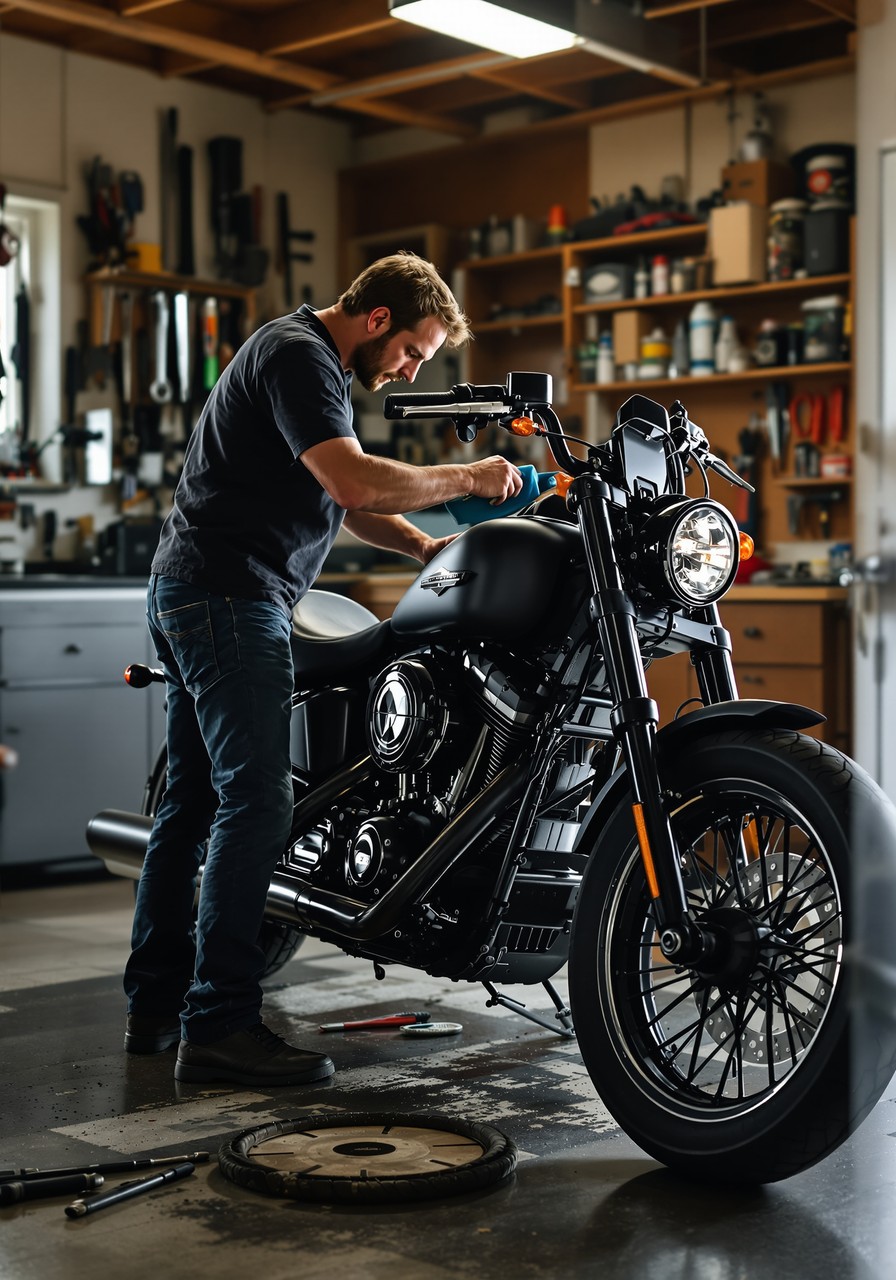
Those foggy mornings crossing the Pensacola Bay Bridge deserve a clear anti-fog shield and a warm layer. Ride prepared, ride happy. #RideNationPensacola #RideSafe #GearUp #Pensacola
Safety & Florida Law
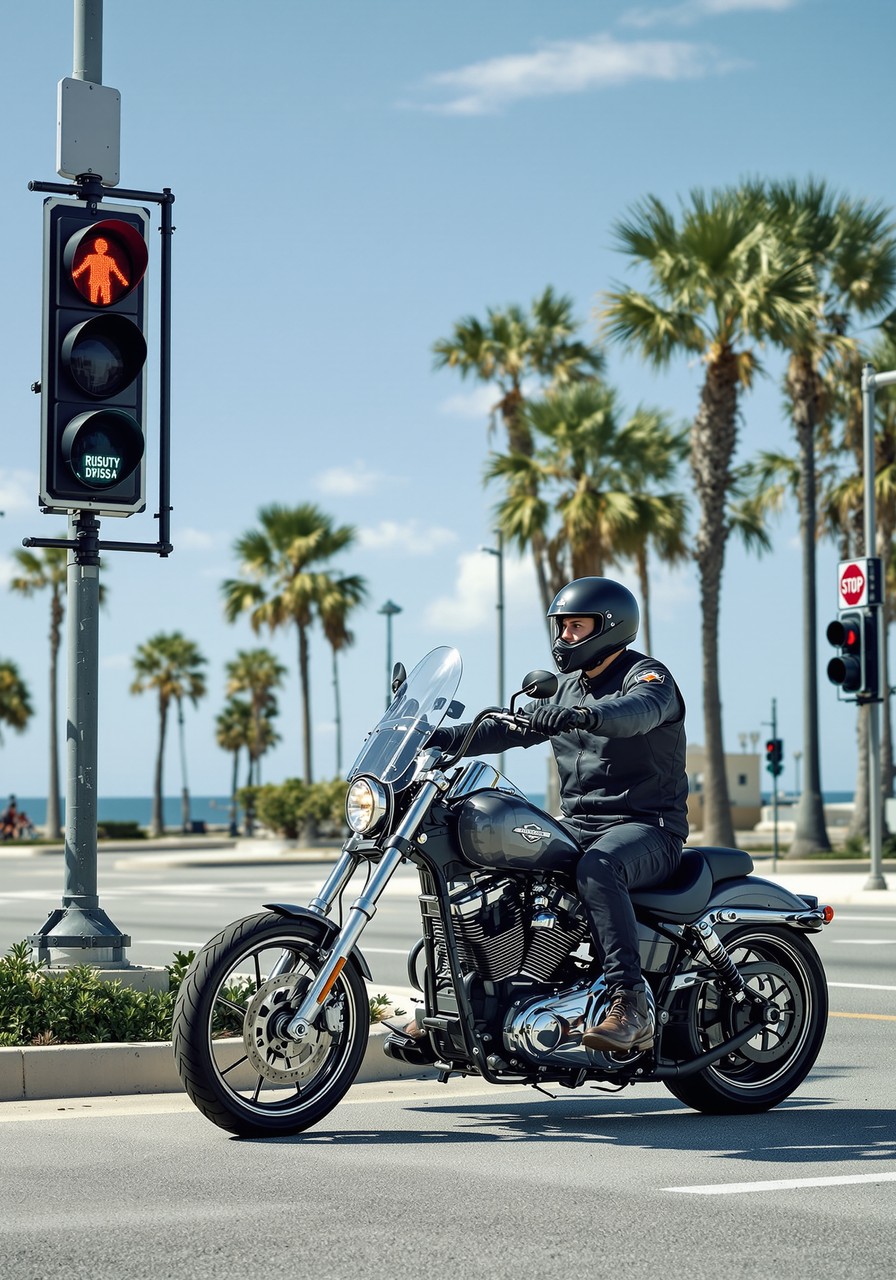
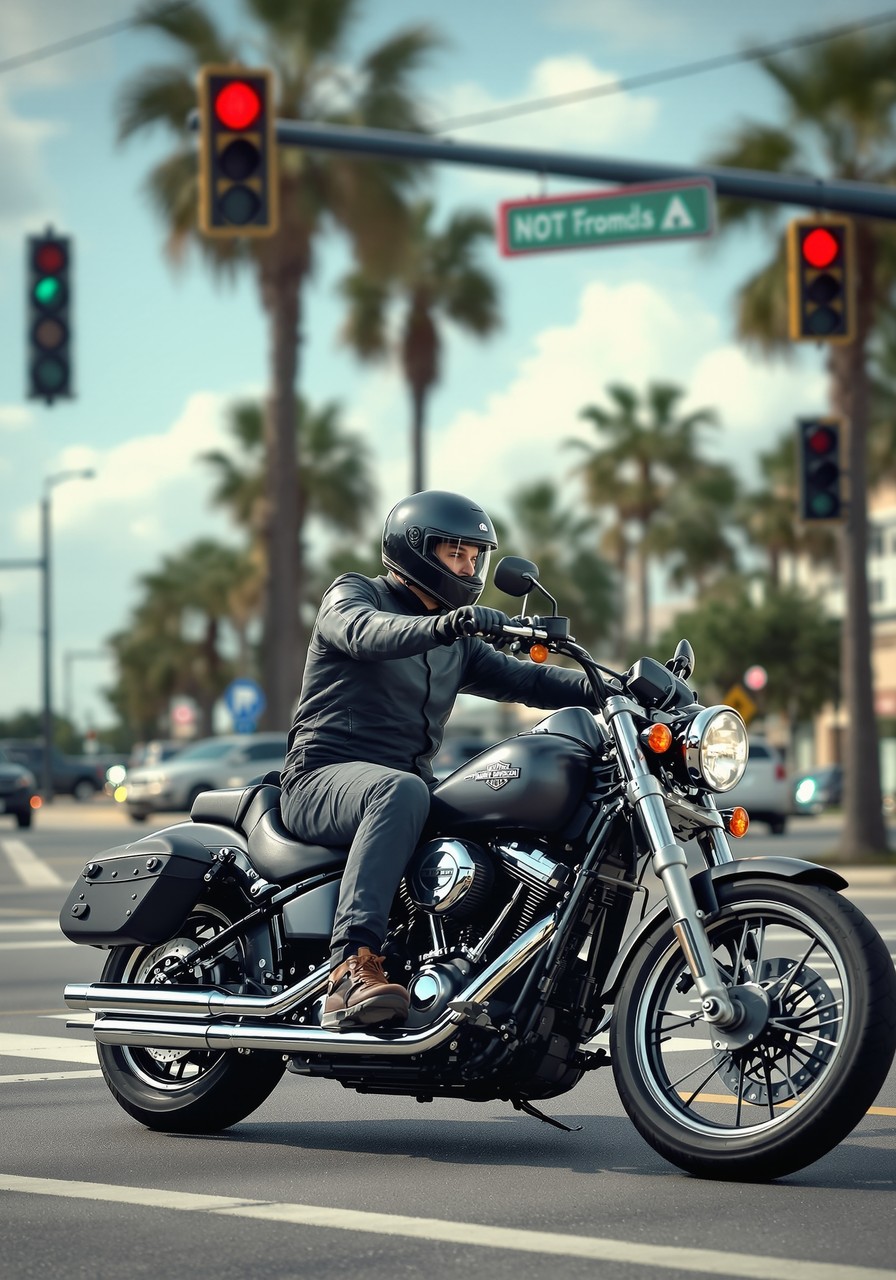
Cover your brakes as you roll into any intersection. The half second you save is the half second that keeps you upright. #RideNationPensacola #RideSafe #IntersectionAwareness
Engagement
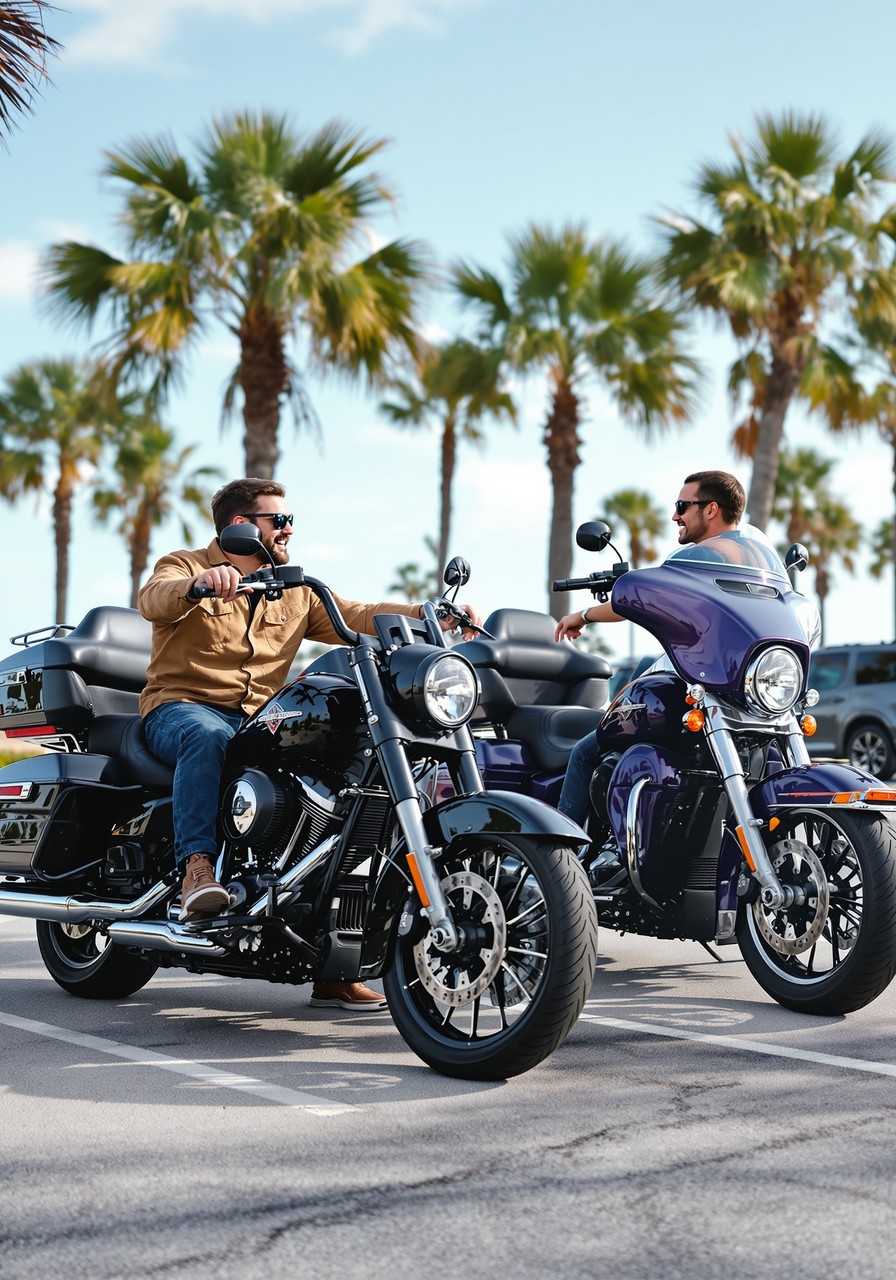
Rider confession time: who else takes the long way through Gulf Breeze just to stretch out the ride? No judgment here. #RideNationPensacola #Navarre #850
Giveaway & Countdown
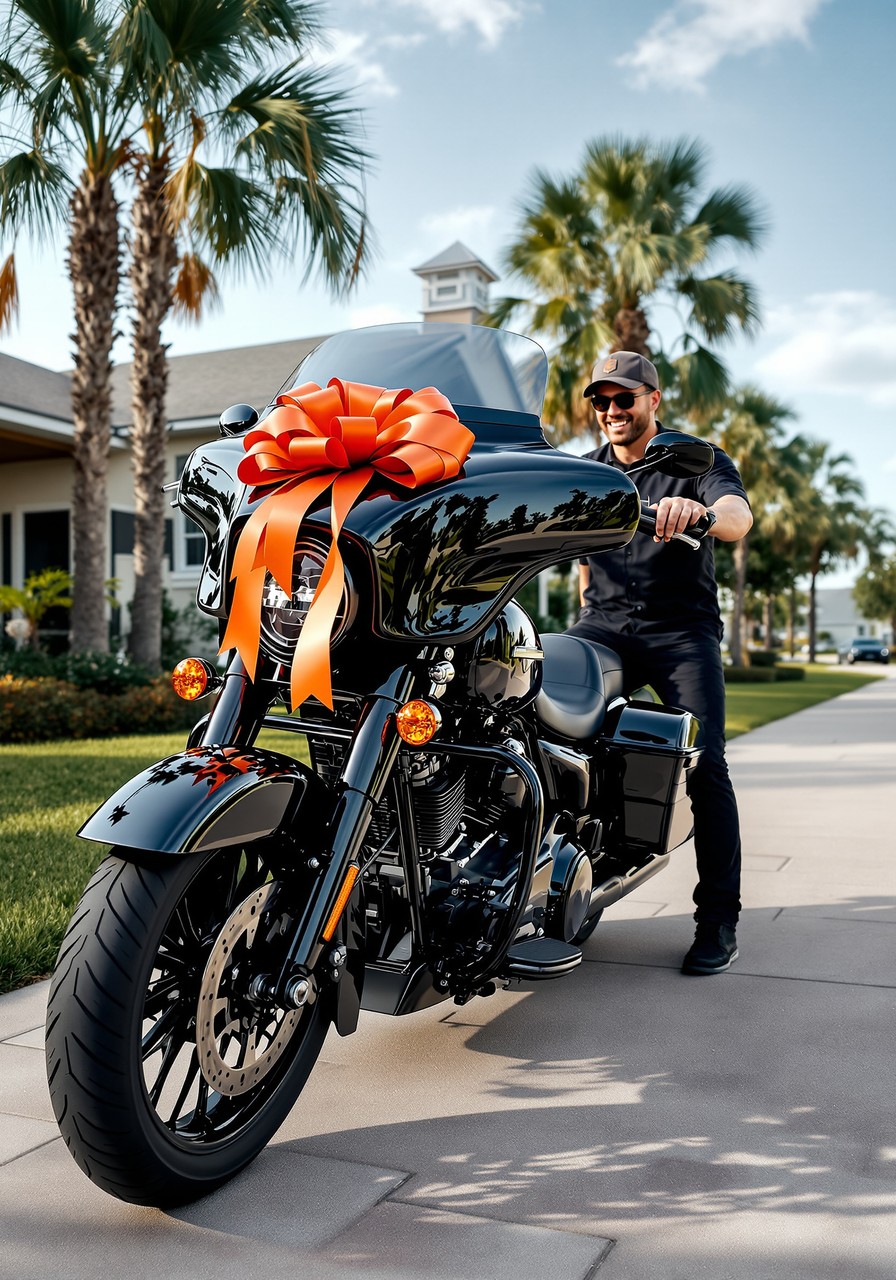
The countdown is on. December 10 is drawing day for the BikersWin $20,000 motorcycle giveaway. #RideNationPensacola #BikersWin #20kGiveaway
Local Pensacola & Rides
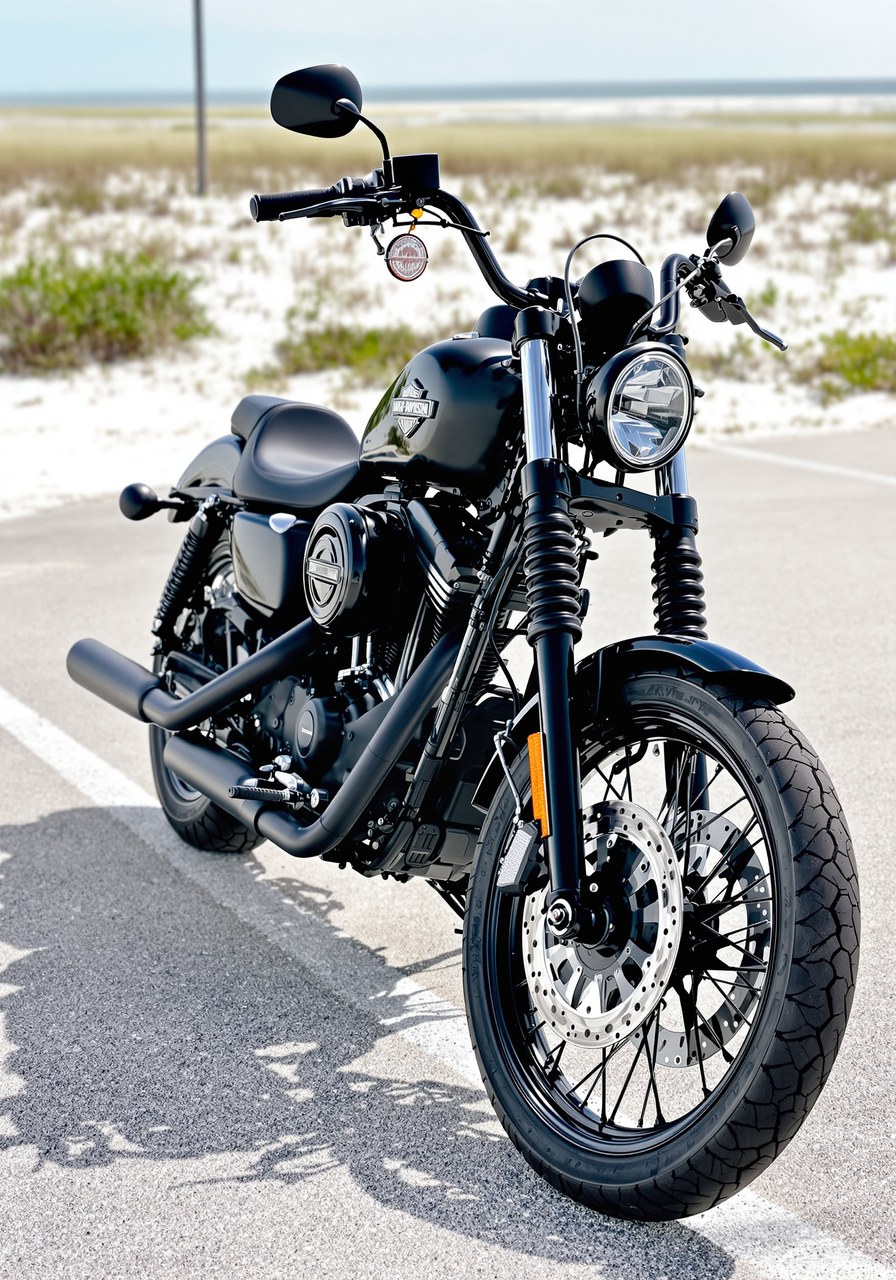
Crossing the Pensacola Bay Bridge at golden hour is pure magic. Three miles of open water with the city glowing behind you. #RideNationPensacola #Pensacola #GulfCoastRiders
Gear & New Iron
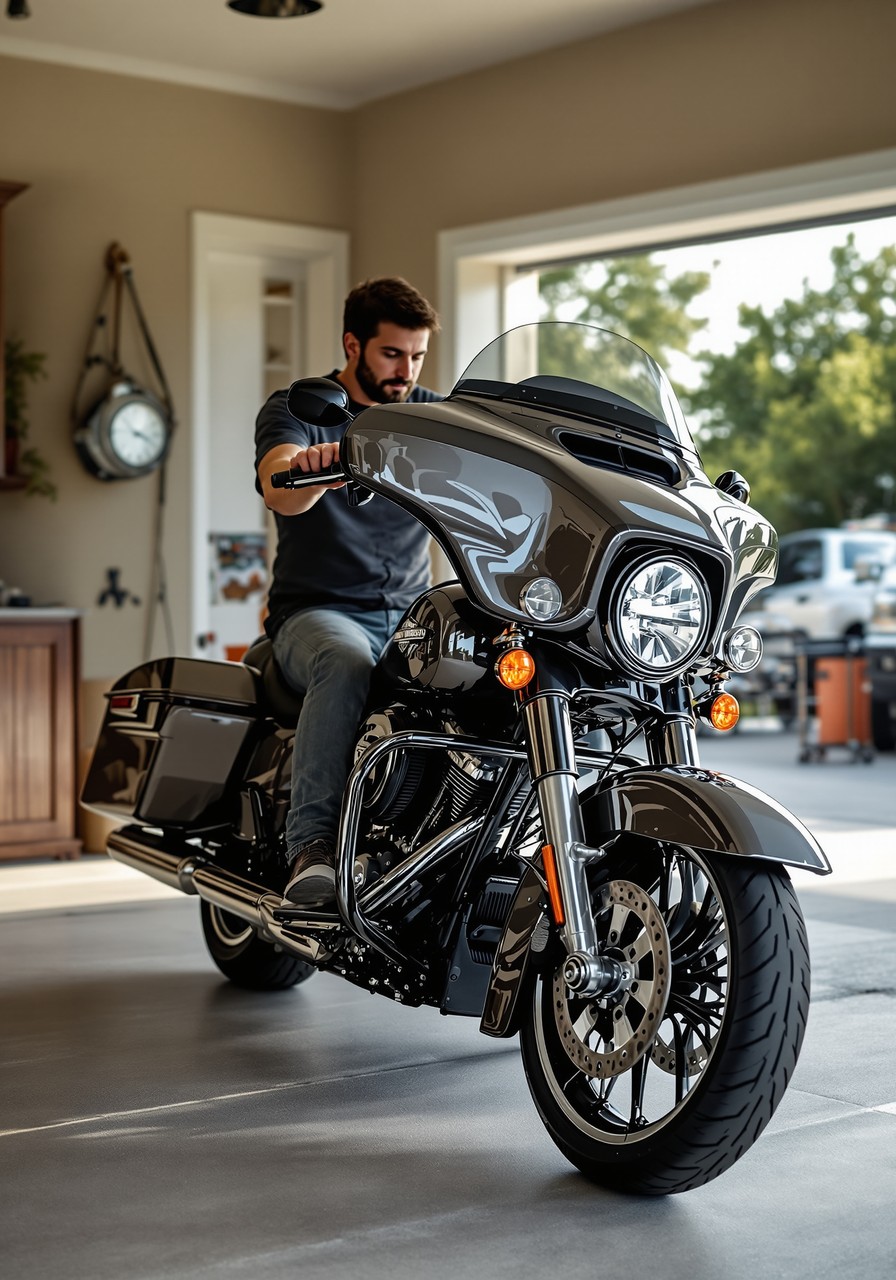
Salt air is beautiful and brutal. Wipe down and lube your chain often so corrosion never gets a head start on the Gulf Coast. #RideNationPensacola #MotorcycleMaintenance #RideSafe
Safety & Florida Law
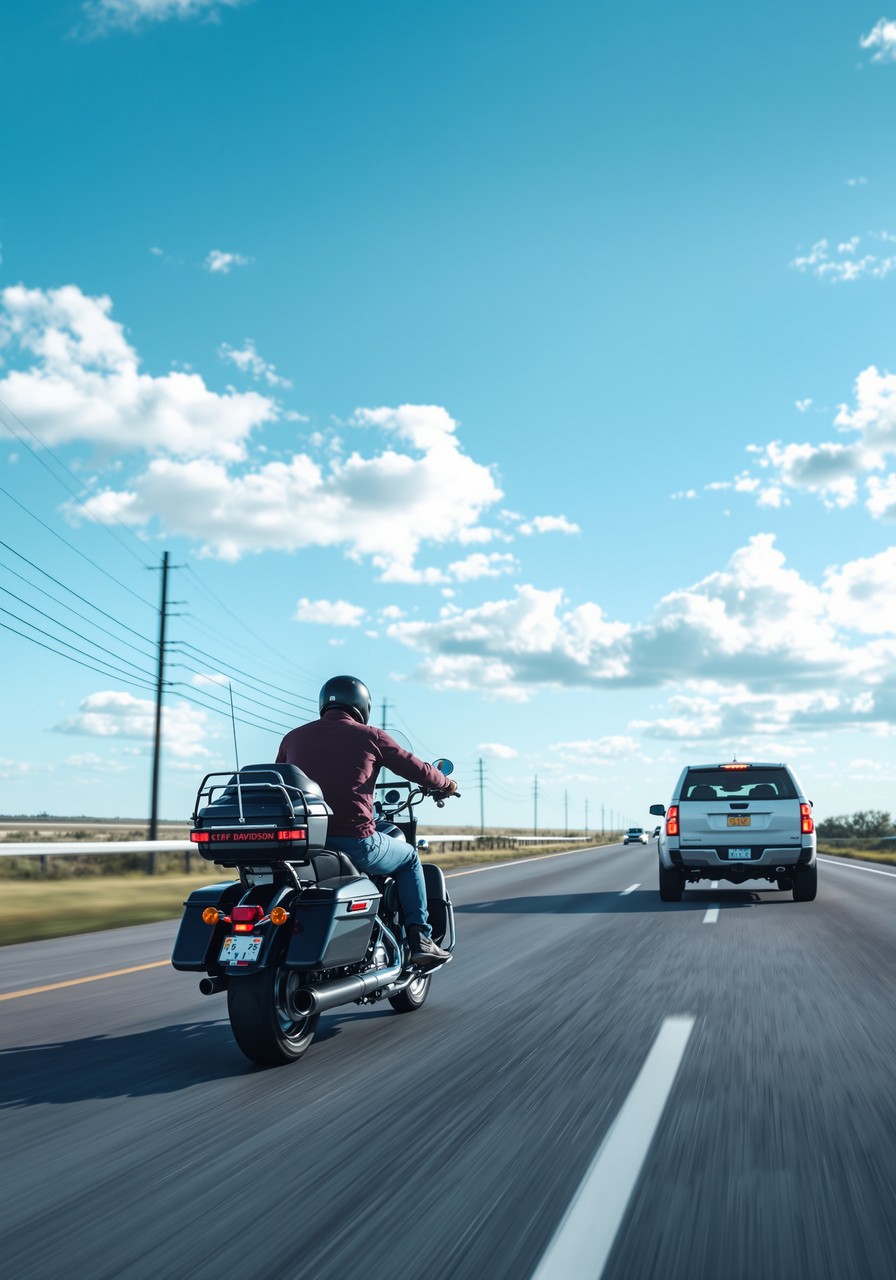
Since 2023 Florida runs on modified comparative negligence with a 51 percent bar. If you are found more than half at fault you recover nothing, so documenting the other driver matters. Questions? Call Fasig Brooks at (850) 427-2722. #RideNationPensacola #FloridaLaw #RideSafe
Engagement
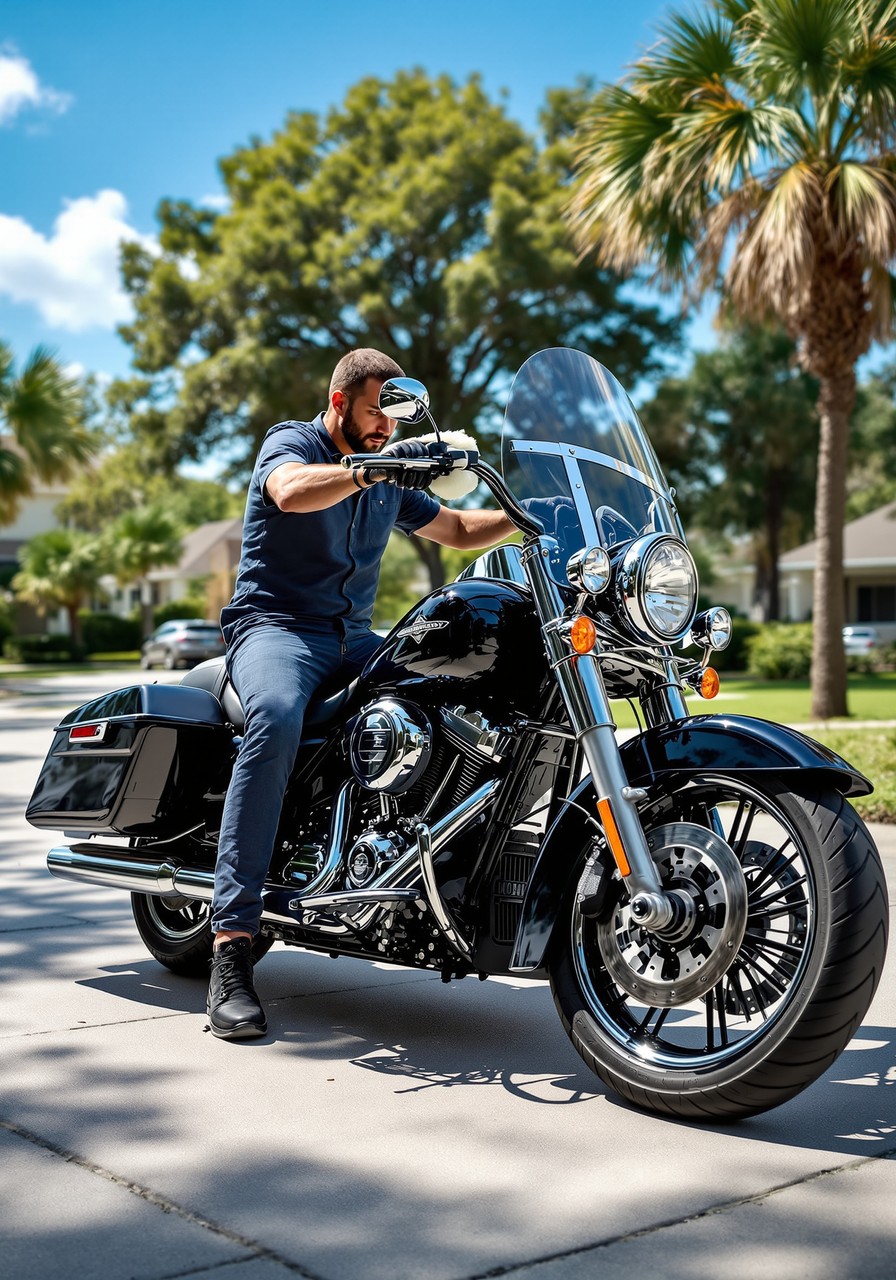
Poll: best Gulf Coast pit stop? A) Navarre B) Pensacola Beach C) Perdido Key D) wherever the pelicans are. Vote below. #RideNationPensacola #Navarre #PerdidoKey
Giveaway & Countdown
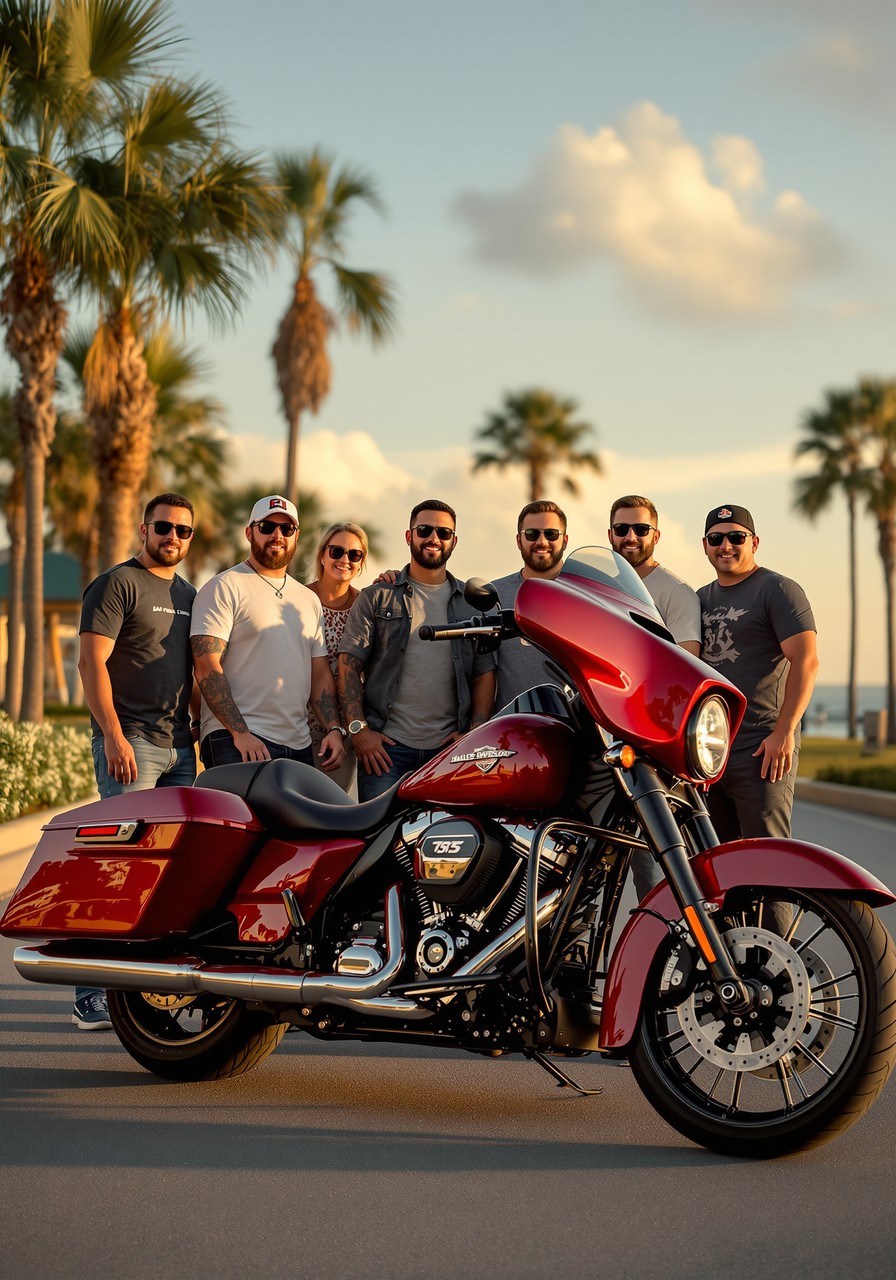
Been in a crash and still riding the paperwork? Call Fasig Brooks at (850) 427-2722, and ask how you get entered in the $20,000 giveaway for free. #RideNationPensacola #BikersWin
Local Pensacola & Rides
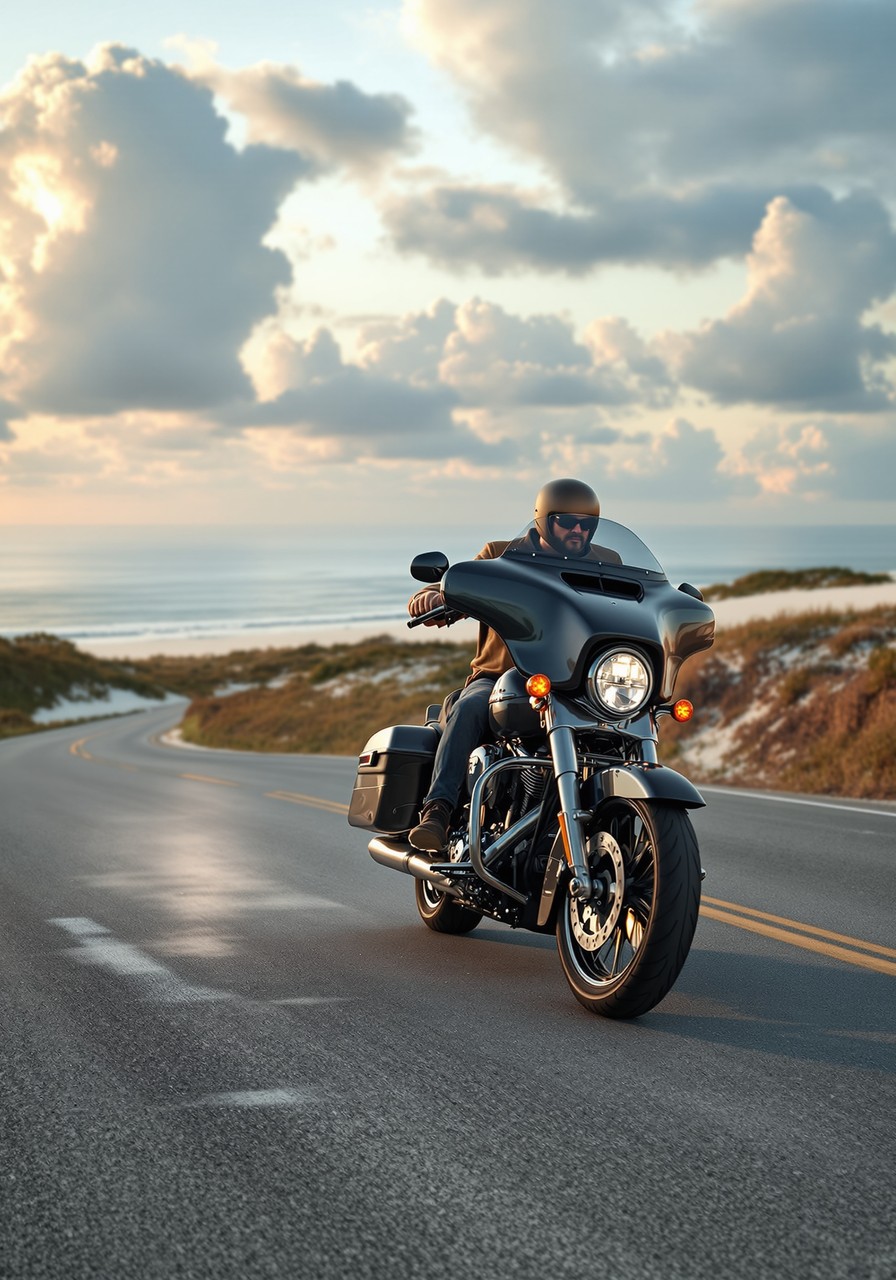
Navarre mornings are made for two wheels. Quiet roads, a quick beach stop, and seafood waiting whenever you're ready to turn around. #RideNationPensacola #Navarre #GulfCoastRiders
Gear & New Iron
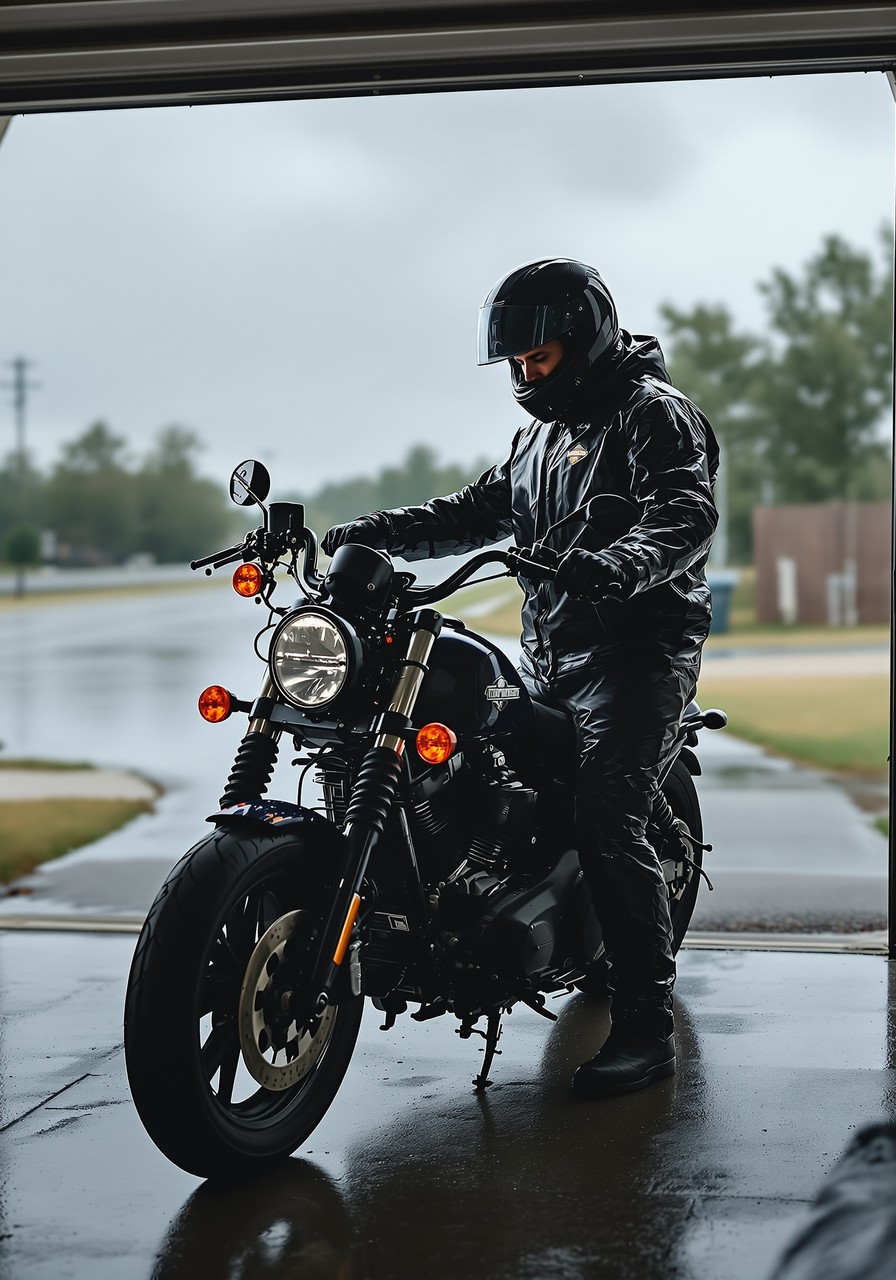
New iron season is here and the showroom floor is glowing. What is on your short list this year? Drop it below. #RideNationPensacola #NewIron #MotorcycleGear
Safety & Florida Law
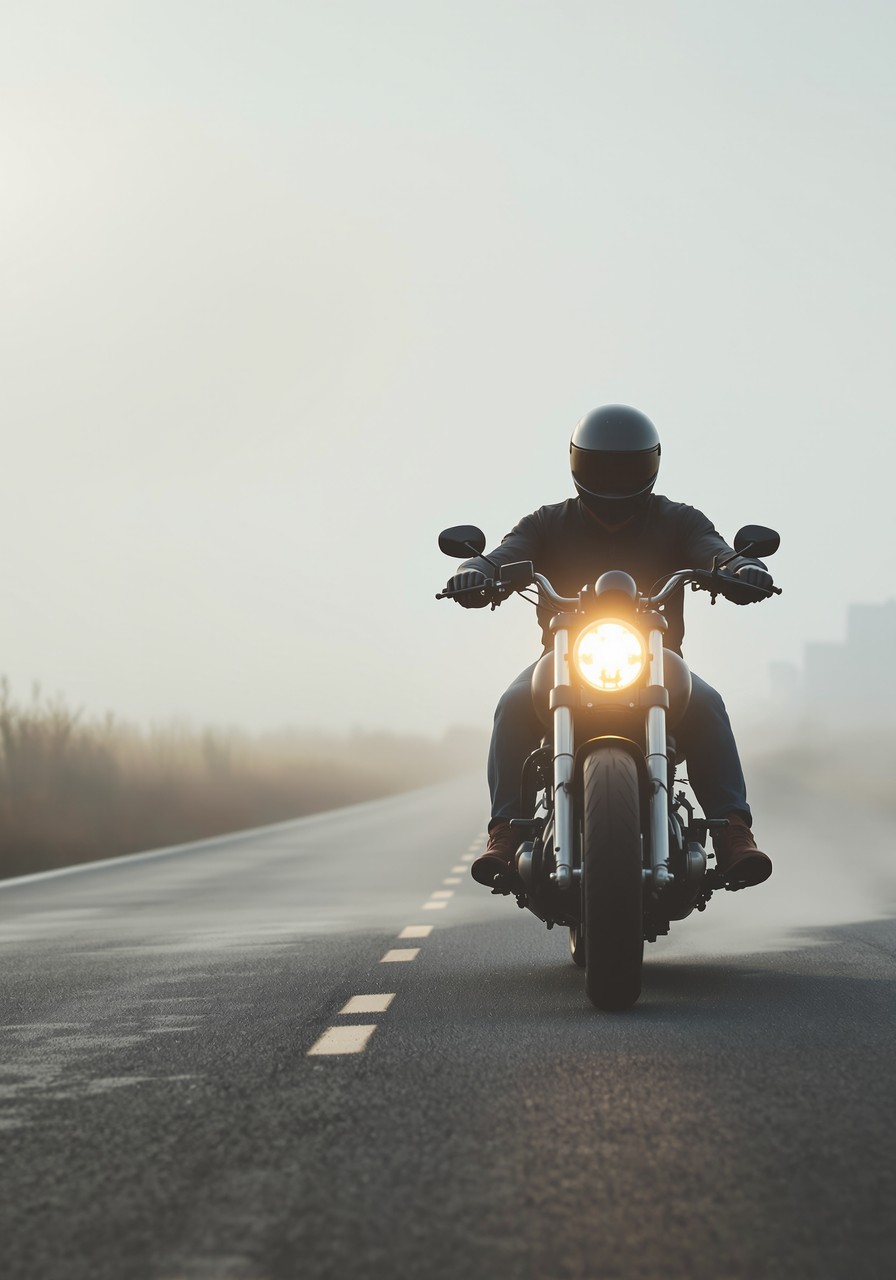
SMIDSY is real: Sorry Mate I Did not See You. Assume the left-turning car does not see you and set up an escape path. #RideNationPensacola #RideSafe #LeftTurnAwareness
Engagement
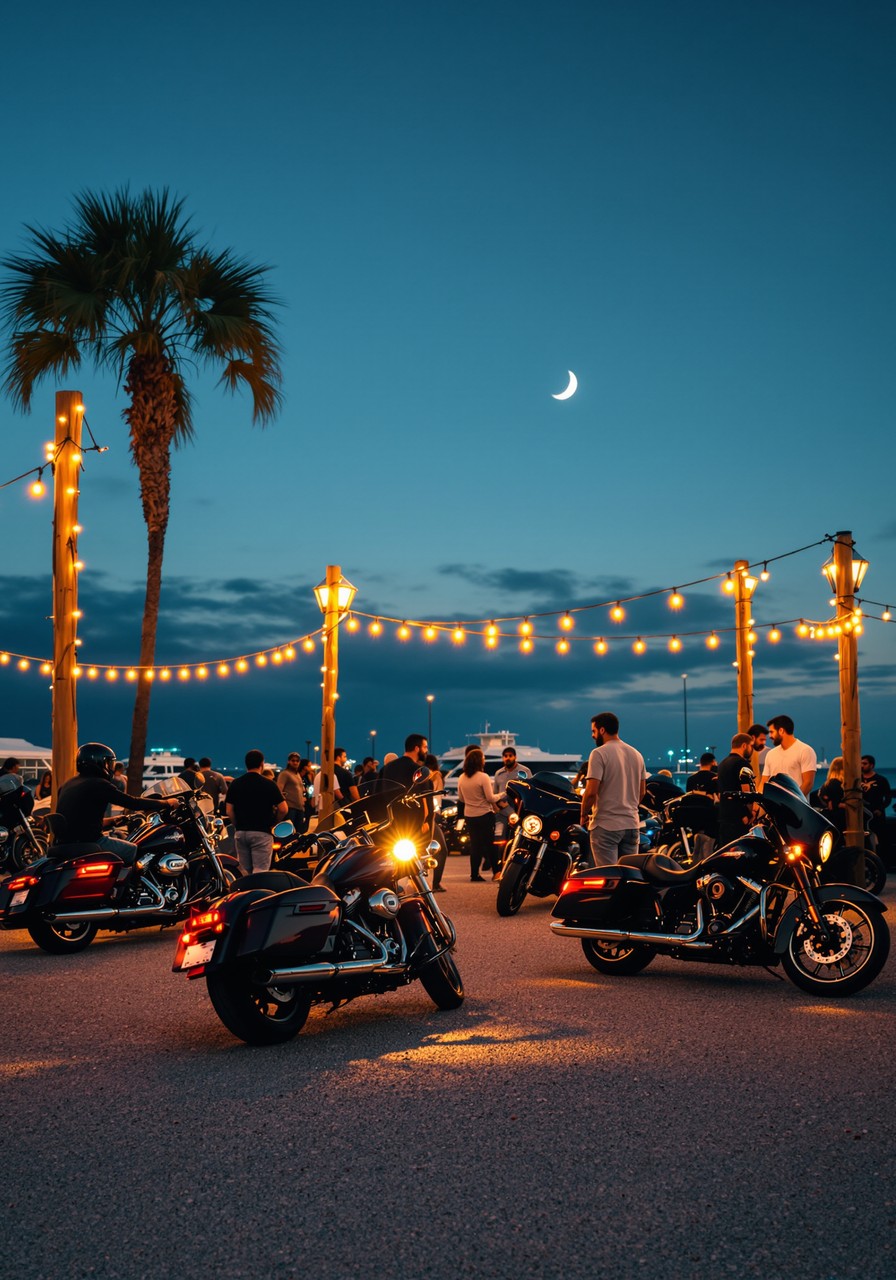
Favorite-road debate: US-98 coastal cruise or the Escambia Bay bluffs on US-90? Defend your answer in the comments. #RideNationPensacola #ScenicHighway #GulfCoastRiders
Giveaway & Countdown
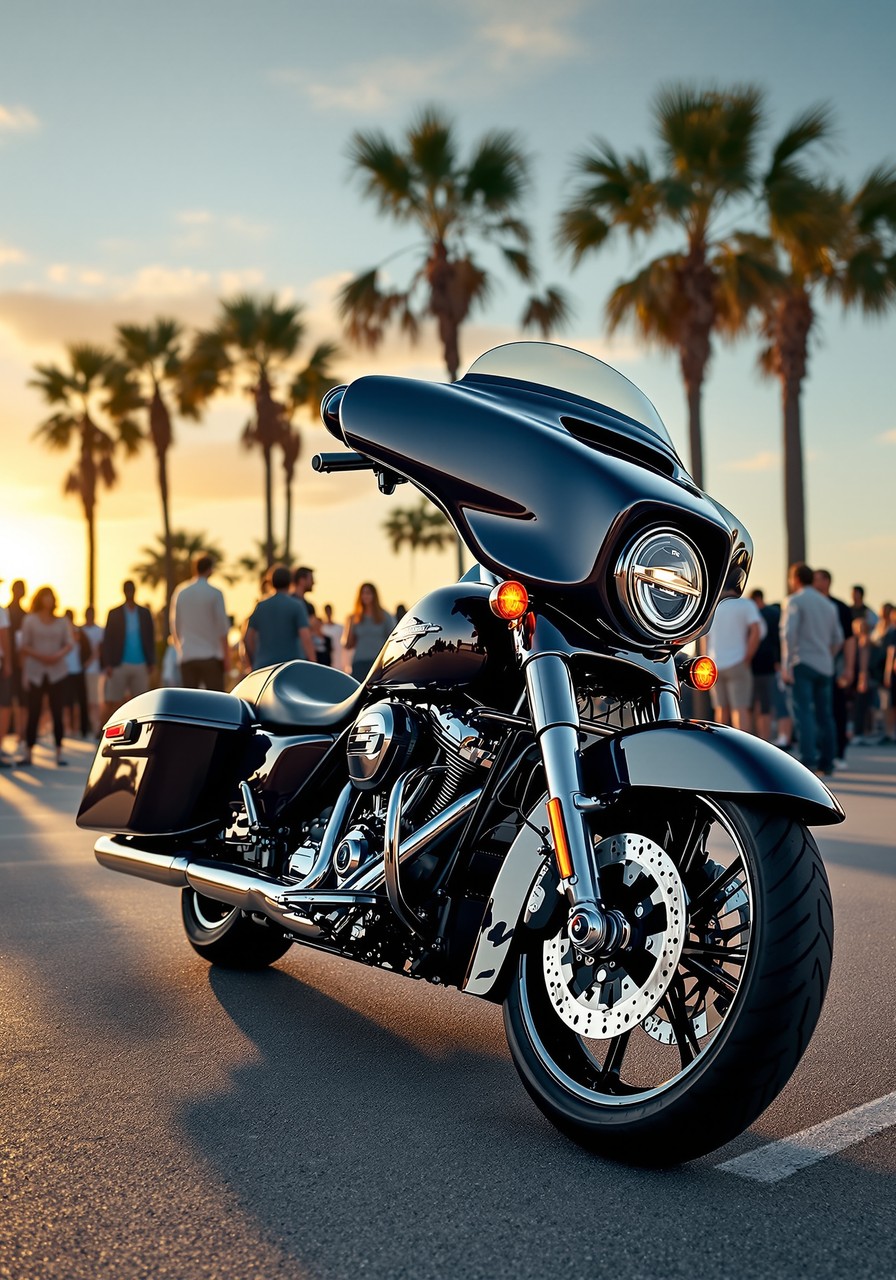
Pensacola, this one is for you. The BikersWin $20,000 motorcycle giveaway is open and entry costs you nothing. #RideNationPensacola #20kGiveaway
Local Pensacola & Rides
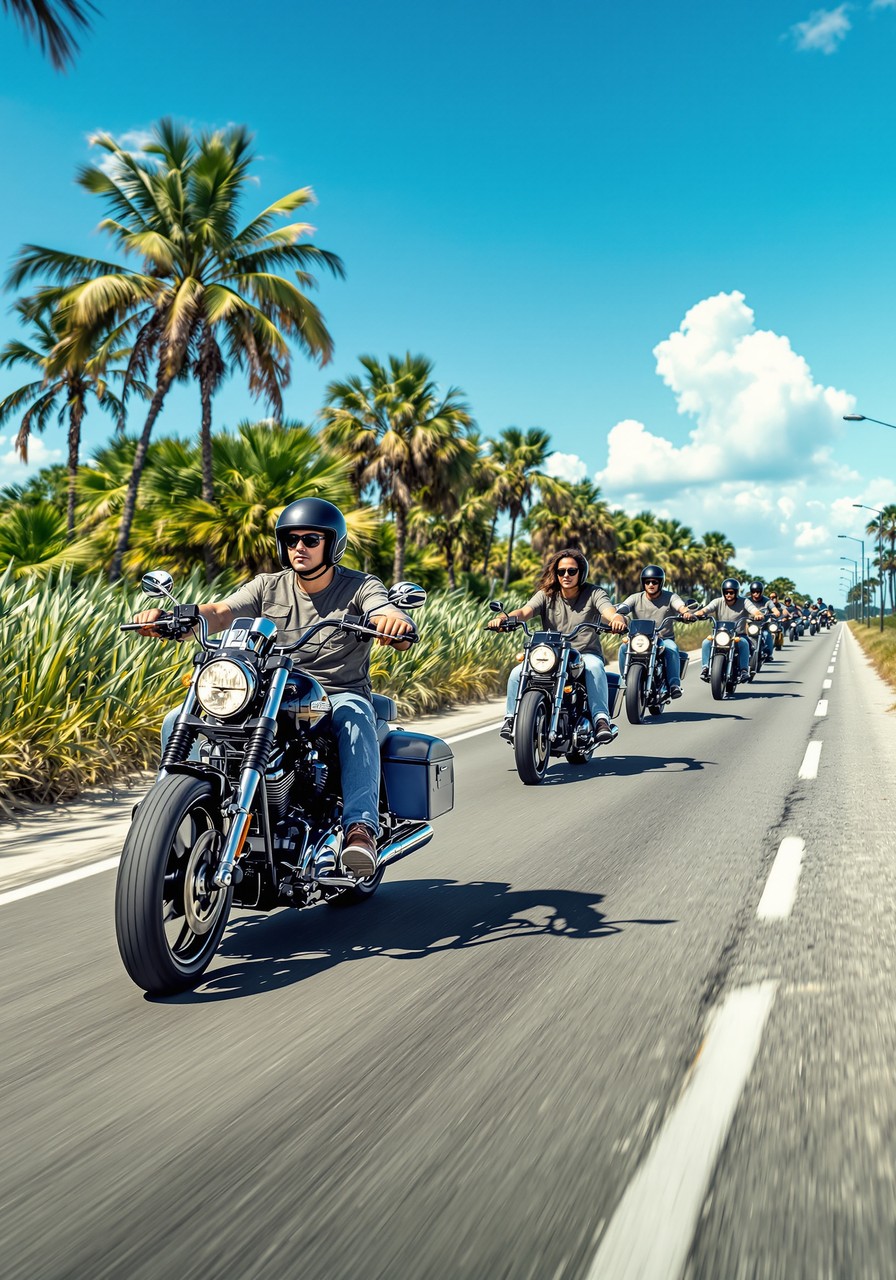
Fort Pickens Road is a classic. Ocean on one side, bay on the other, and history parked at the end of the line. #RideNationPensacola #FortPickens #PensacolaBeach
Gear & New Iron
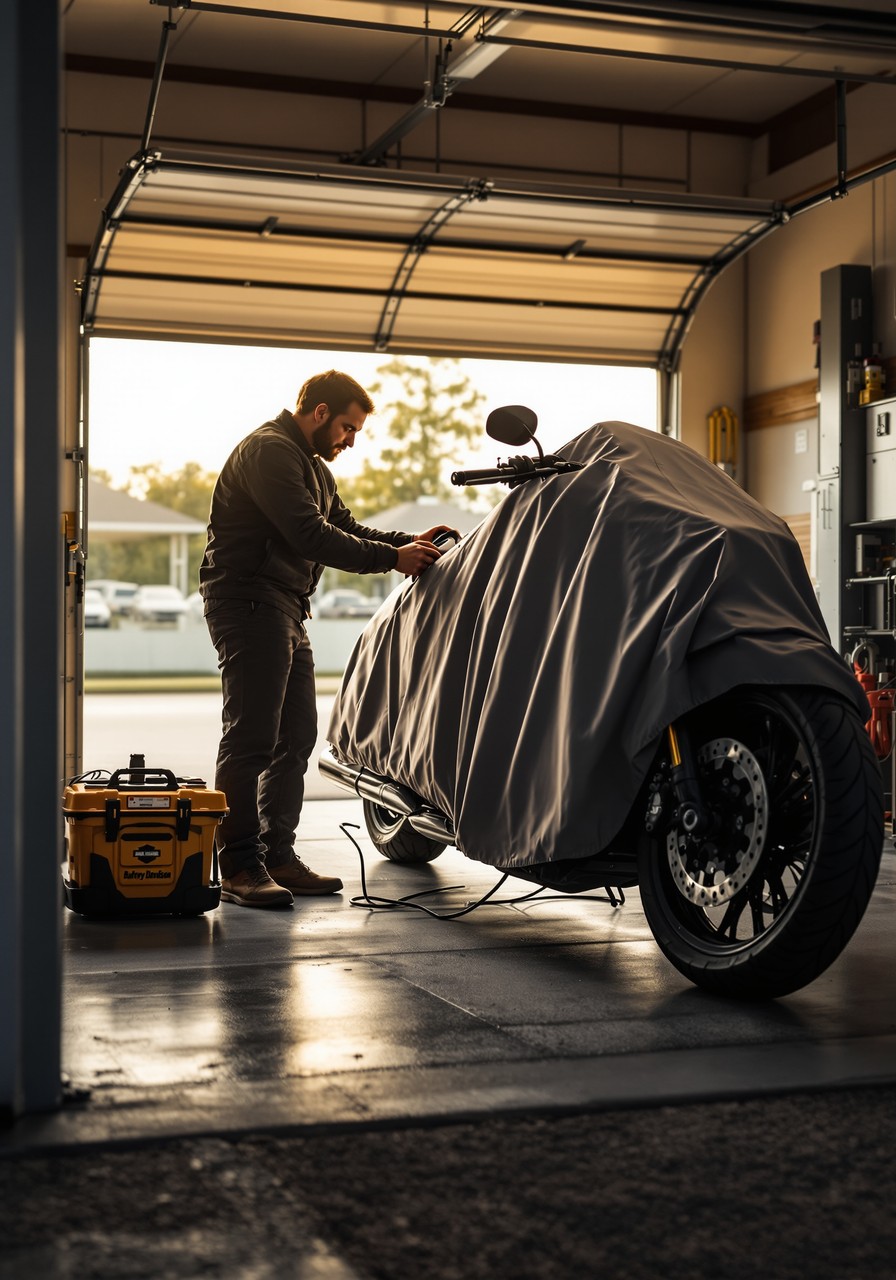
Vented boots exist and they are a revelation in August humidity. Ankle protection without cooking your feet. Win win. #RideNationPensacola #ATGATT #GearUp
Safety & Florida Law
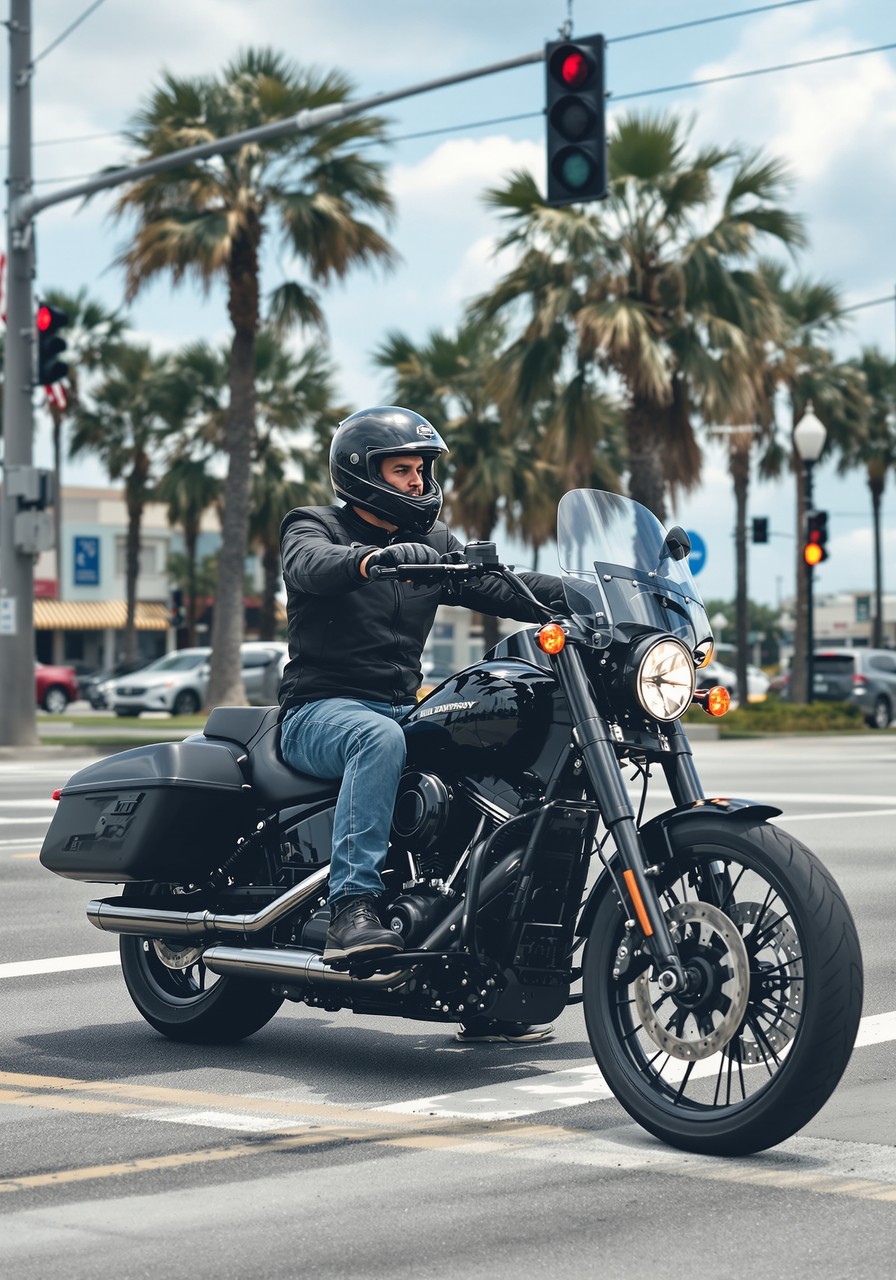
Florida helmet rule in plain terms: riders 21 and up may ride without a helmet only if they carry at least 10,000 dollars in medical benefits coverage. Under 21 must wear a DOT helmet. Questions? Call Fasig Brooks at (850) 427-2722. #RideNationPensacola #FloridaLaw #RideSafe
Engagement
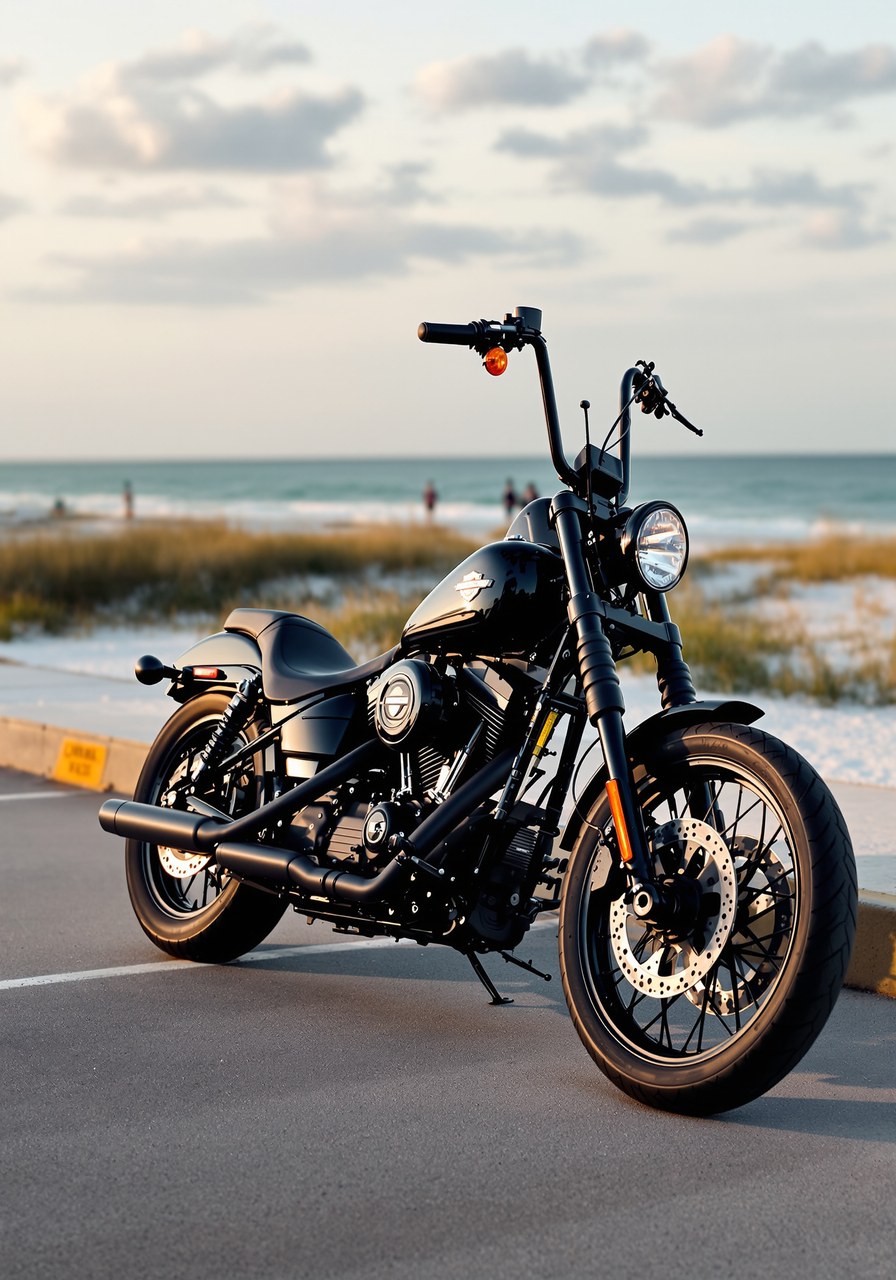
Weekend plans: Blackwater River State Forest and all those shady curves. Who's rolling out with us? #RideNationPensacola #Pensacola #850
Giveaway & Countdown
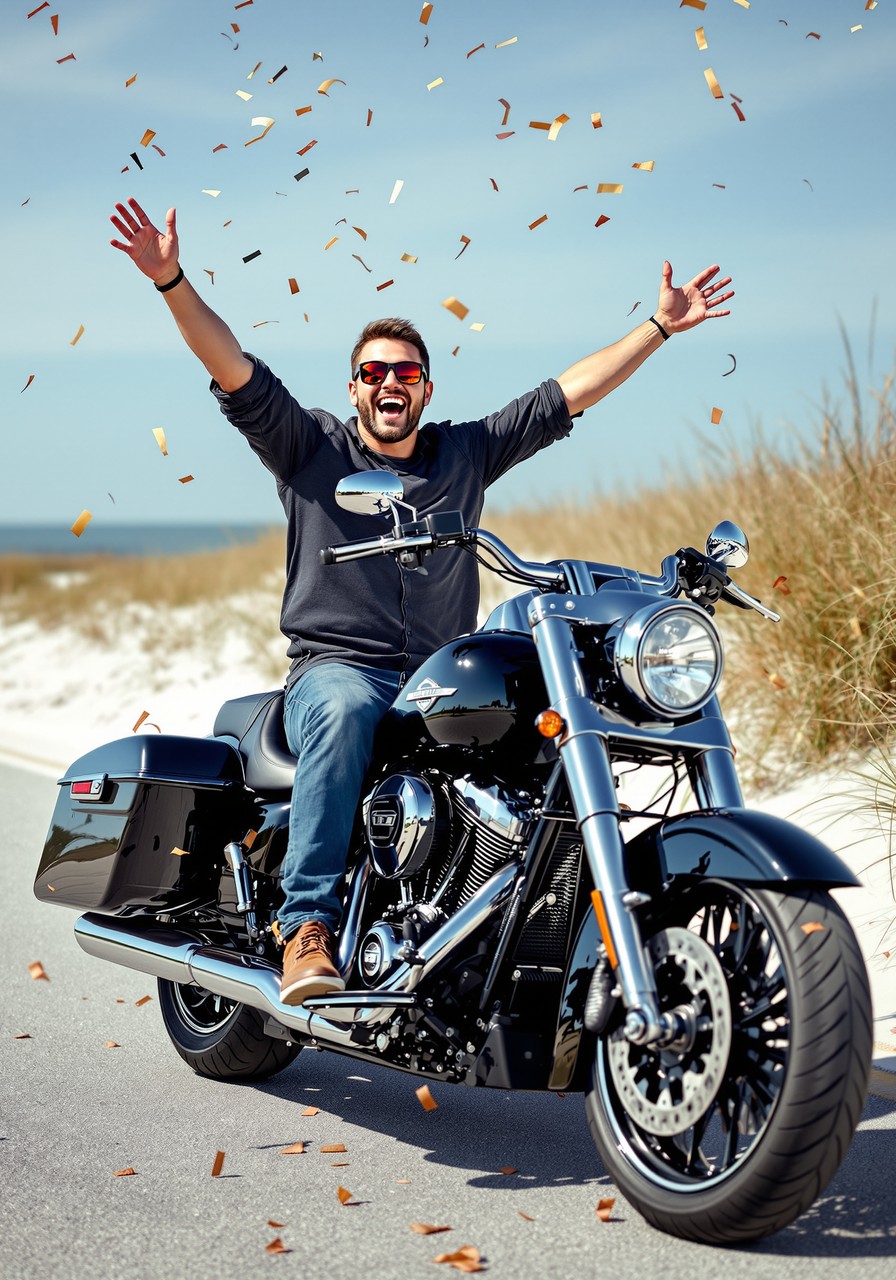
Mark your calendar. The $20,000 motorcycle giveaway is drawn December 10 and the clock is ticking. Head to fasigbrooks.com for the details. #RideNationPensacola #BikersWin
Local Pensacola & Rides
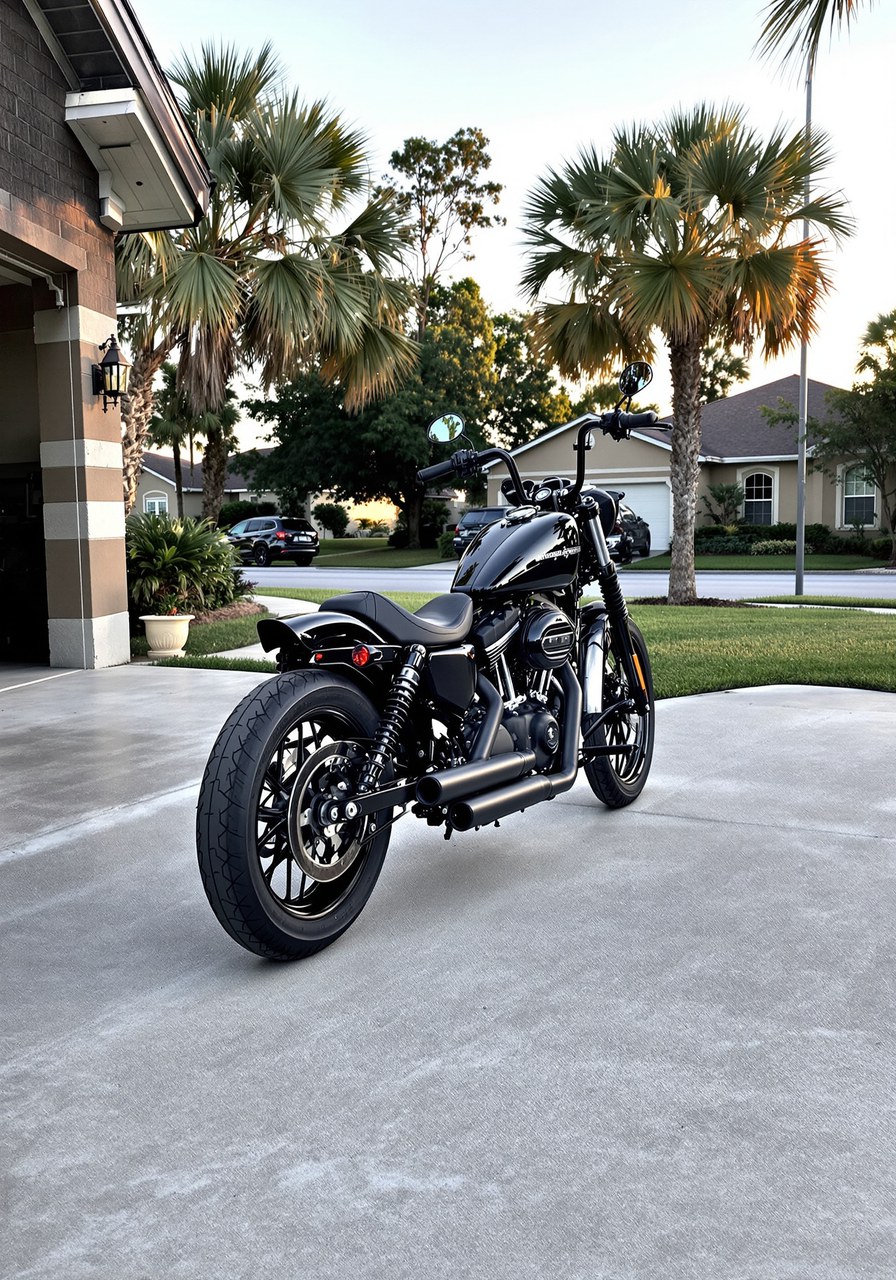
Snowbird season is rolling in, so give yourself a little extra room out there. More cars, more RVs, same beautiful coast. #RideNationPensacola #Pensacola #GulfCoastRiders
Gear & New Iron
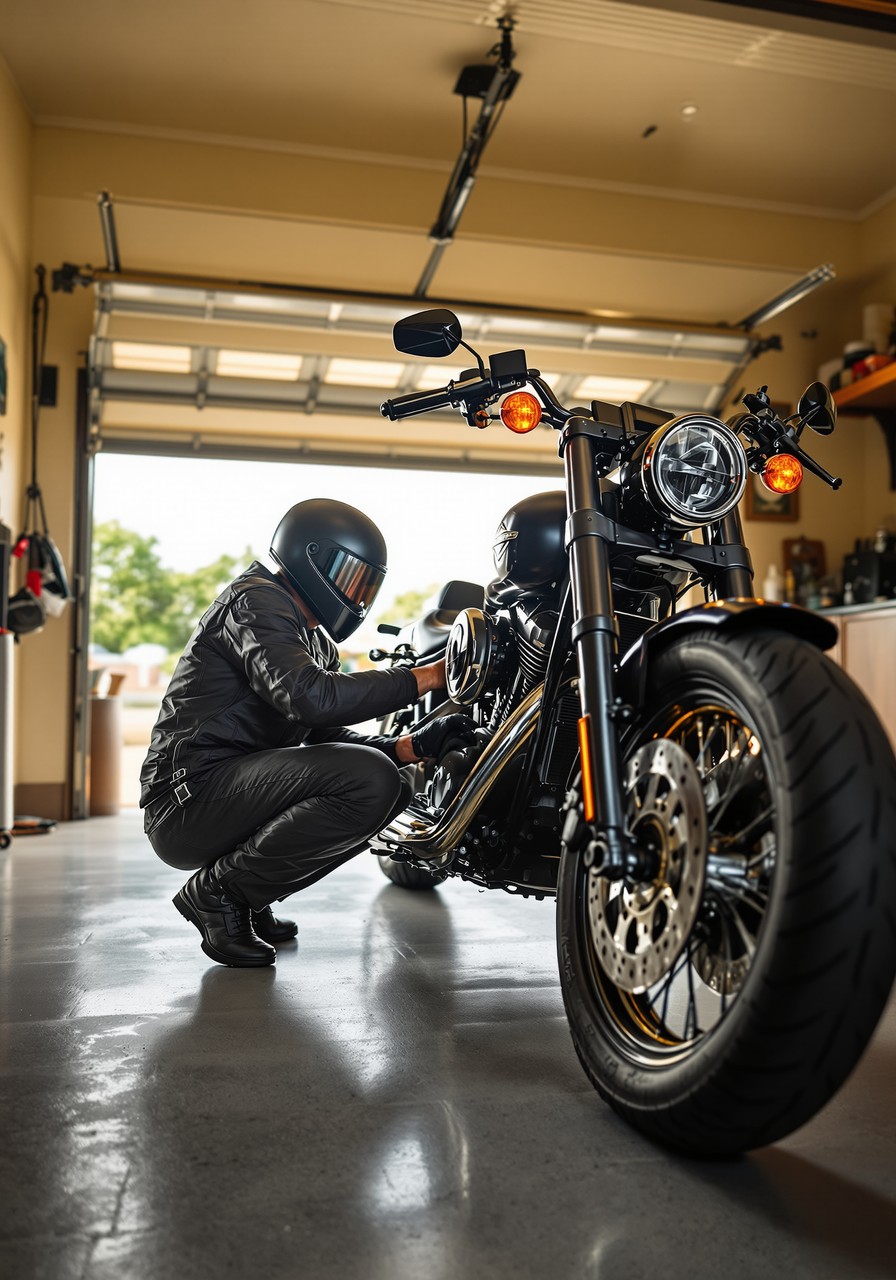
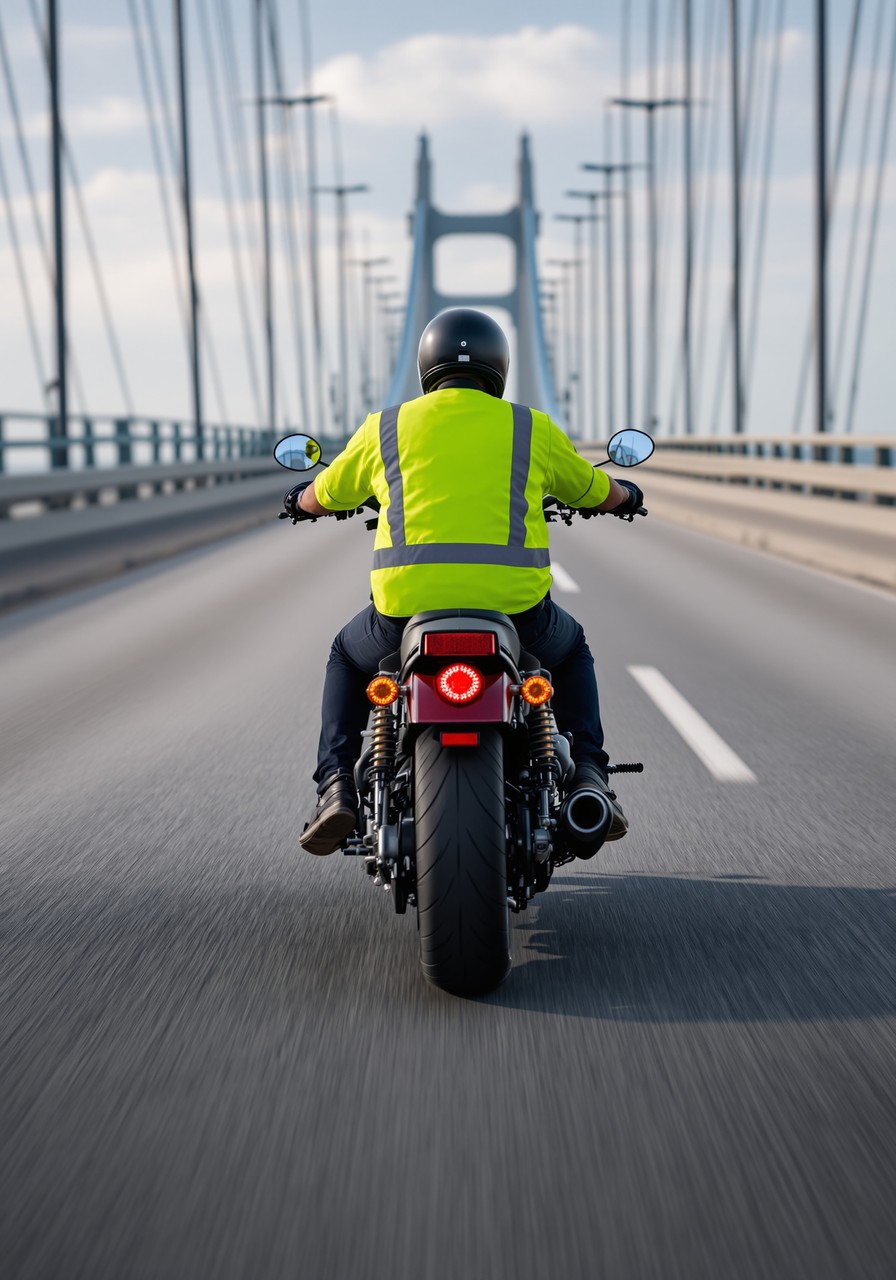
Hi-viz is not a fashion statement, it is a strategy. On busy Gulf Coast roads, being seen is being safe. #RideNationPensacola #RideSafe #GearUp #GulfCoastRiders
Safety & Florida Law
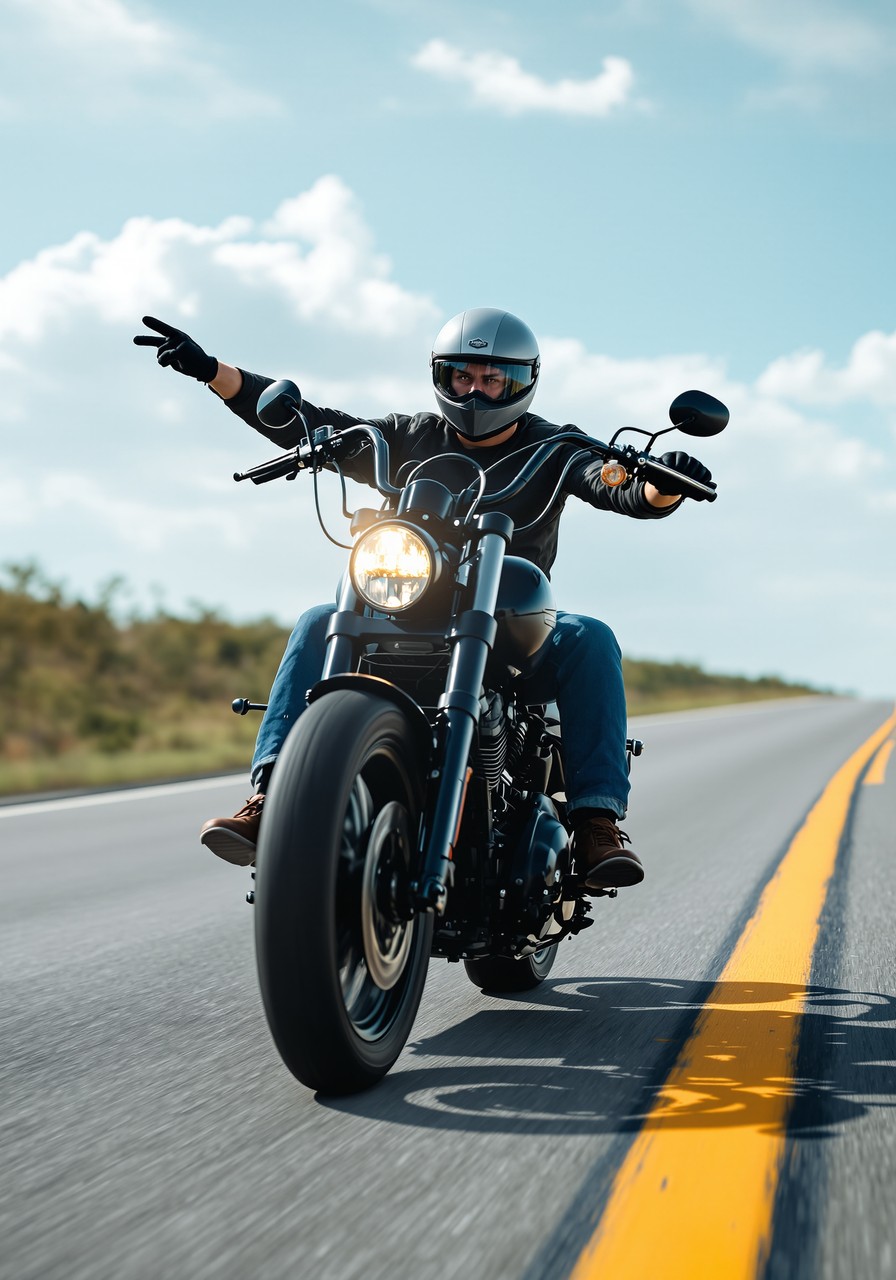
Lane positioning is free protection. Ride where drivers expect to see a car and where you keep the widest view of traffic. #RideNationPensacola #RideSafe #LanePositioning
Engagement
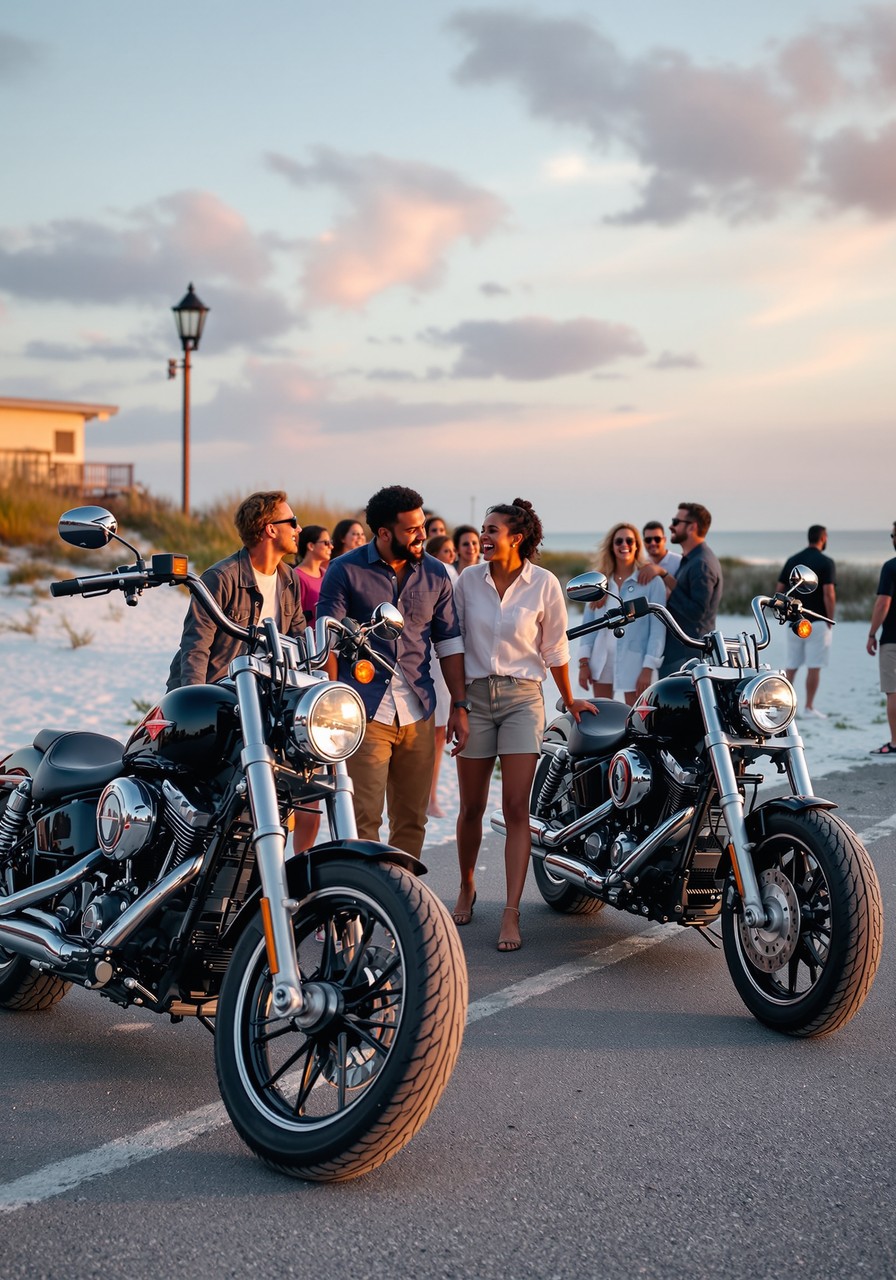
Two truths and a ride: name the one road around the 850 you could ride blindfolded (please don't). #RideNationPensacola #Pensacola #GulfCoastRiders
Giveaway & Countdown
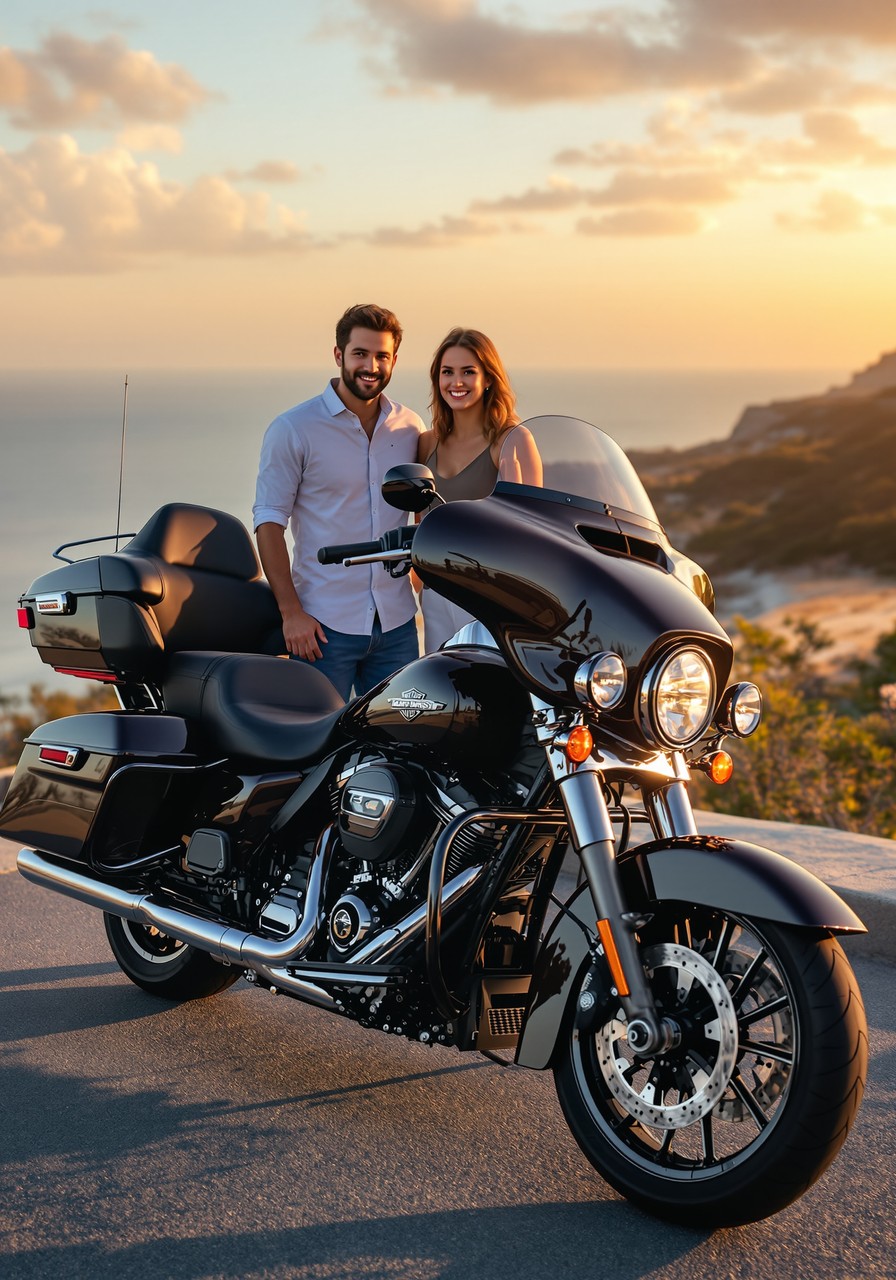
Free to enter. Twenty grand on the line. Riders across NW Florida are already talking about it. #RideNationPensacola #20kGiveaway
Local Pensacola & Rides
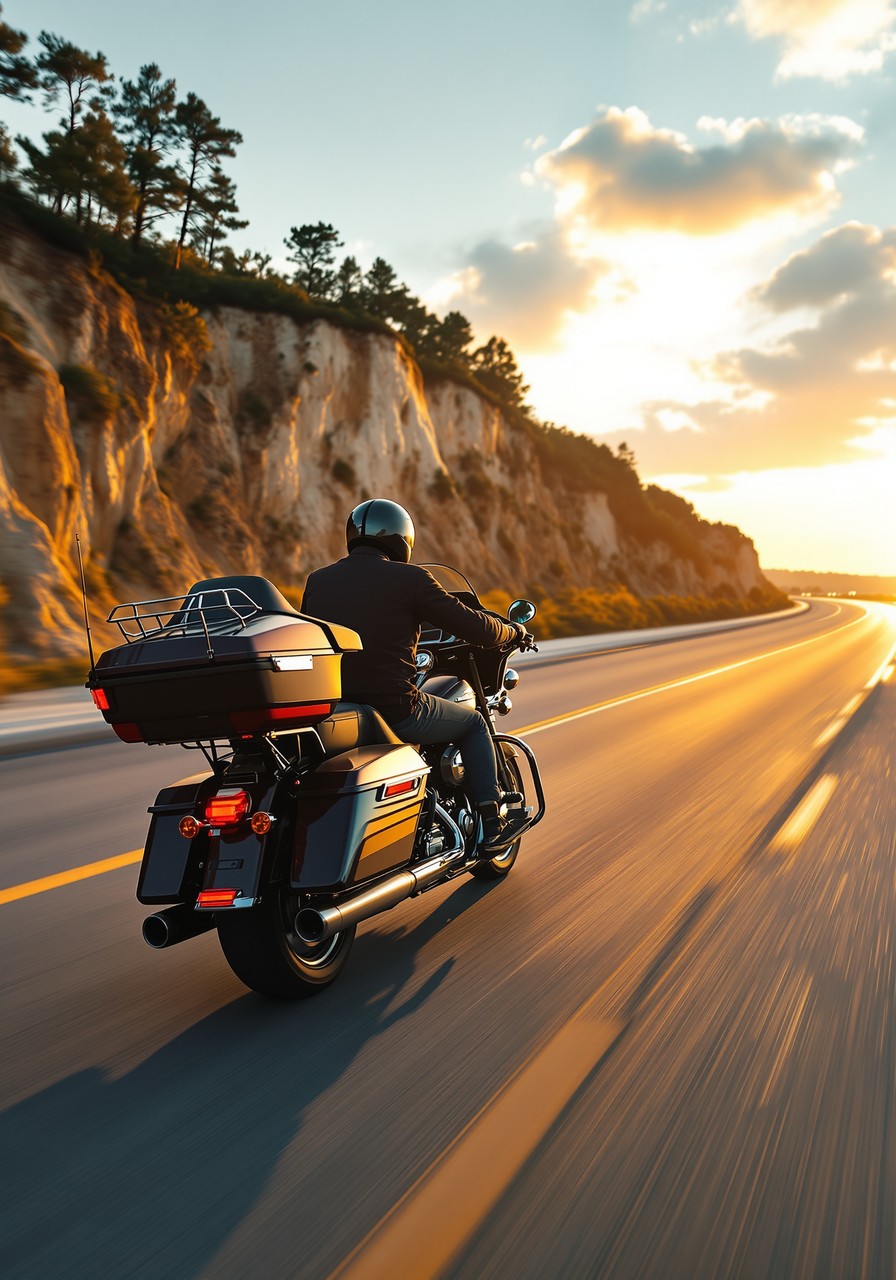
Bob Sikes Bridge drops you right onto Santa Rosa Island. Pay the toll, pop over, and trade traffic for open sand in about five minutes. #RideNationPensacola #PensacolaBeach #GulfCoastRiders
Gear & New Iron
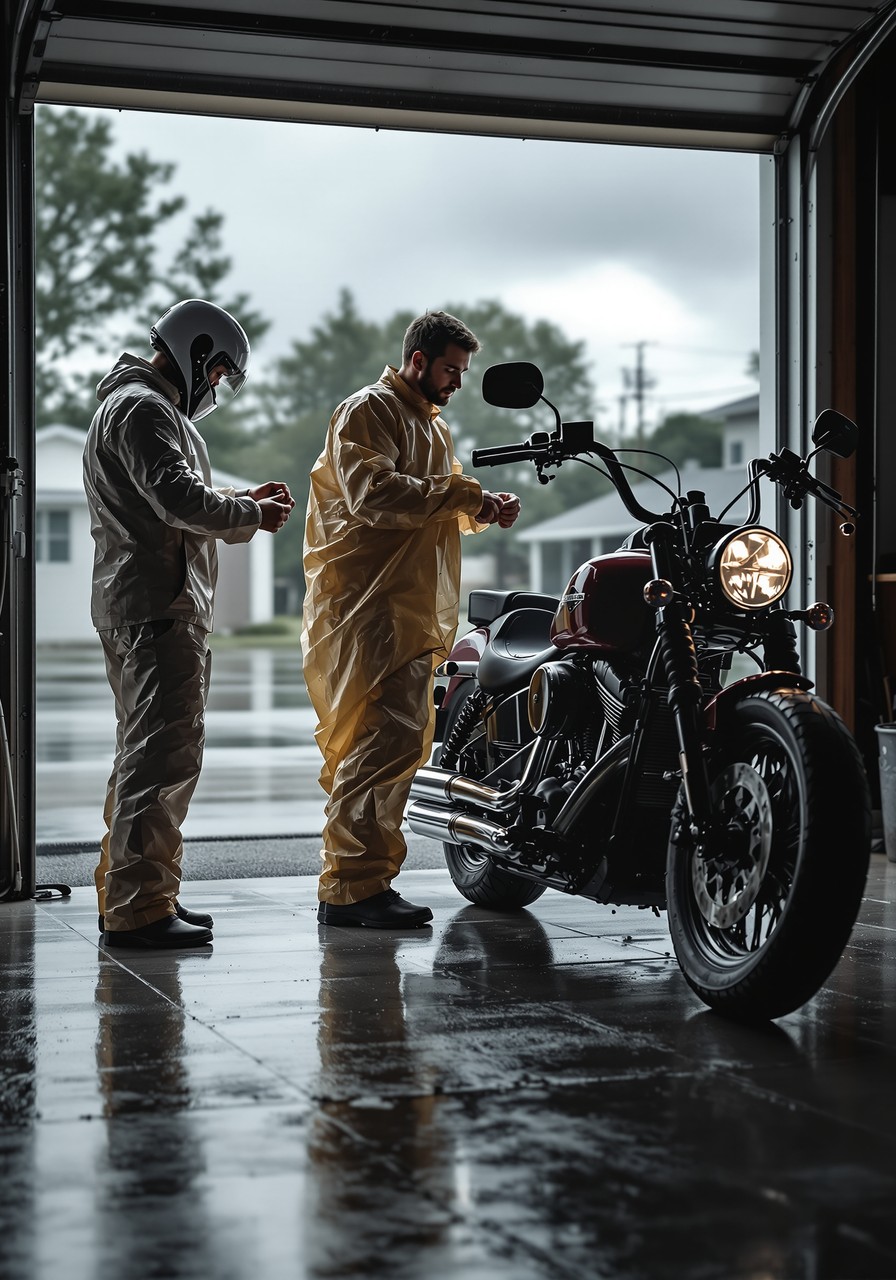
Gulf storms roll in fast. A packable rain suit tucked under your seat turns a soaked misery ride into a non-event. #RideNationPensacola #RainGear #RideSafe
Safety & Florida Law
Florida cut the injury statute of limitations to 2 years back in 2023. Waiting can quietly cost you your case, so do not sit on it. Call Fasig Brooks at (850) 427-2722. #RideNationPensacola #FloridaLaw #RideSafe
Engagement
Sound off: what song is stuck in your helmet the whole way across the Three Mile Bridge? Asking for the whole group. #RideNationPensacola #PensacolaBeach #850
Giveaway & Countdown
Wondering how to get in on the $20,000 BikersWin giveaway? Call Fasig Brooks at (850) 427-2722 and ask how riders get entered for free. #RideNationPensacola #BikersWin
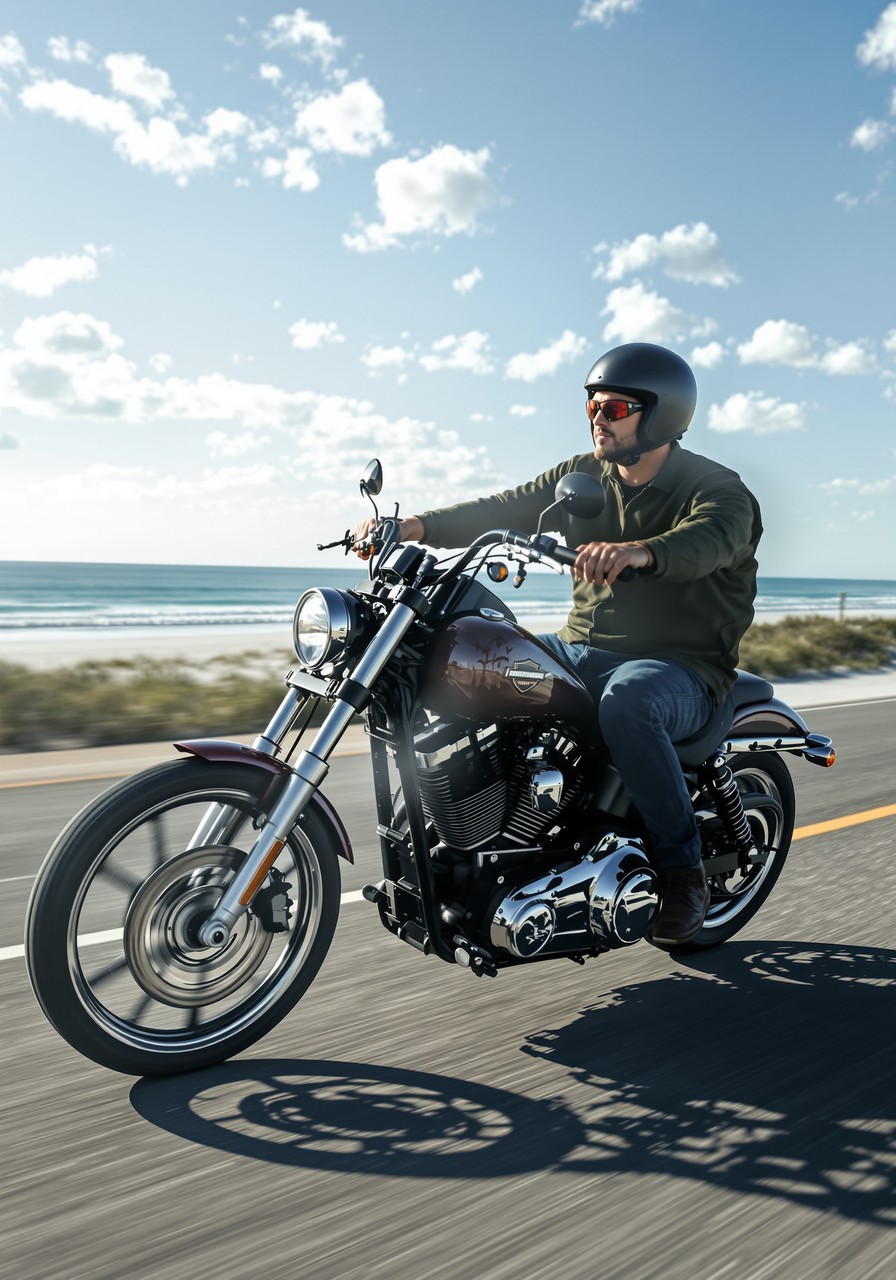
Local Pensacola & Rides
Blackwater River State Forest is where the pavement gets shady and the curves get fun. A great escape when you want trees instead of dunes. #RideNationPensacola #Milton #GulfCoastRiders
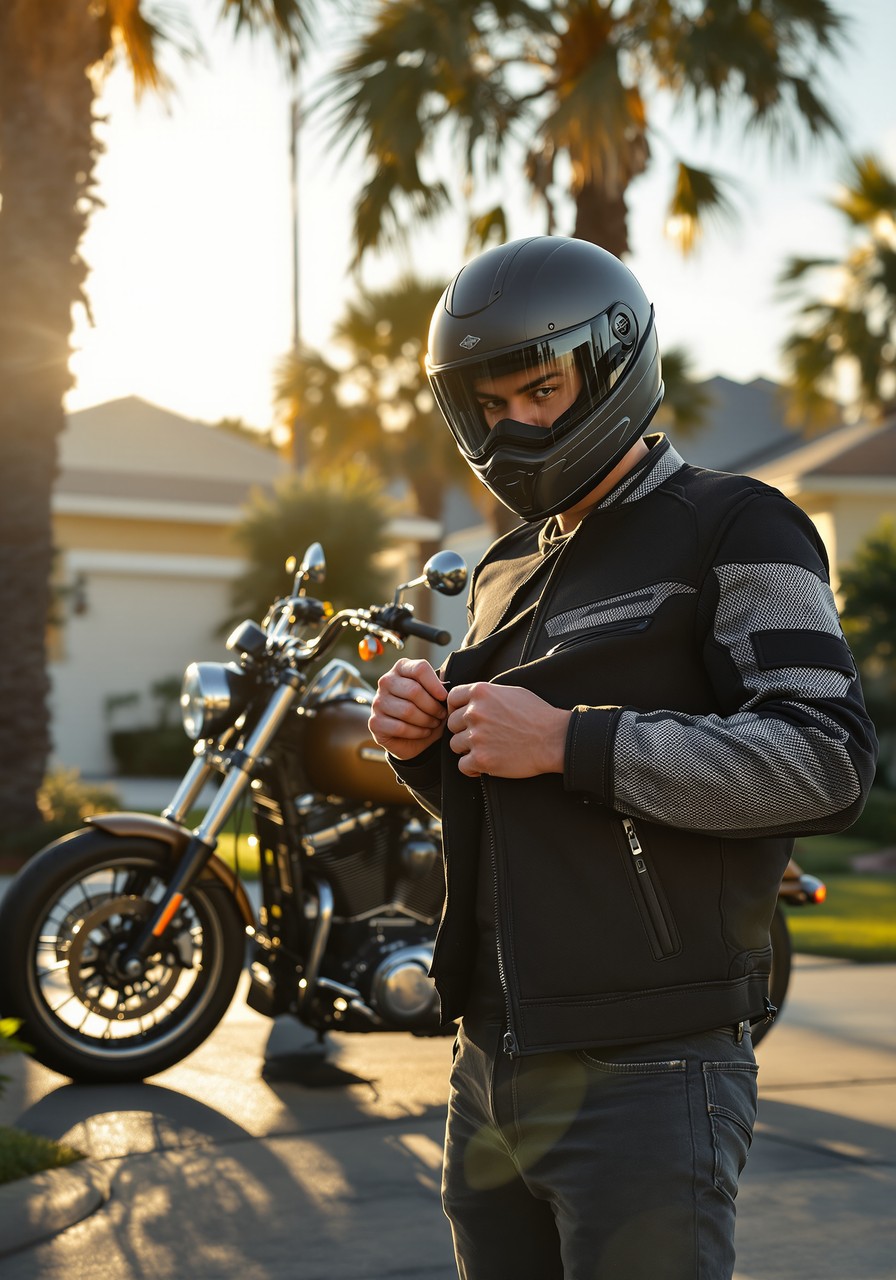
Gear & New Iron
Cold snap this week? Layer smart with a base, a windproof mid, and your regular jacket. Peel as the day warms. #RideNationPensacola #GearUp #Pensacola
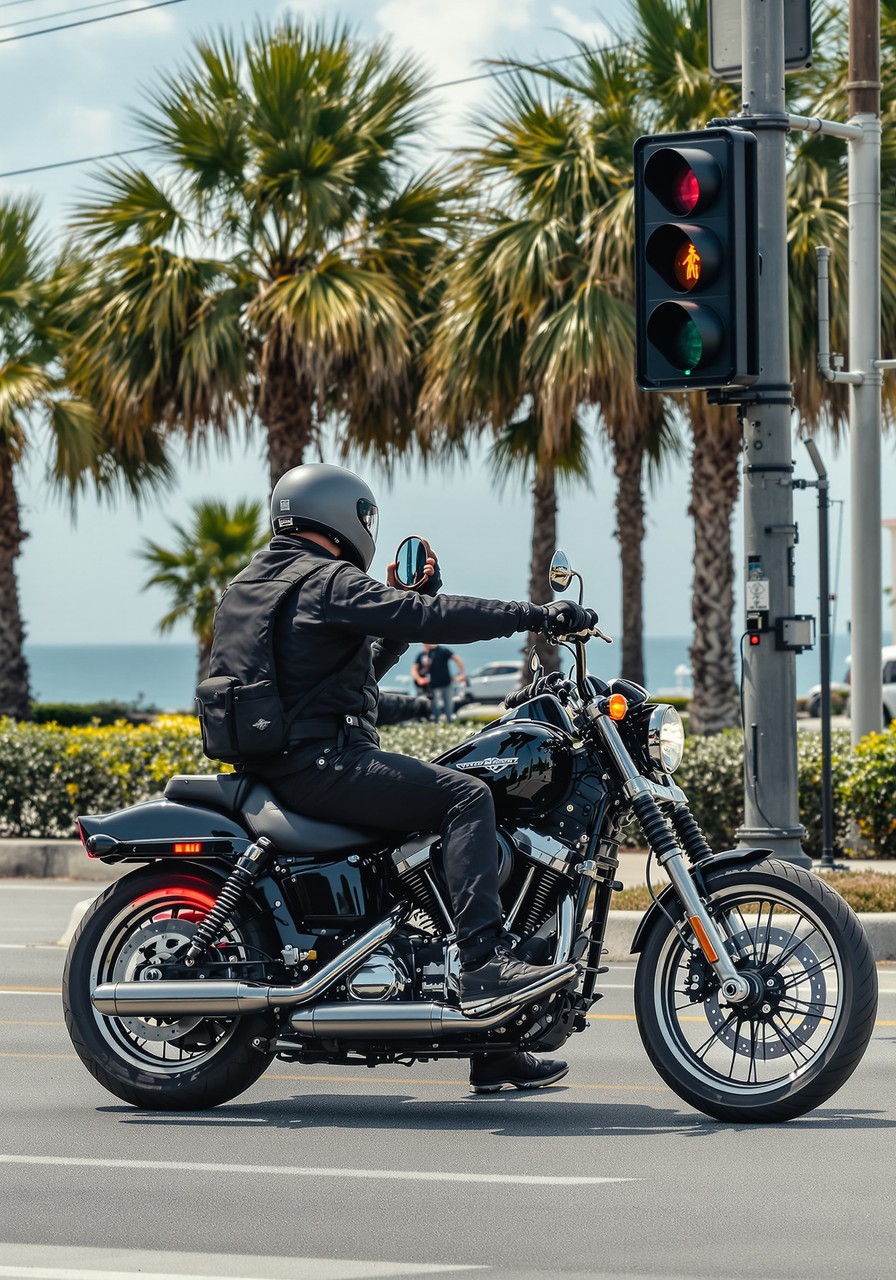
Safety & Florida Law
First rain after a dry spell floats oil to the surface and makes roads slick fast. Ease off the throttle and give yourself room. #RideNationPensacola #RideSafe #WetRoads
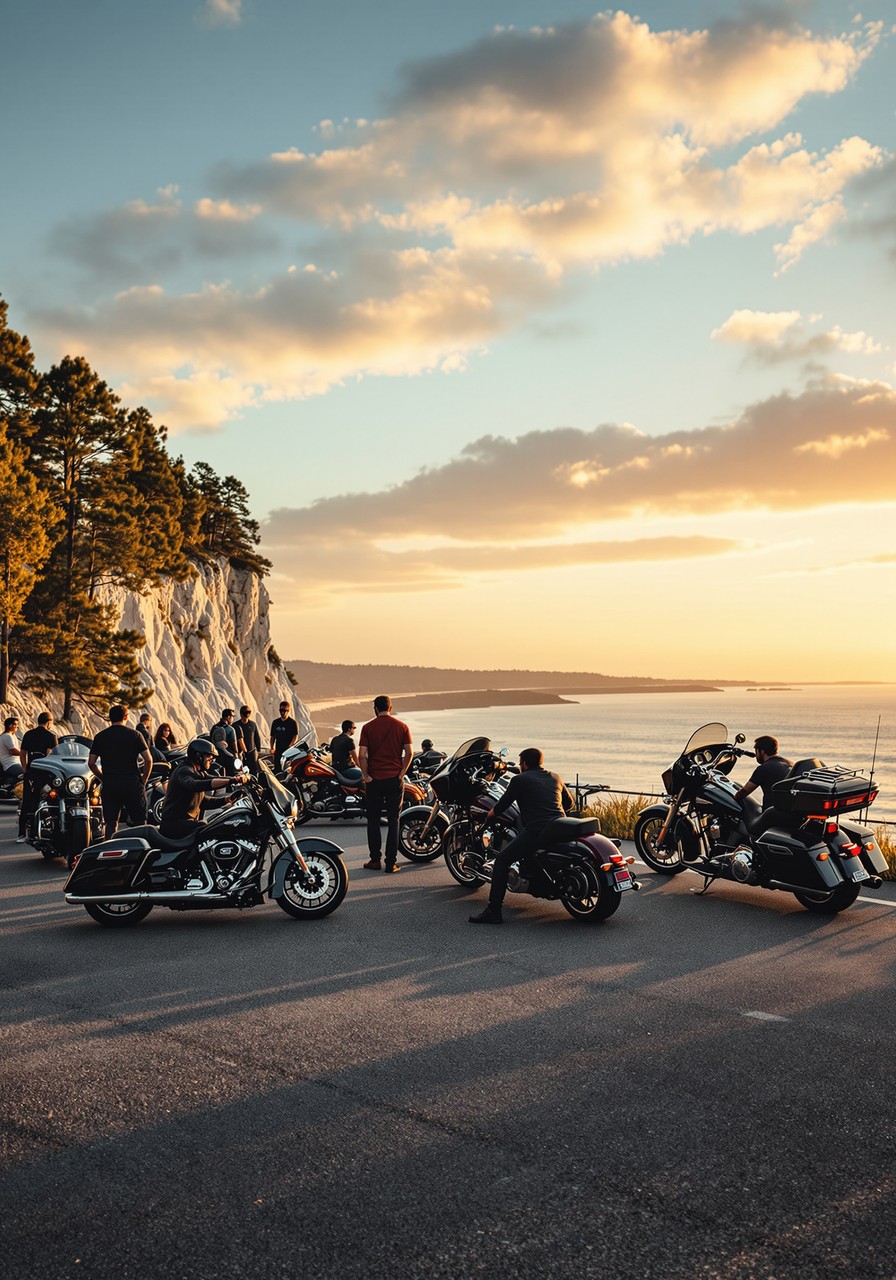
Engagement
This or that: sugar-white sand at noon, or a cool Gulf sunset on the way home? There's no wrong answer. #RideNationPensacola #PerdidoKey #GulfCoastRiders
Giveaway & Countdown
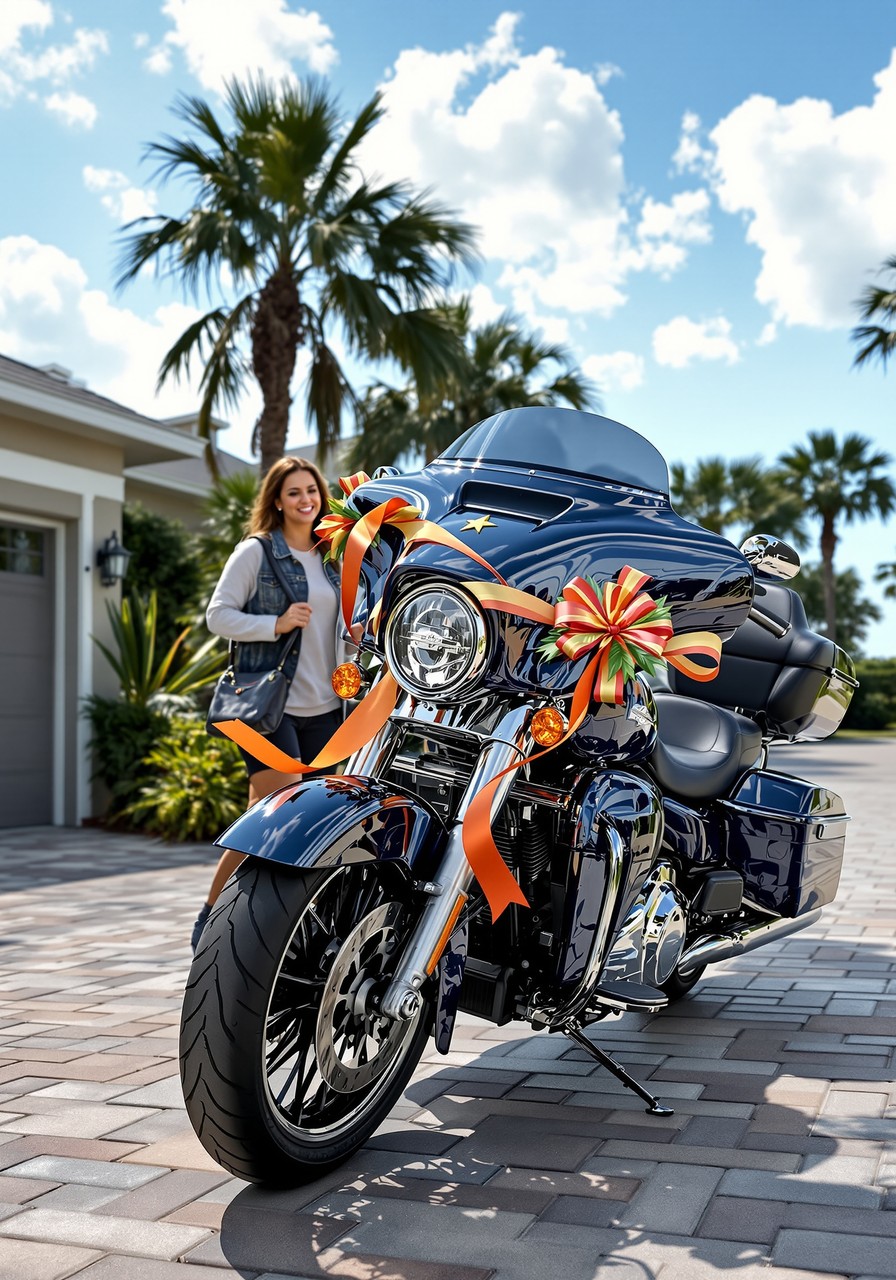
Tick tock, riders. December 10 comes fast and the BikersWin $20,000 giveaway is waiting. #RideNationPensacola #20kGiveaway
Local Pensacola & Rides
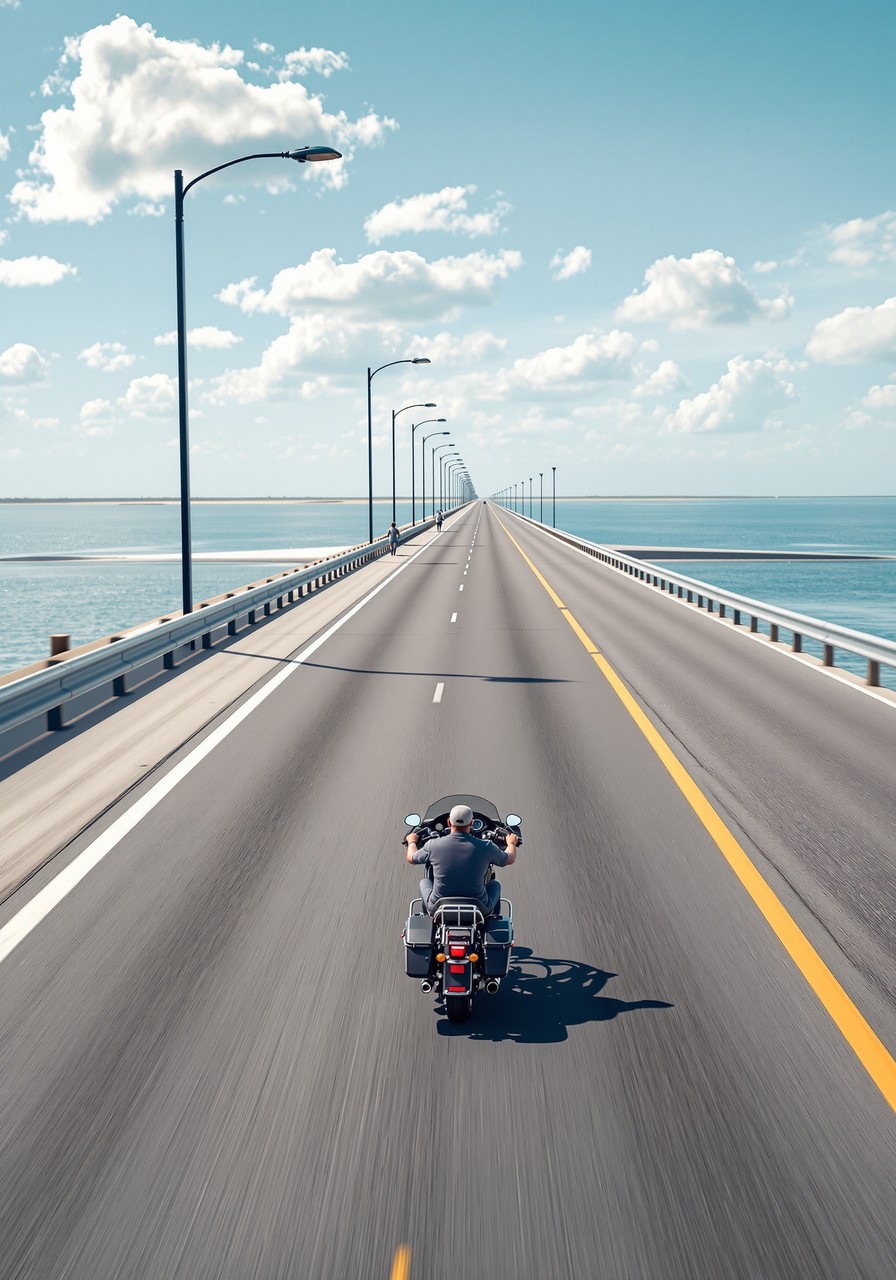
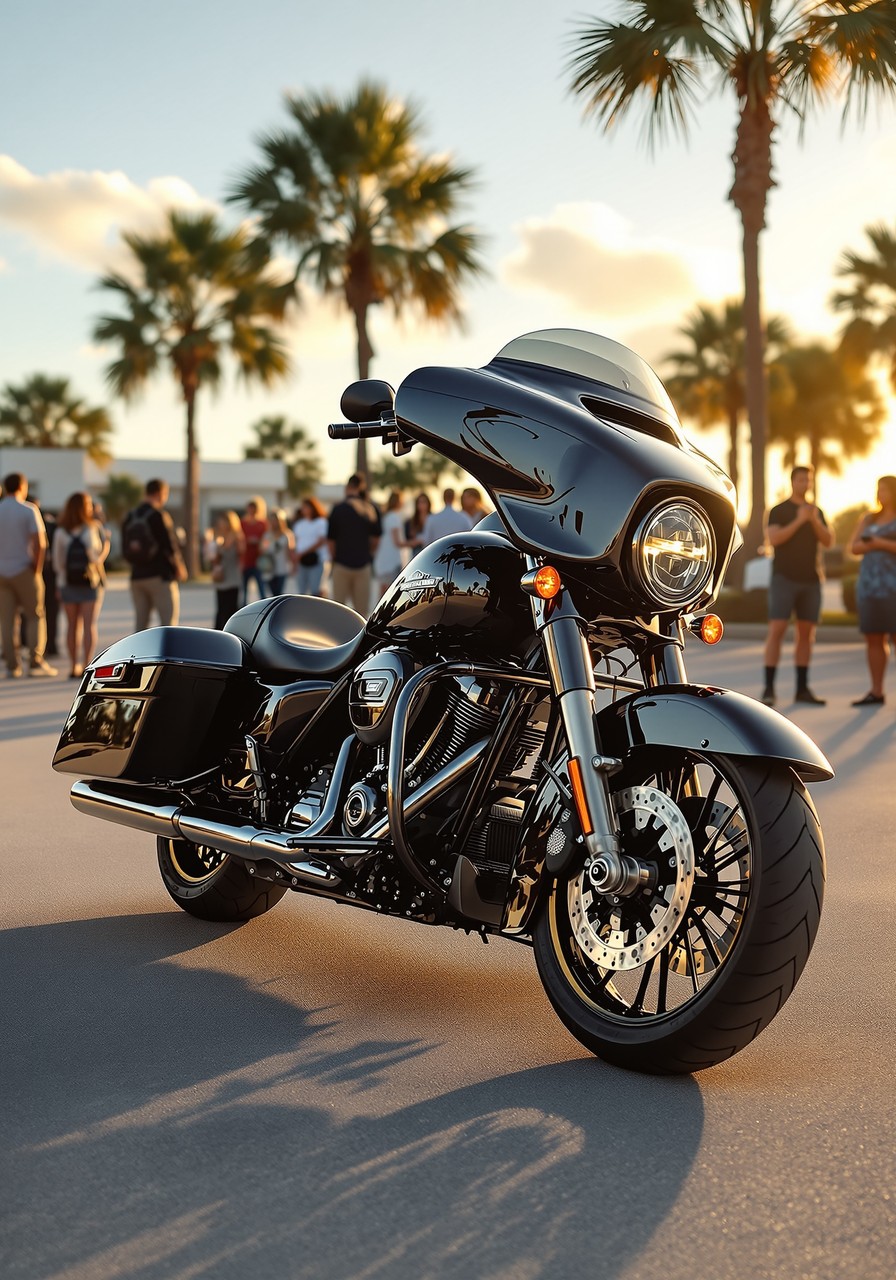
Coastal US-98 through Gulf Breeze is a ride you can do a hundred times and still love. Water views, palm shadows, and easy cruising. #RideNationPensacola #Navarre #GulfCoastRiders
Gear & New Iron
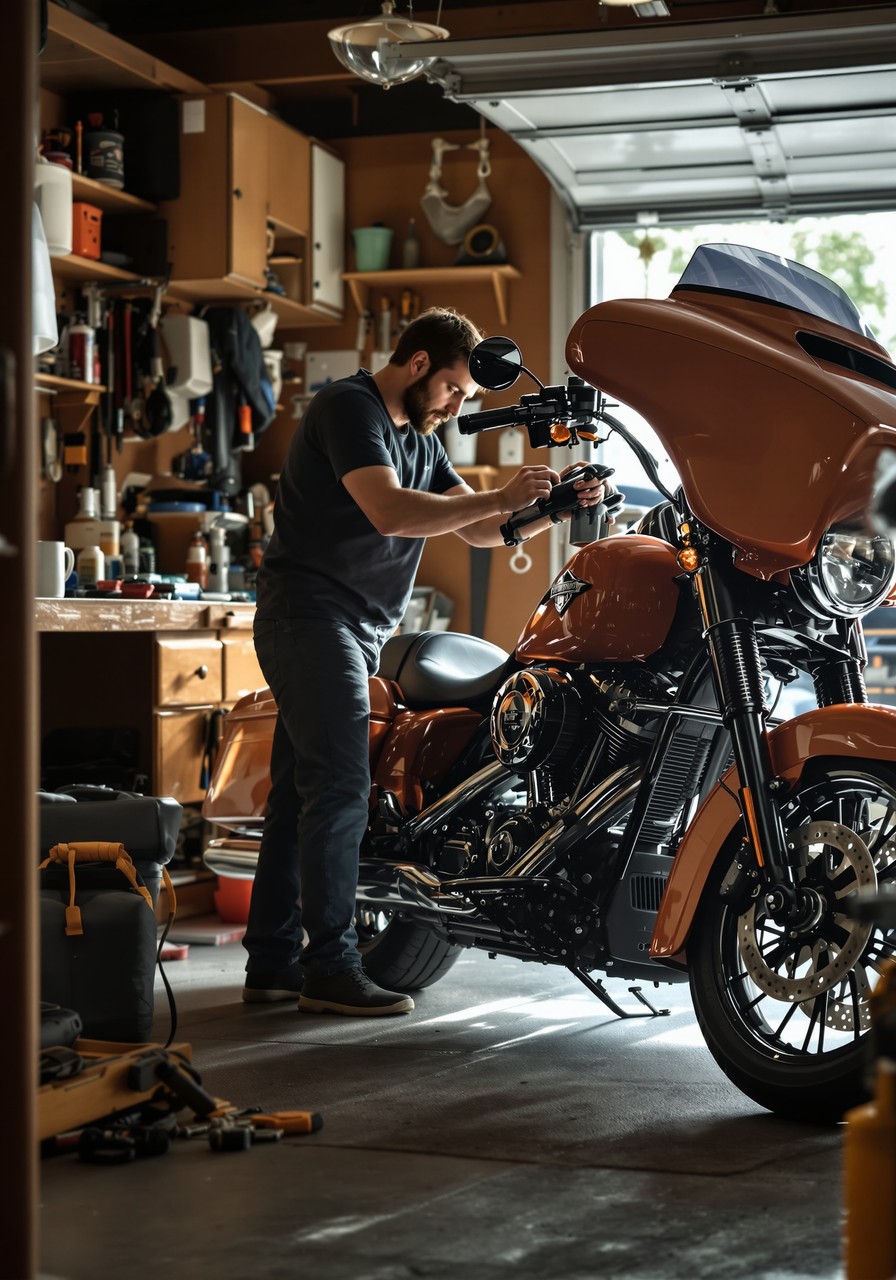
Fresh rubber changes everything. When the tread starts squaring off, treat yourself to new tires and feel the confidence come back. #RideNationPensacola #MotorcycleMaintenance #RideSafe
Safety & Florida Law
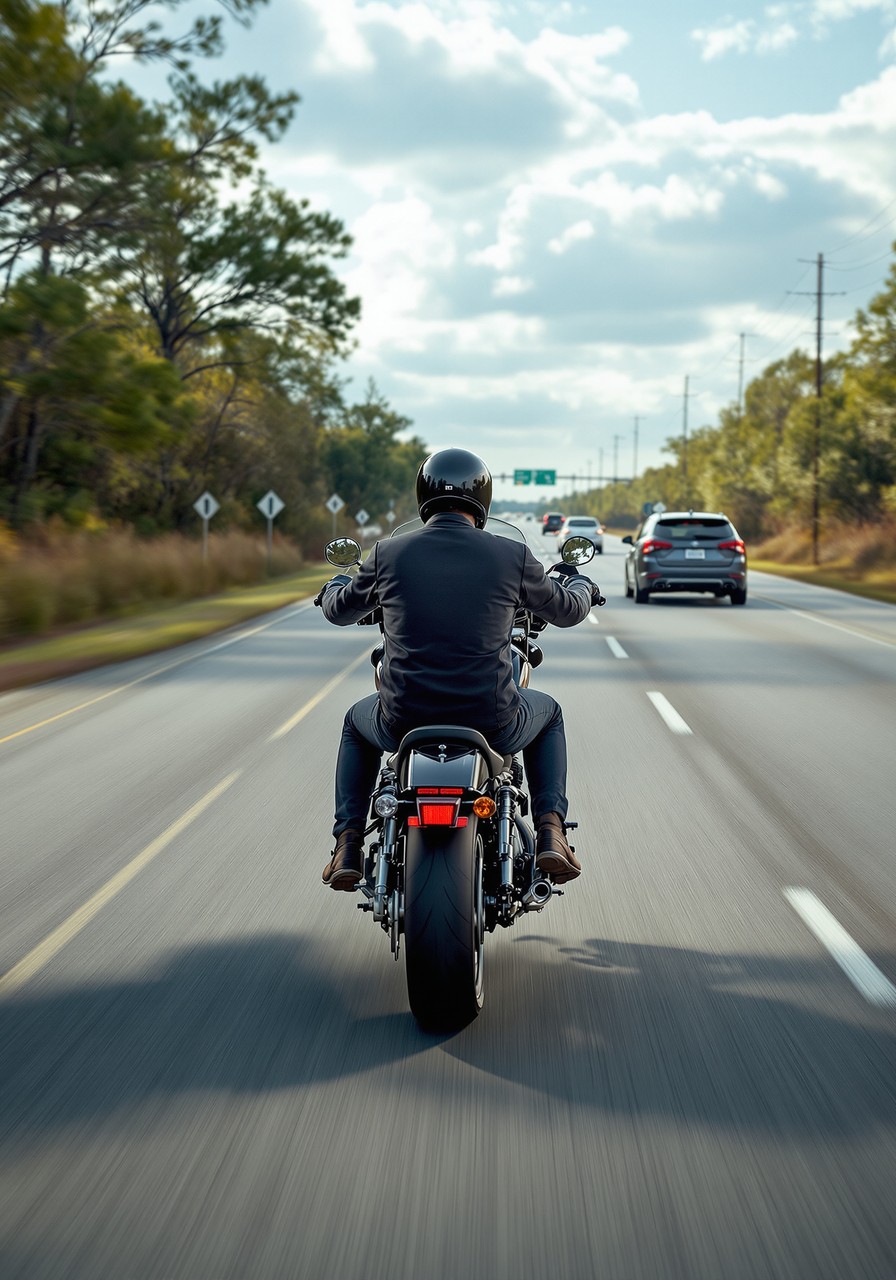
Quick reminder for Florida riders: lane splitting is illegal here. Keep your lane and keep your defense clean. Questions after a crash? Call Fasig Brooks at (850) 427-2722. #RideNationPensacola #FloridaLaw #RideSafe
Engagement
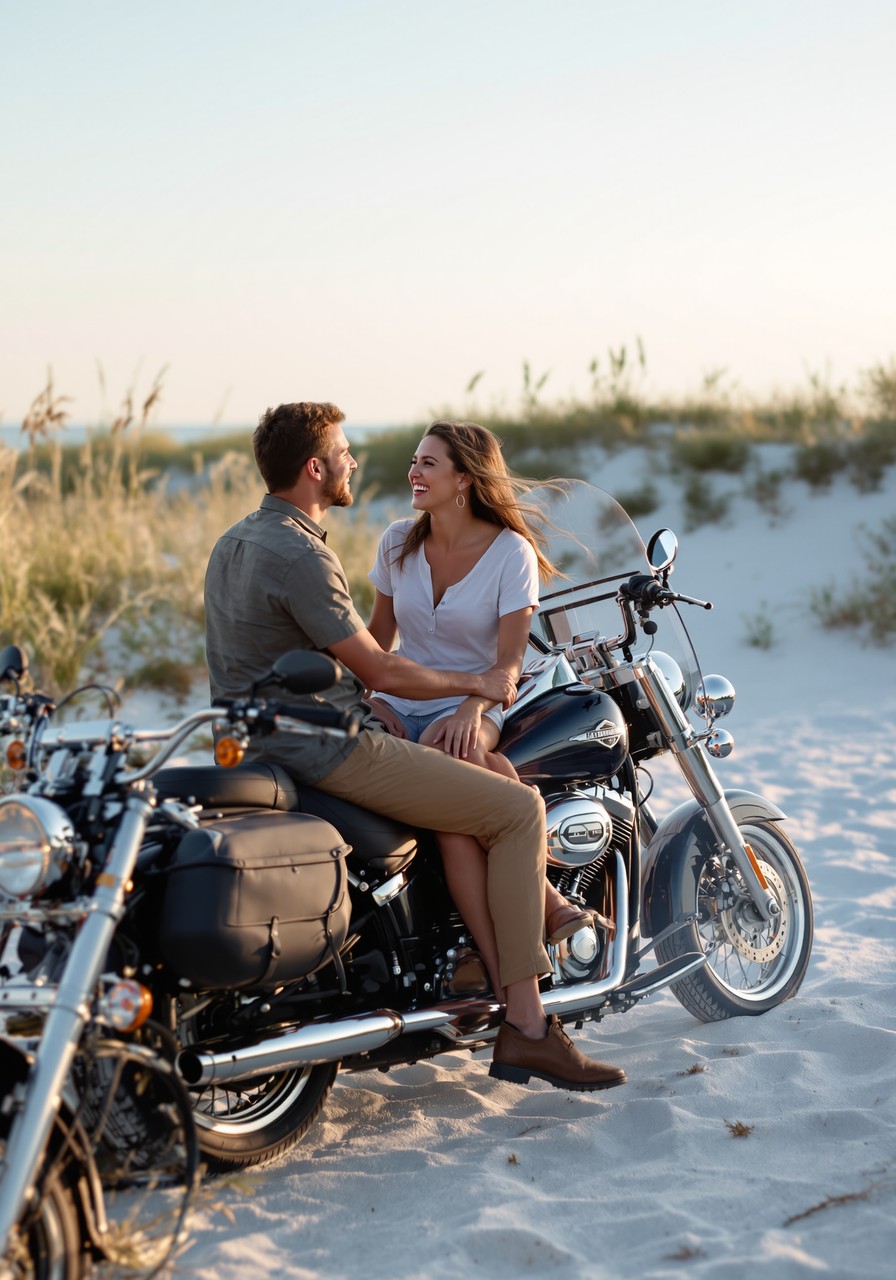
Caption this: first cup of coffee, keys in hand, morning fog still sitting on the bay. What's the mood in five words? #RideNationPensacola #Pensacola #GulfBreeze
Giveaway & Countdown
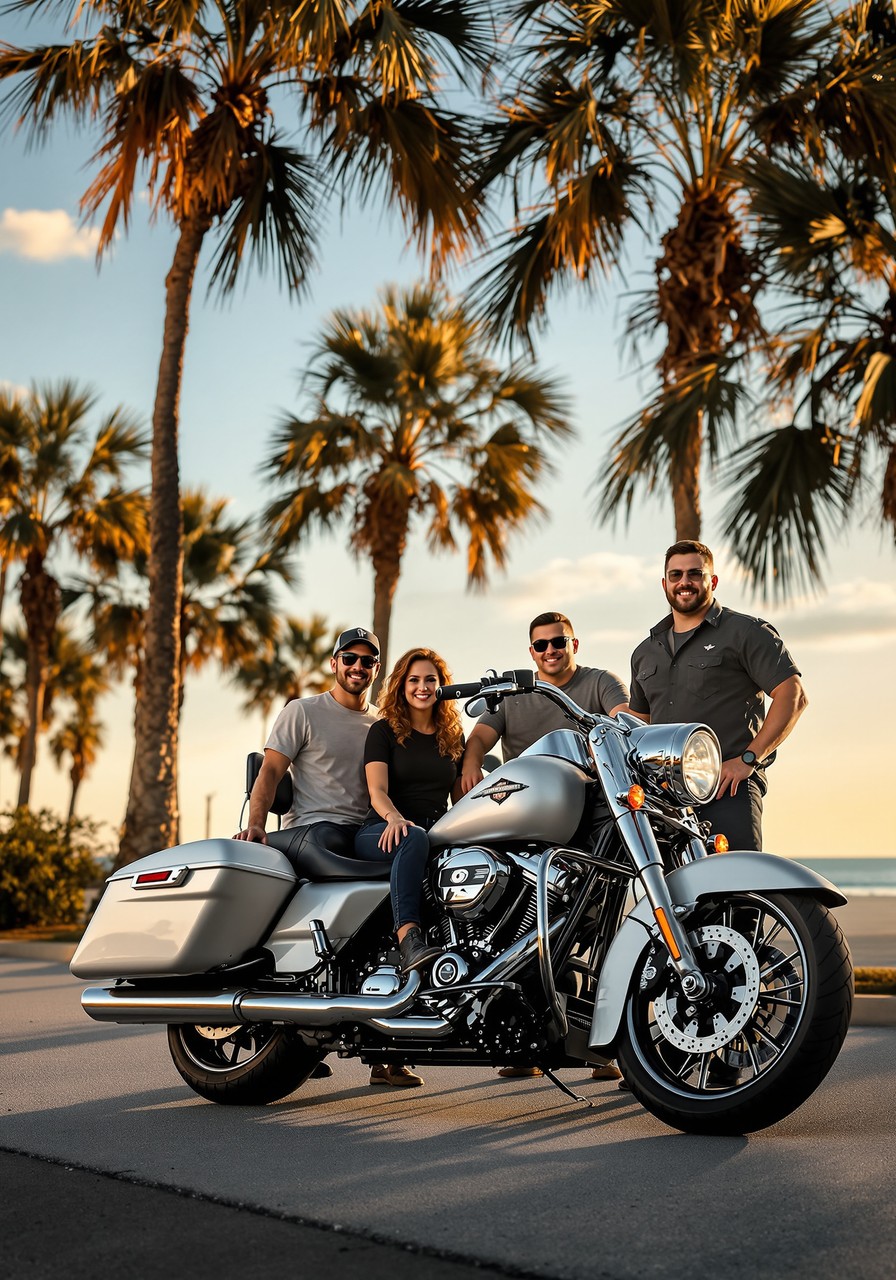
Every rider who talks to Fasig Brooks about a motorcycle crash gets entered for free. That is $20,000 worth of reasons to reach out. #RideNationPensacola #BikersWin #20kGiveaway
Local Pensacola & Rides
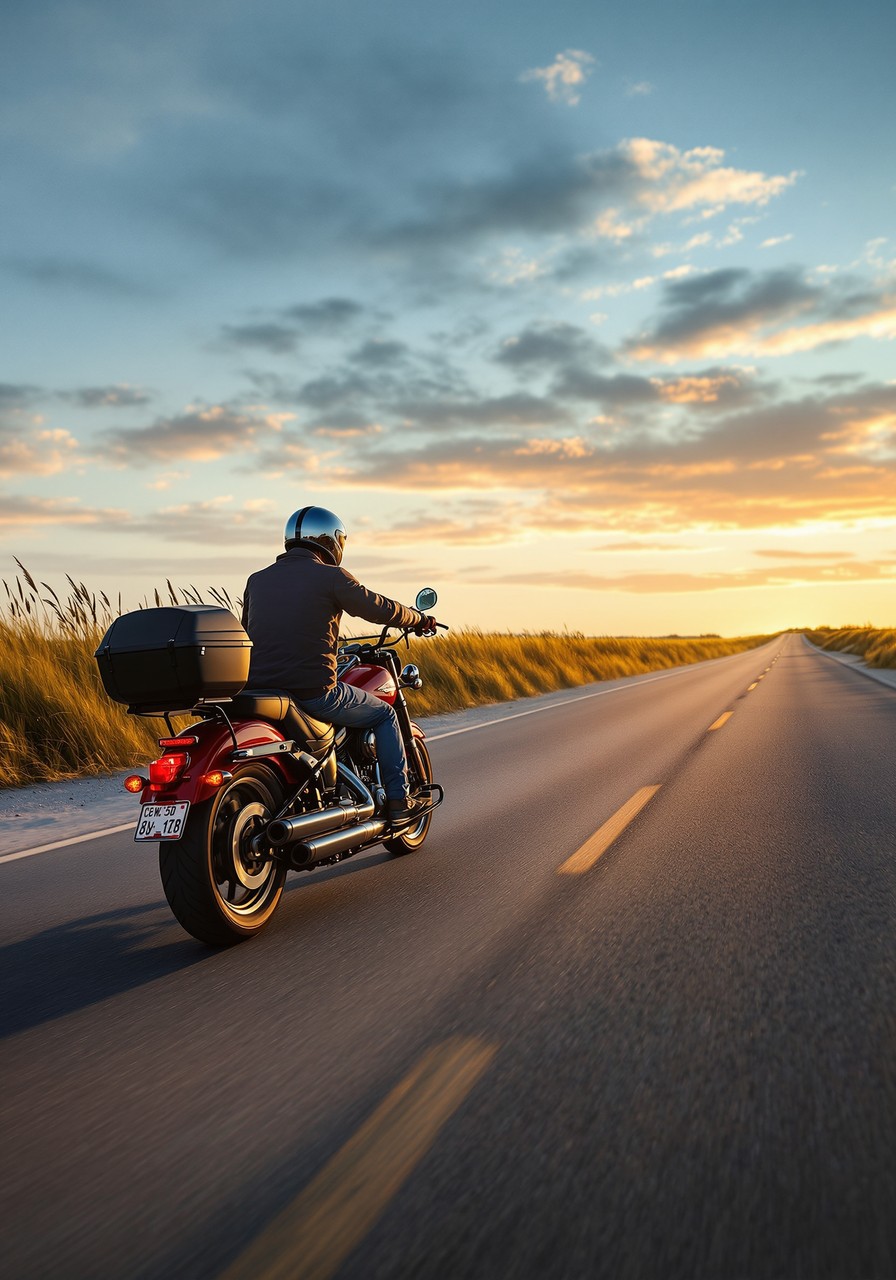
Watch for morning fog sitting low over Escambia Bay this time of year. Let it burn off, then the whole ride opens up. #RideNationPensacola #ScenicHighway #Pensacola
Gear & New Iron
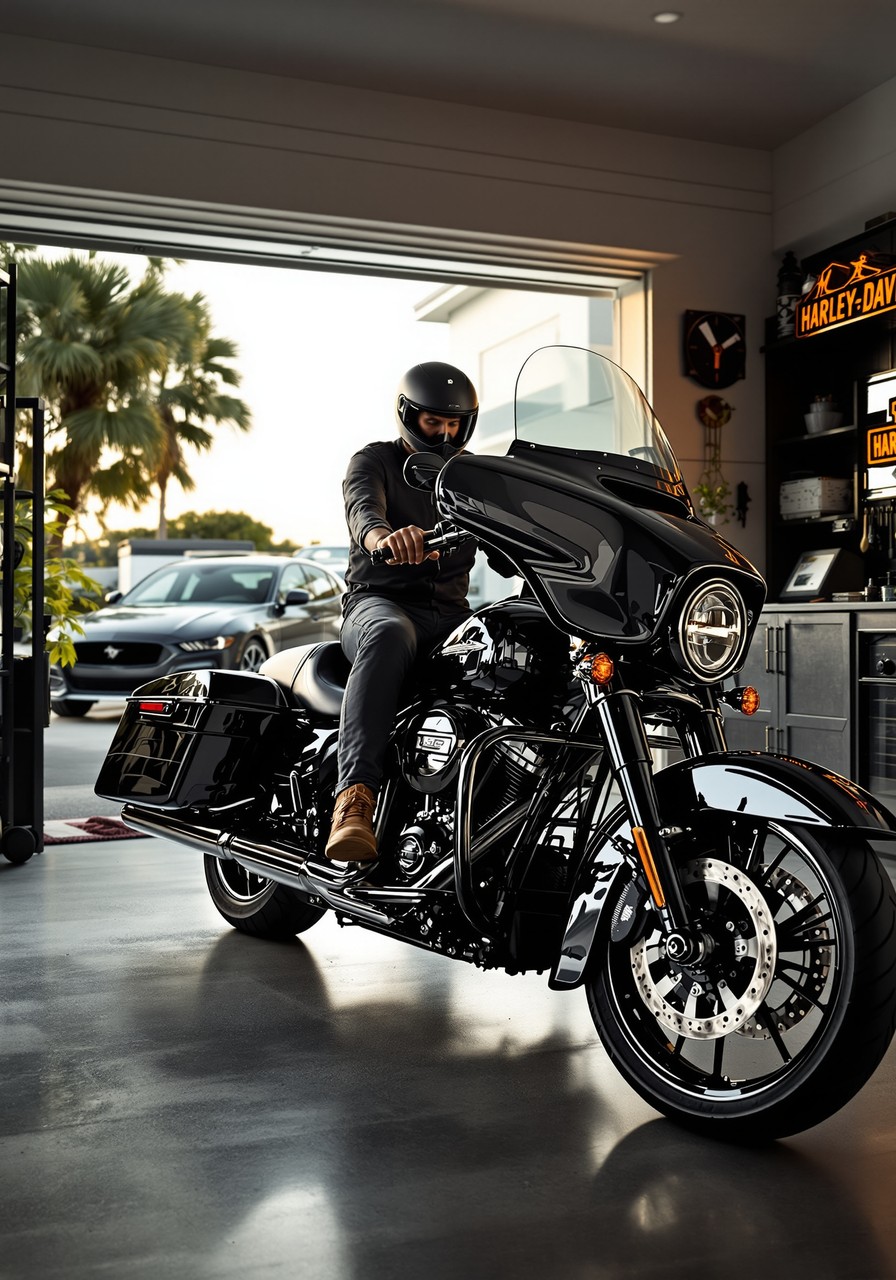
Bluetooth comms make group rides along the coast so much better. Music, directions, and chatter with your crew, hands stay on the bars. #RideNationPensacola #MotorcycleGear #GearUp
Safety & Florida Law
Blowing sand on our coastal roads hides grip and hides you. Slow through the drifts and keep a steady line. #RideNationPensacola #RideSafe #CoastalRiding
Engagement
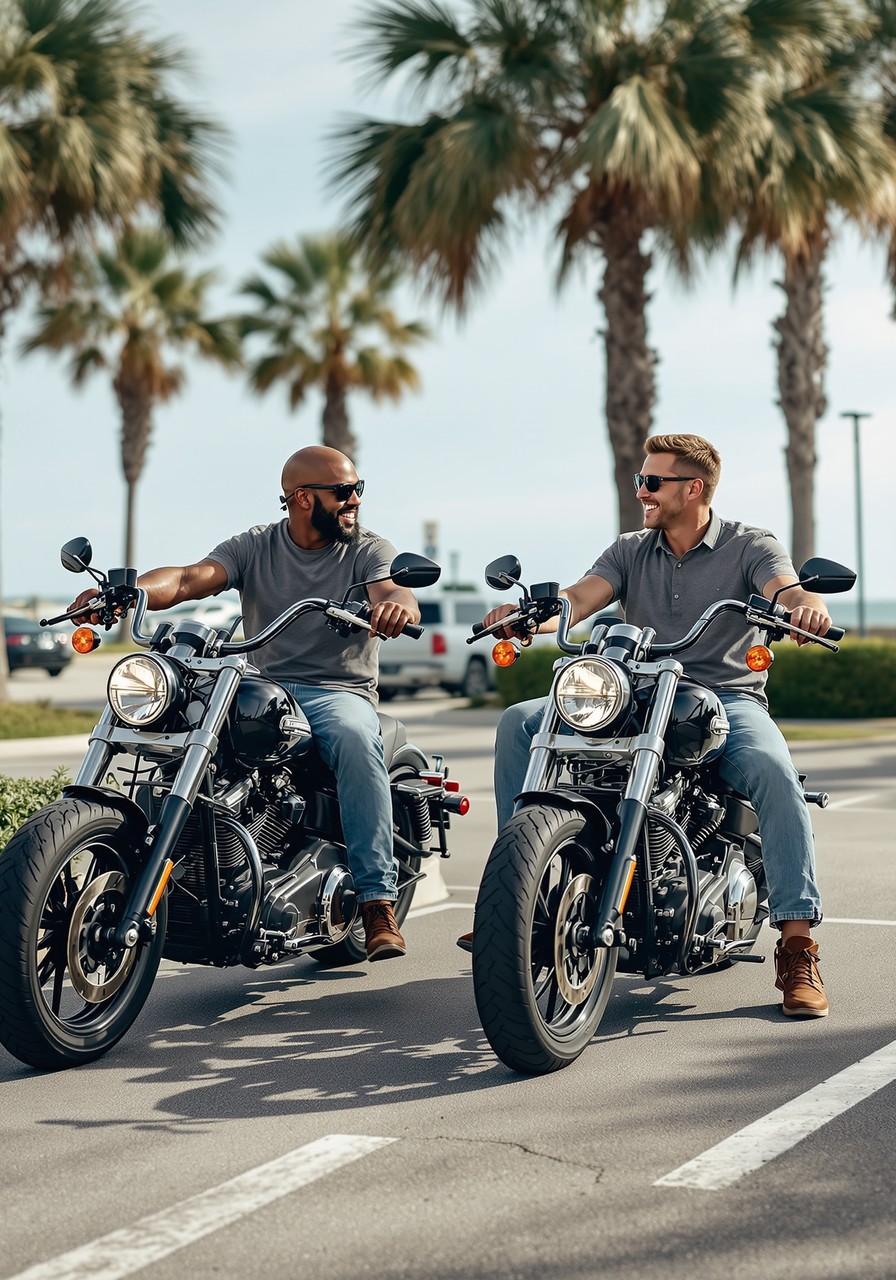
Fill in the blank: snowbird season means more ______ on the Gulf Breeze roads. Finish that sentence for us. #RideNationPensacola #GulfBreeze #850
Giveaway & Countdown
The excitement around the BikersWin giveaway is building all over Pensacola. Twenty thousand dollars, drawn December 10. #RideNationPensacola #20kGiveaway
Local Pensacola & Rides
Big Lagoon is an underrated pit stop. Calm water, marsh views, and a peaceful place to stretch your legs before heading back through Perdido. #RideNationPensacola #PerdidoKey #GulfCoastRiders
Gear & New Iron
Armored mesh pants finish the kit most riders skip. Hips and knees deserve the same respect as everything else. #RideNationPensacola #ATGATT #RideSafe
Safety & Florida Law
After a crash the basics protect you: photos, witness names, a police report, and a doctor visit even if you feel fine. Need to talk it through? Call Fasig Brooks at (850) 427-2722. #RideNationPensacola #RideSafe #AfterACrash
Engagement
Tag the friend who's always first to suggest a Perdido Key run the second it hits 70 degrees. #RideNationPensacola #PerdidoKey #GulfCoastRiders
Giveaway & Countdown
Entry is free and the prize is huge. Call Fasig Brooks at (850) 427-2722 to learn how the $20,000 giveaway works. #RideNationPensacola #BikersWin
Local Pensacola & Rides
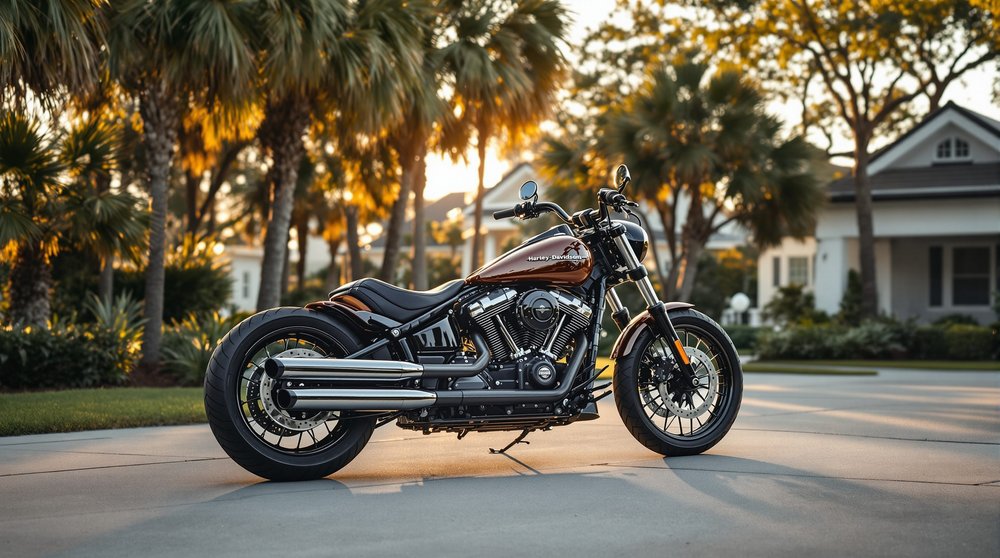
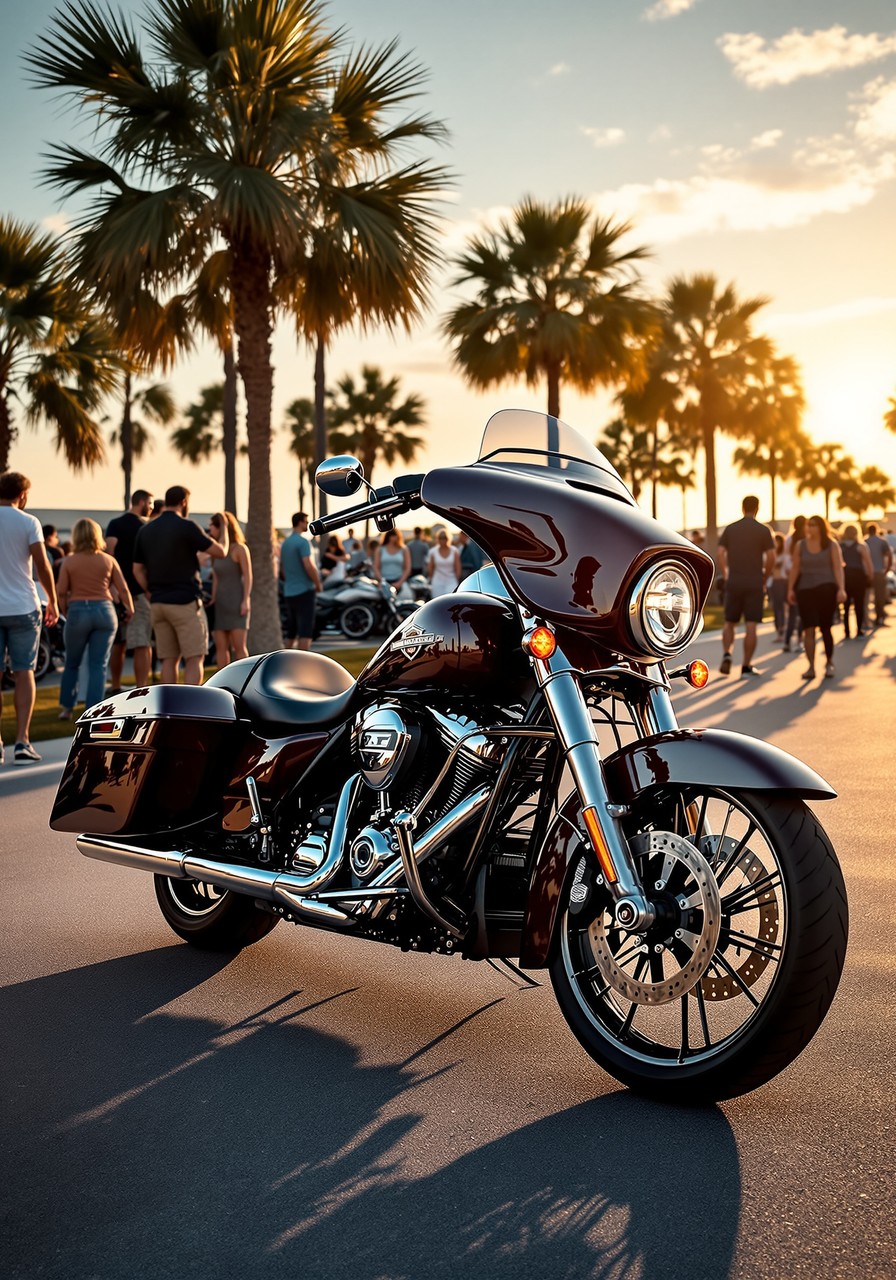
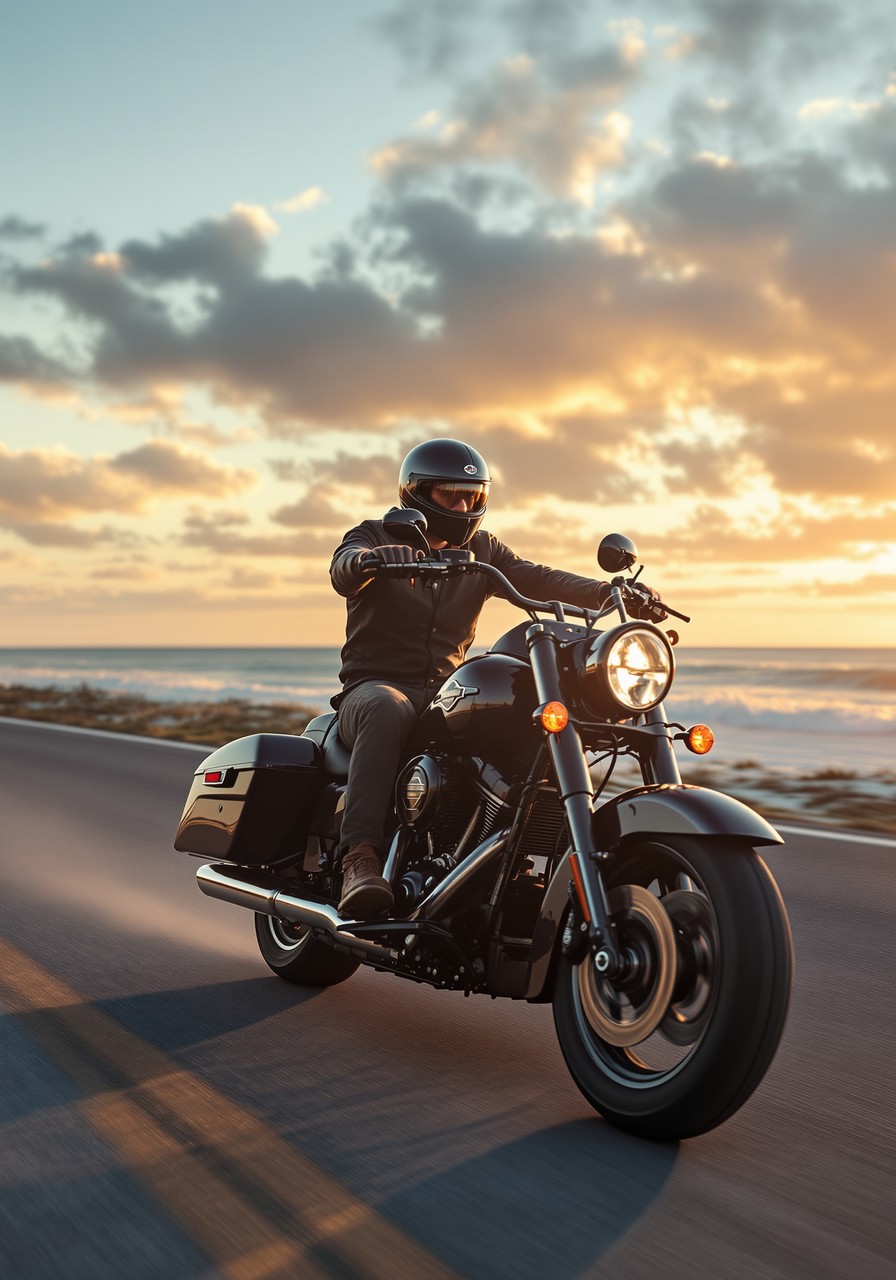
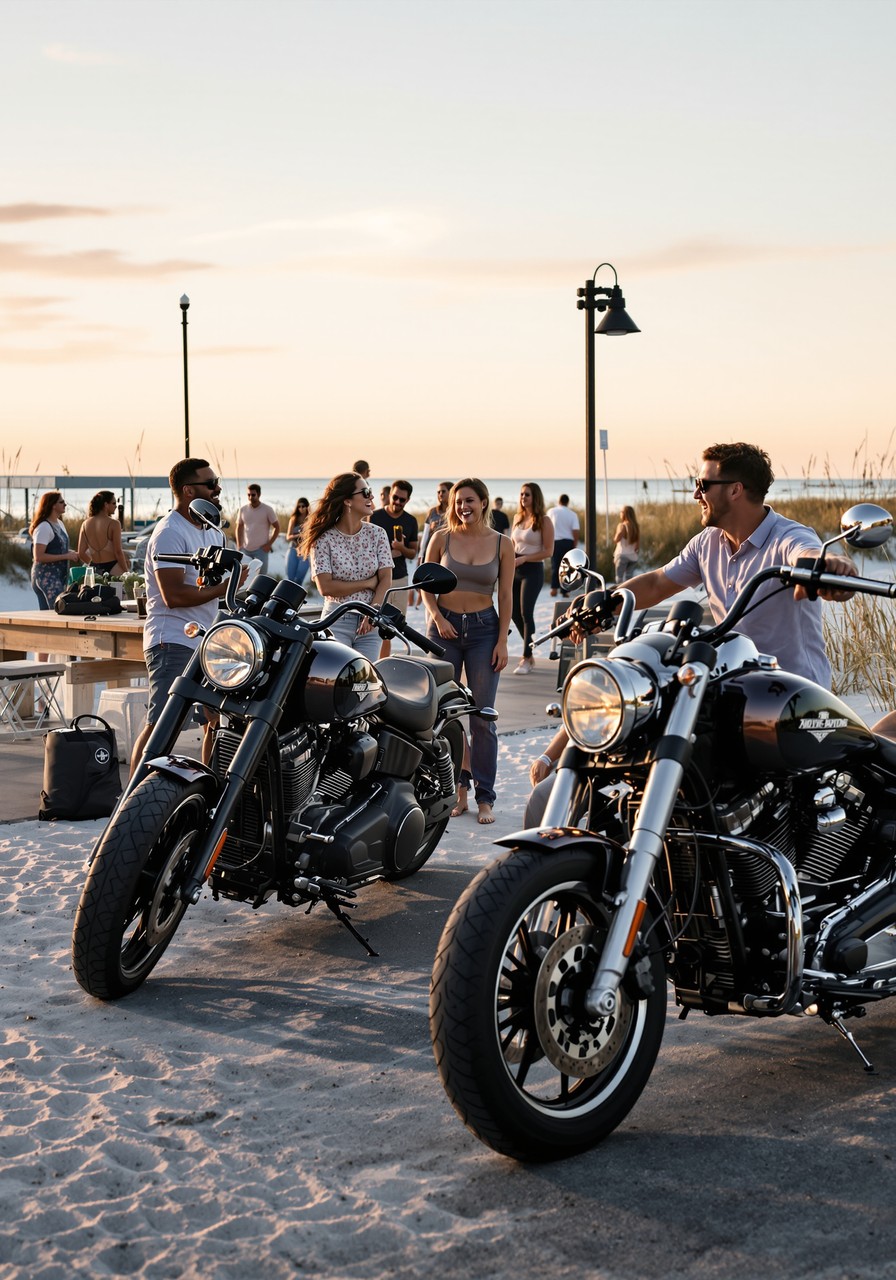
Nothing beats a Gulf sunset from Pensacola Beach after a full day in the saddle. Kickstands down, helmets off, sky on fire. #RideNationPensacola #PensacolaBeach #GulfCoastRiders
Gear & New Iron
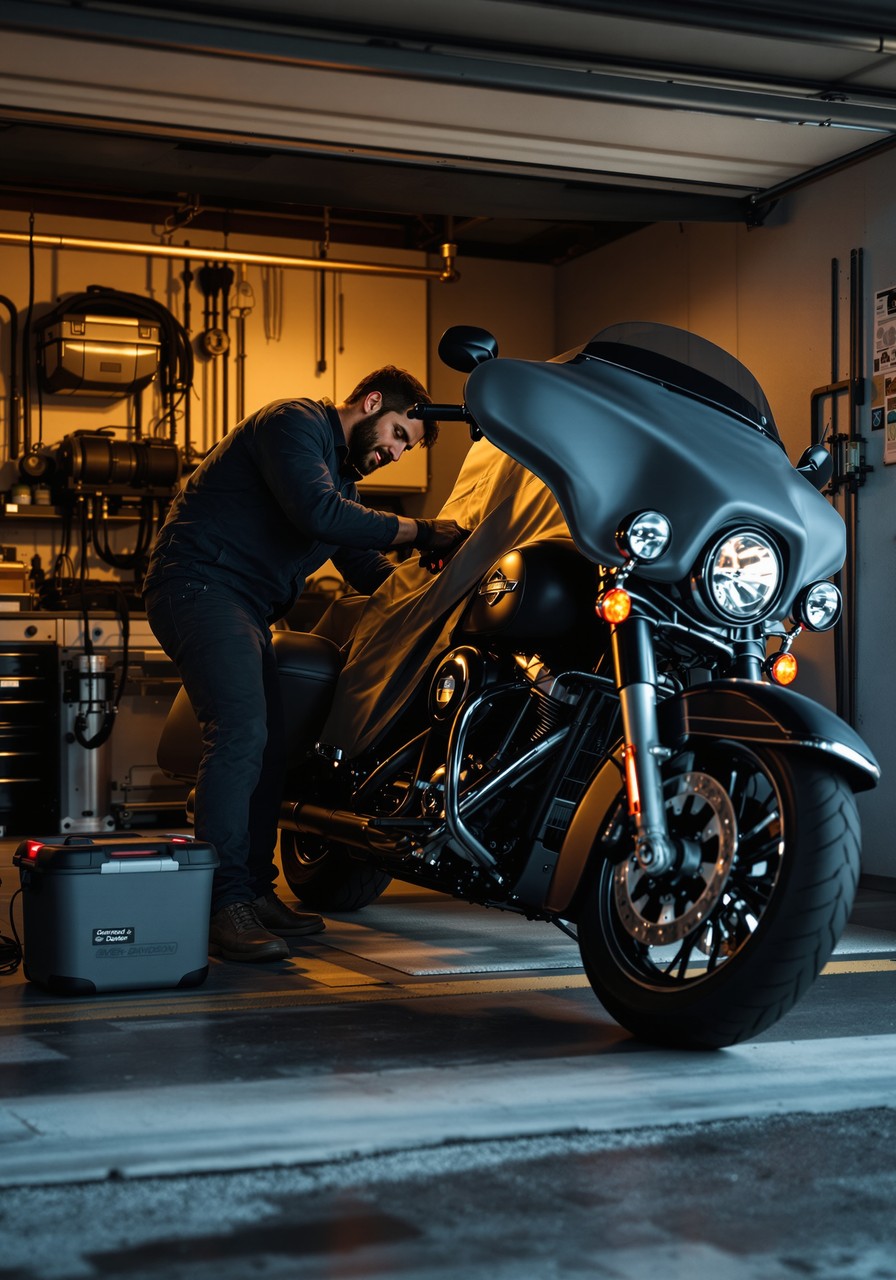
Humidity loves your unprotected metal. A quick spray of corrosion inhibitor after a wet ride keeps your bike looking new. #RideNationPensacola #MotorcycleMaintenance #GulfCoastRiders
Safety & Florida Law
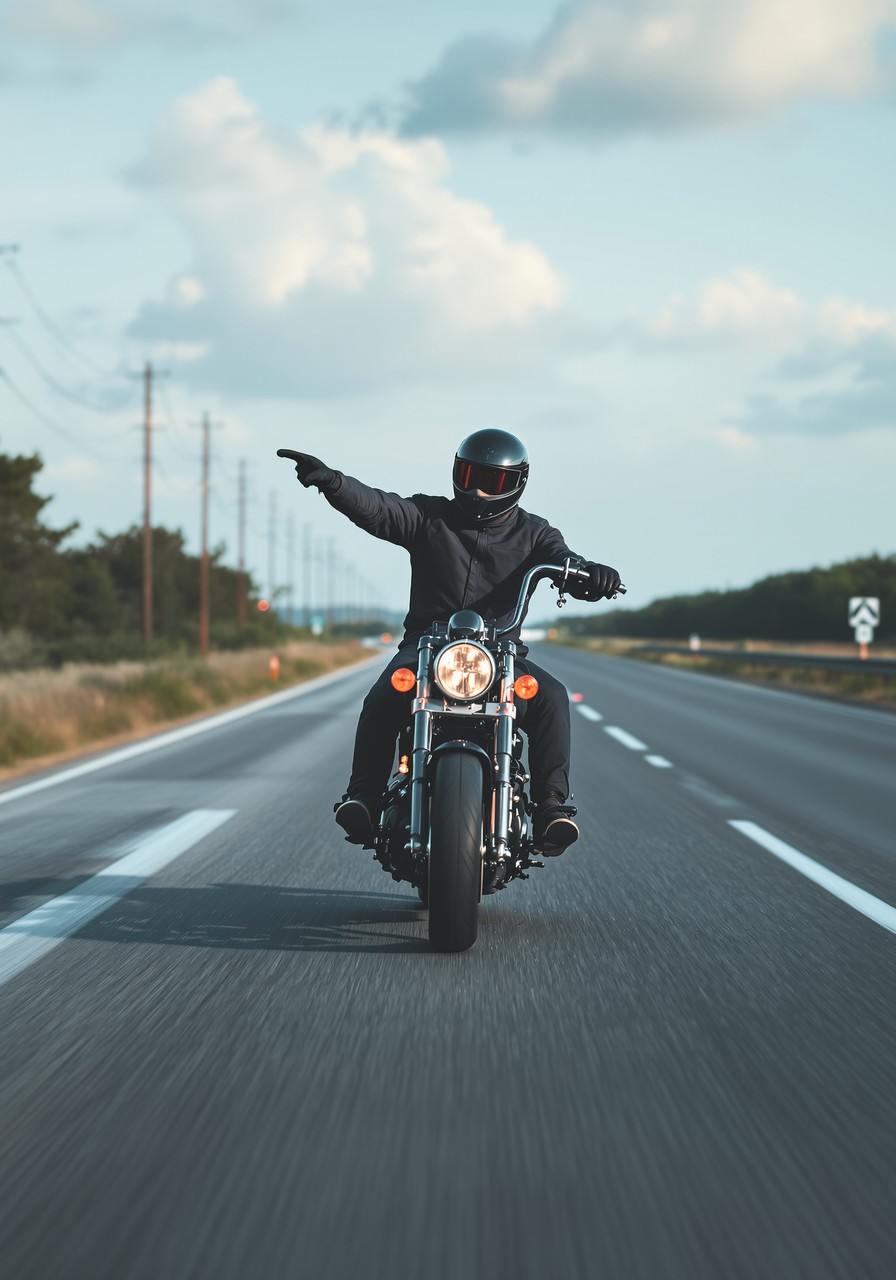
Night riding is all about being seen. Reflective gear, a clean visor, and staying out of blind spots do the heavy lifting. #RideNationPensacola #RideSafe #NightRiding
Engagement
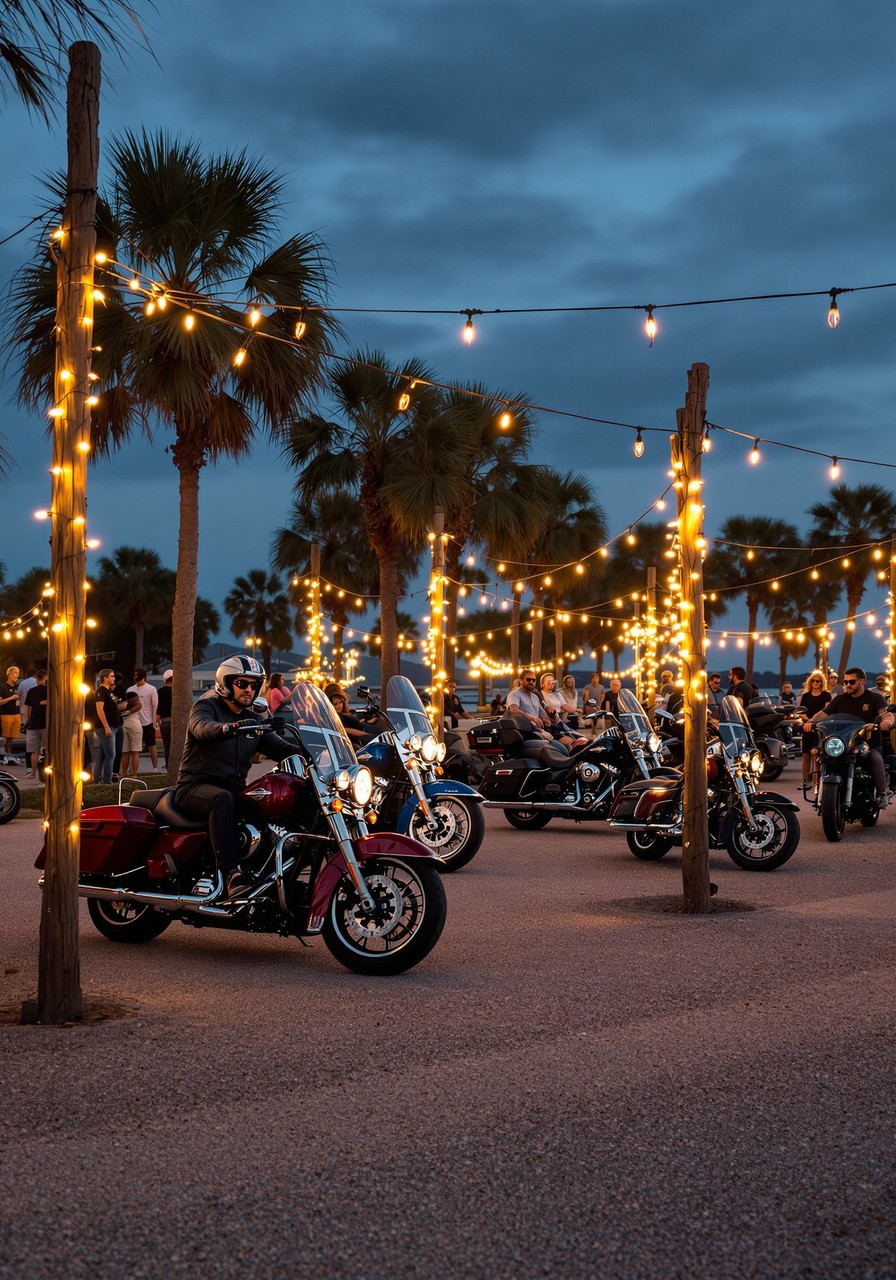
Rider confession: raise a hand if you've circled back over the Bob Sikes Bridge just for a second look at the water. #RideNationPensacola #PensacolaBeach #850
Giveaway & Countdown
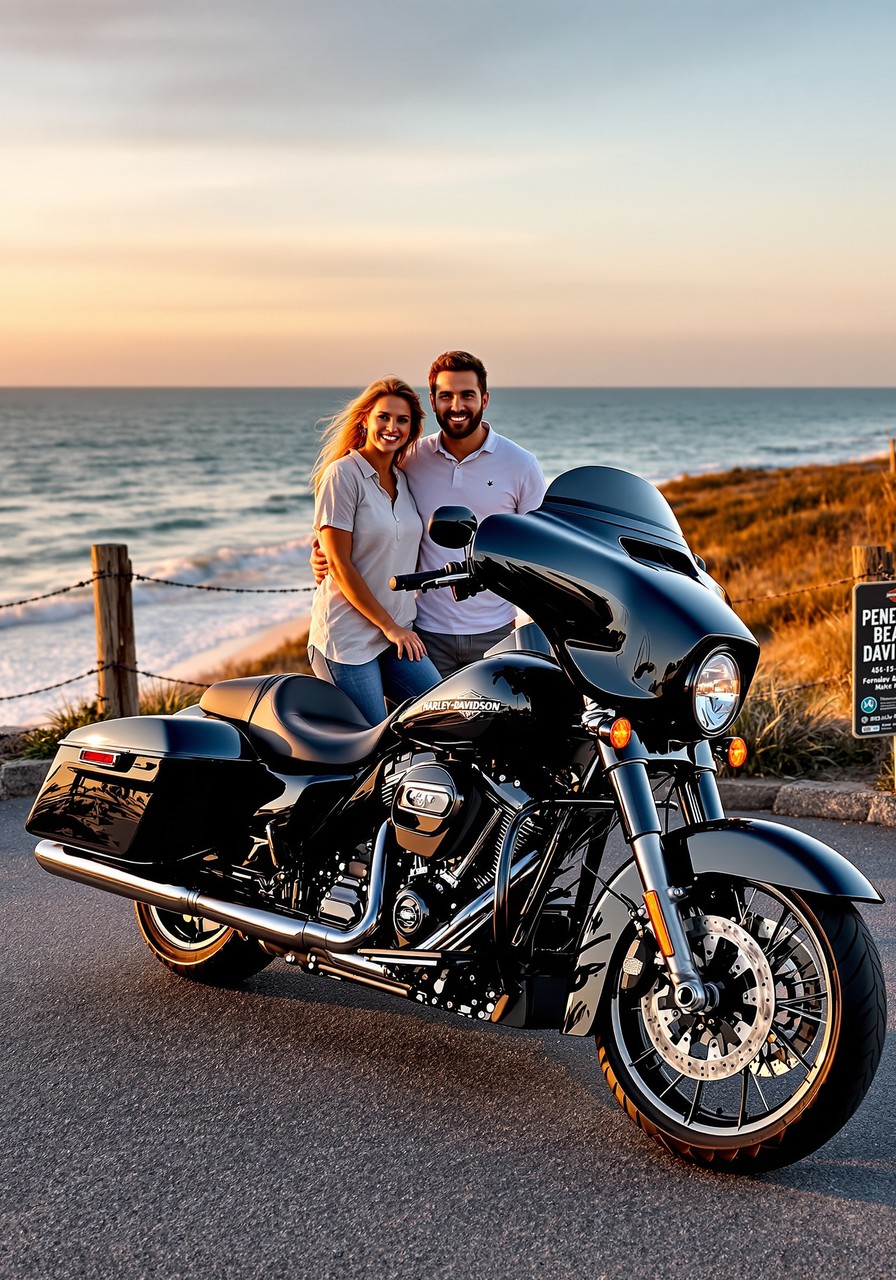
Reminder for the RideNation crew. The $20,000 motorcycle giveaway drawing is December 10, so do not sleep on it. #RideNationPensacola #20kGiveaway
Local Pensacola & Rides
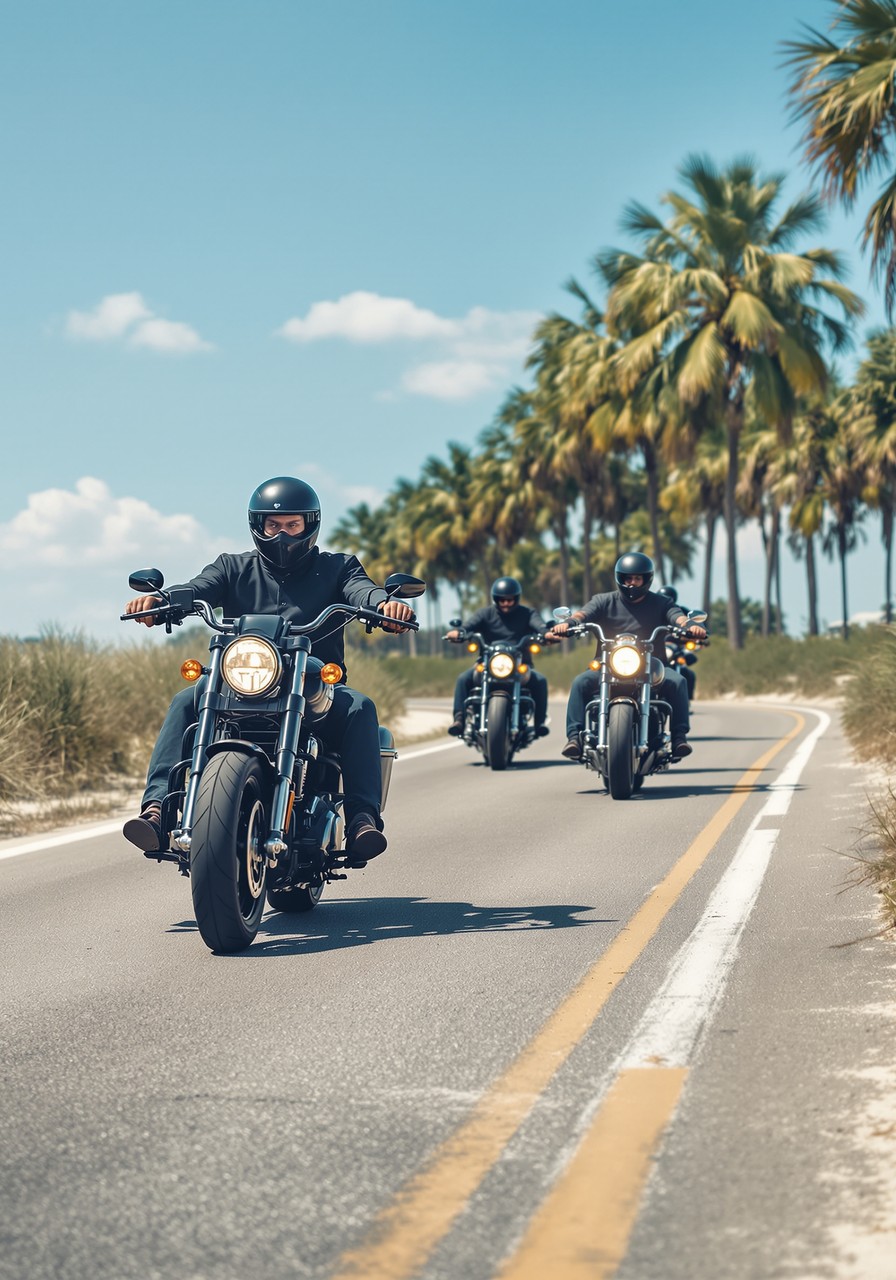
Milton and the Blackwater Heritage Trail area make for a mellow half-day loop. Small-town charm with the forest right next door. #RideNationPensacola #Milton #GulfCoastRiders
Gear & New Iron
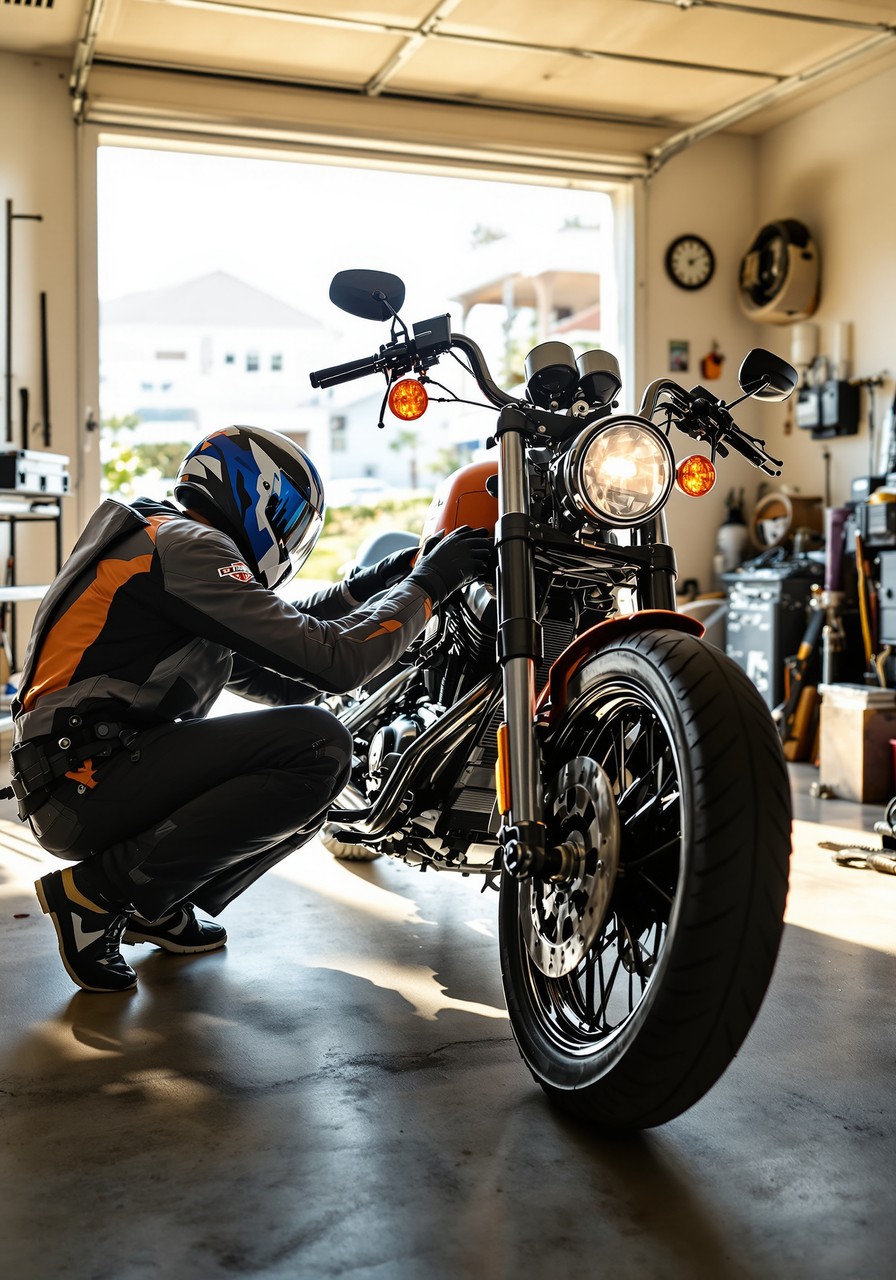
New model just dropped and the specs are wild. Nothing beats that first-look excitement in the dealership. Who is upgrading this year? #RideNationPensacola #NewIron #GearUp
Safety & Florida Law
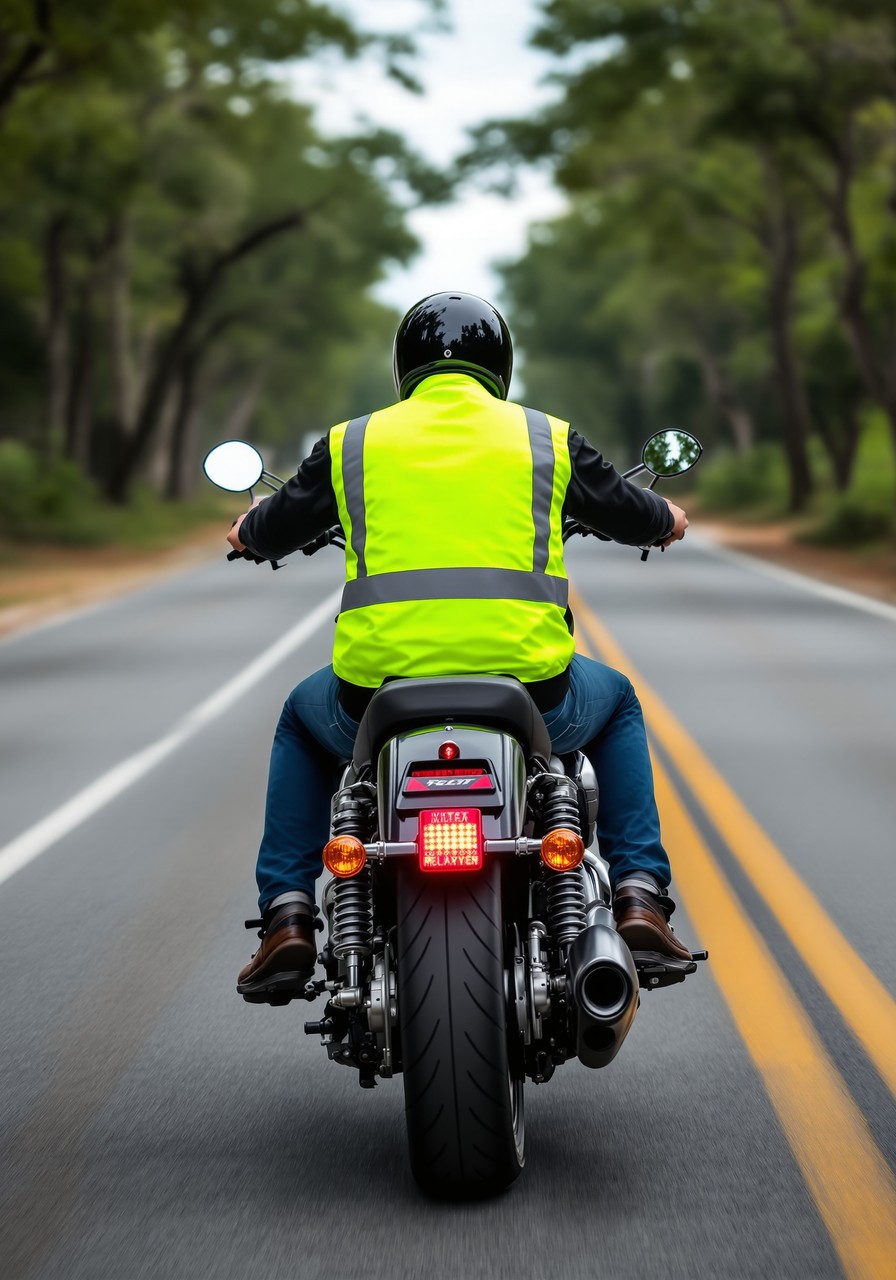
Because Florida PIP does not cover motorcycles, a hurt rider leans on health insurance, MedPay, and UM/UIM instead. Check your policy before you need it. Questions? Call Fasig Brooks at (850) 427-2722. #RideNationPensacola #FloridaLaw #RideSafe
Engagement
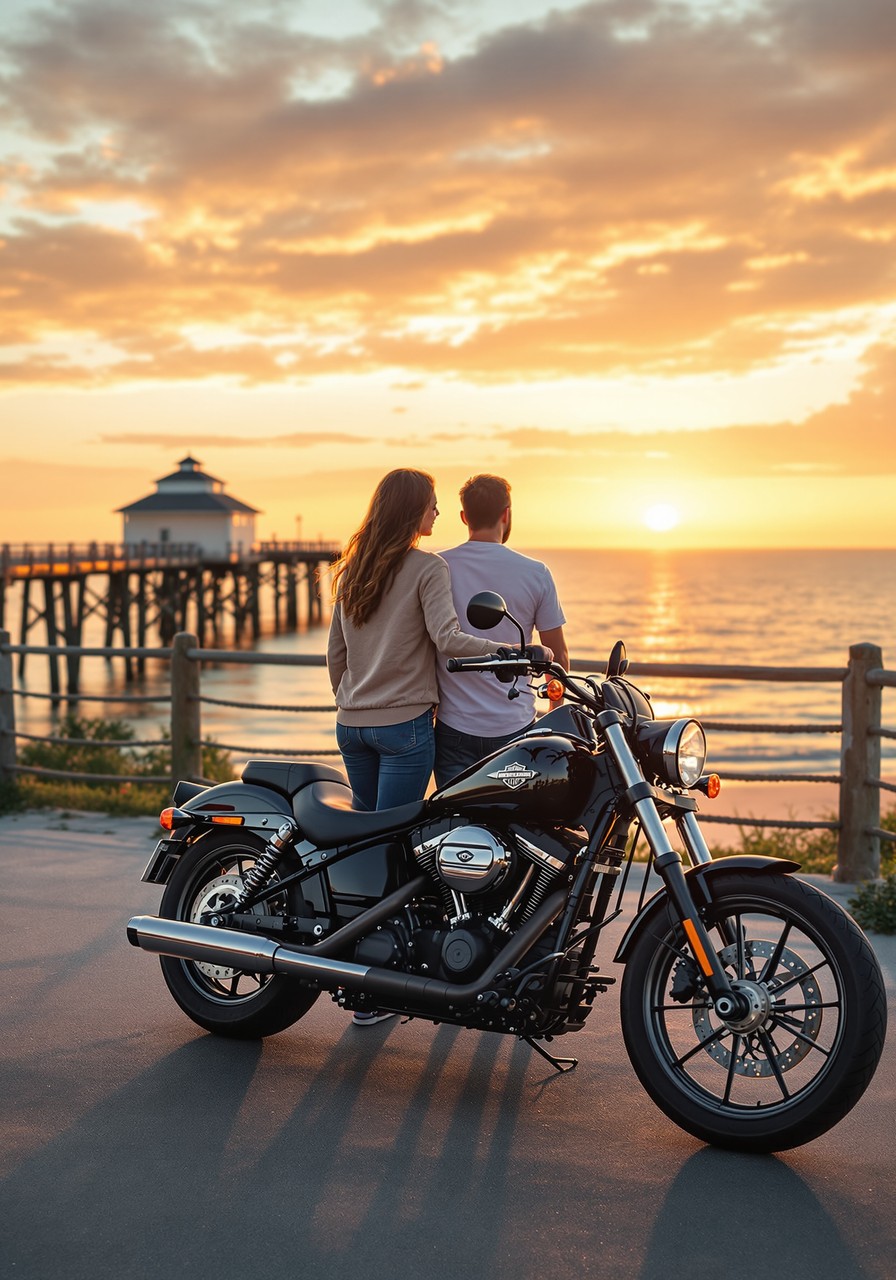
Poll: the best time to ride Navarre is A) sunrise B) golden hour C) any hour with two wheels under you. #RideNationPensacola #Navarre #GulfCoastRiders
Giveaway & Countdown
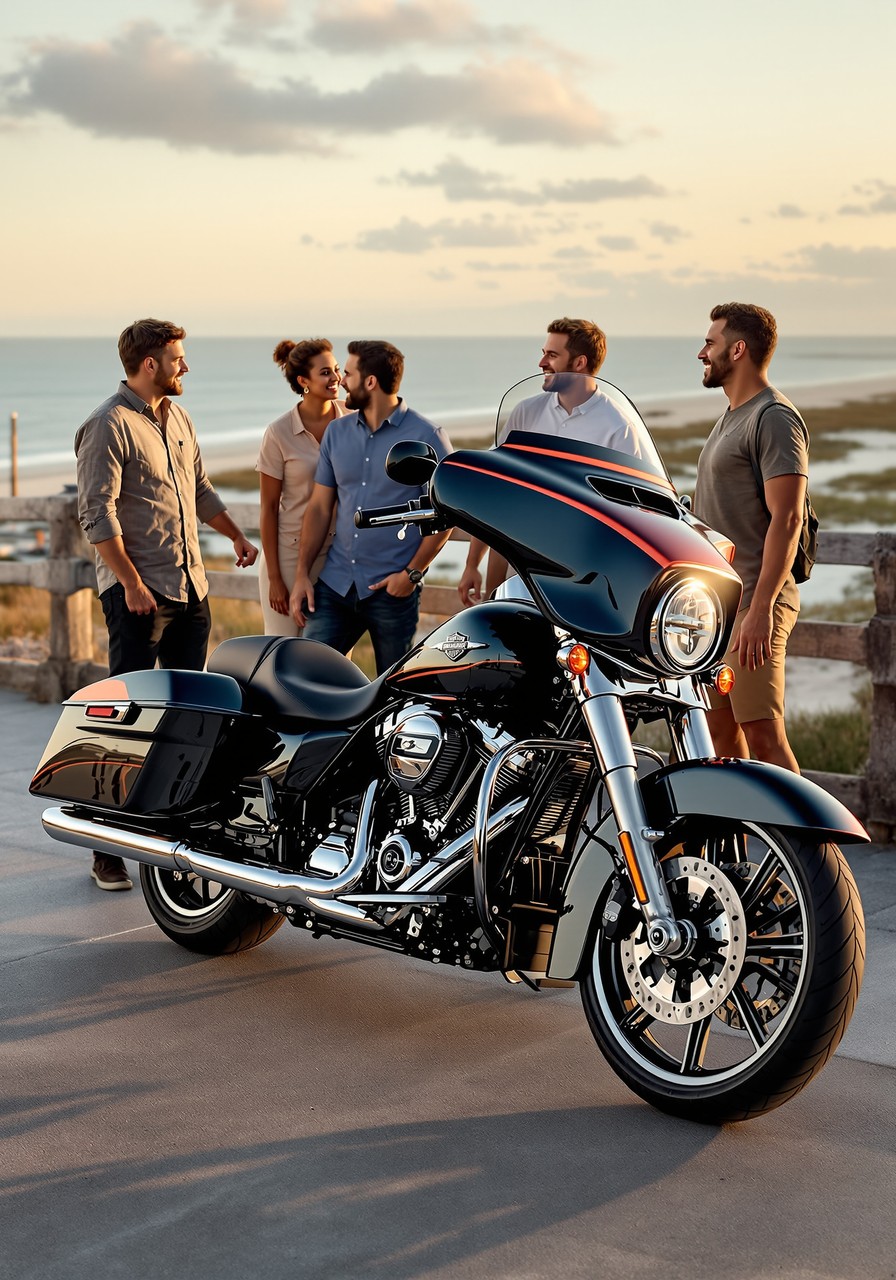
Fasig Brooks has your back after a crash, and right now that comes with a free entry into a $20,000 giveaway. #RideNationPensacola #BikersWin
Local Pensacola & Rides
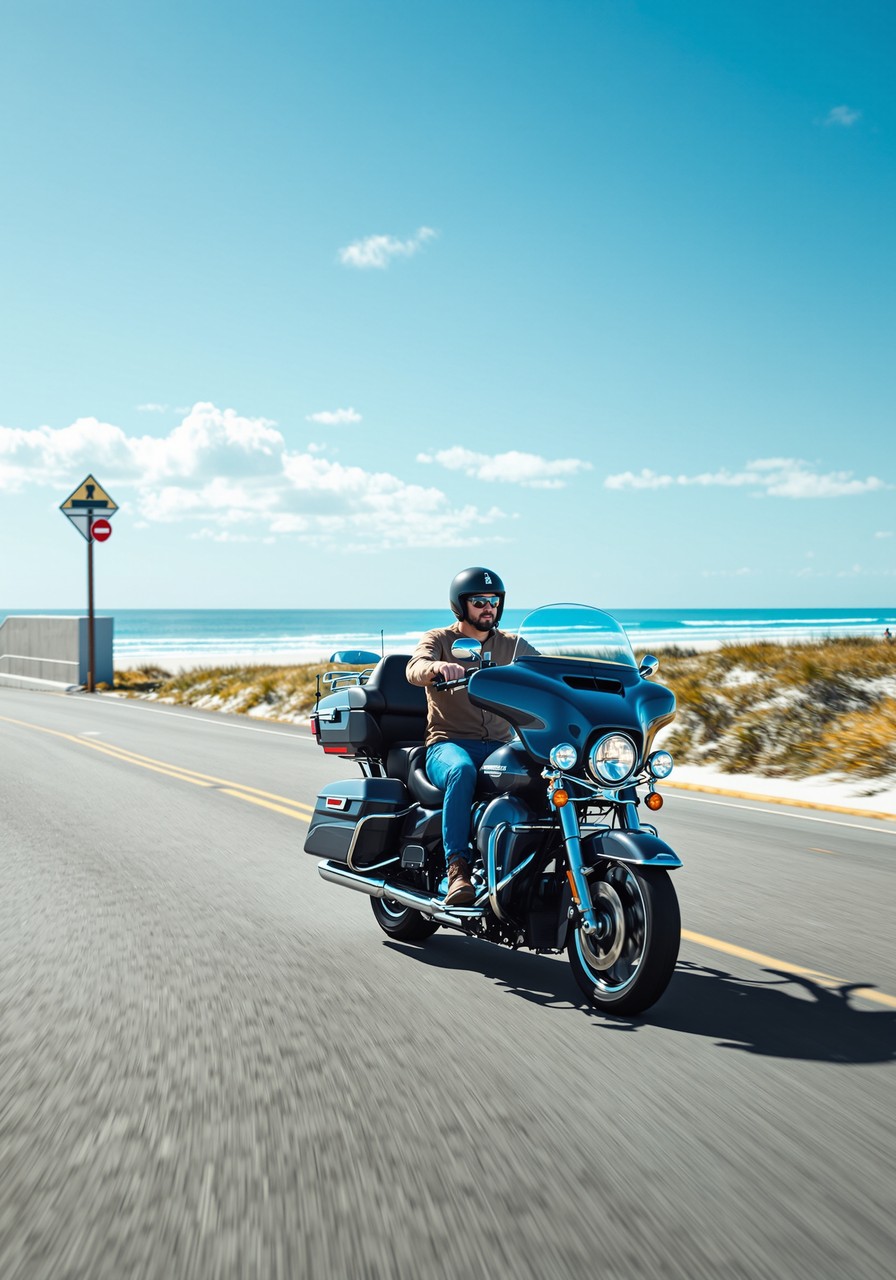
Cold snap this week means gear up. A warm base layer turns a chilly Gulf Coast morning into a perfect ride. #RideNationPensacola #Pensacola #GulfCoastRiders
Gear & New Iron
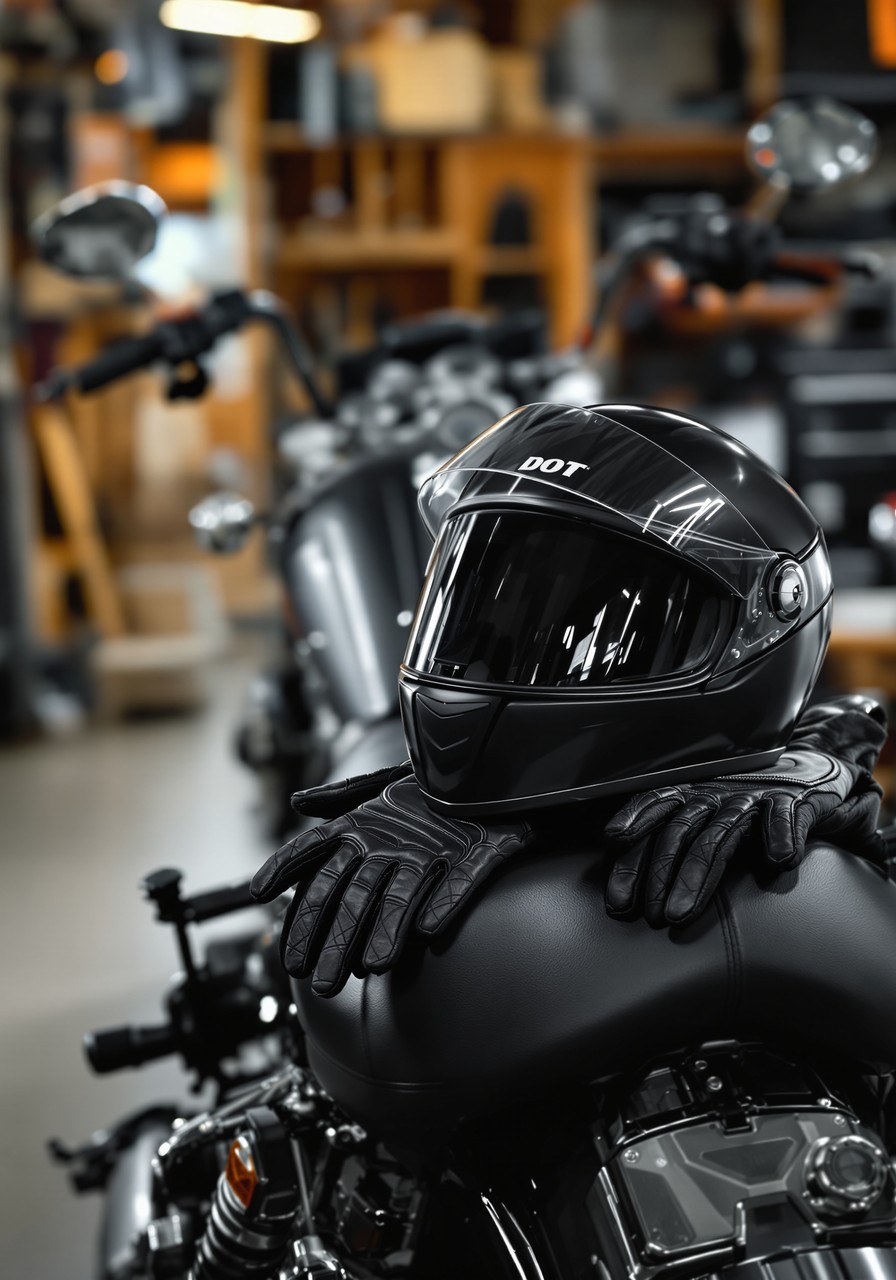
A properly fitted helmet should hug your cheeks, not pinch. Take your time at the shop and try a few. The right fit is the safe fit. #RideNationPensacola #ATGATT #RideSafe
Safety & Florida Law
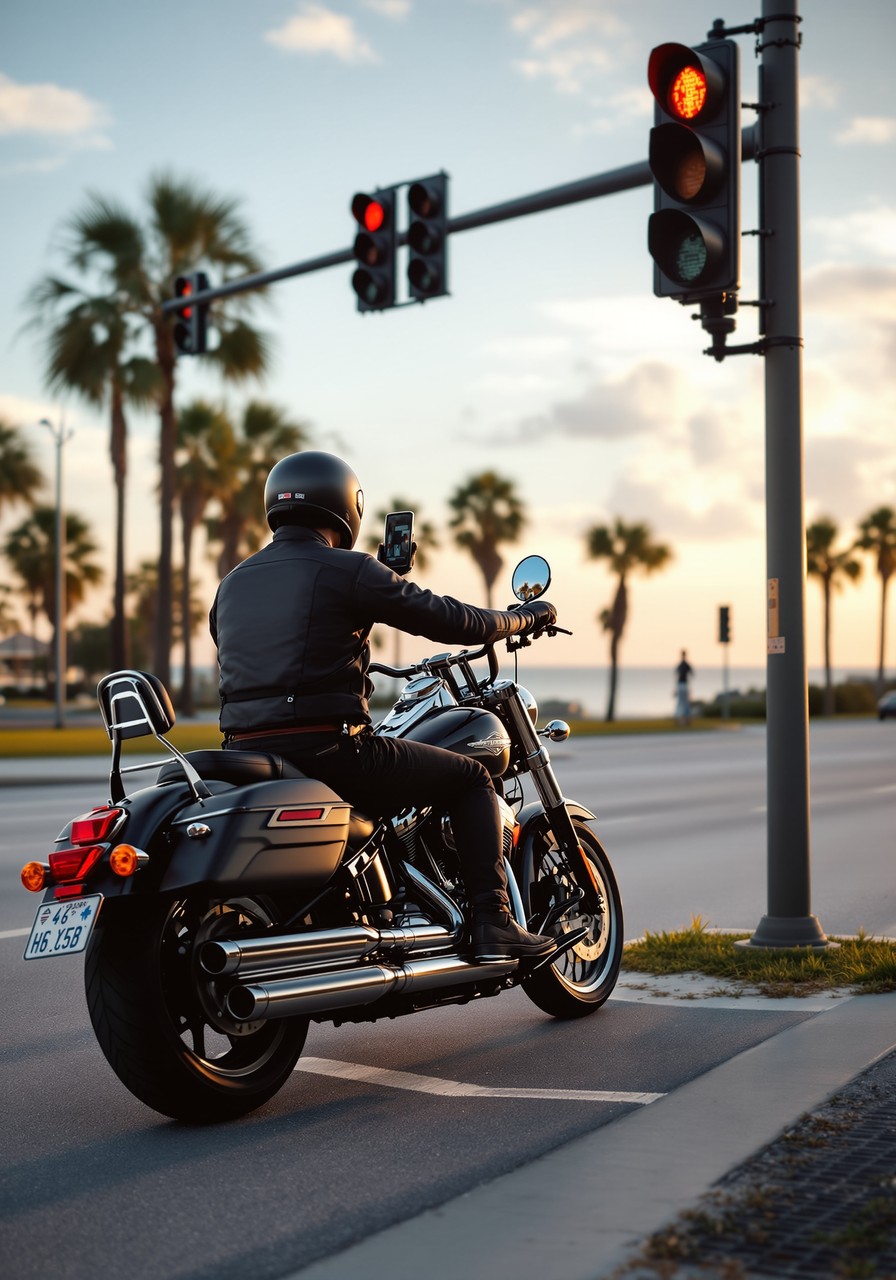
The steel joints on the bridges get slippery when damp. Keep your inputs smooth and your bike upright as you cross. #RideNationPensacola #RideSafe #BridgeSafety
Engagement
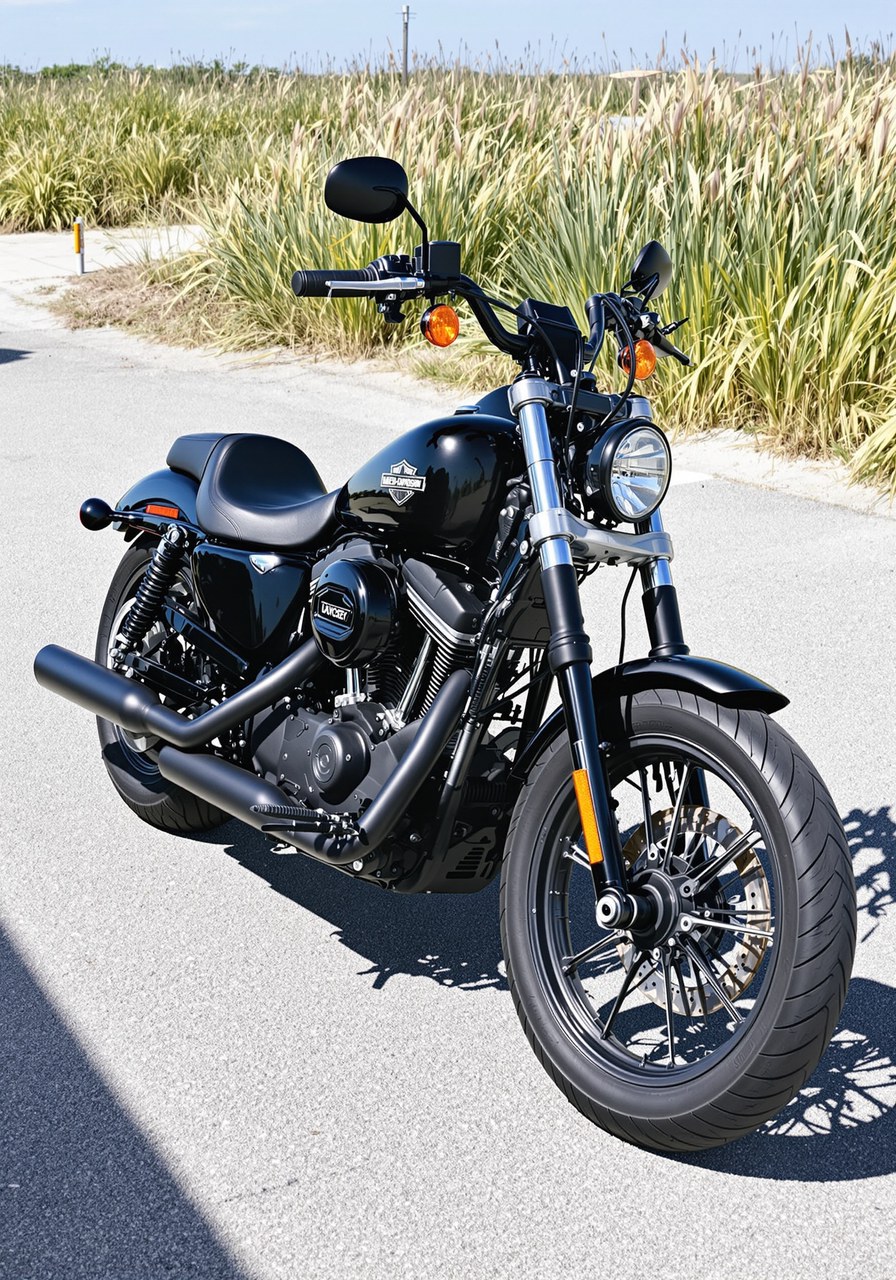
Favorite-road debate: which stretch has the better view, the Pensacola Bay Bridge or the Escambia Bay bluffs? Settle it below. #RideNationPensacola #ScenicHighway #Pensacola
Giveaway & Countdown
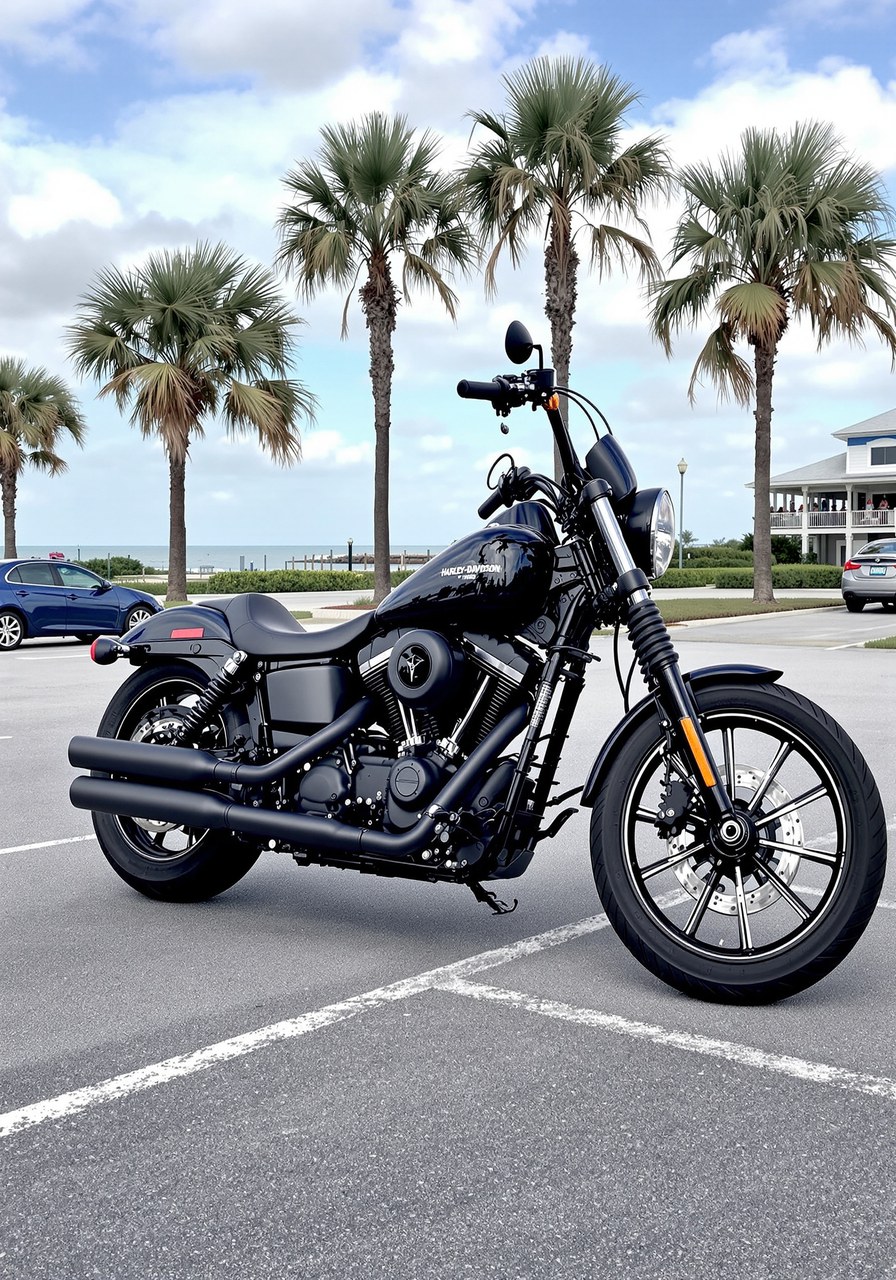
Curious about the BikersWin $20,000 giveaway? Everything you need is waiting at fasigbrooks.com. #RideNationPensacola #20kGiveaway
Local Pensacola & Rides
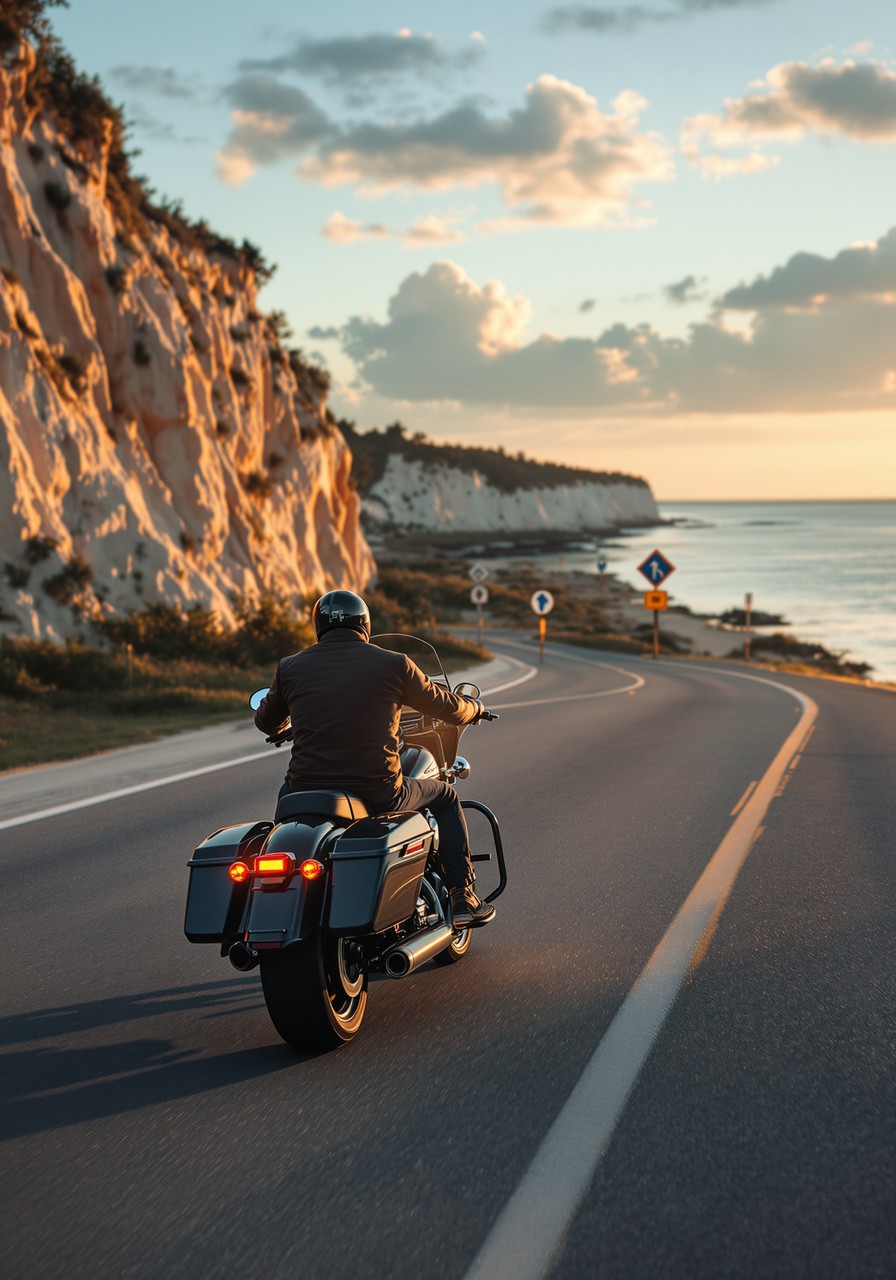
Perdido Key to the Alabama line is a breezy, laid-back stretch. Sugar-white sand, seafood shacks, and zero reason to rush. #RideNationPensacola #PerdidoKey #GulfCoastRiders
Gear & New Iron
Perforated leather gloves give you the classic feel with airflow for Gulf Coast heat. Style and protection, no compromise. #RideNationPensacola #MotorcycleGear #GearUp
Safety & Florida Law
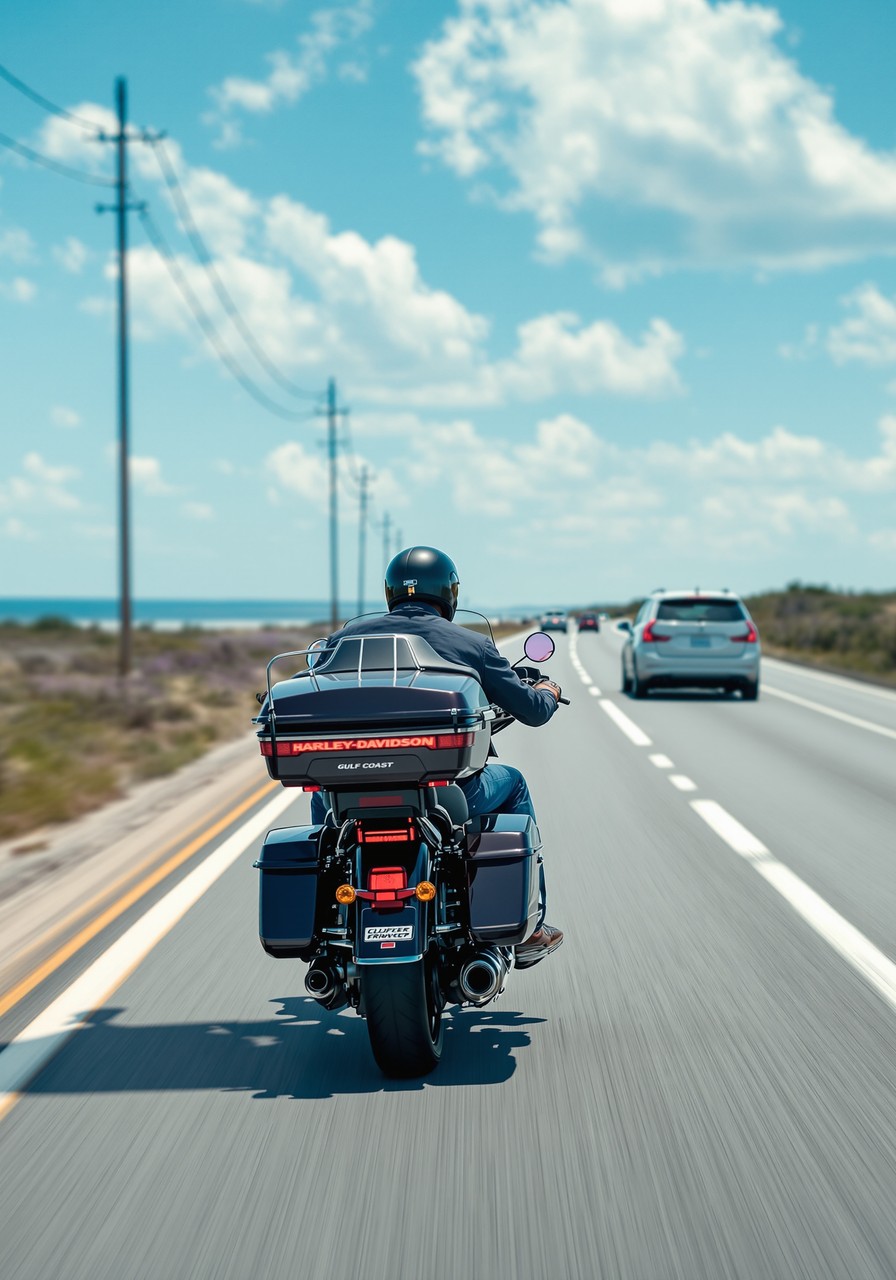
One more reason UM/UIM matters in Florida: many at-fault drivers carry no bodily injury liability at all. Your own coverage may be what carries you. Call Fasig Brooks at (850) 427-2722. #RideNationPensacola #UMUIM #RideSafe
Engagement
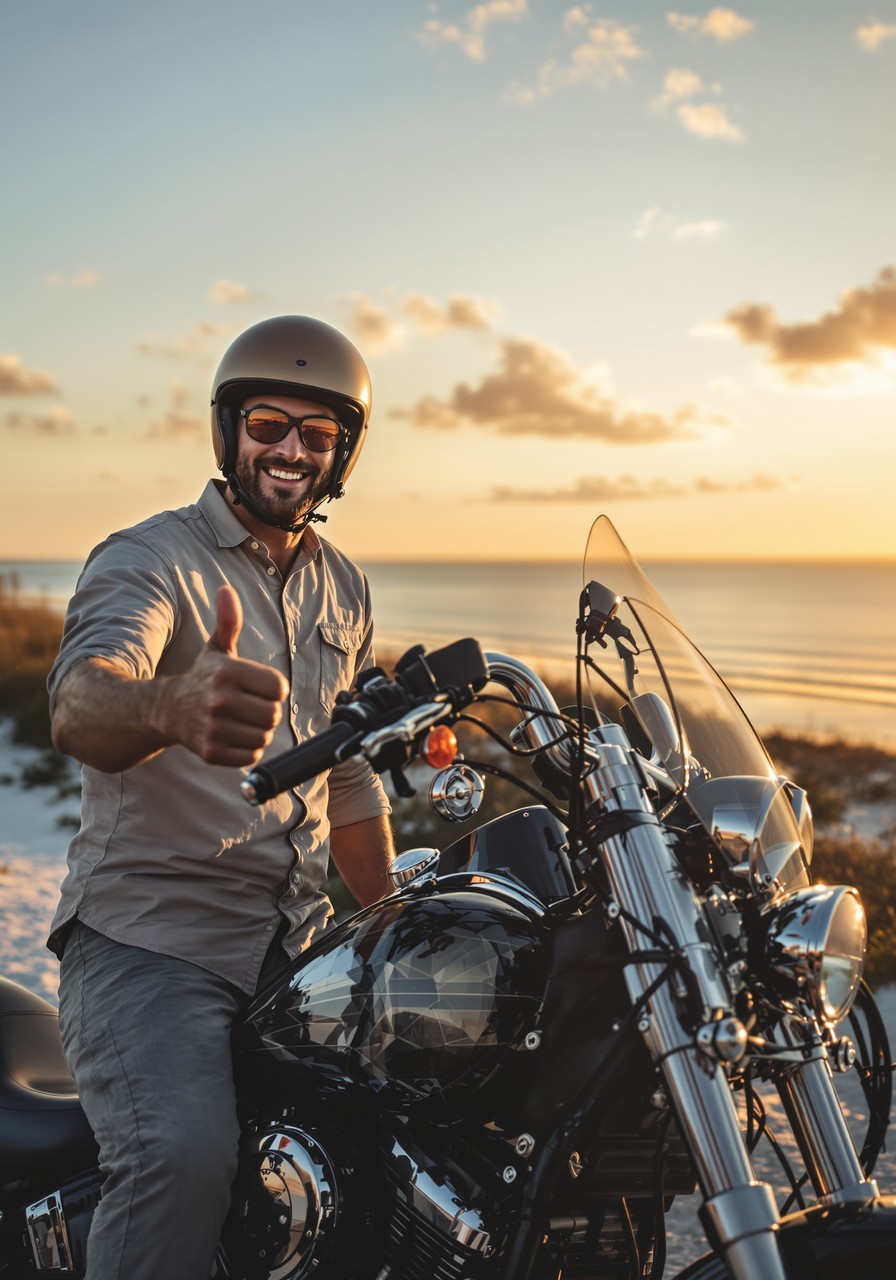
Weekend plans check: beach day at Gulf Islands National Seashore or forest curves out at Blackwater? Pick a lane. #RideNationPensacola #GulfCoastRiders #850
Giveaway & Countdown
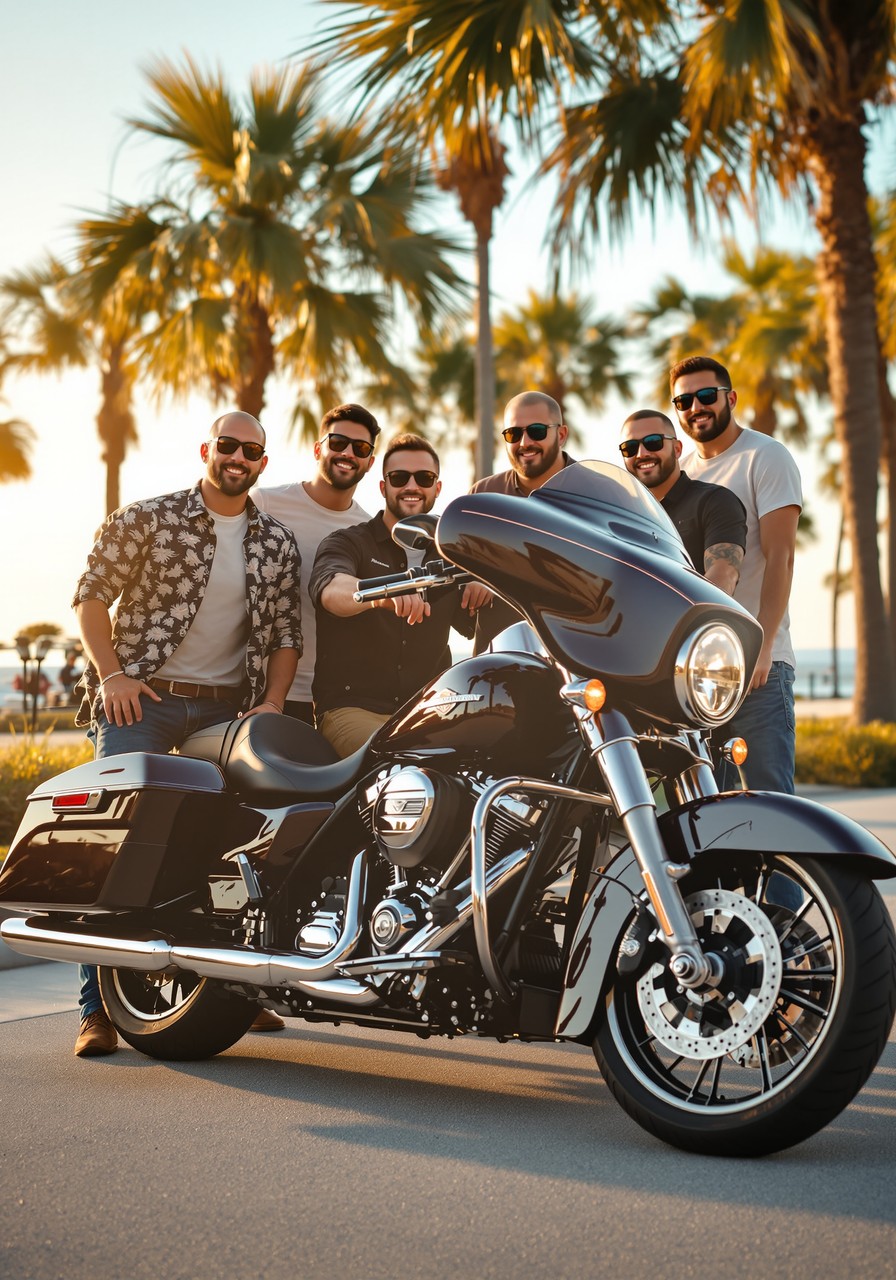
Talk to Fasig Brooks about your motorcycle crash and you are entered for free. Call (850) 427-2722 to get started. #RideNationPensacola #BikersWin #20kGiveaway
Local Pensacola & Rides
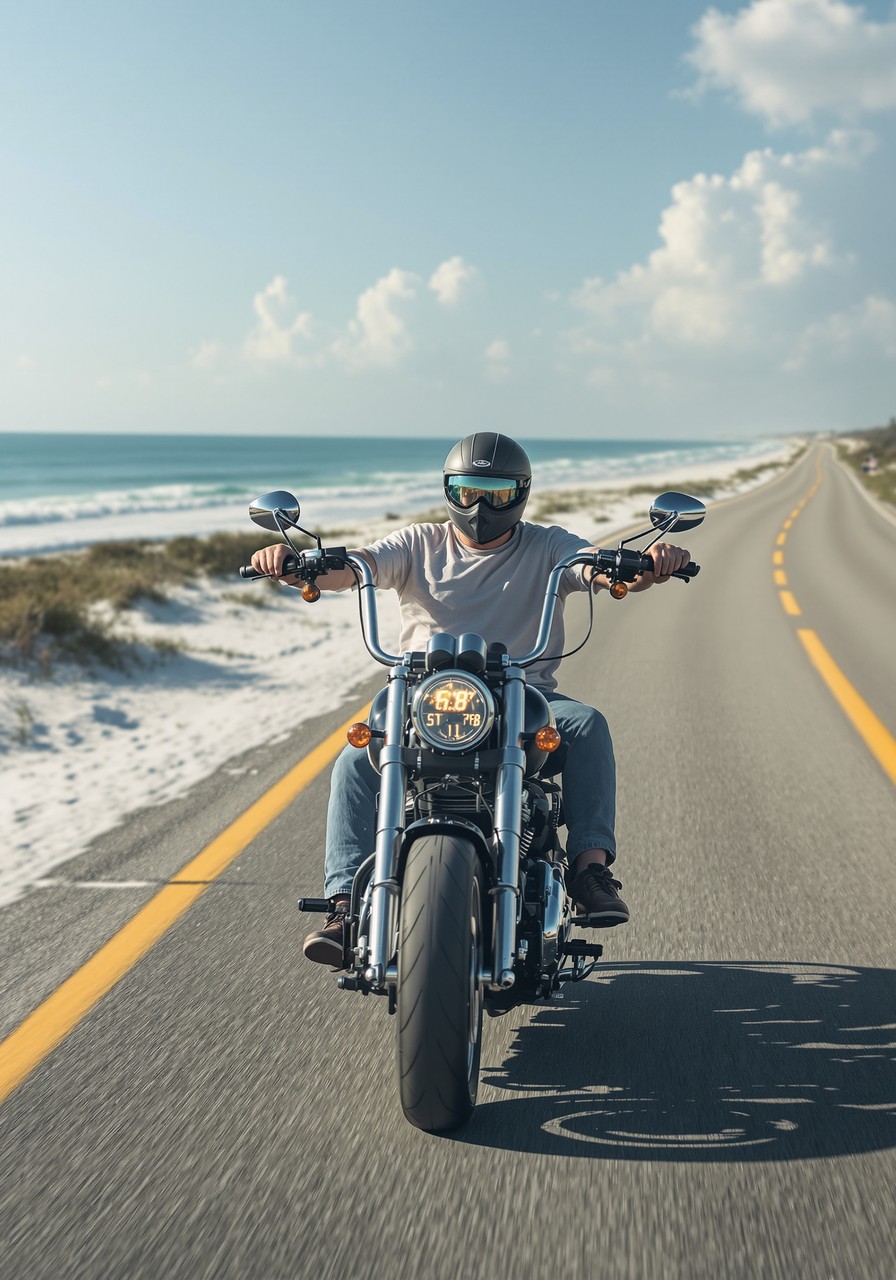
Santa Rosa Island rewards the patient rider. Ride slow, watch for blowing sand across the road, and enjoy every open mile. #RideNationPensacola #PensacolaBeach #FortPickens
Gear & New Iron
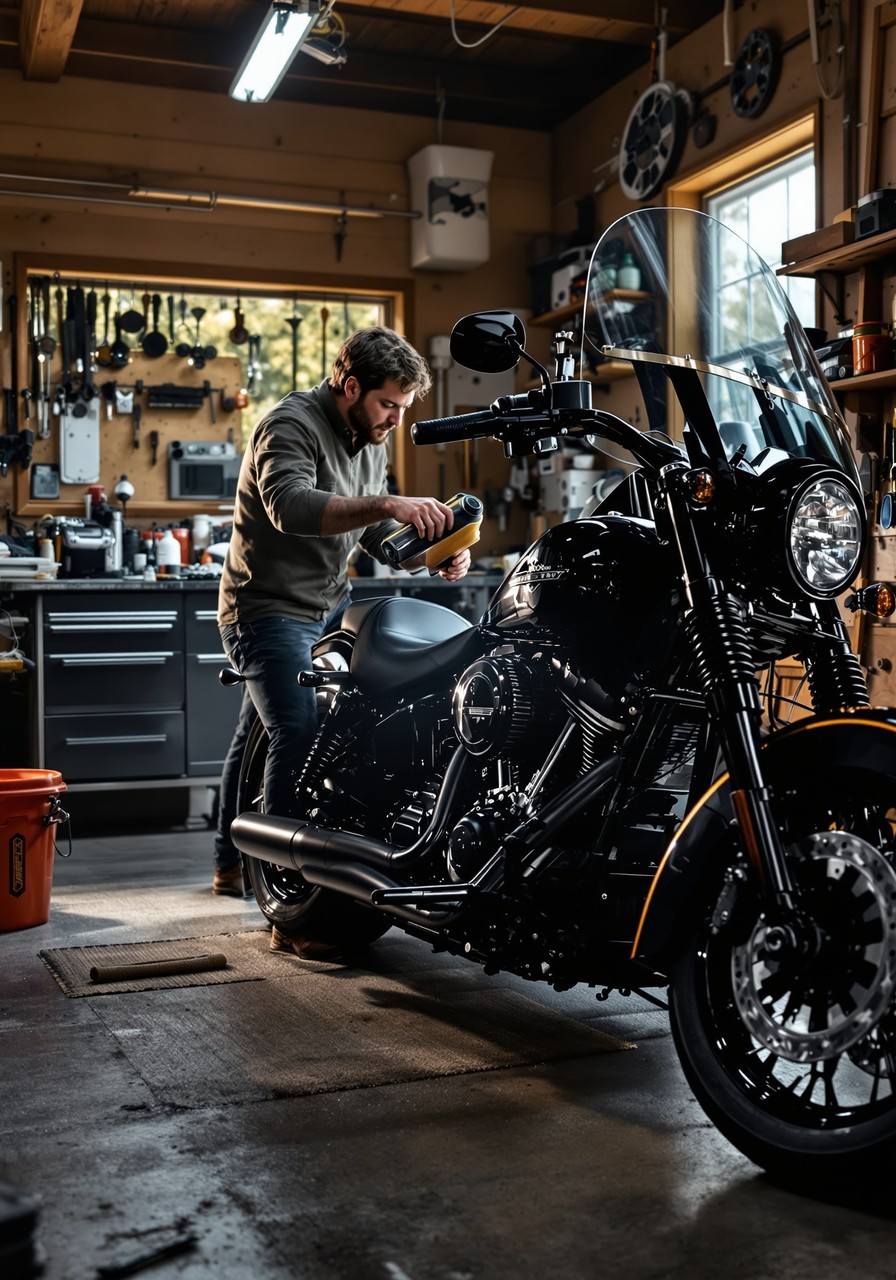
Reflective piping and tape are cheap upgrades that pay off every night ride. Add some this weekend. #RideNationPensacola #RideSafe #GearUp
Safety & Florida Law
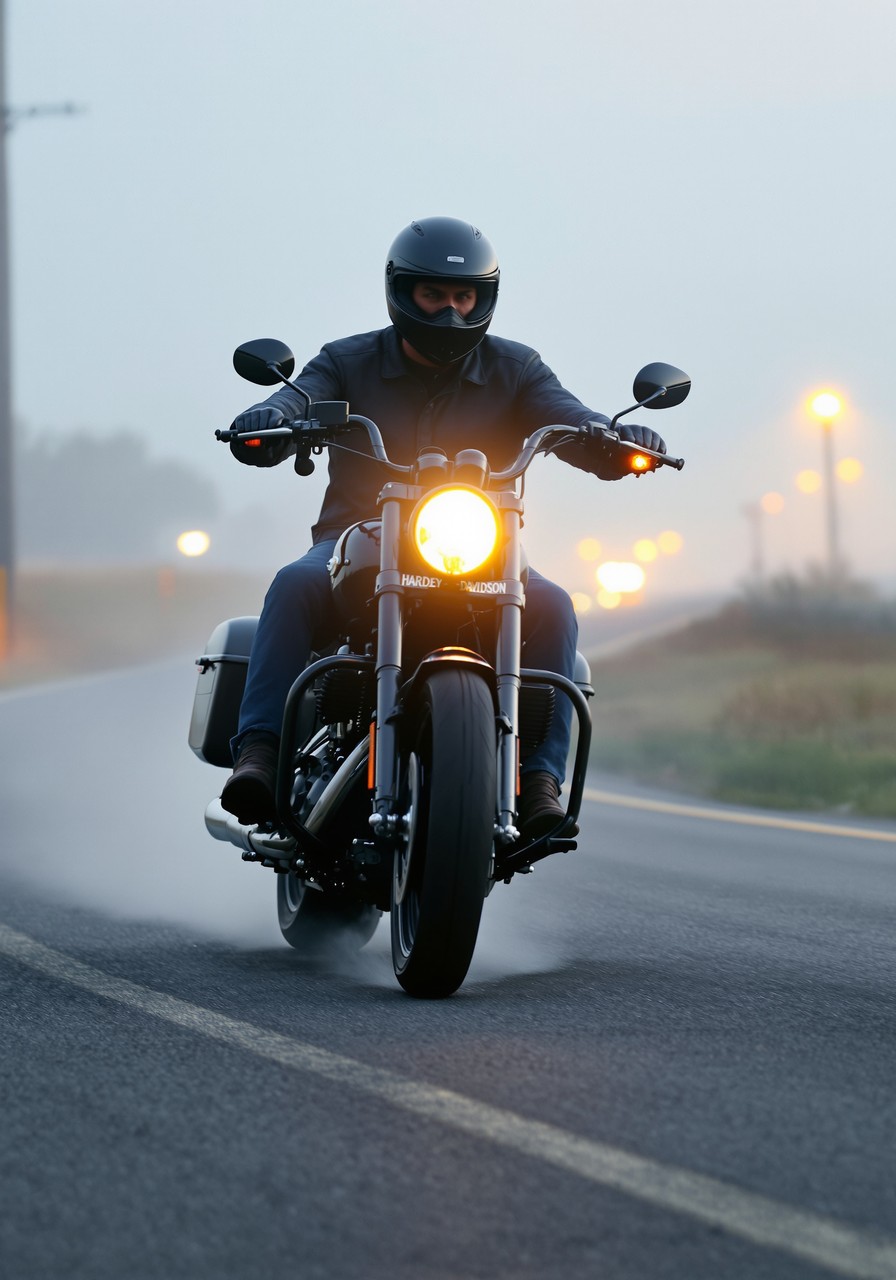
Snowbird season means more unfamiliar drivers on US-98 and around town. Ride like they might stop or turn without warning. #RideNationPensacola #RideSafe #TouristSeason
Engagement
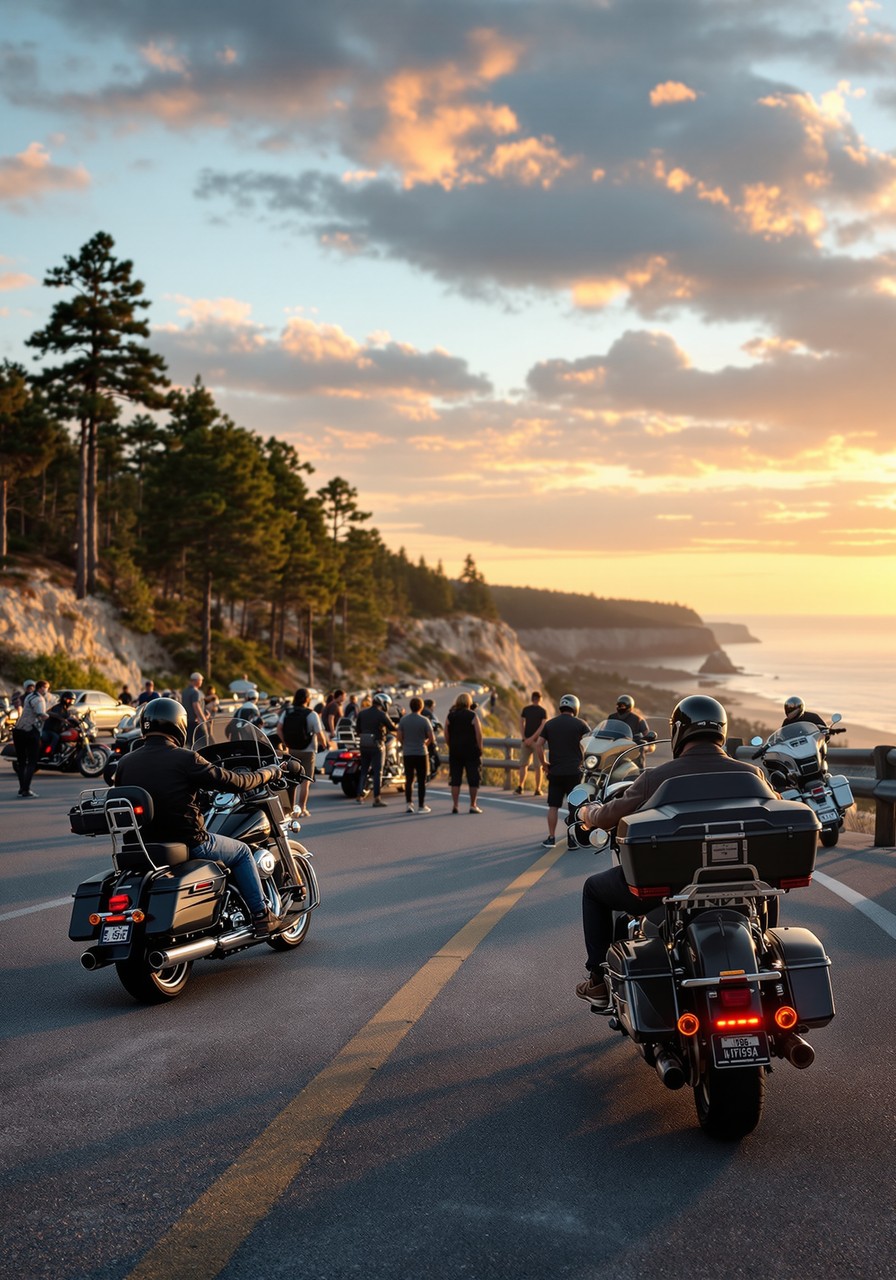
Finish the thought: you know it's a perfect riding day in the 850 when ______. Go. #RideNationPensacola #Pensacola #GulfBreeze
Giveaway & Countdown
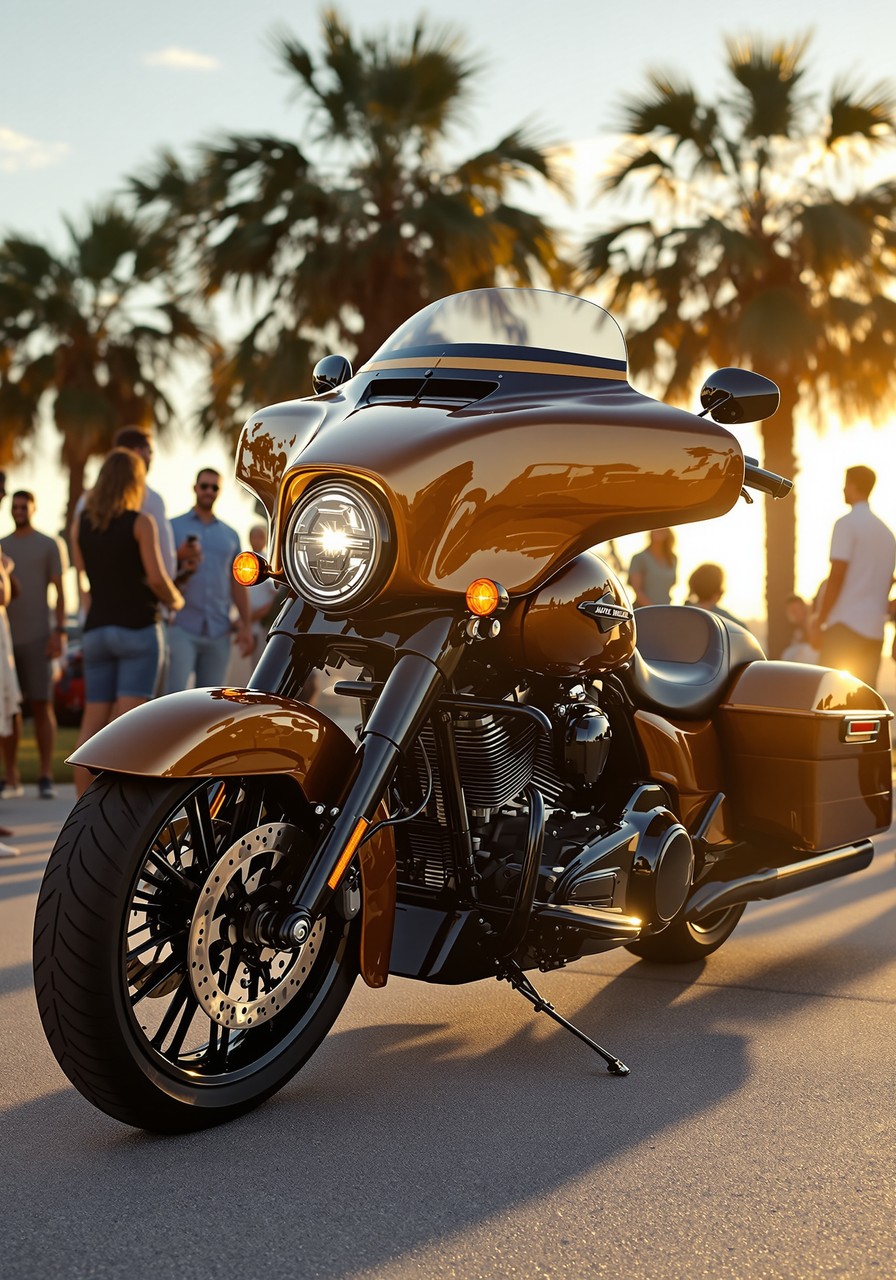
The BikersWin $20,000 motorcycle giveaway is real and riders are buzzing. Drawn December 10. #RideNationPensacola #BikersWin
Local Pensacola & Rides
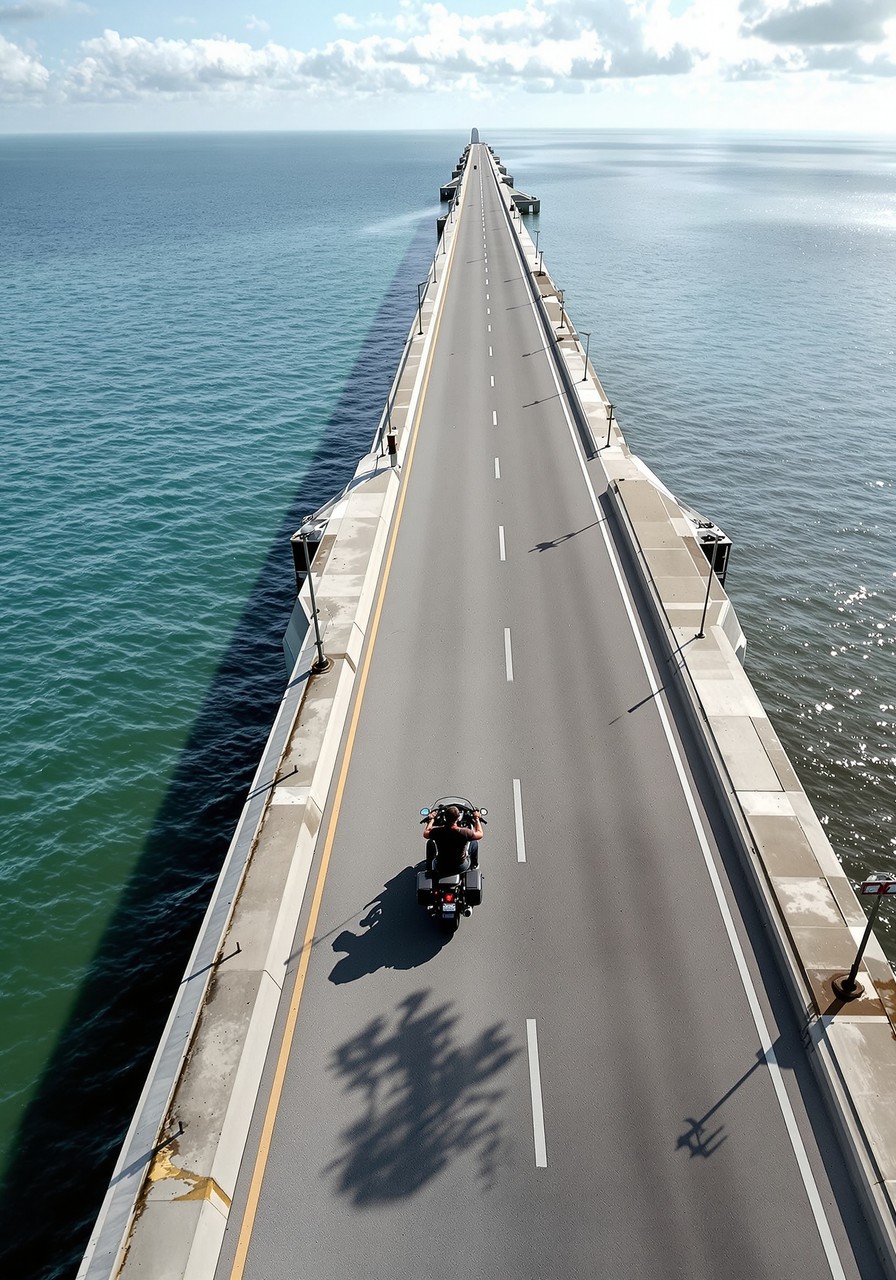
Coffee first, kickstand second. Grab a cup downtown, then let the Pensacola Bay Bridge stretch out ahead of you. #RideNationPensacola #Pensacola #GulfCoastRiders
Gear & New Iron
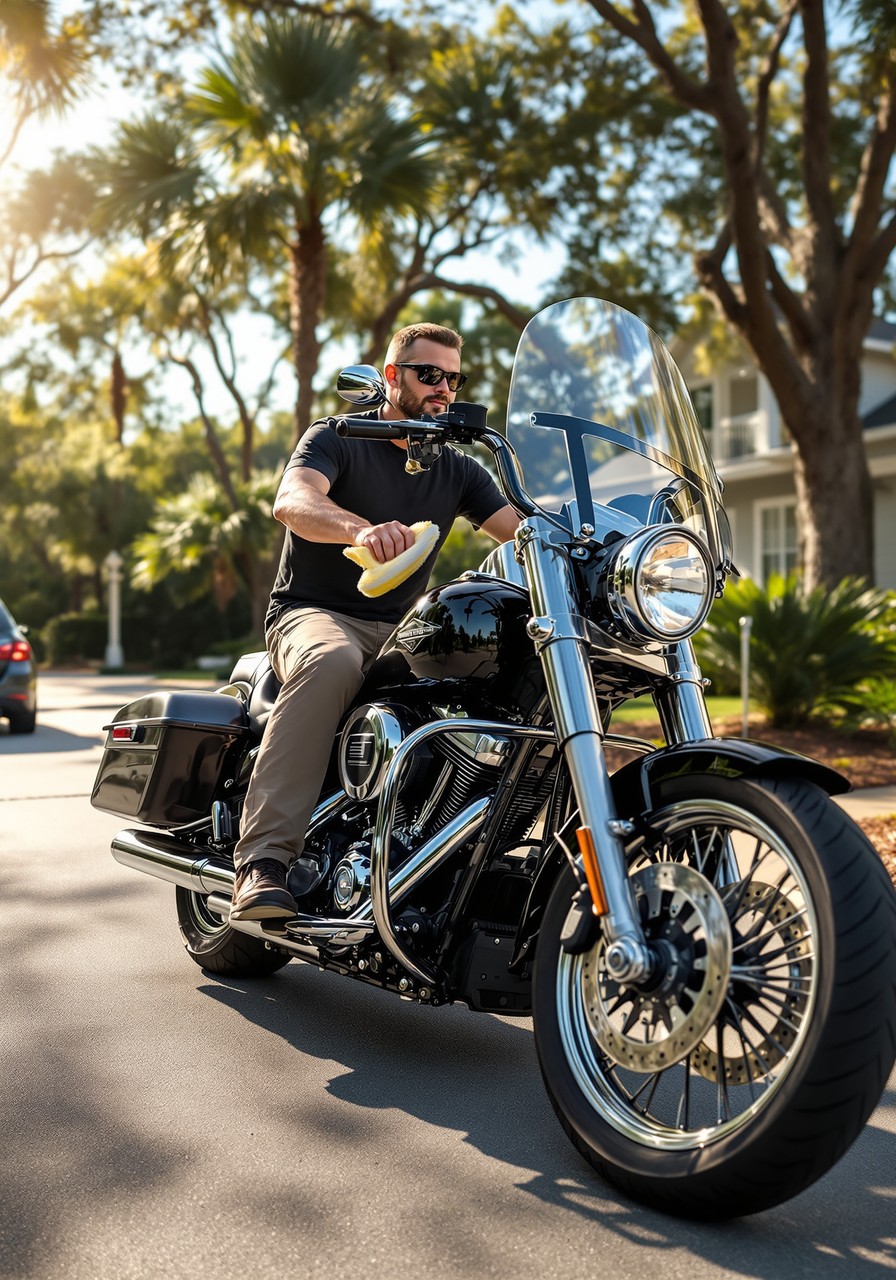
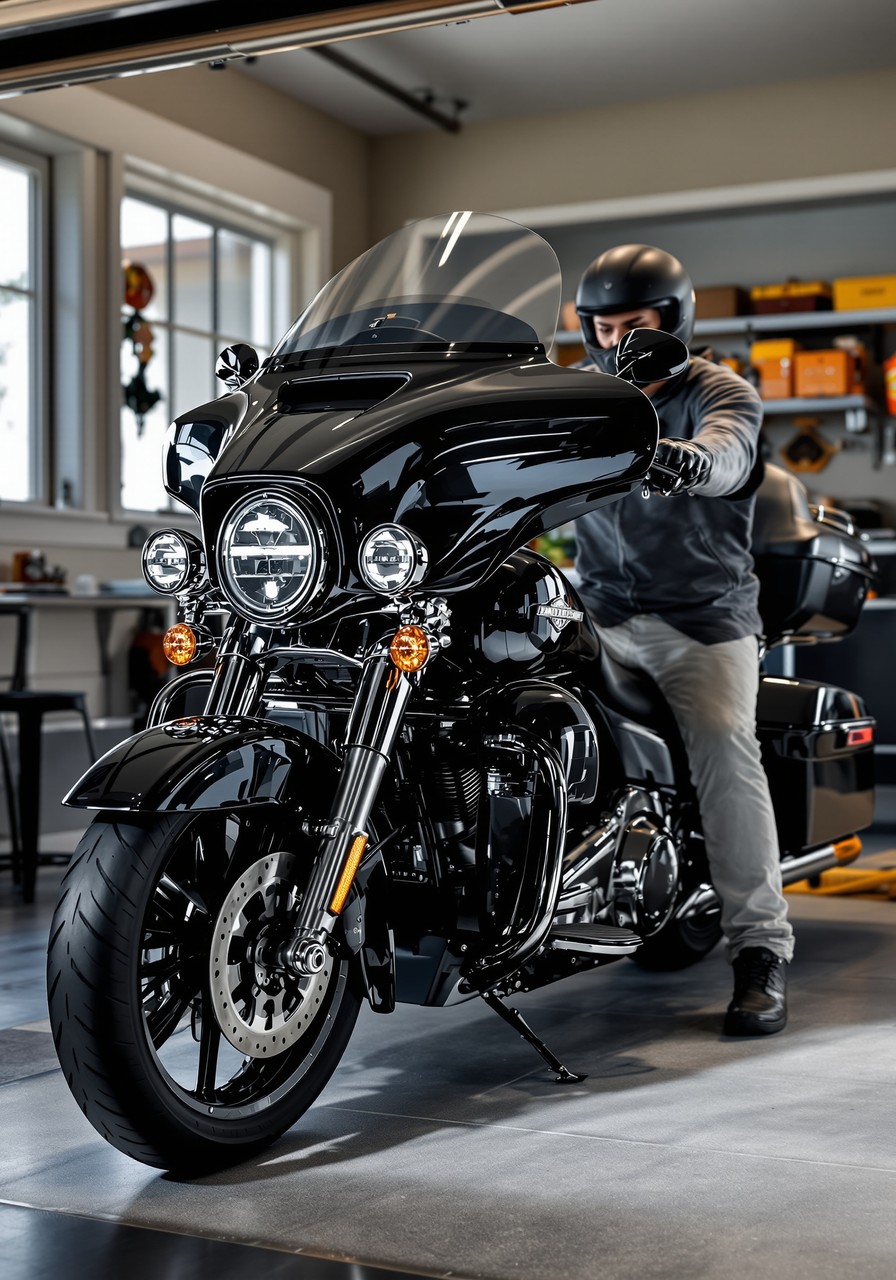
Farkle season never ends. Heated grips, a taller windscreen, better mirrors. Small upgrades, big smiles. What is next on yours? #RideNationPensacola #MotorcycleGear #NewIron
Safety & Florida Law
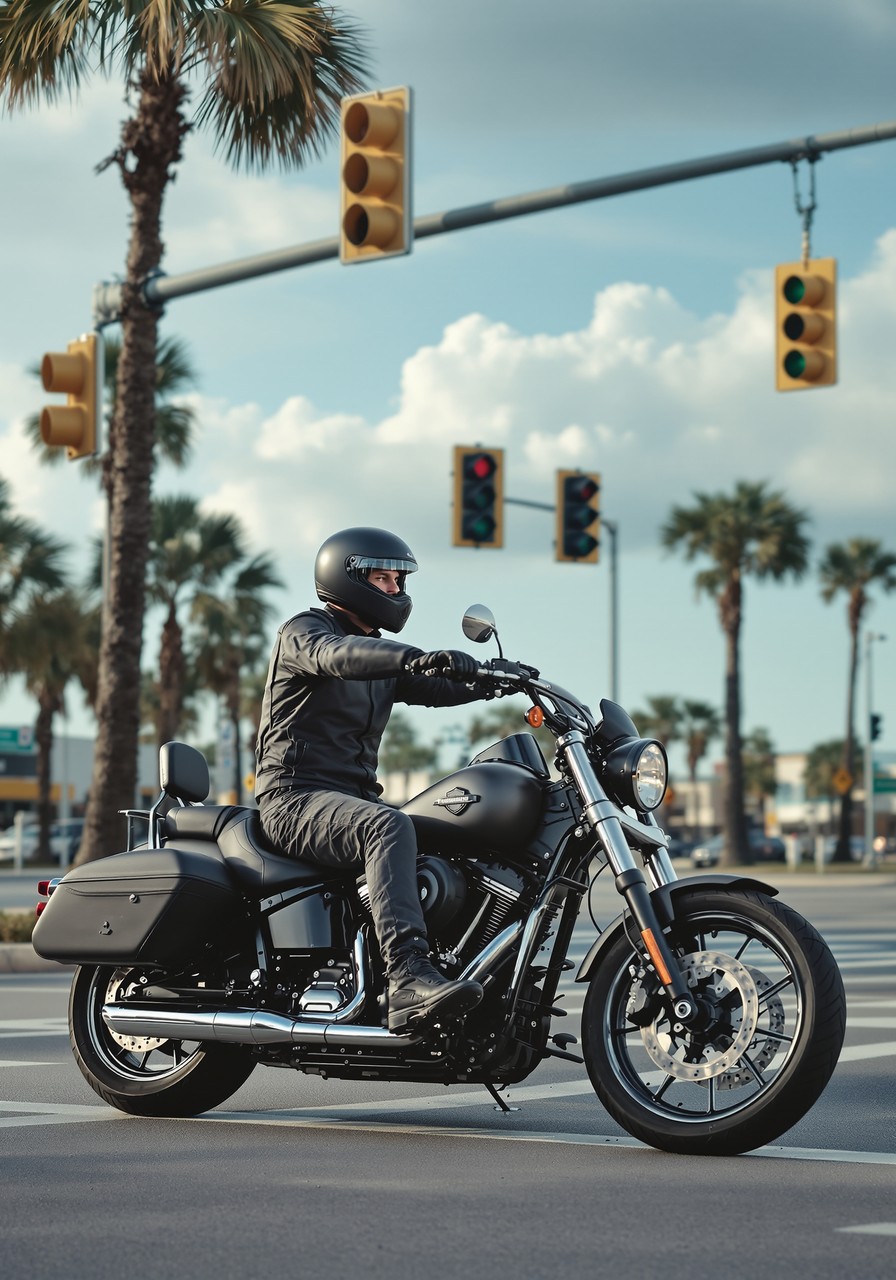
A general Florida note for riders: recorded statements to an insurer can be used against you, so many people wait before giving one. Questions after a crash? Call Fasig Brooks at (850) 427-2722. #RideNationPensacola #FloridaLaw #RideSafe
Engagement
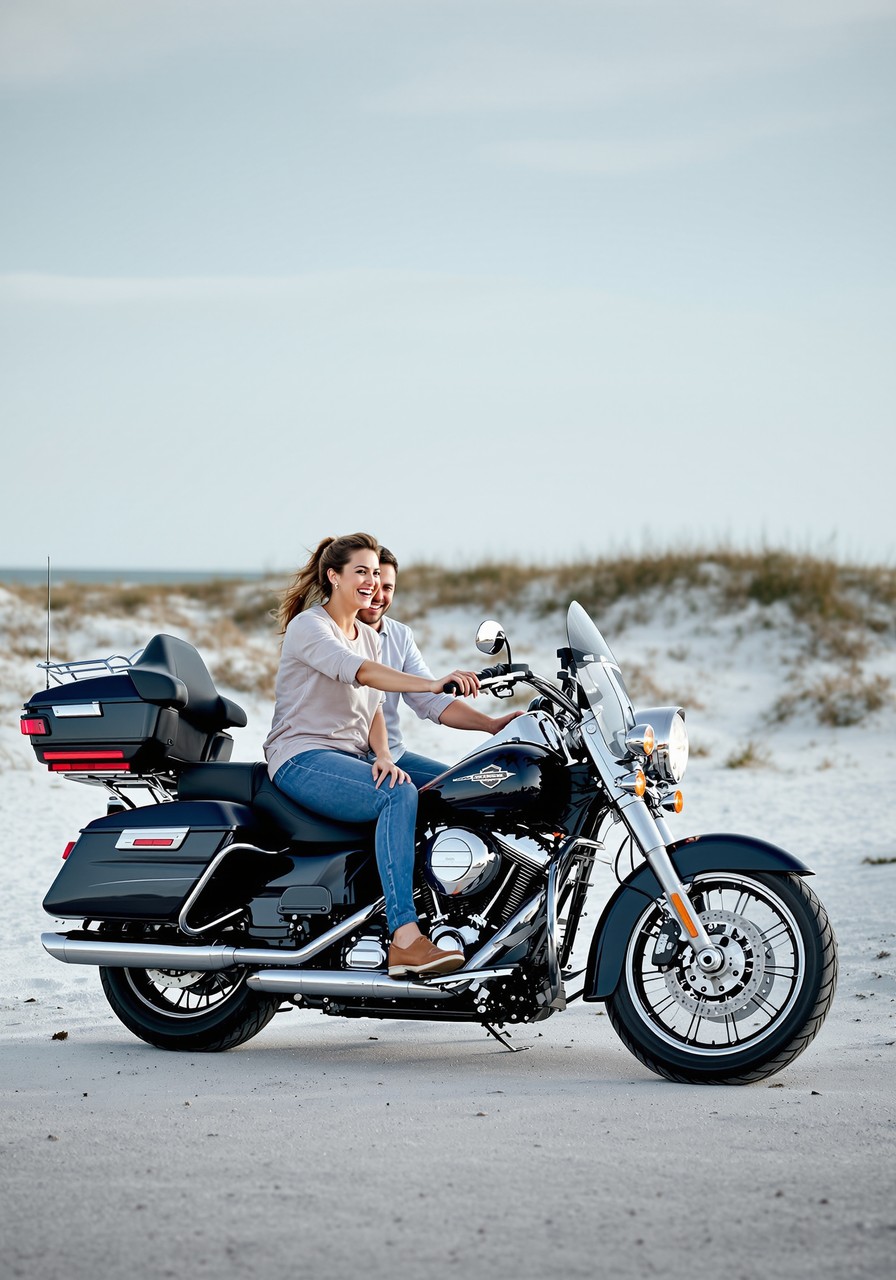
This or that: blowing sand across coastal US-98, or morning fog rolling off the bays? Which one makes you slow down and grin? #RideNationPensacola #Navarre #850
Giveaway & Countdown
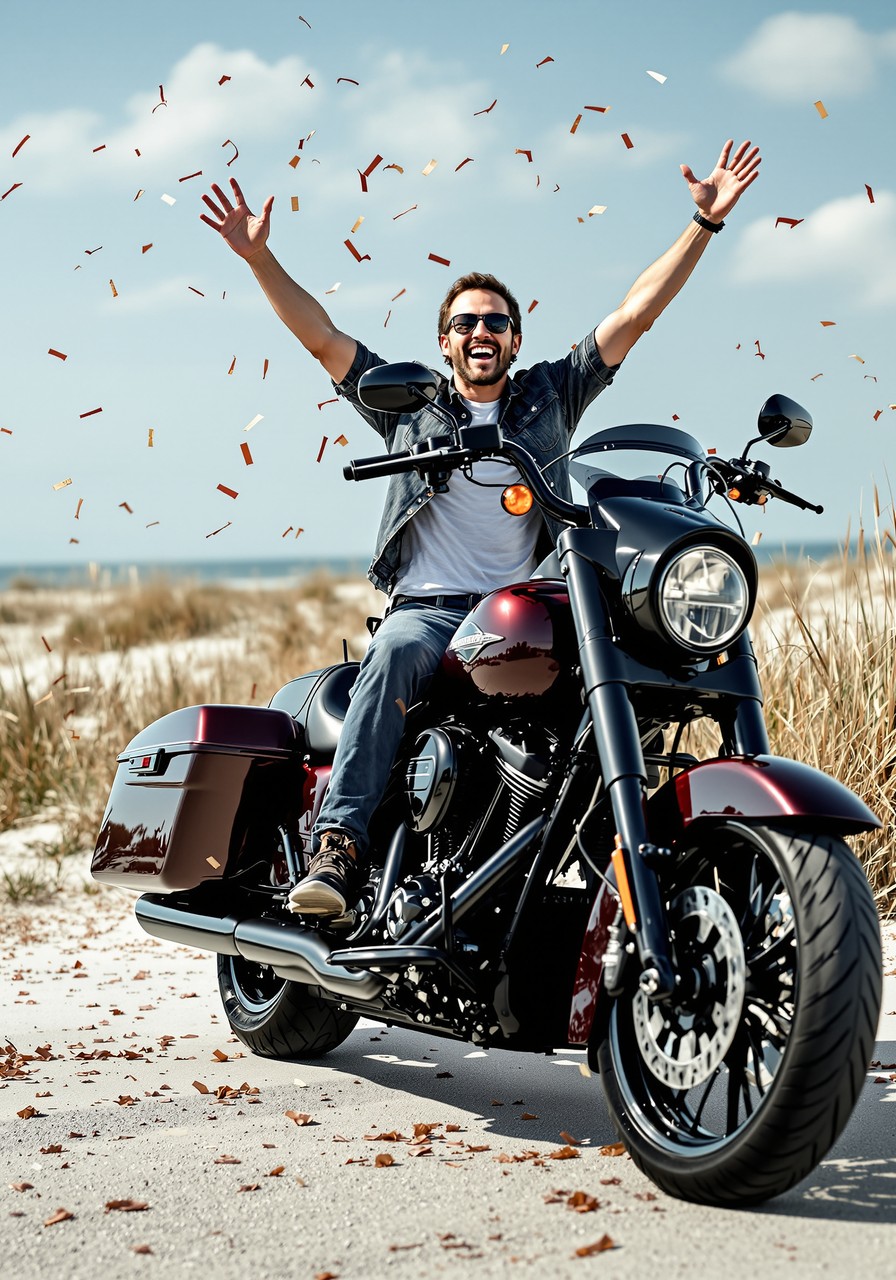
Do not miss your window. The $20,000 giveaway is drawn December 10 and entries are free. Visit fasigbrooks.com to learn more. #RideNationPensacola #20kGiveaway
Local Pensacola & Rides
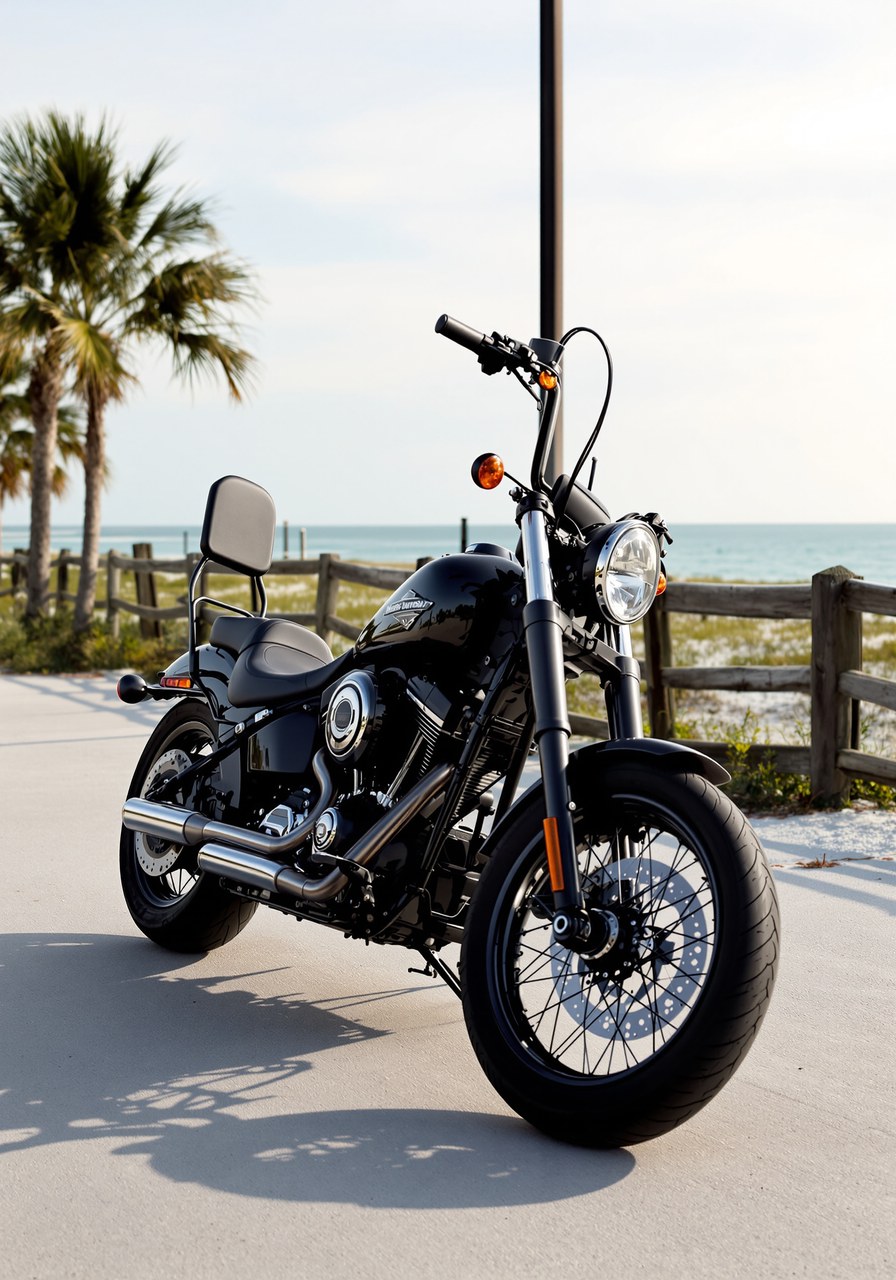
Gulf Breeze is the sweet spot between the bay and the beach. A perfect midpoint to regroup before the next leg of the ride. #RideNationPensacola #Navarre #GulfCoastRiders
Gear & New Iron
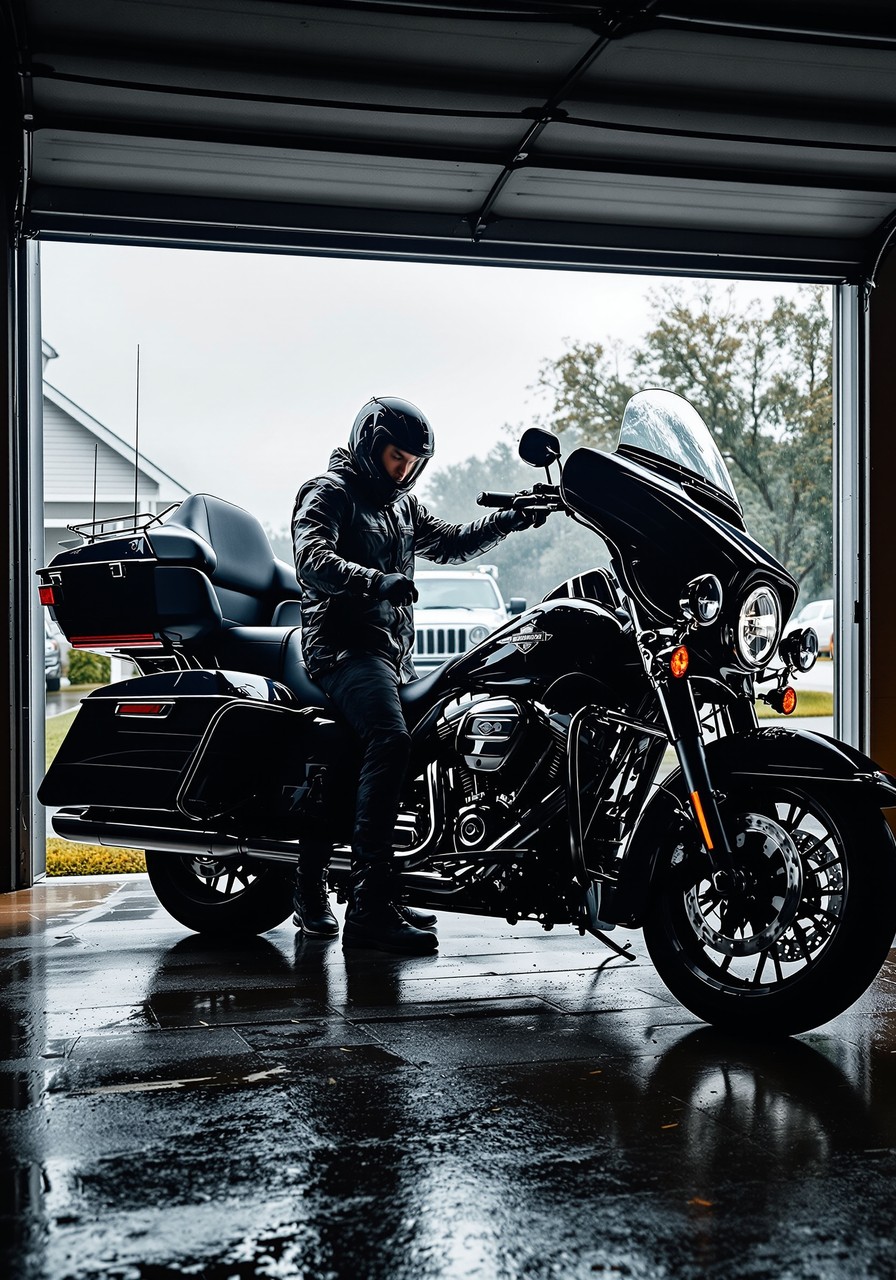
Tire pressure swings with these temperature changes. Check it cold before every ride and your handling thanks you. #RideNationPensacola #MotorcycleMaintenance #RideSafe
Safety & Florida Law
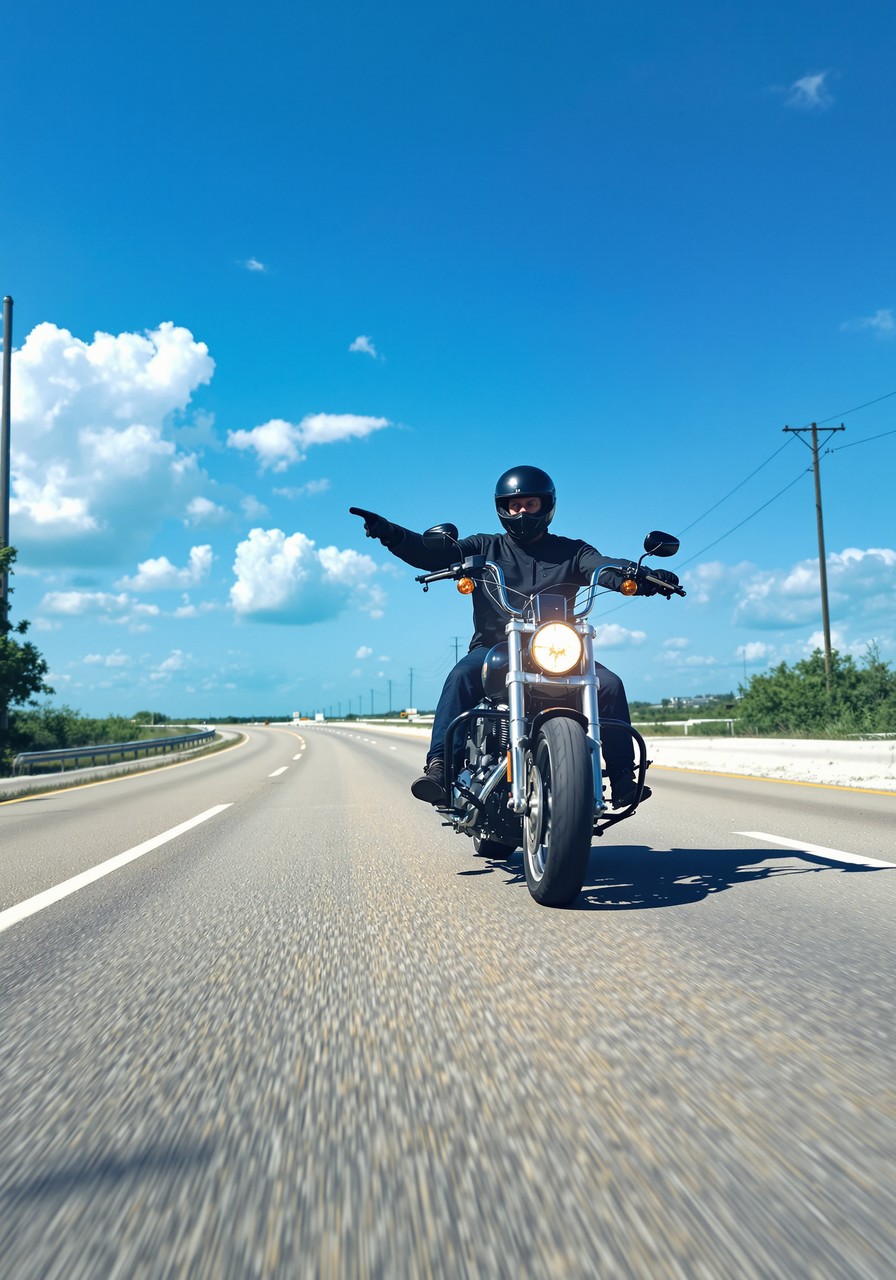
Keep a cushion of space on I-10. Following distance is your time to react when traffic does something dumb at speed. #RideNationPensacola #RideSafe #HighwayRiding
Engagement
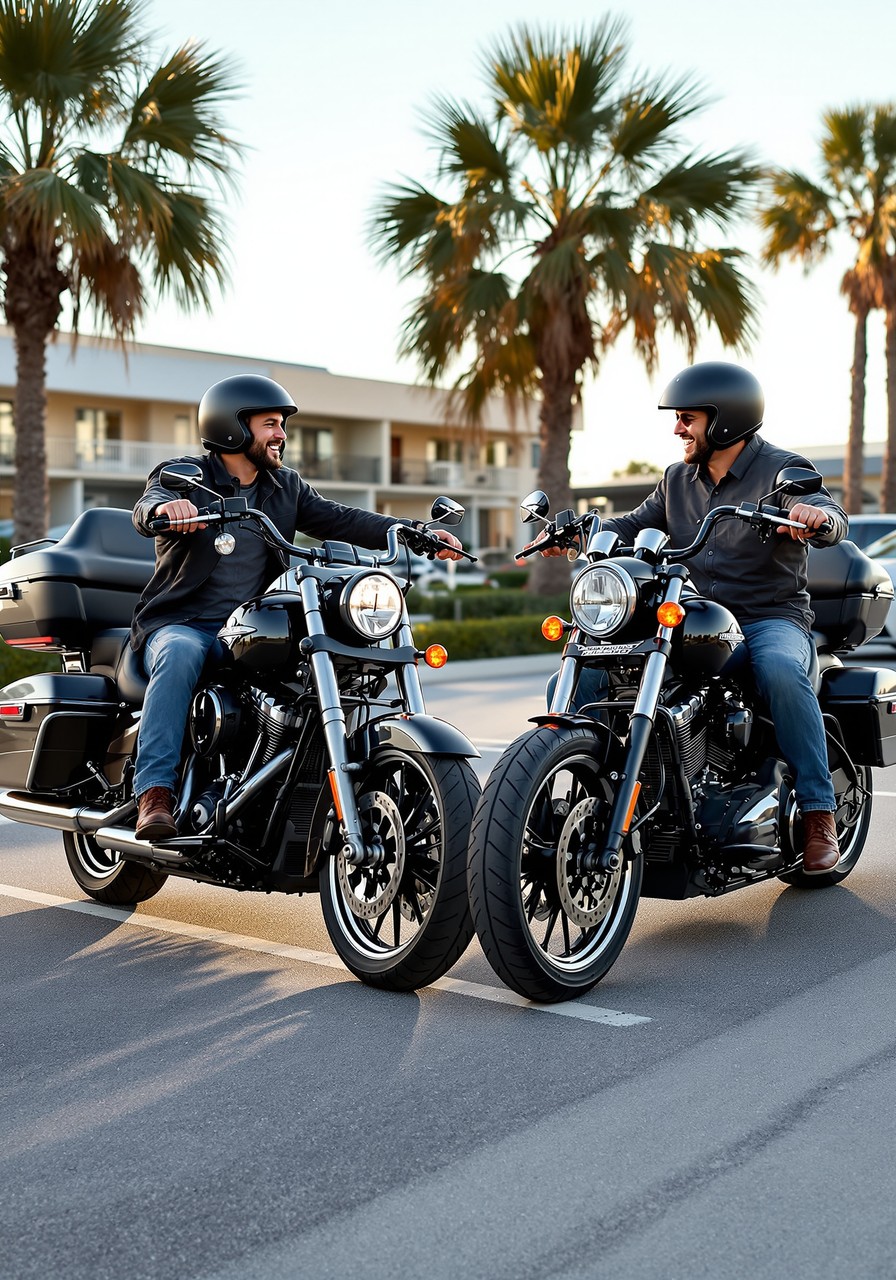
Caption this: the crew lined up at the foot of the Three Mile Bridge, sun barely up. What's everyone saying? #RideNationPensacola #Pensacola #PensacolaBeach
Giveaway & Countdown
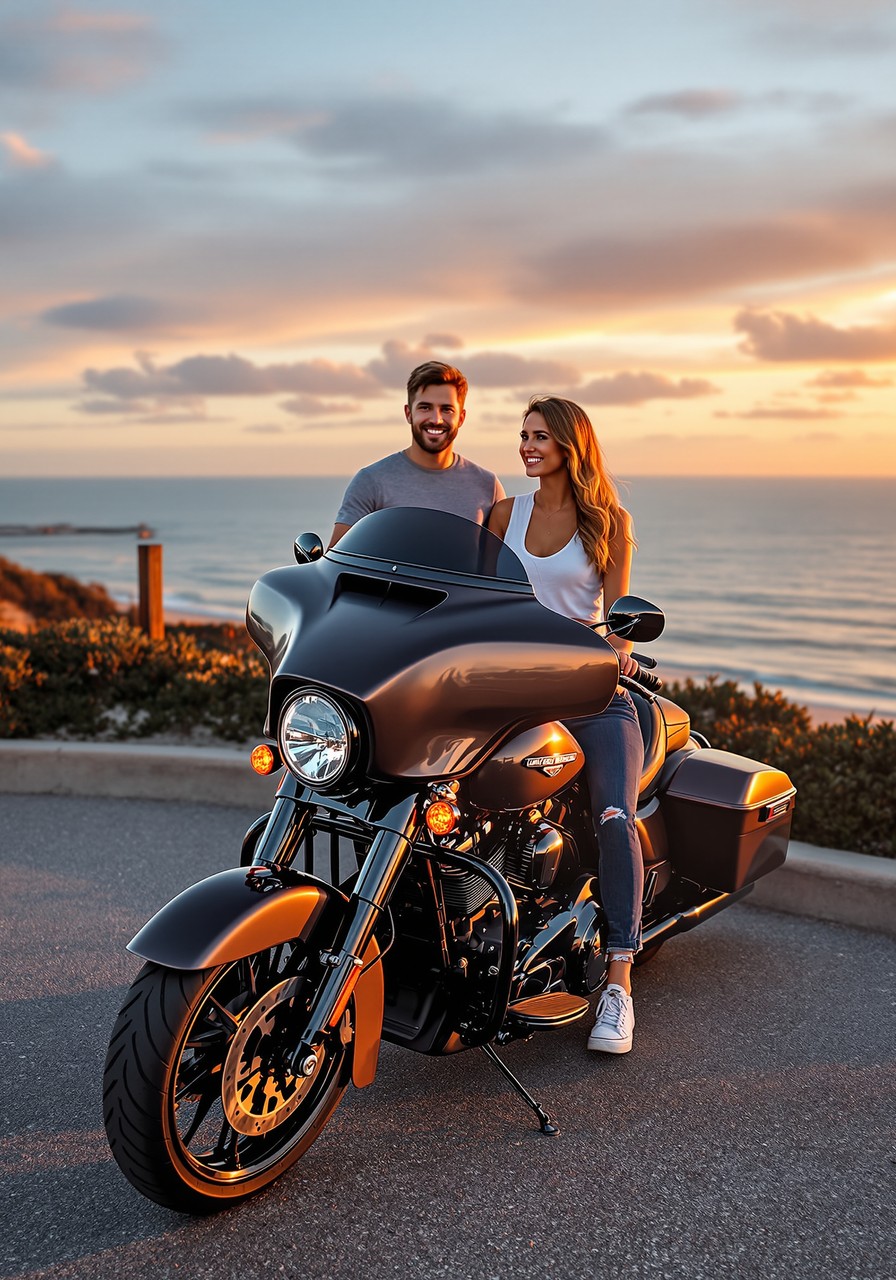
NW Florida riders, this is your reminder. A $20,000 motorcycle giveaway is happening and it costs nothing to be entered. #RideNationPensacola #BikersWin
Local Pensacola & Rides
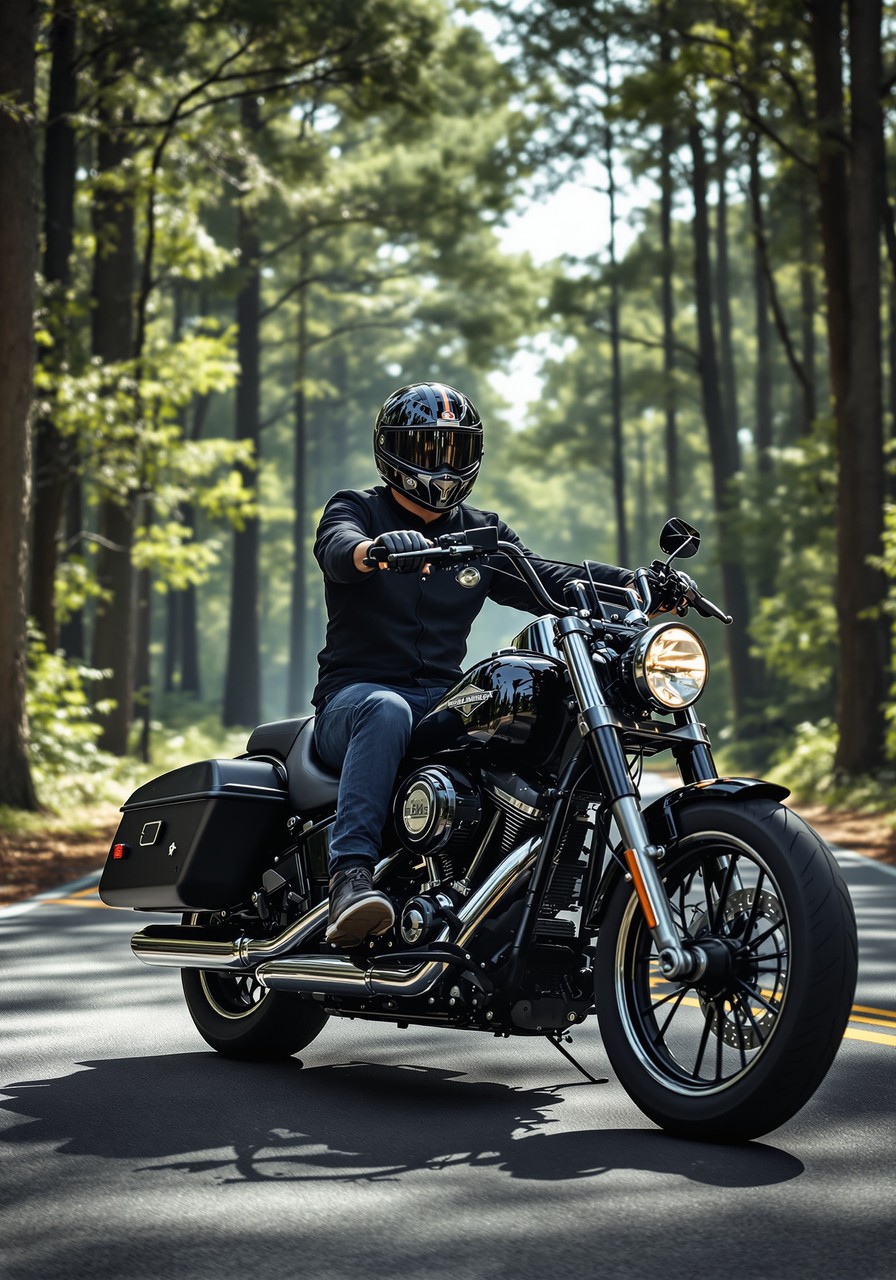
The Escambia Bay bluffs along US-90 give you elevation you don't expect on the Gulf Coast. Big water views, worth the detour. #RideNationPensacola #ScenicHighway #Pensacola
Gear & New Iron
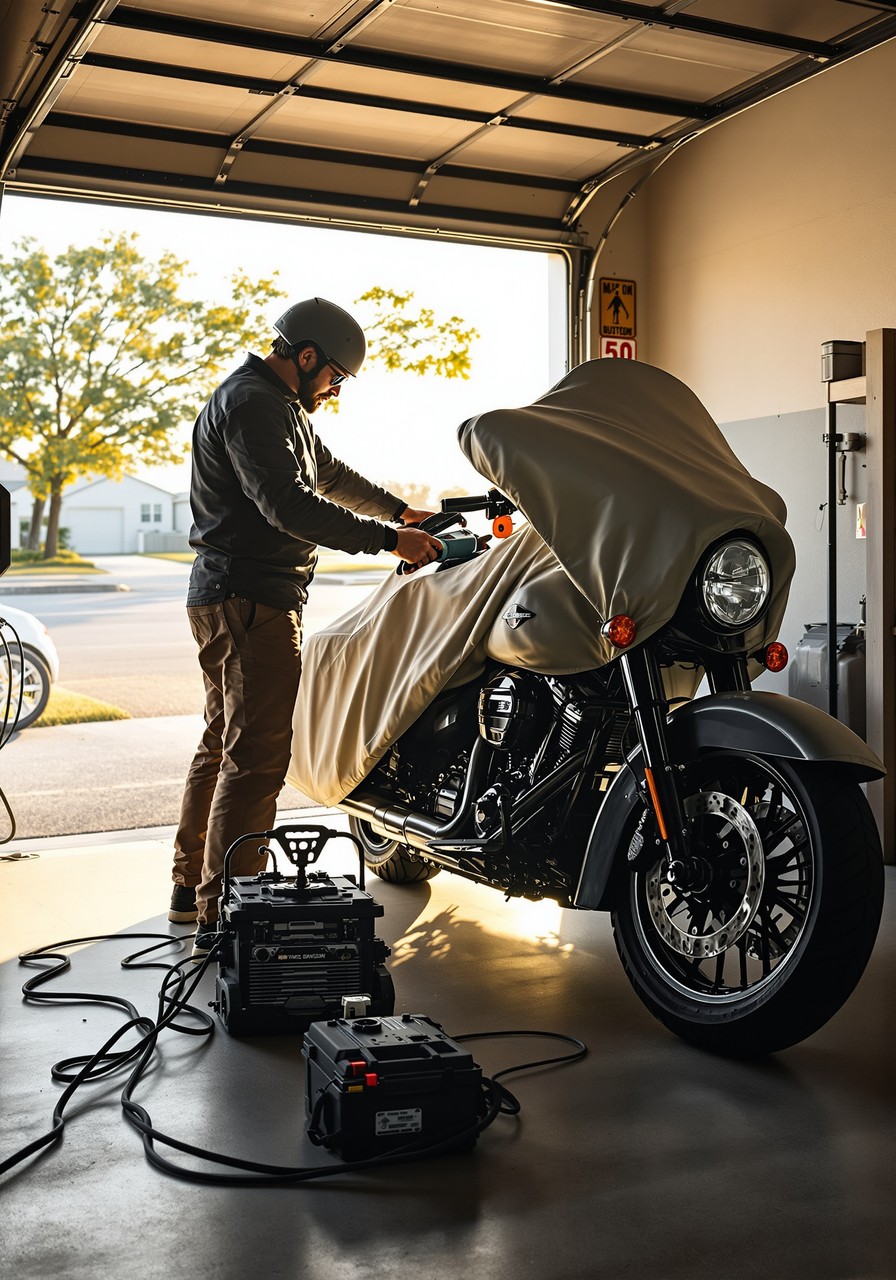
That $10k medical coverage requirement is real for helmetless riders 21+ in Florida, but honestly a quality lid plus good insurance is the combo we love. Gear up anyway. #RideNationPensacola #GearUp #RideSafe
Safety & Florida Law
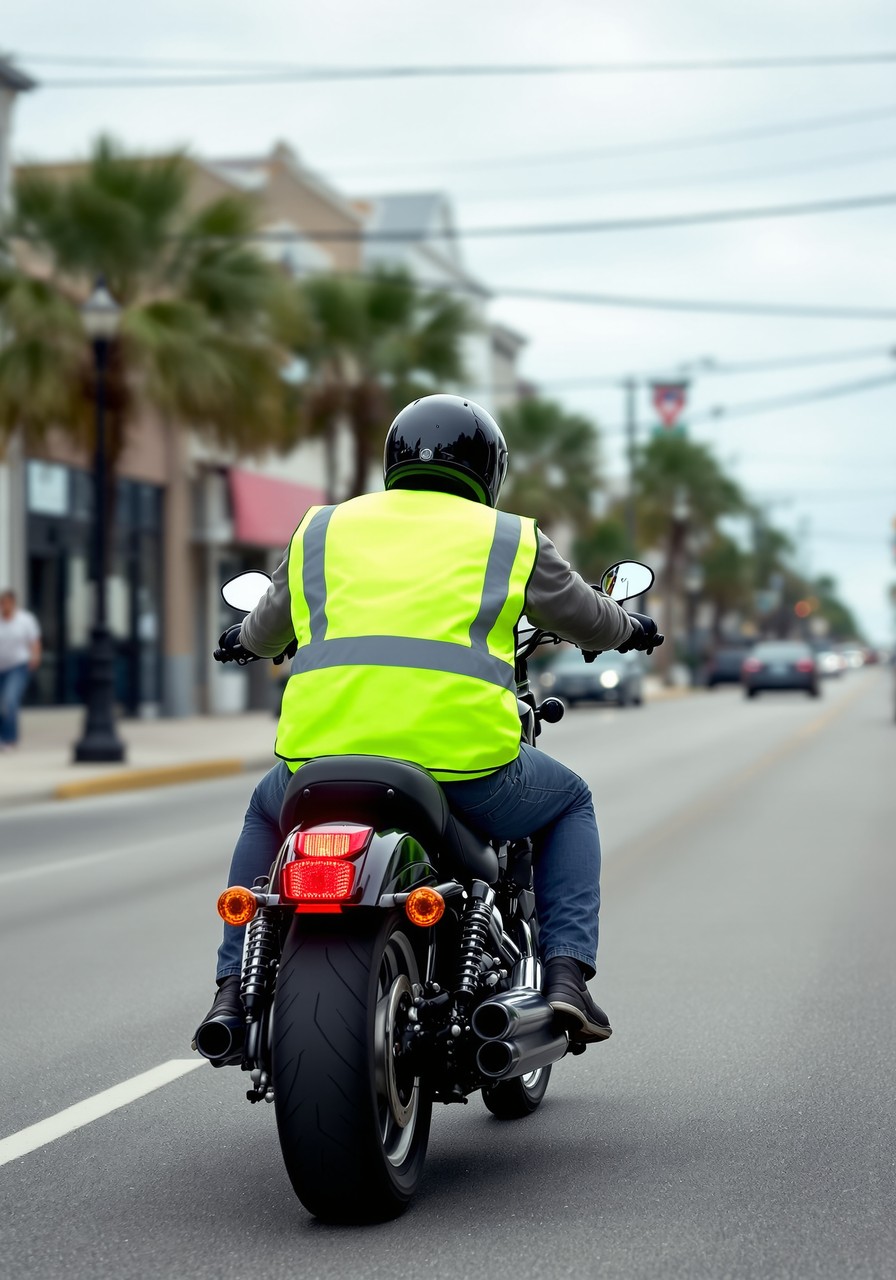
Fault matters more than ever under Florida's 51 percent bar, so document the scene. Photos and witnesses help show what really happened. Call Fasig Brooks at (850) 427-2722. #RideNationPensacola #FloridaLaw #RideSafe
Engagement
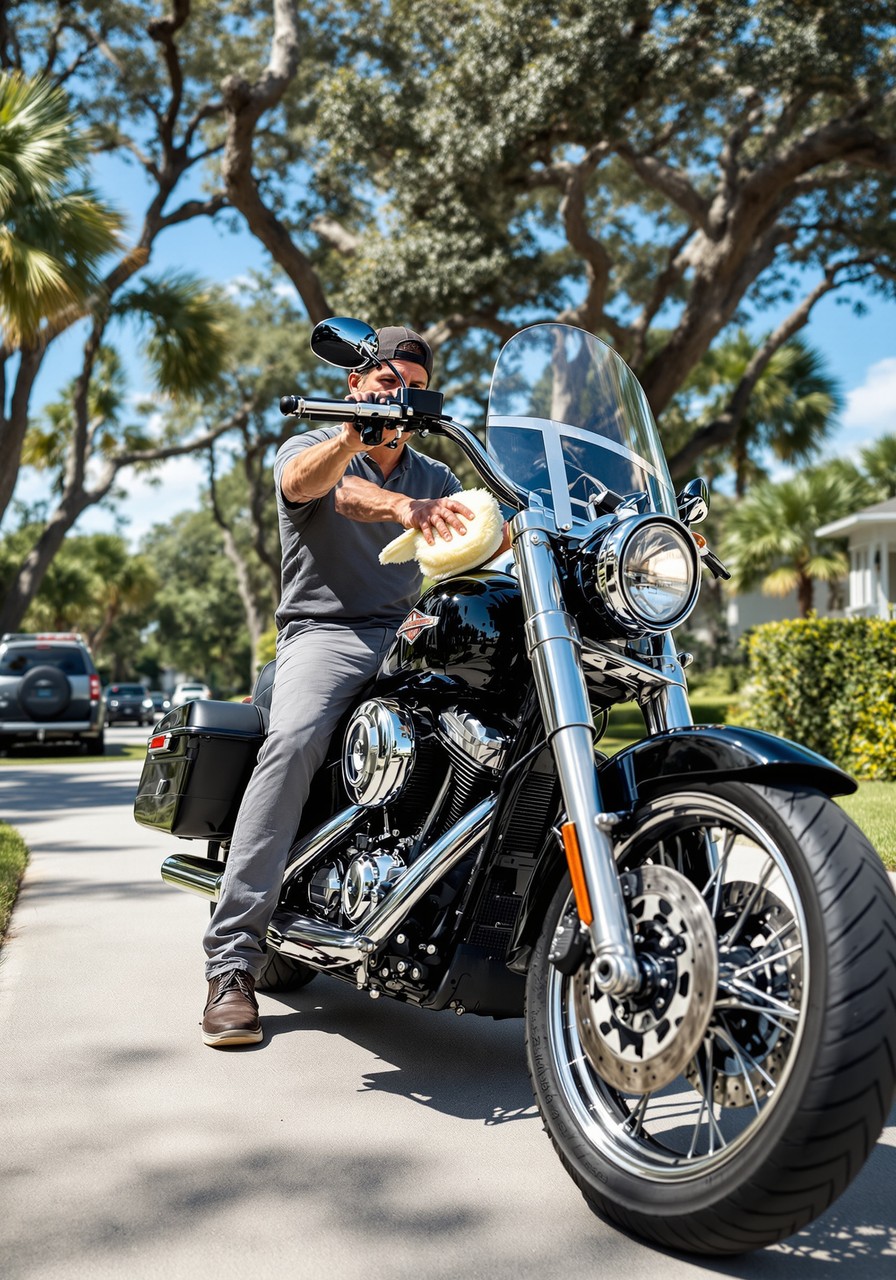
Rider confession: who else keeps riding gear in the truck year-round because the Gulf Coast never really stops? #RideNationPensacola #GulfCoastRiders #850
Giveaway & Countdown
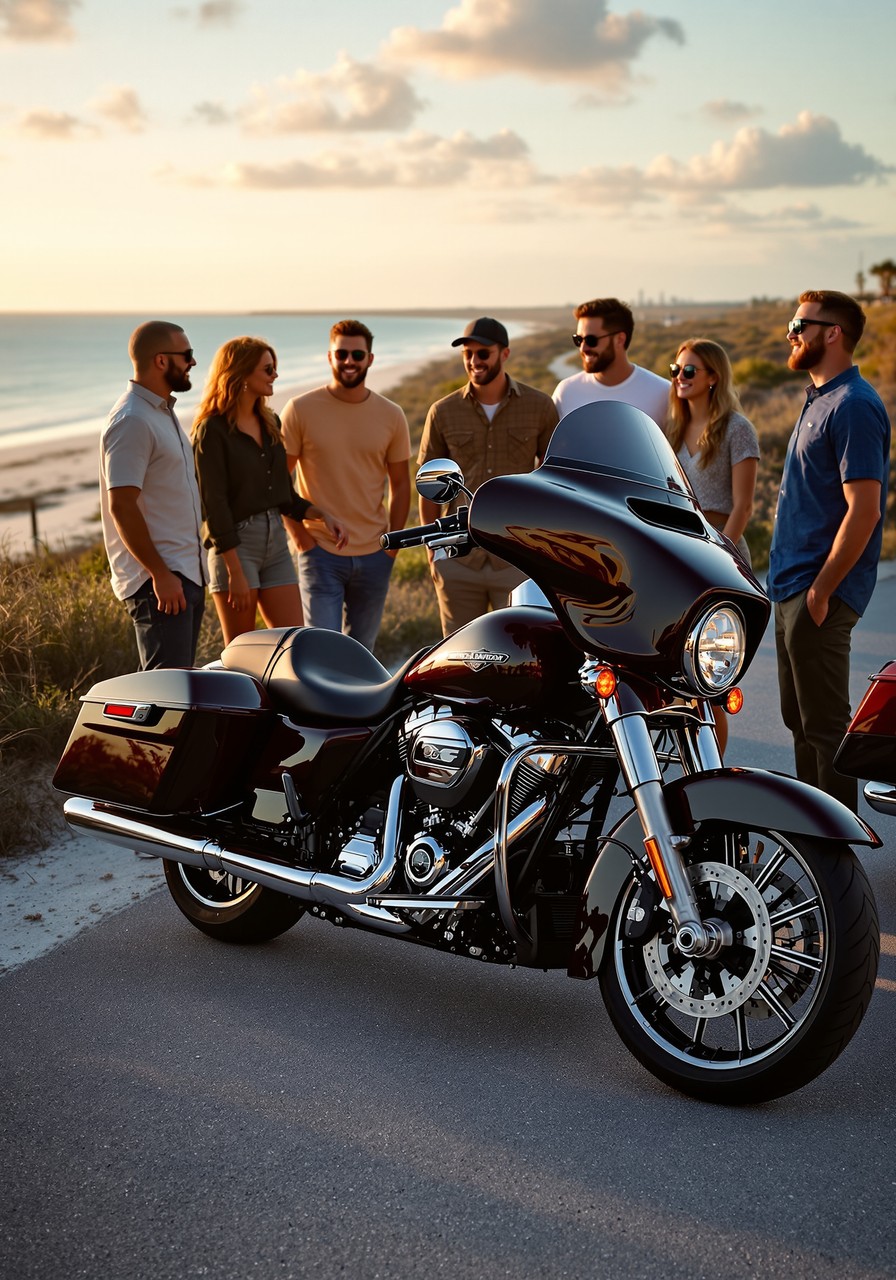
How do you get entered for free? Call Fasig Brooks at (850) 427-2722 and ask about the BikersWin $20,000 giveaway. #RideNationPensacola #20kGiveaway
Local Pensacola & Rides
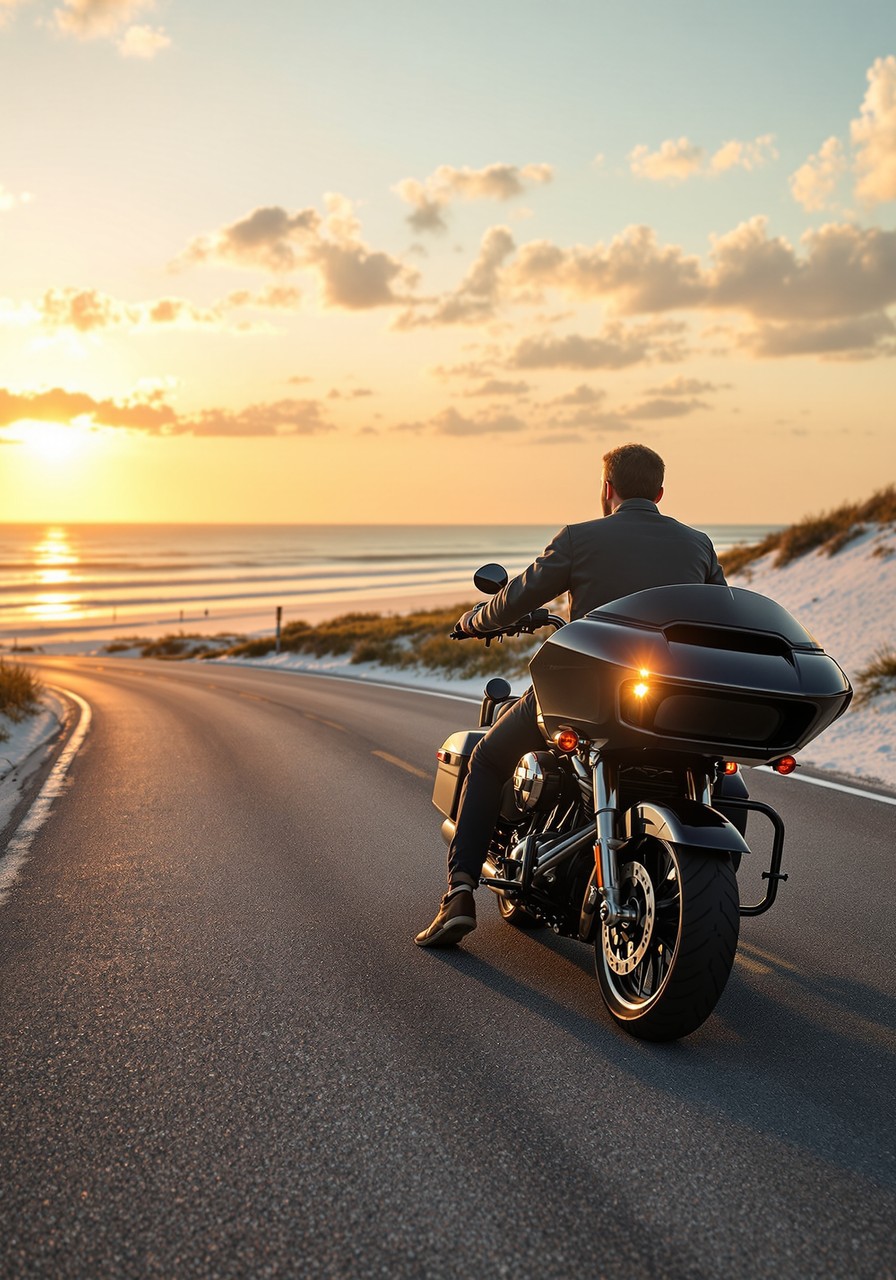
Navarre Beach at low tide, a plate of fresh shrimp, and a slow ride home. That's a Gulf Coast day well spent. #RideNationPensacola #Navarre #GulfCoastRiders
Gear & New Iron
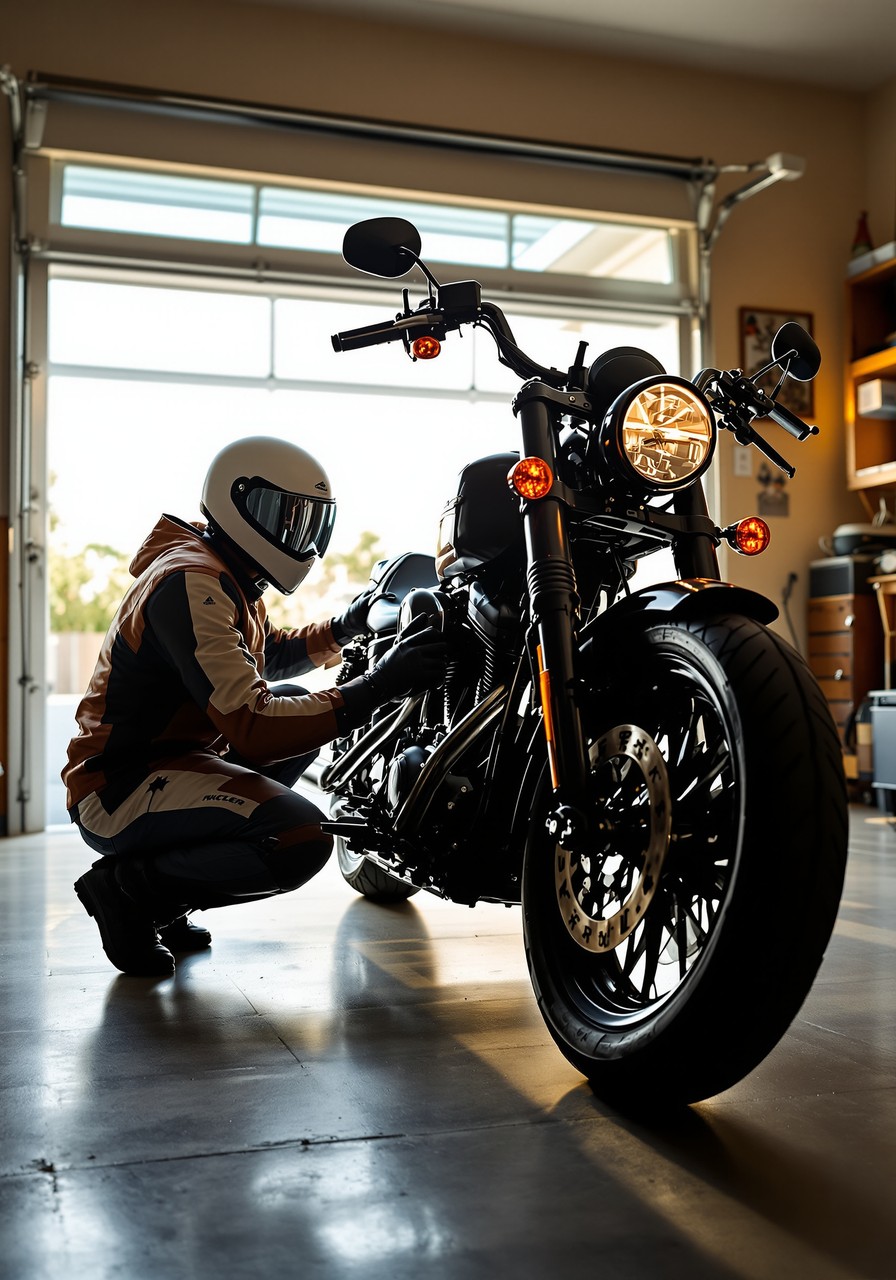
A summer mesh jacket and a winter textile jacket cover almost every Gulf Coast day. Two pieces, twelve months of riding. #RideNationPensacola #MotorcycleGear #GulfCoastRiders
Safety & Florida Law
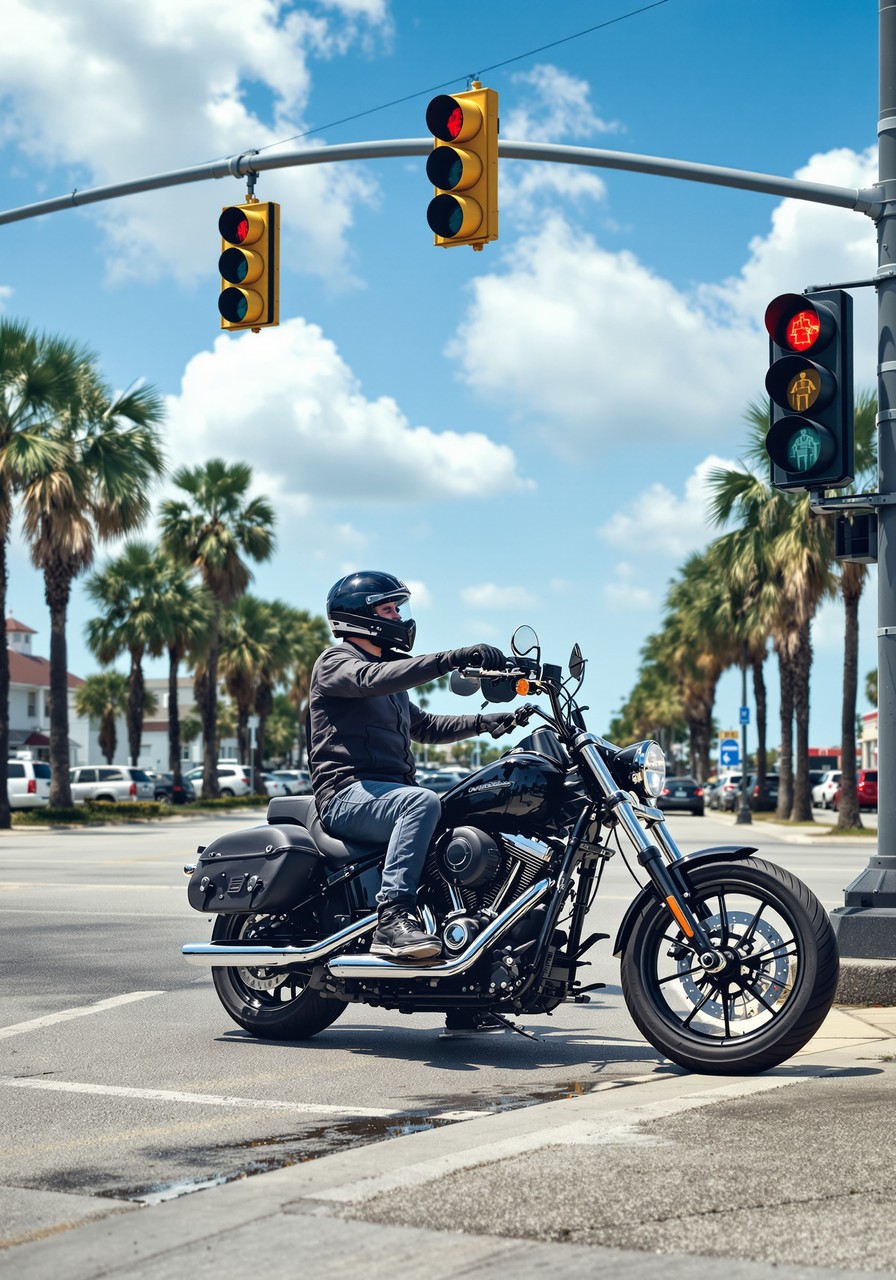
Dense fog on the Bob Sikes Bridge is no joke at dawn. If you cannot see, pull over safely and wait it out. #RideNationPensacola #RideSafe #FogSafety
Engagement
Poll: best Gulf sunset seat in the 850? A) Perdido Key B) Pensacola Beach C) Navarre pier side D) a bench you're keeping secret. #RideNationPensacola #PerdidoKey #PensacolaBeach
Giveaway & Countdown
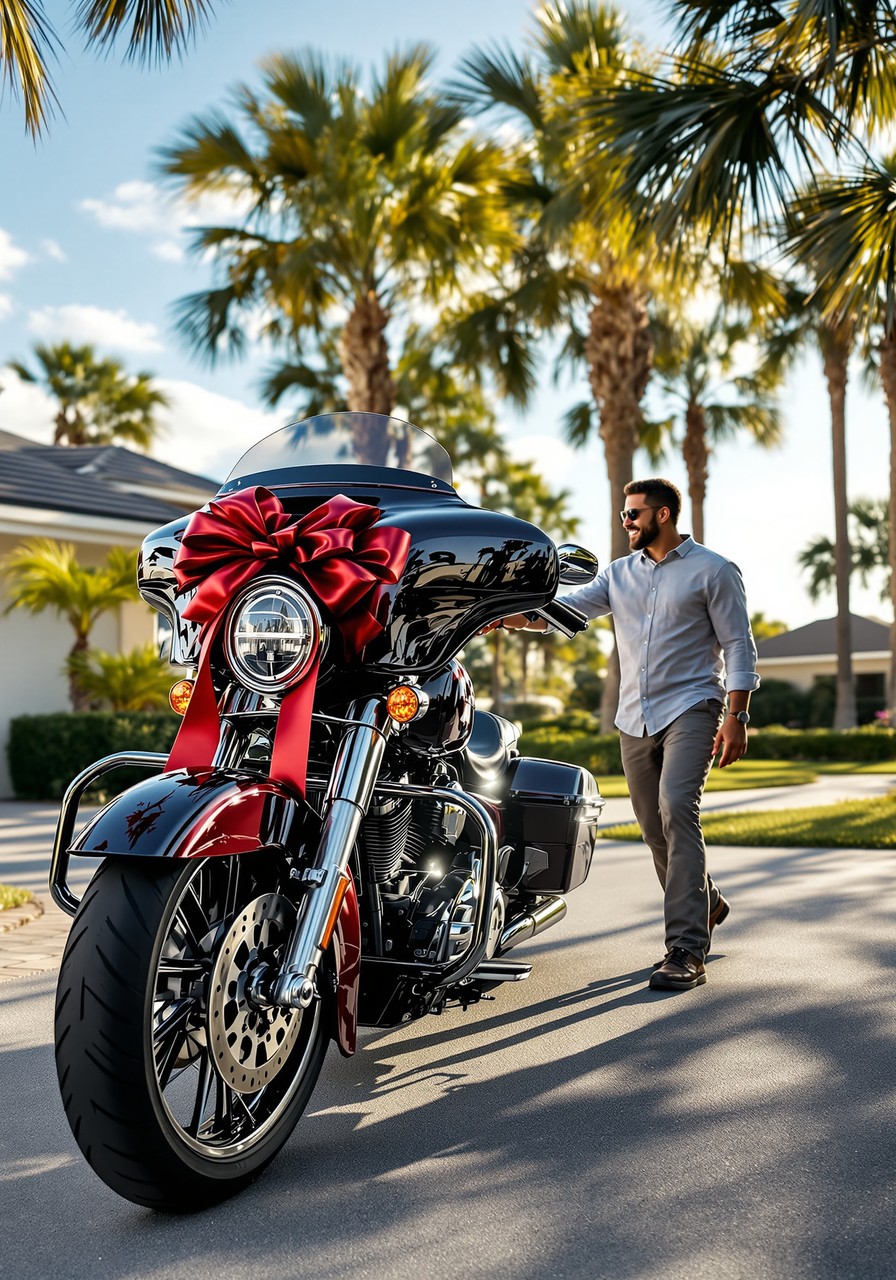
Twenty thousand dollars. One drawing. December 10. The whole RideNation is watching. #RideNationPensacola #BikersWin #20kGiveaway
Local Pensacola & Rides
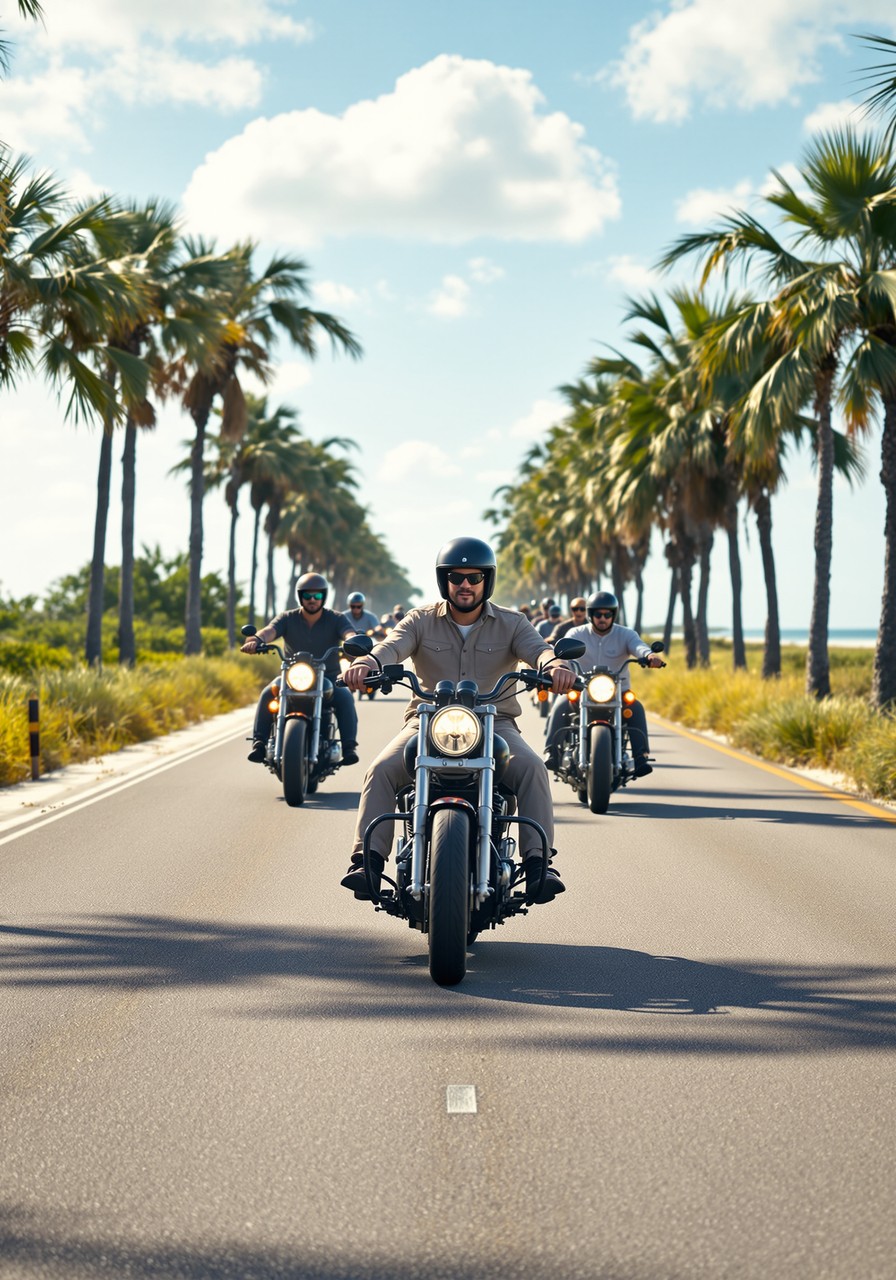
Fort Pickens at the end of Santa Rosa Island is worth the whole trip. Ride out, explore the old fort, ride back with the wind. #RideNationPensacola #FortPickens #PensacolaBeach
Gear & New Iron
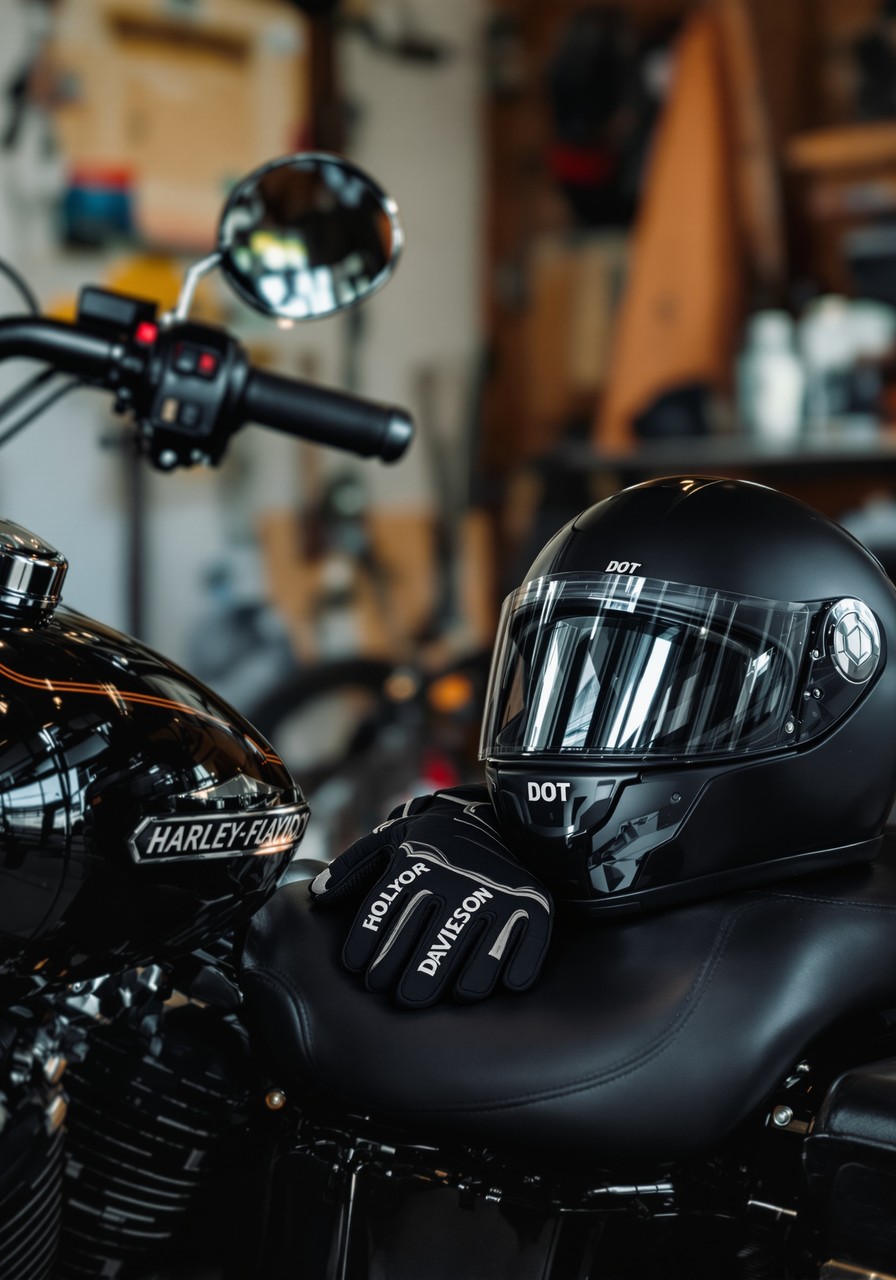
Foggy bridge mornings call for a Pinlock insert. No more wiping the shield at every light. #RideNationPensacola #RideSafe #Pensacola
Safety & Florida Law
The two year deadline on Florida injury claims comes up faster than people think. Protecting your rights early keeps your options open. Questions? Call Fasig Brooks at (850) 427-2722. #RideNationPensacola #FloridaLaw #RideSafe
Engagement
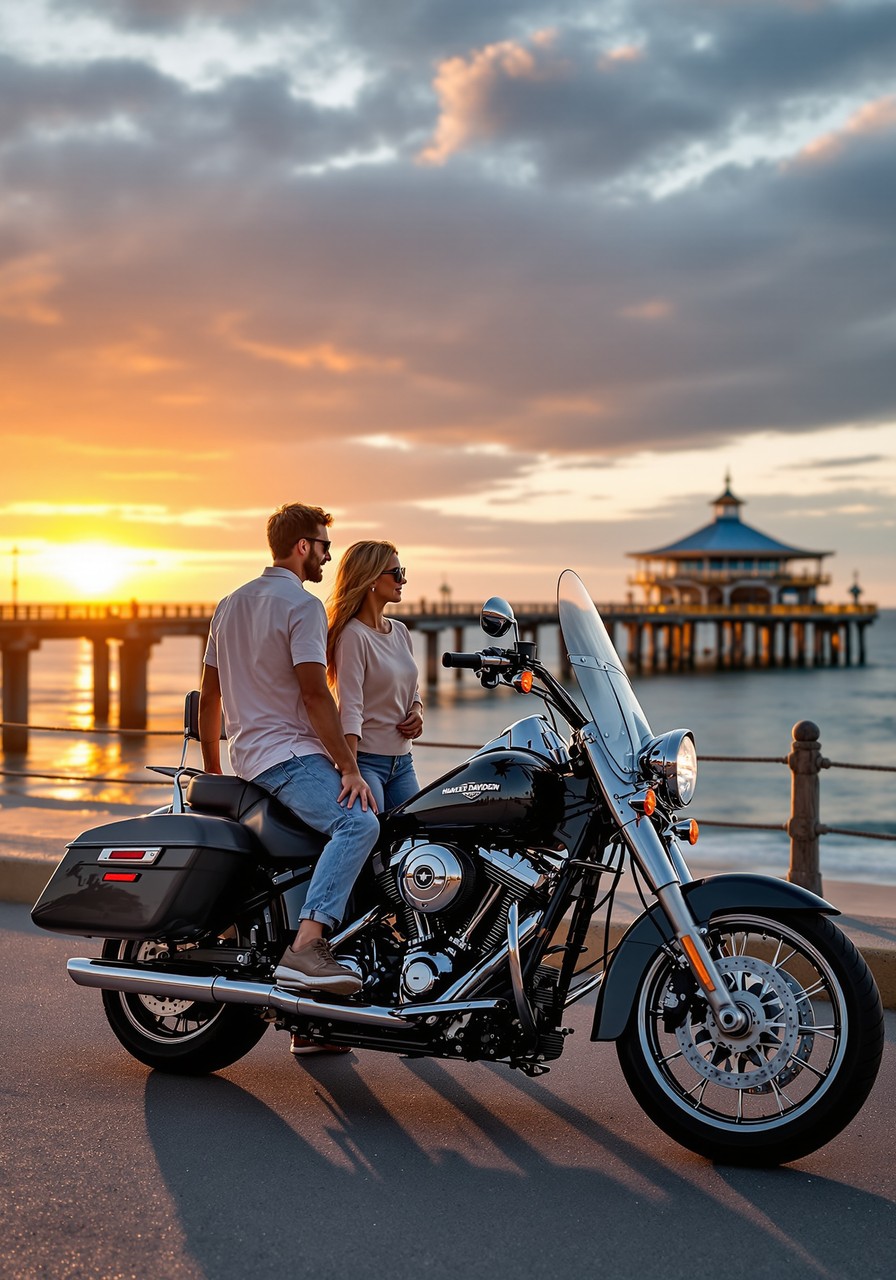
Tag a buddy who would drop everything for a last-minute run out to Gulf Islands National Seashore. #RideNationPensacola #GulfCoastRiders #Pensacola
Giveaway & Countdown
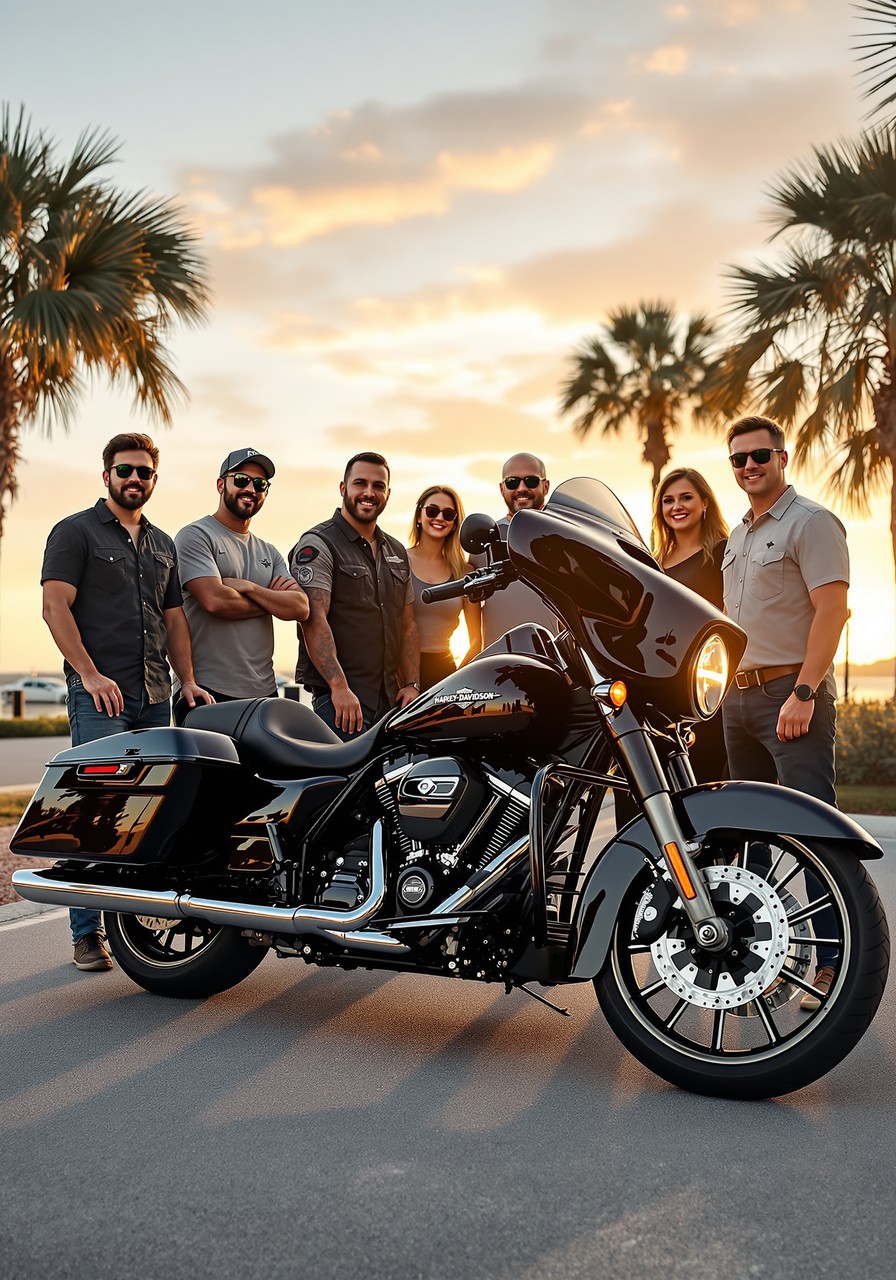
Been down on two wheels? Fasig Brooks is here to help, and talking to us about your crash enters you in the $20,000 giveaway for free. Call (850) 427-2722. #RideNationPensacola #BikersWin
Local Pensacola & Rides
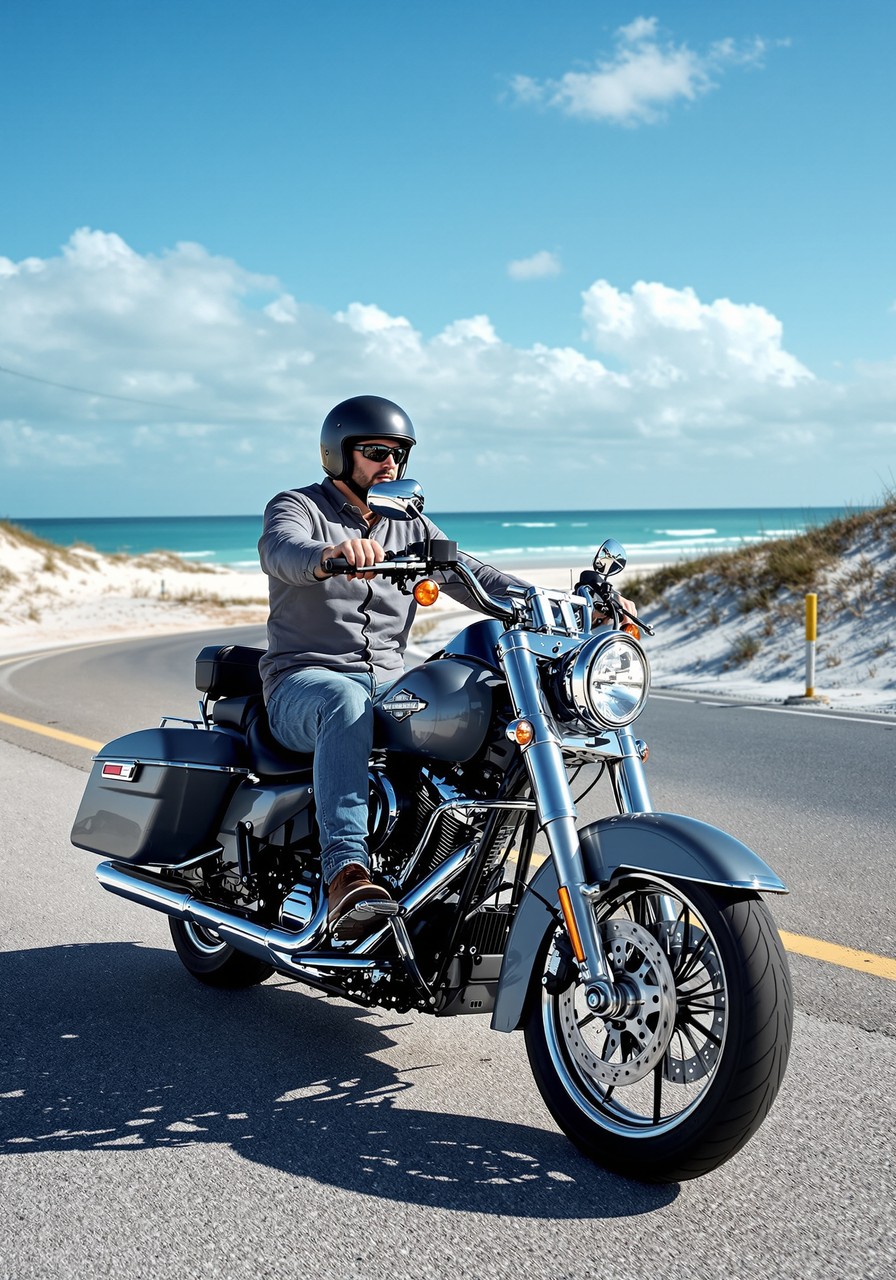
Year-round riding is the Gulf Coast gift. Even in the cooler months, a clear afternoon on Perdido Key beats staying indoors. #RideNationPensacola #PerdidoKey #GulfCoastRiders
Gear & New Iron
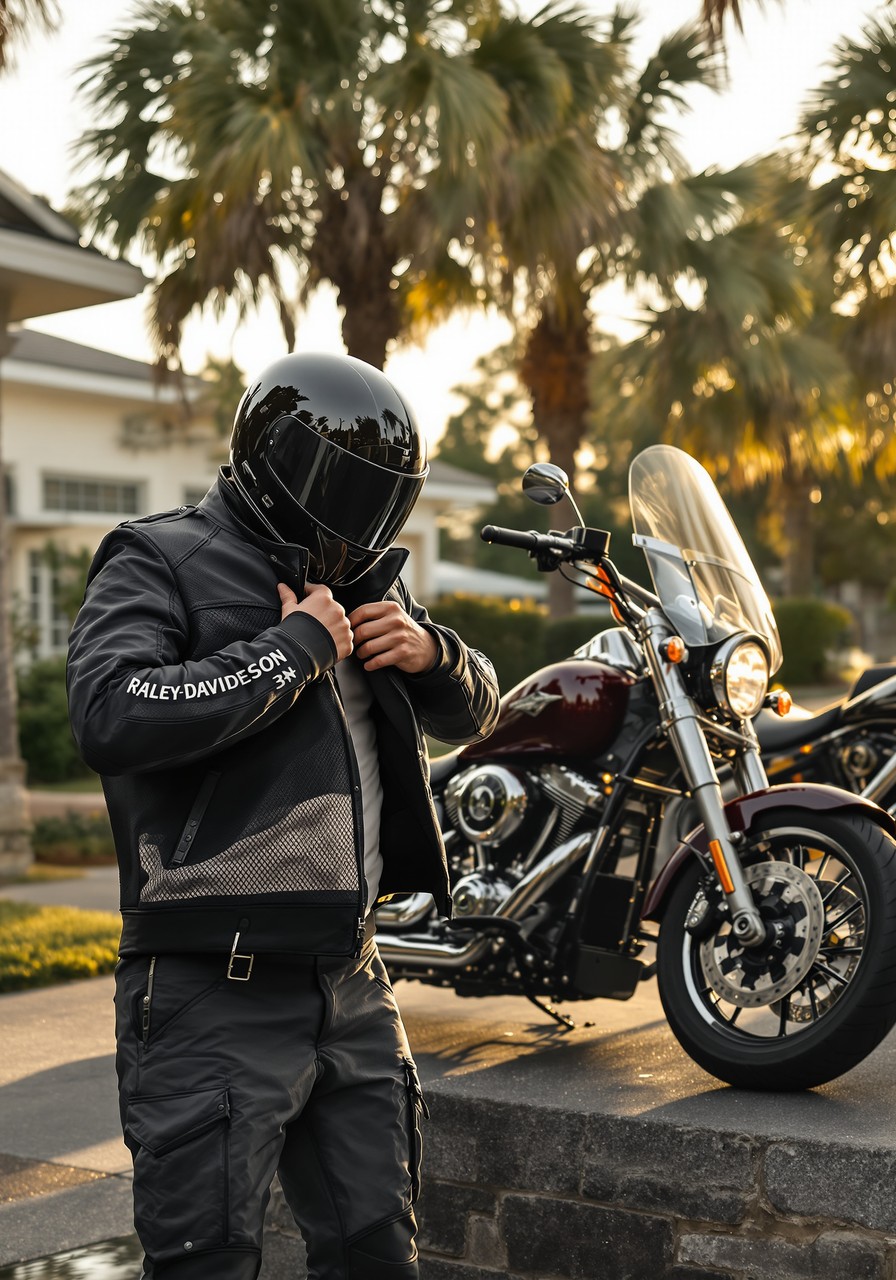
Break in new boots before the long ride, not during it. Your feet will file a complaint otherwise. #RideNationPensacola #ATGATT #GearUp
Safety & Florida Law
Practice covering the front brake at every intersection until it is a habit. Reaction time is everything when a car cuts across. #RideNationPensacola #RideSafe #BrakeCover
Engagement
Fill in the blank: the best part of riding the Scenic Highway is ______. Tell us what keeps you coming back. #RideNationPensacola #ScenicHighway #850
Giveaway & Countdown
The buzz is real across Pensacola. A $20,000 motorcycle giveaway drawn December 10, free to enter. #RideNationPensacola #20kGiveaway
Local Pensacola & Rides
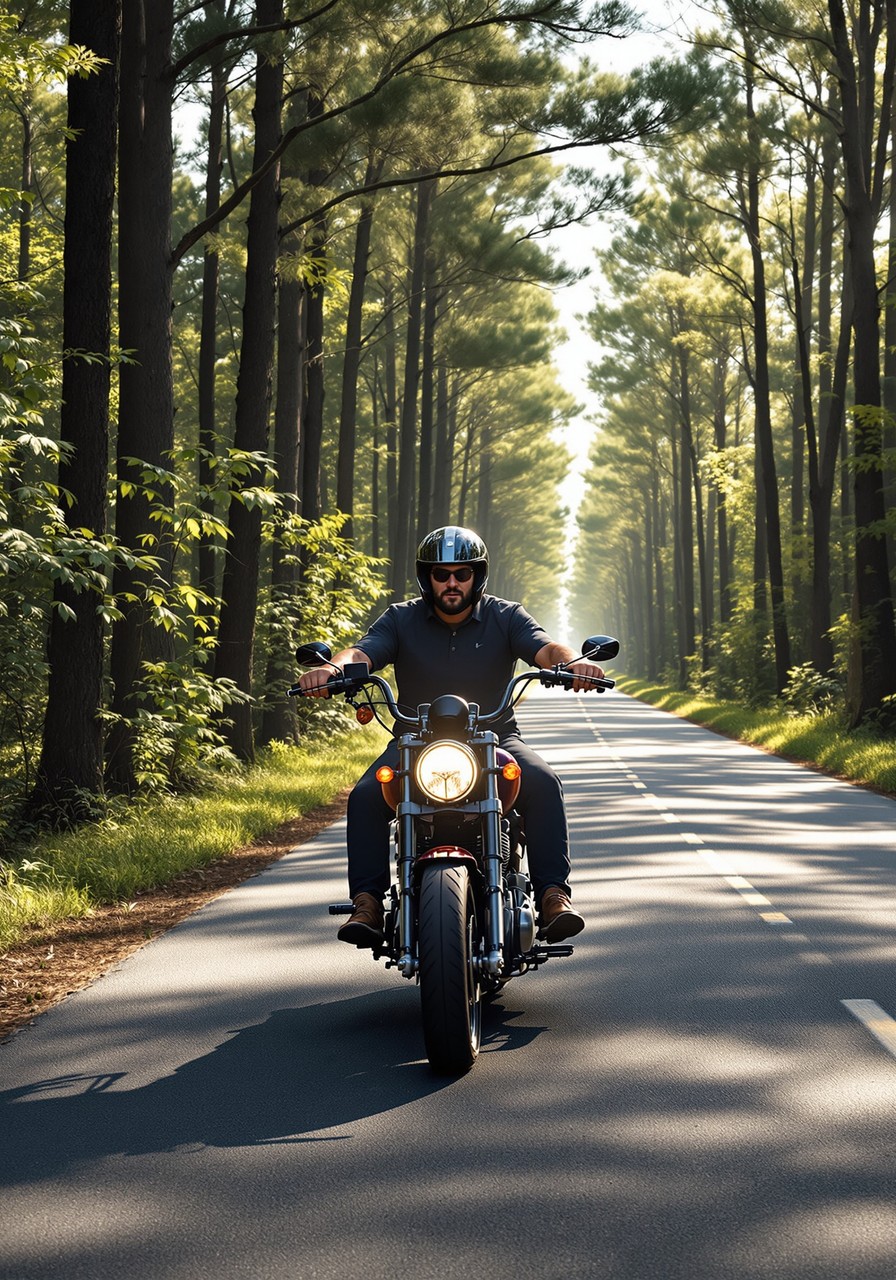
Blackwater River State Forest to Milton makes a great inland change of pace. Canopy roads, clean air, and plenty of curves. #RideNationPensacola #Milton #GulfCoastRiders
Gear & New Iron
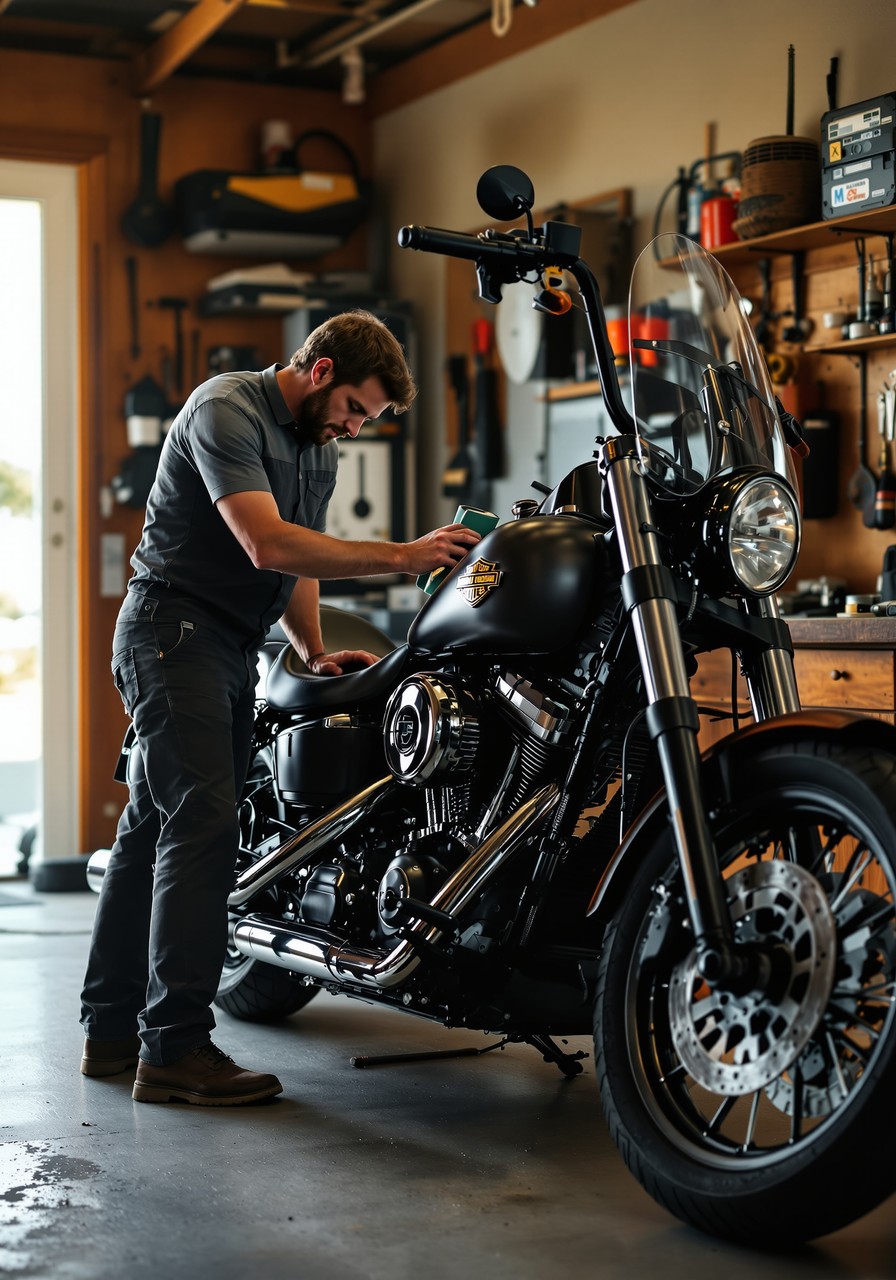
Chain lube, cable check, tire scan, lights. A five minute pre-ride once-over saves you from roadside surprises. #RideNationPensacola #MotorcycleMaintenance #RideSafe
Safety & Florida Law
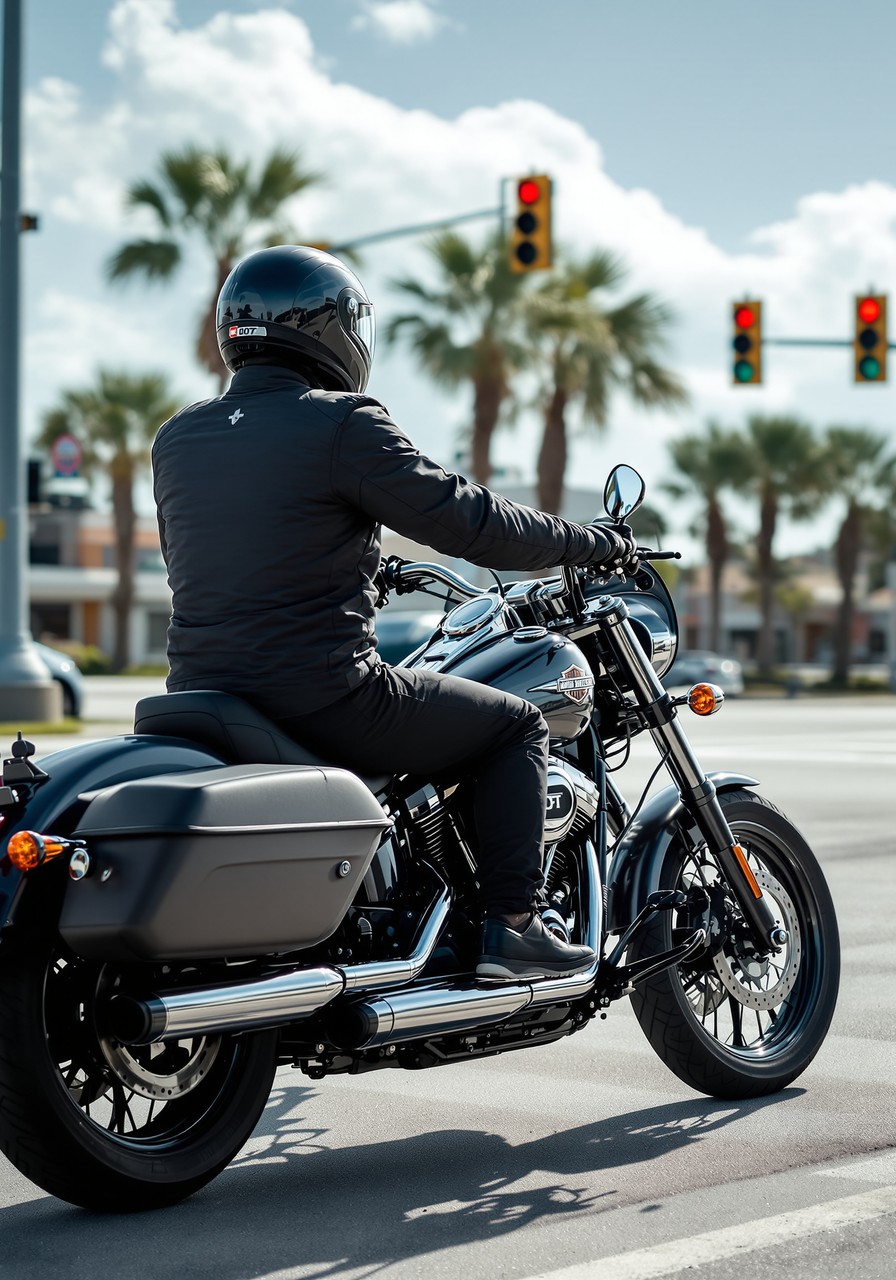
Because riders get no PIP in Florida, MedPay and UM/UIM can be the difference after a wreck. Worth a look at your policy this week. Call Fasig Brooks at (850) 427-2722. #RideNationPensacola #FloridaLaw #RideSafe
Engagement
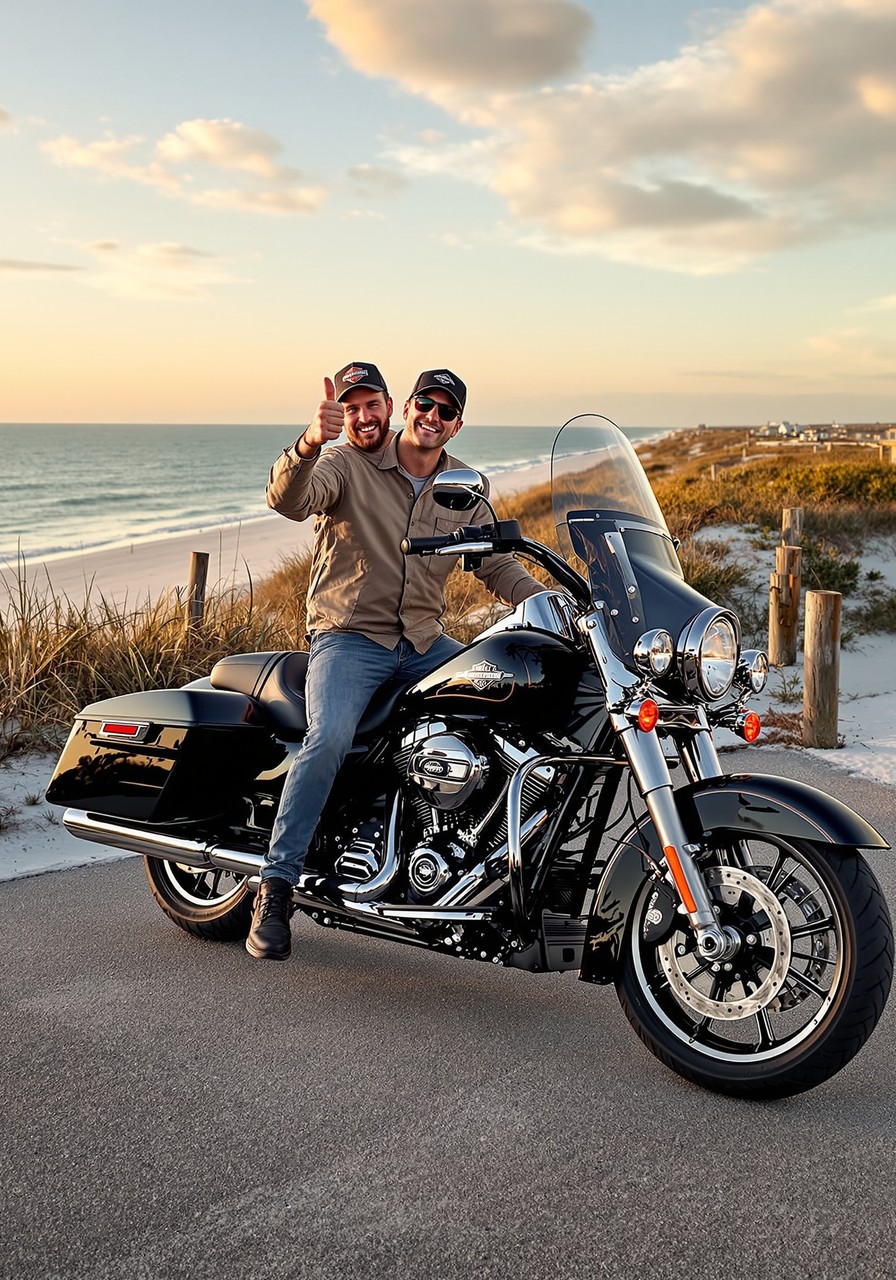
Favorite-road debate: Blackwater River State Forest curves or wide-open coastal US-98? Comment your side. #RideNationPensacola #GulfCoastRiders #Navarre
Giveaway & Countdown
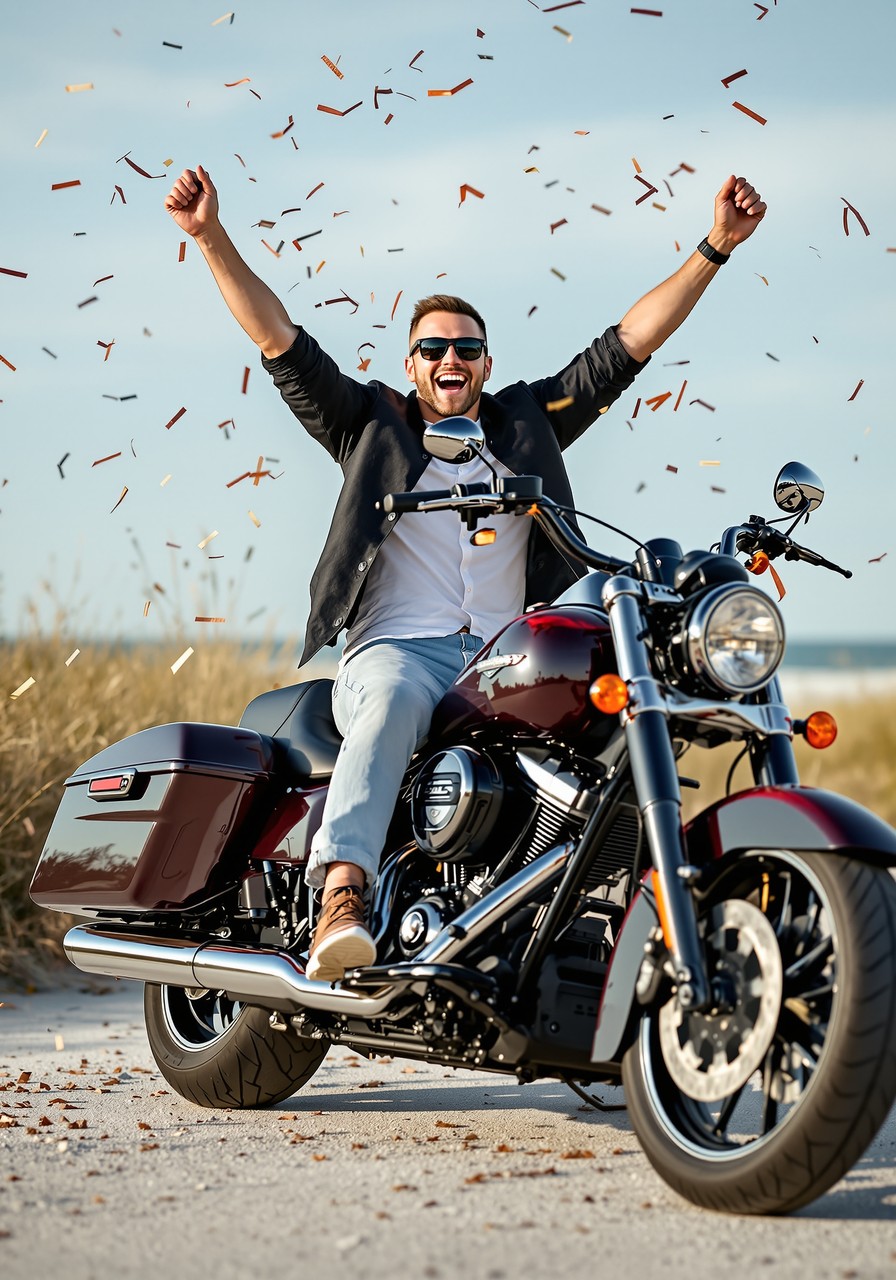
Want in on the BikersWin giveaway? Get the full scoop at fasigbrooks.com and see how riders enter for free. #RideNationPensacola #BikersWin
Local Pensacola & Rides
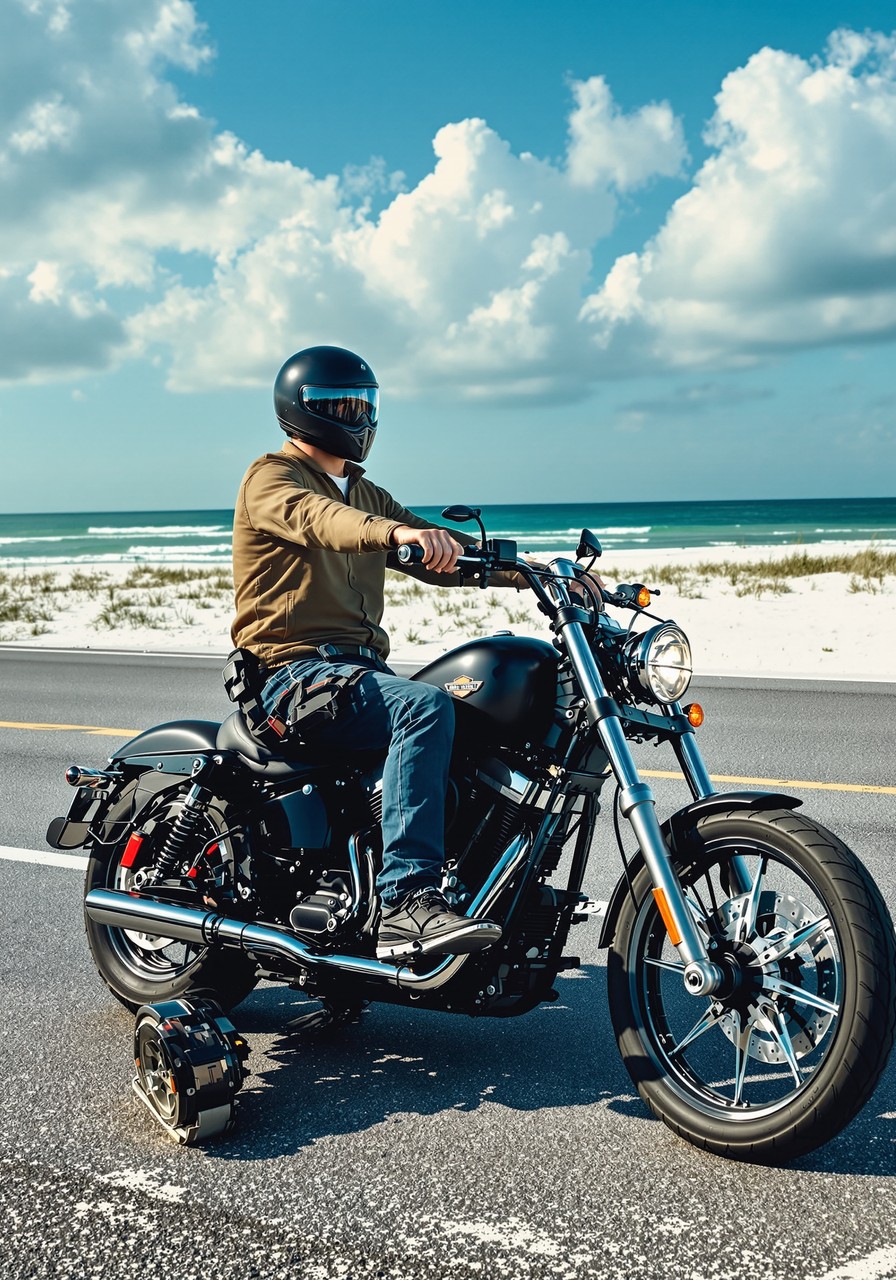
Three Mile Bridge, glassy bay, and a tailwind. Some mornings the Pensacola Bay Bridge just hands you the perfect start. #RideNationPensacola #Pensacola #GulfCoastRiders
Gear & New Iron
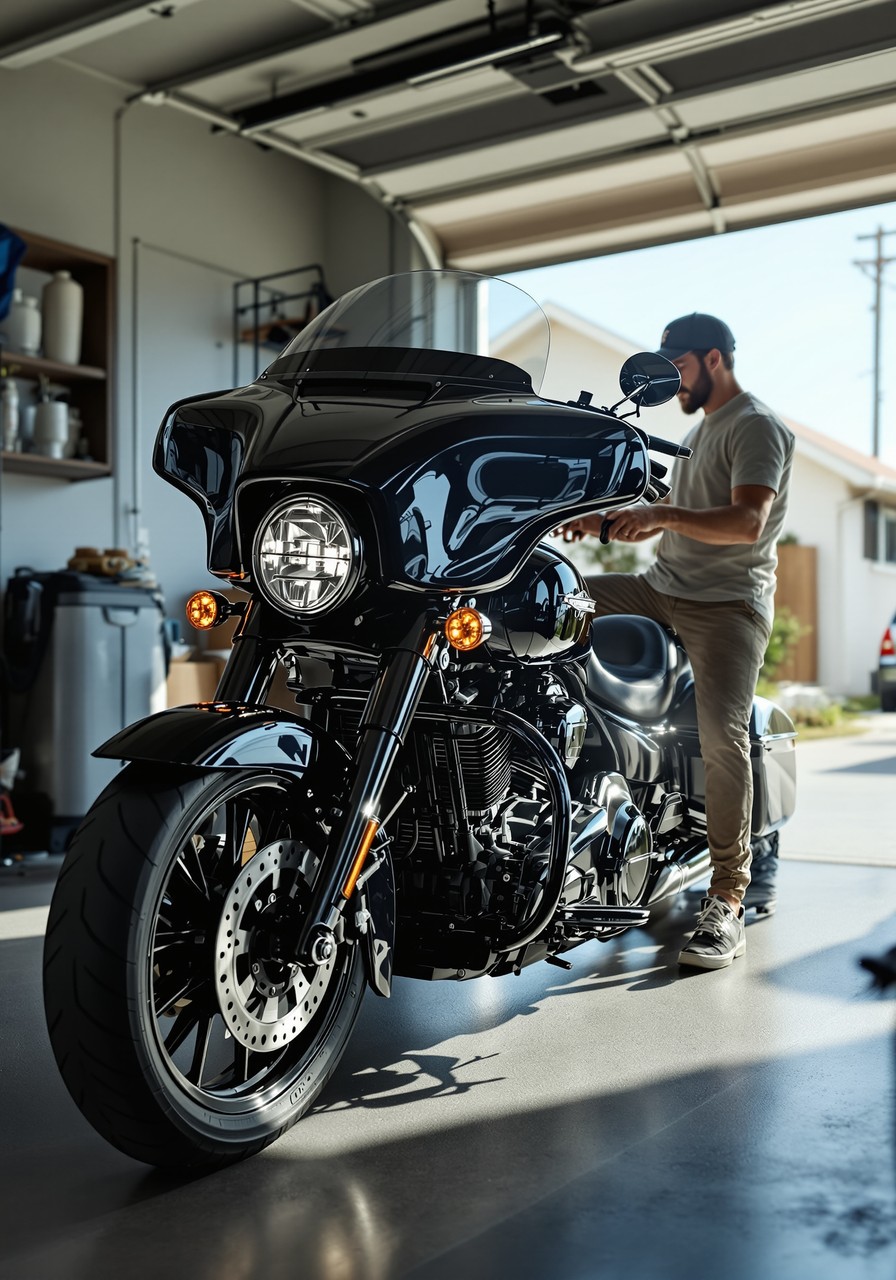
Considering your first big touring bike? Sit on a few, test the reach and the weight, and trust what feels right. #RideNationPensacola #NewIron #GearUp
Safety & Florida Law
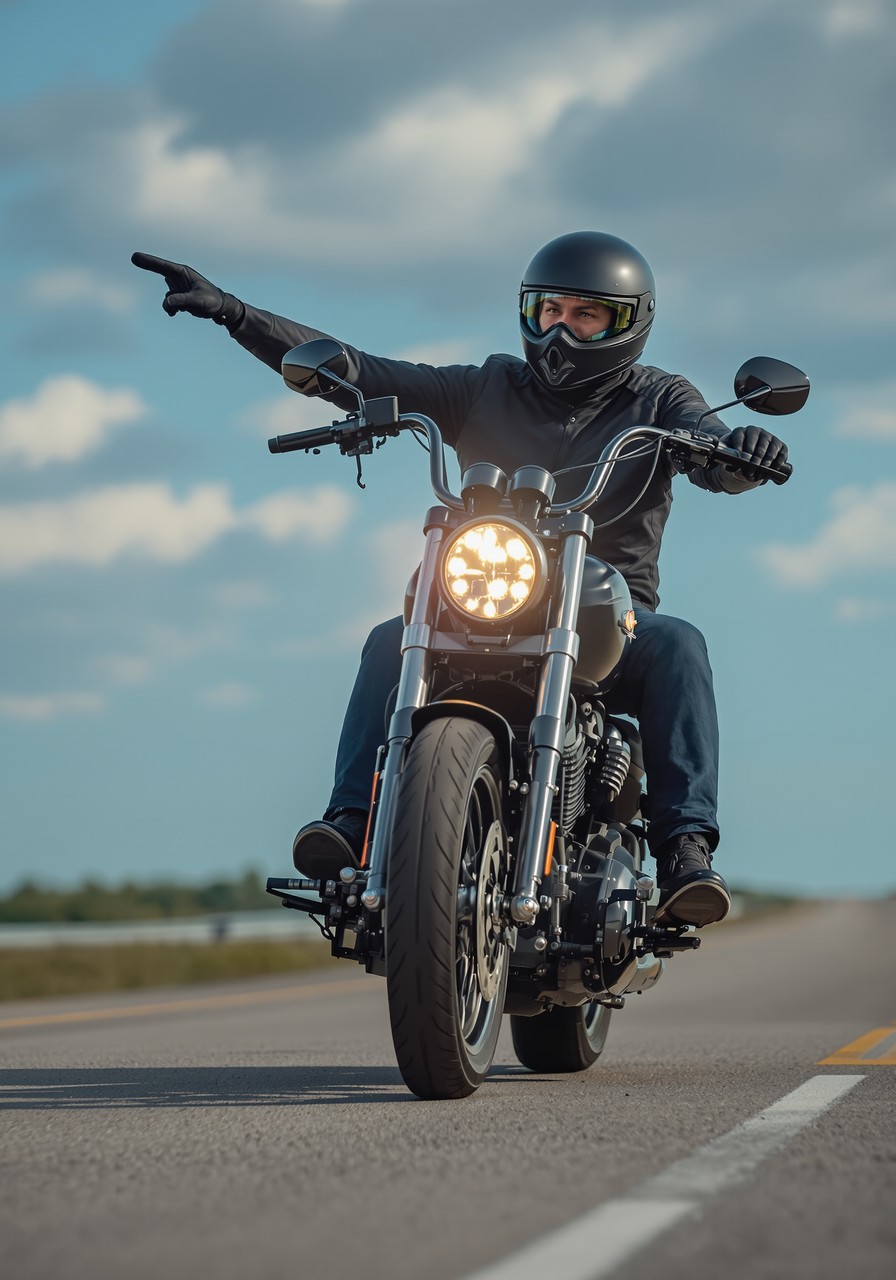
Do not post about a crash online while your claim is open. What you share can be pulled into the case later. Questions? Call Fasig Brooks at (850) 427-2722. #RideNationPensacola #RideSafe #AfterACrash
Engagement
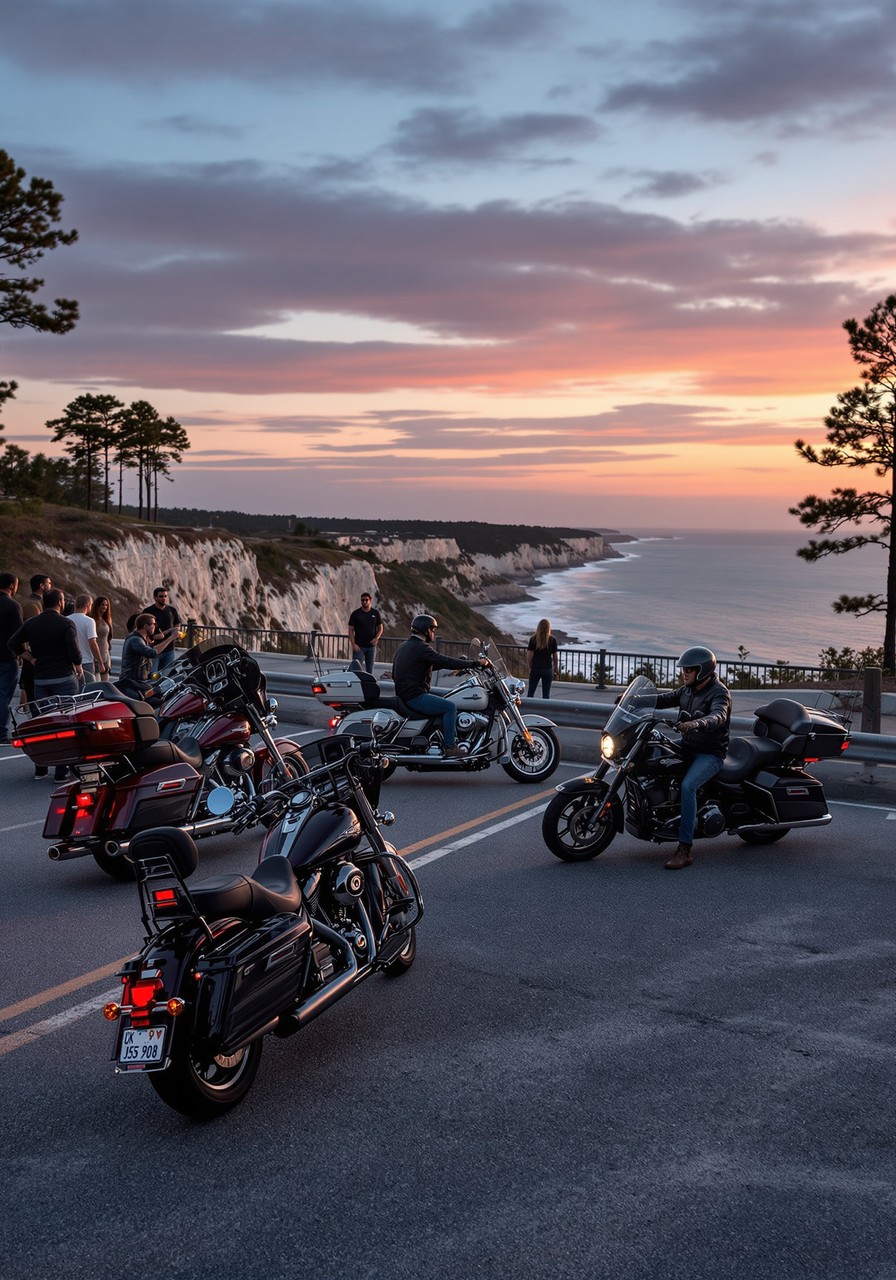
Weekend plans: who's chasing a Gulf sunset over Perdido Key with us? Drop a wave if you're in. #RideNationPensacola #PerdidoKey #850
Giveaway & Countdown
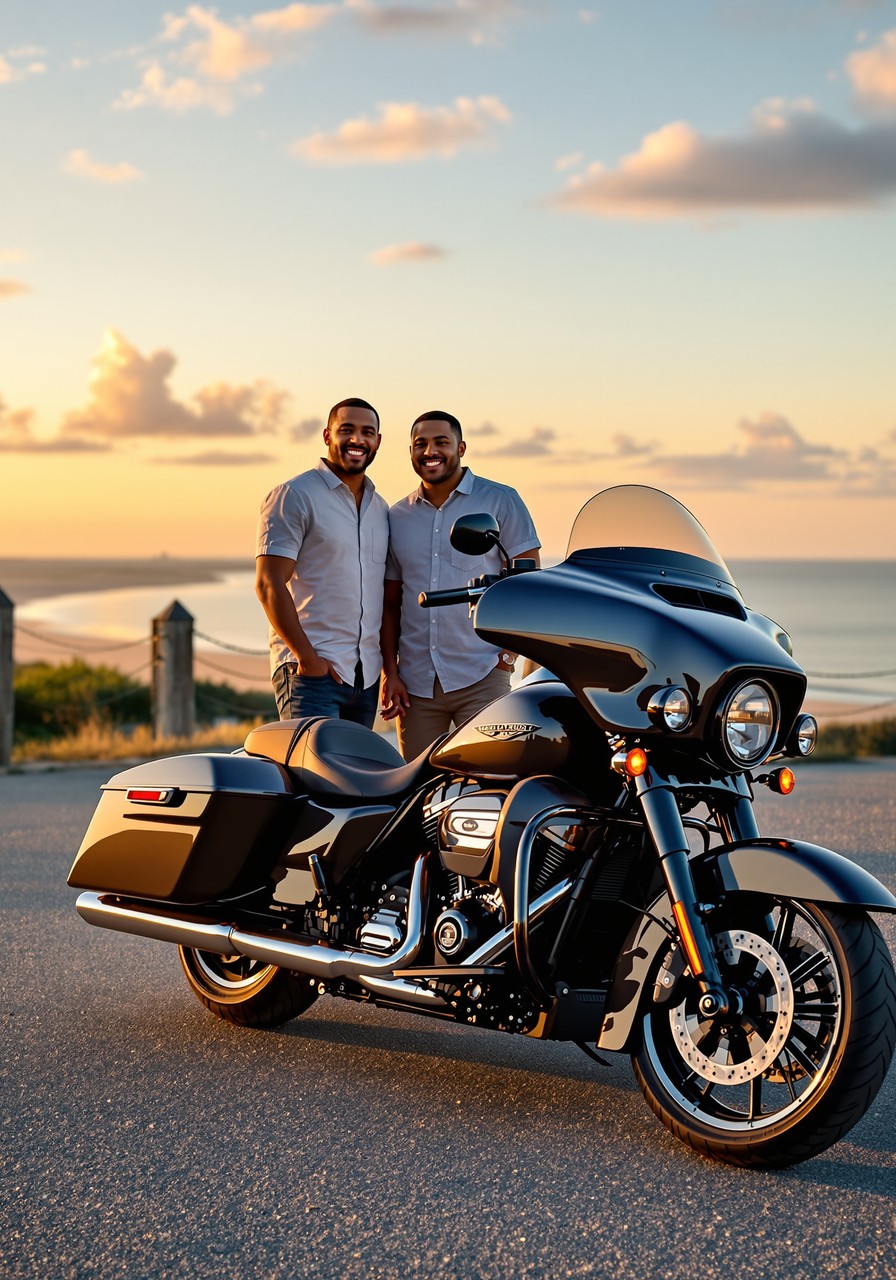
The days are counting down to December 10. The $20,000 motorcycle giveaway will not wait. #RideNationPensacola #20kGiveaway
Local Pensacola & Rides
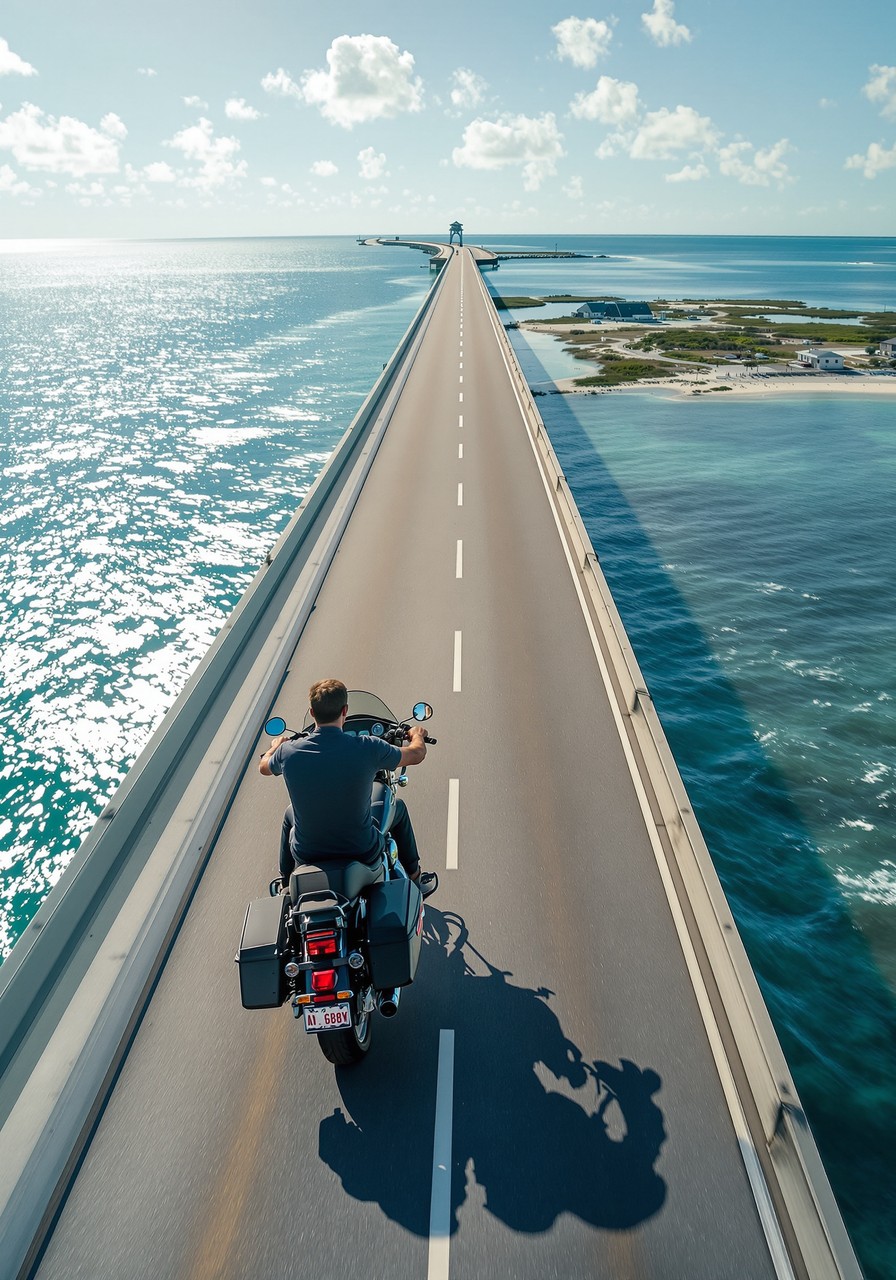
Gulf Islands National Seashore reminds you to slow down. Protected dunes, sea oats, and a coastline that looks the way it always has. #RideNationPensacola #FortPickens #GulfCoastRiders
Gear & New Iron
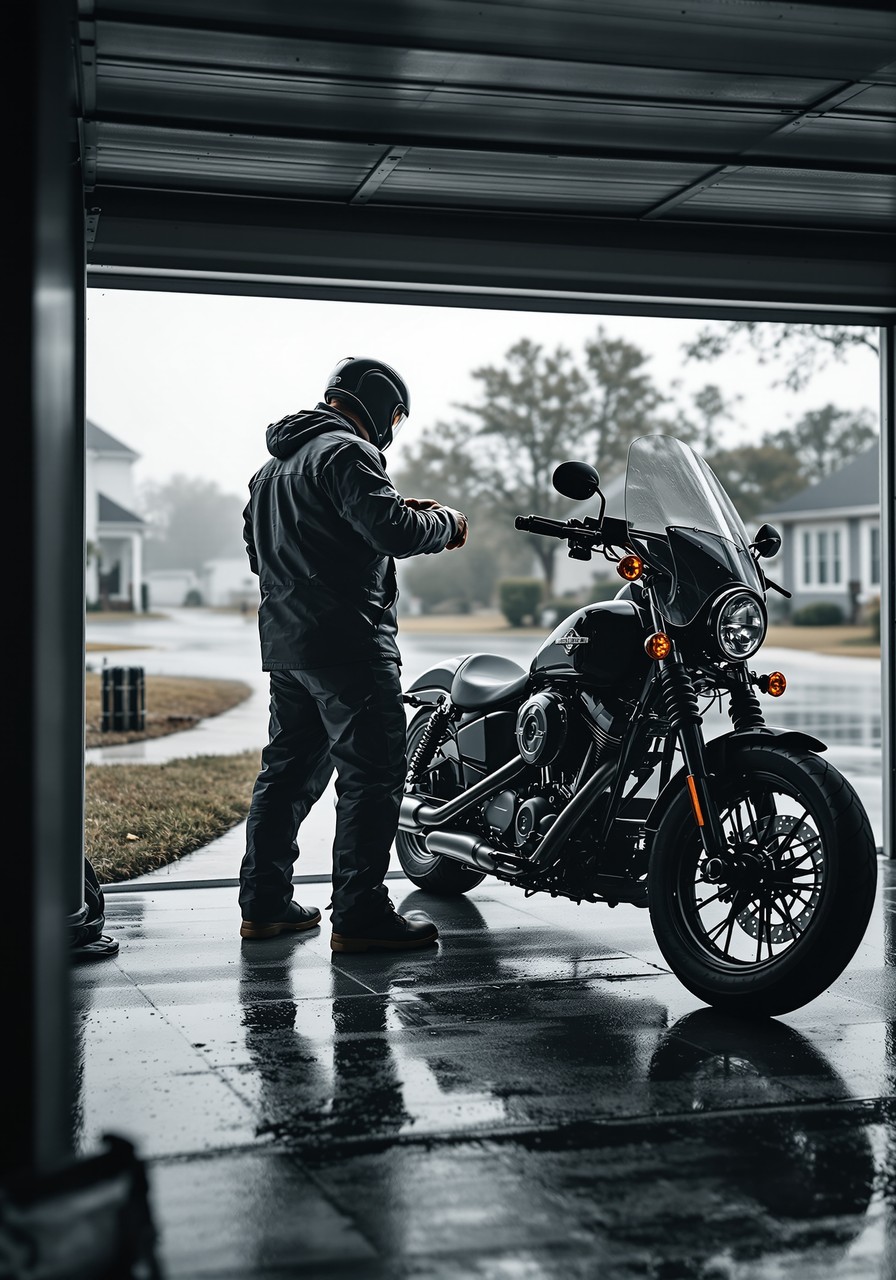
A neck gaiter is the unsung hero for cold snaps and buggy Gulf evenings. Cheap, packable, always useful. #RideNationPensacola #GearUp #GulfCoastRiders
Safety & Florida Law
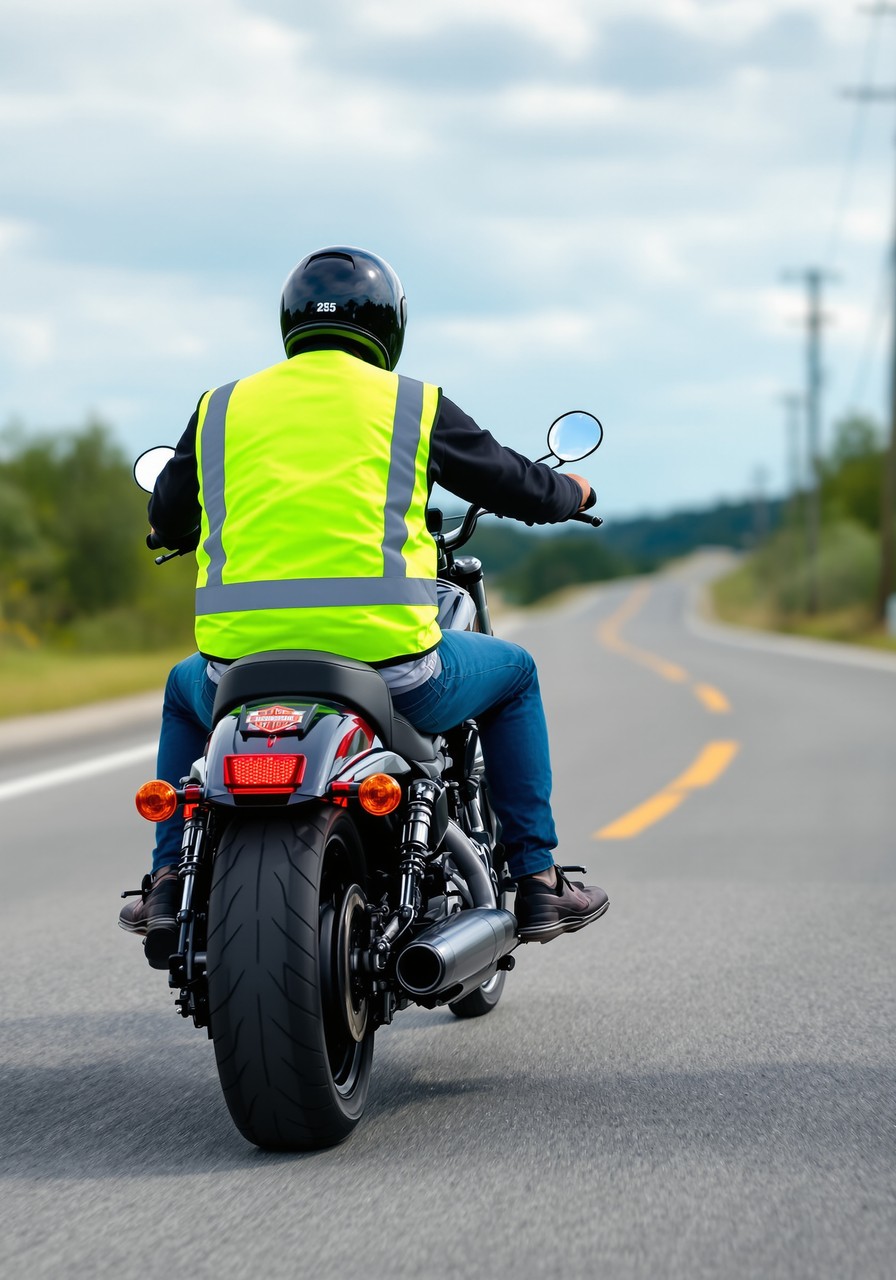
Left-turn crashes hurt riders the most. Slow into the gap, make eye contact when you can, and plan where you would go. #RideNationPensacola #RideSafe #LeftTurnAwareness
Engagement
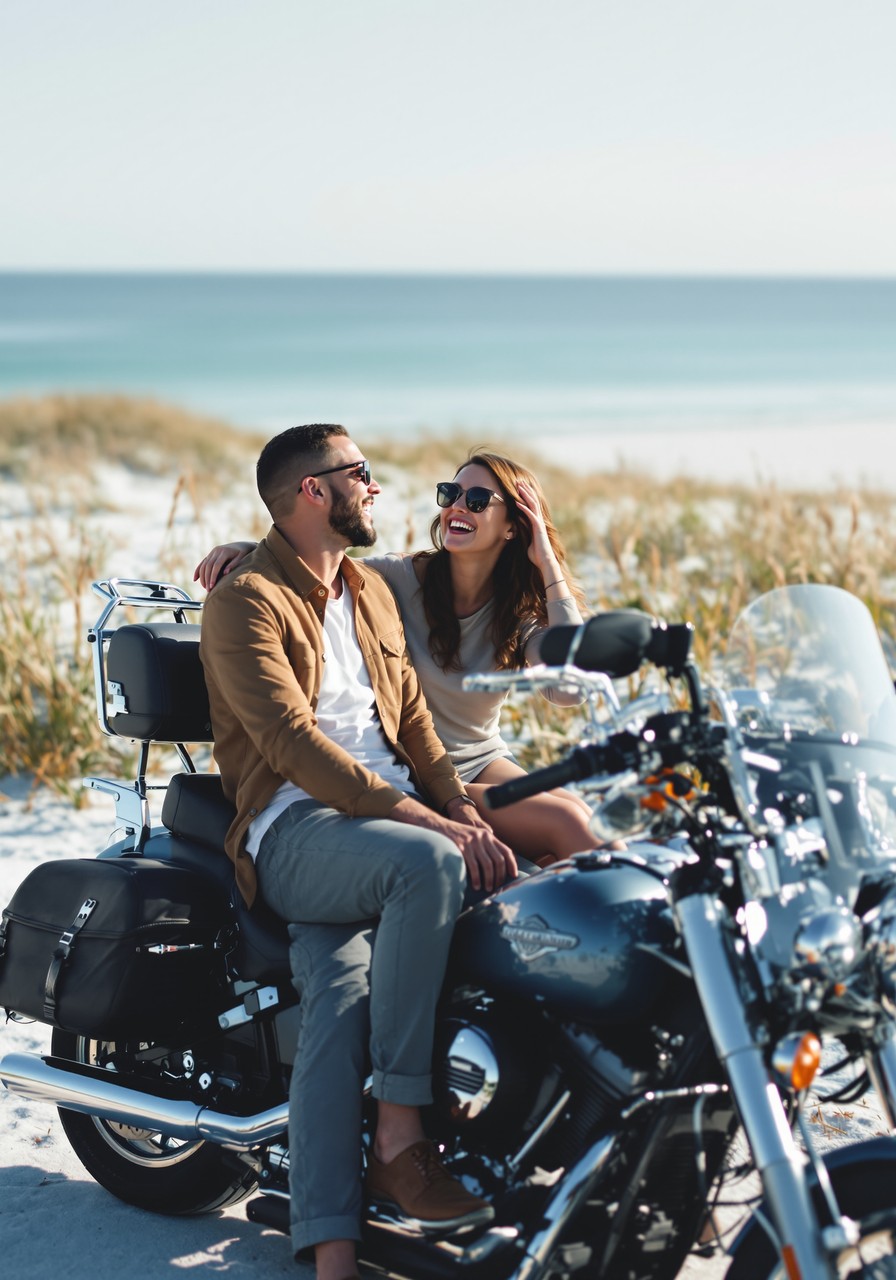
This or that: helmet cam footage of the bluffs, or a quiet ride where you just soak it in? How do you roll? #RideNationPensacola #ScenicHighway #Pensacola
Giveaway & Countdown
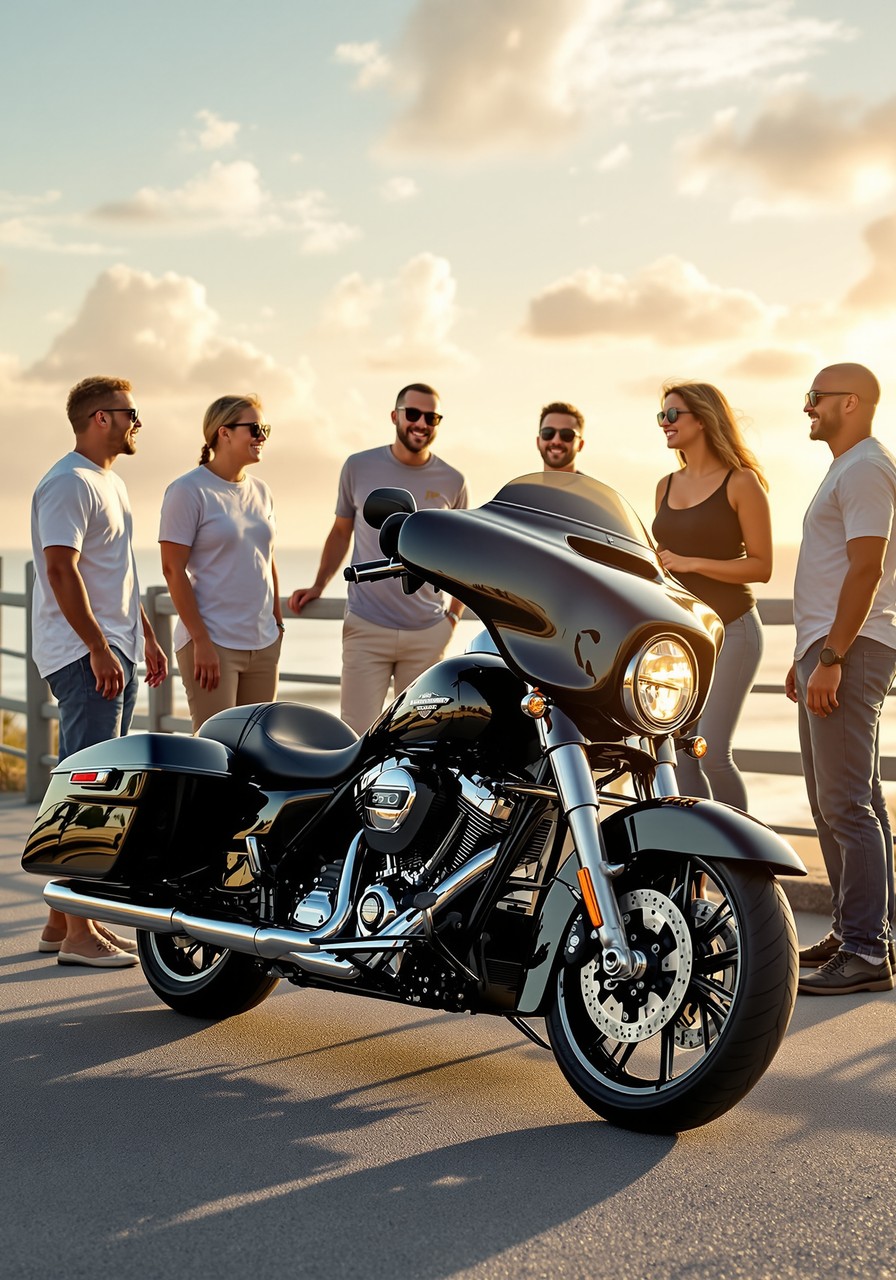
Fasig Brooks is proud to power the BikersWin $20,000 giveaway for NW Florida riders. Call (850) 427-2722 to ask how to enter. #RideNationPensacola #BikersWin
Local Pensacola & Rides
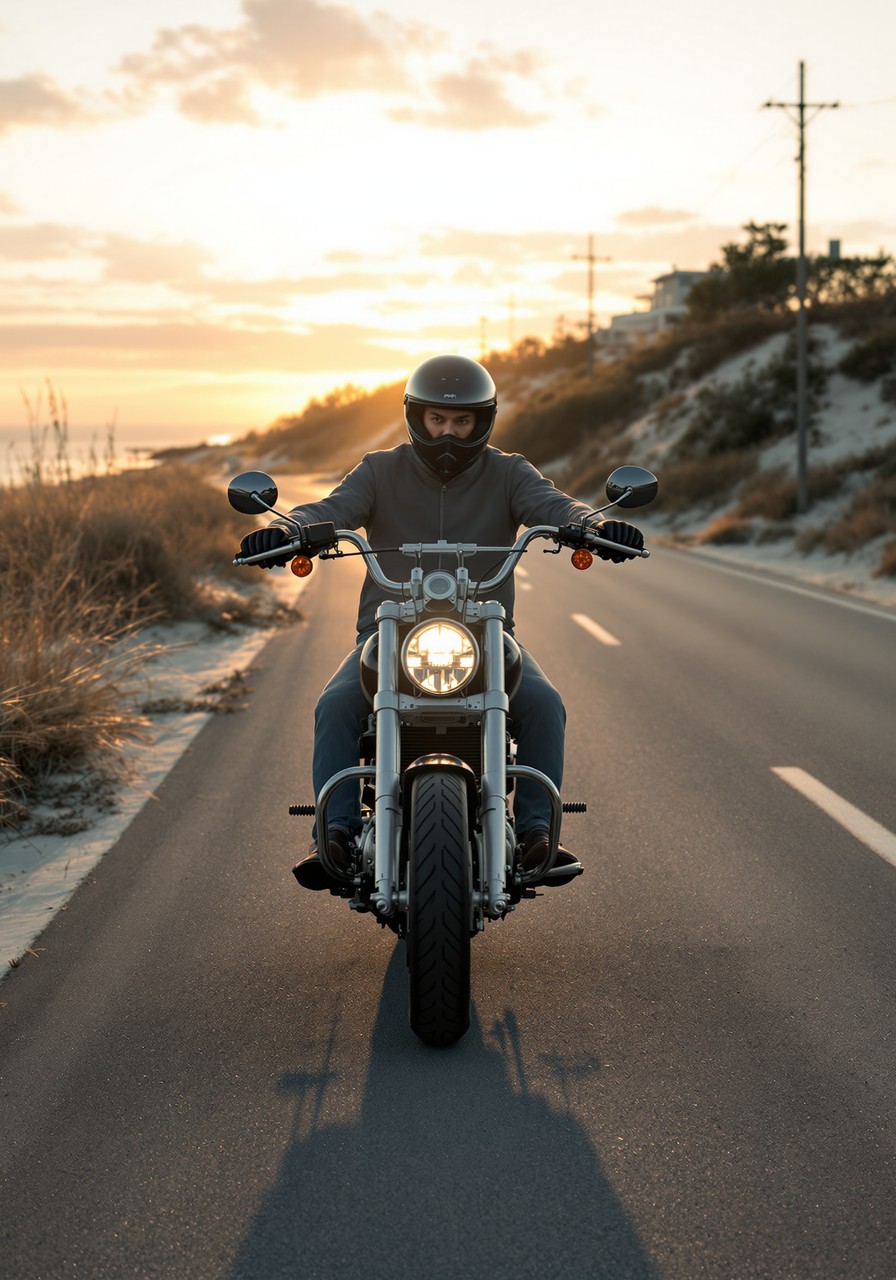
Seafood stop tip: finish your Perdido Key run near the water and let the sunset be dessert. #RideNationPensacola #PerdidoKey #PensacolaBeach
Gear & New Iron
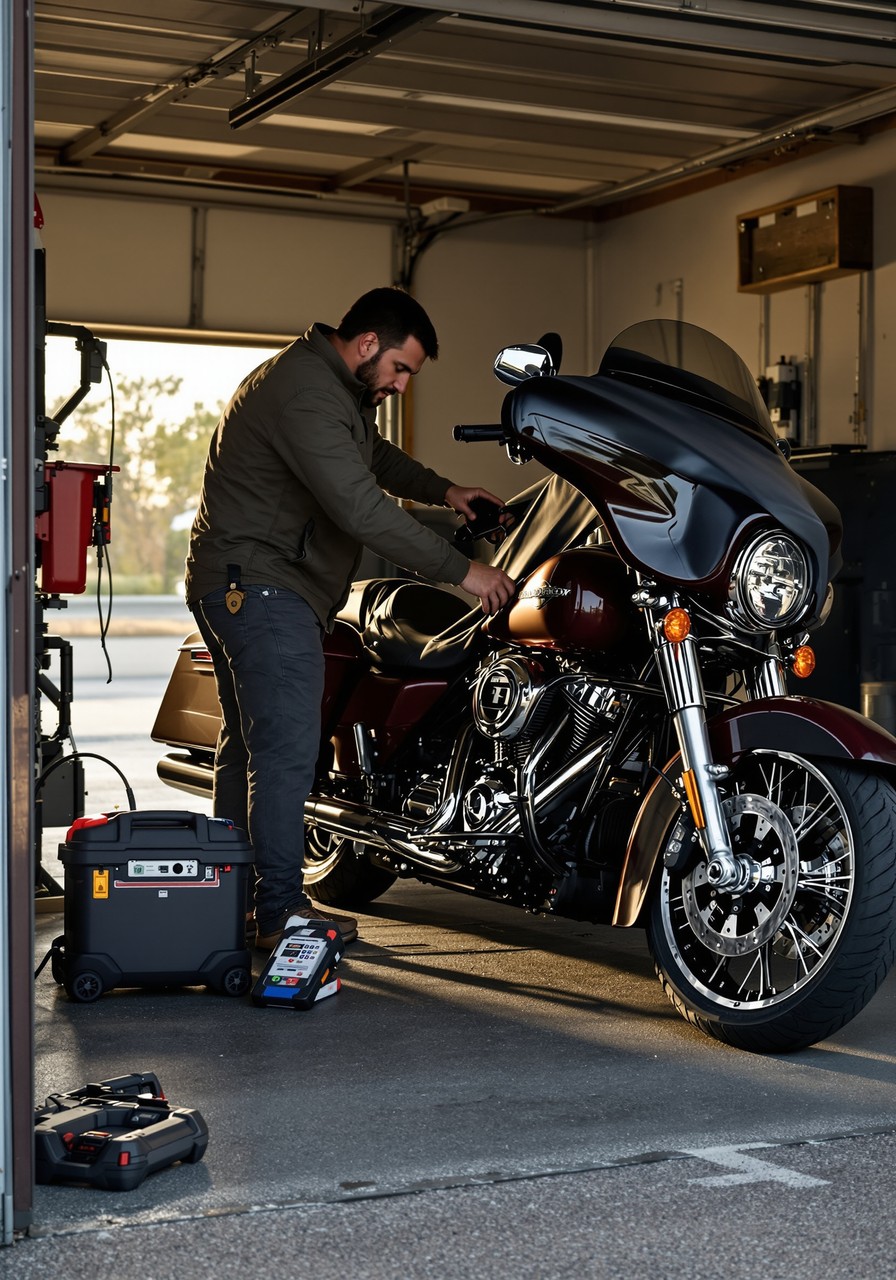
Wave-cut earplugs cut wind roar without killing the sound of your engine. Your hearing is a long-game investment. #RideNationPensacola #RideSafe #MotorcycleGear
Safety & Florida Law
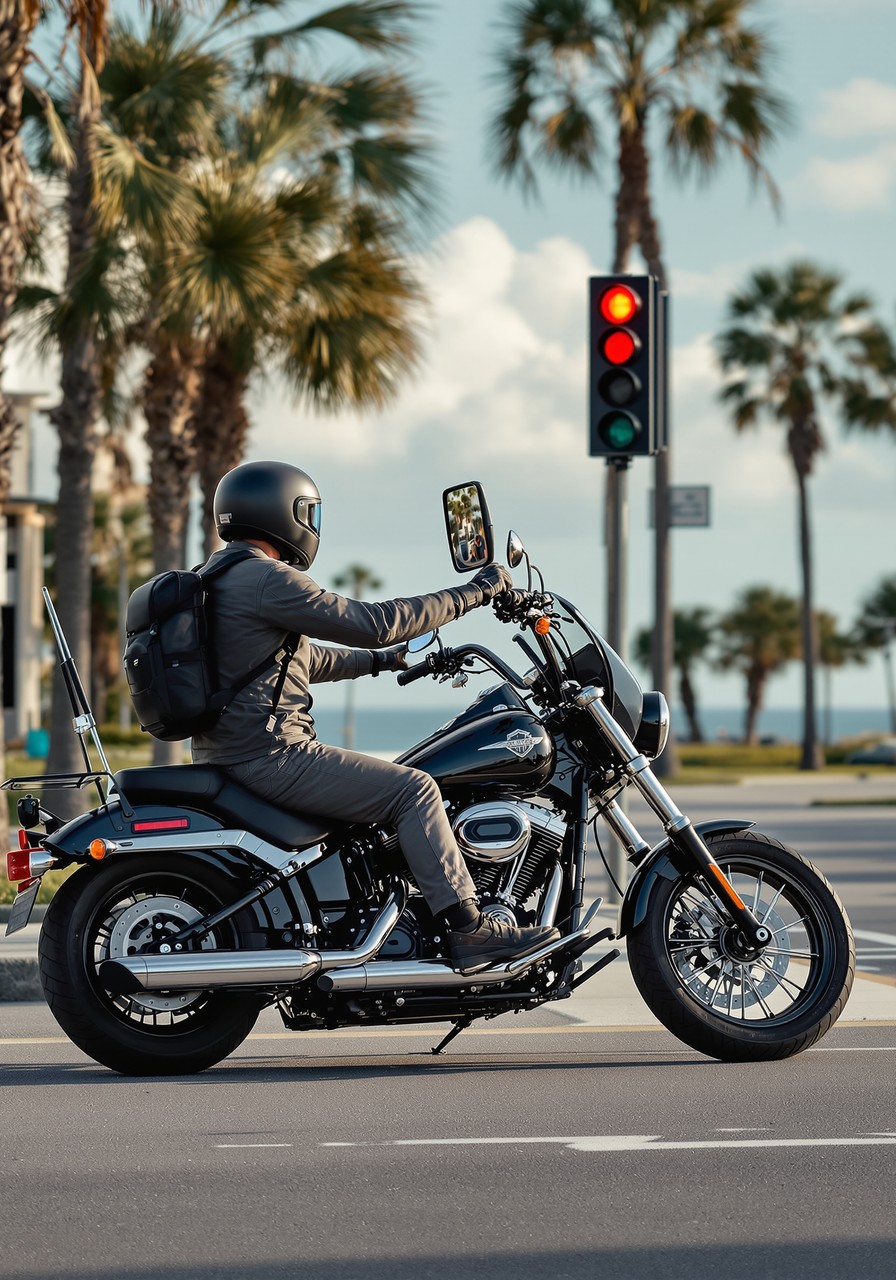
Florida helmet law again, simply: it is tied to carrying at least 10,000 dollars in medical benefits for riders 21 and up. Under 21, a DOT helmet is required. Call Fasig Brooks at (850) 427-2722. #RideNationPensacola #FloridaLaw #RideSafe
Engagement
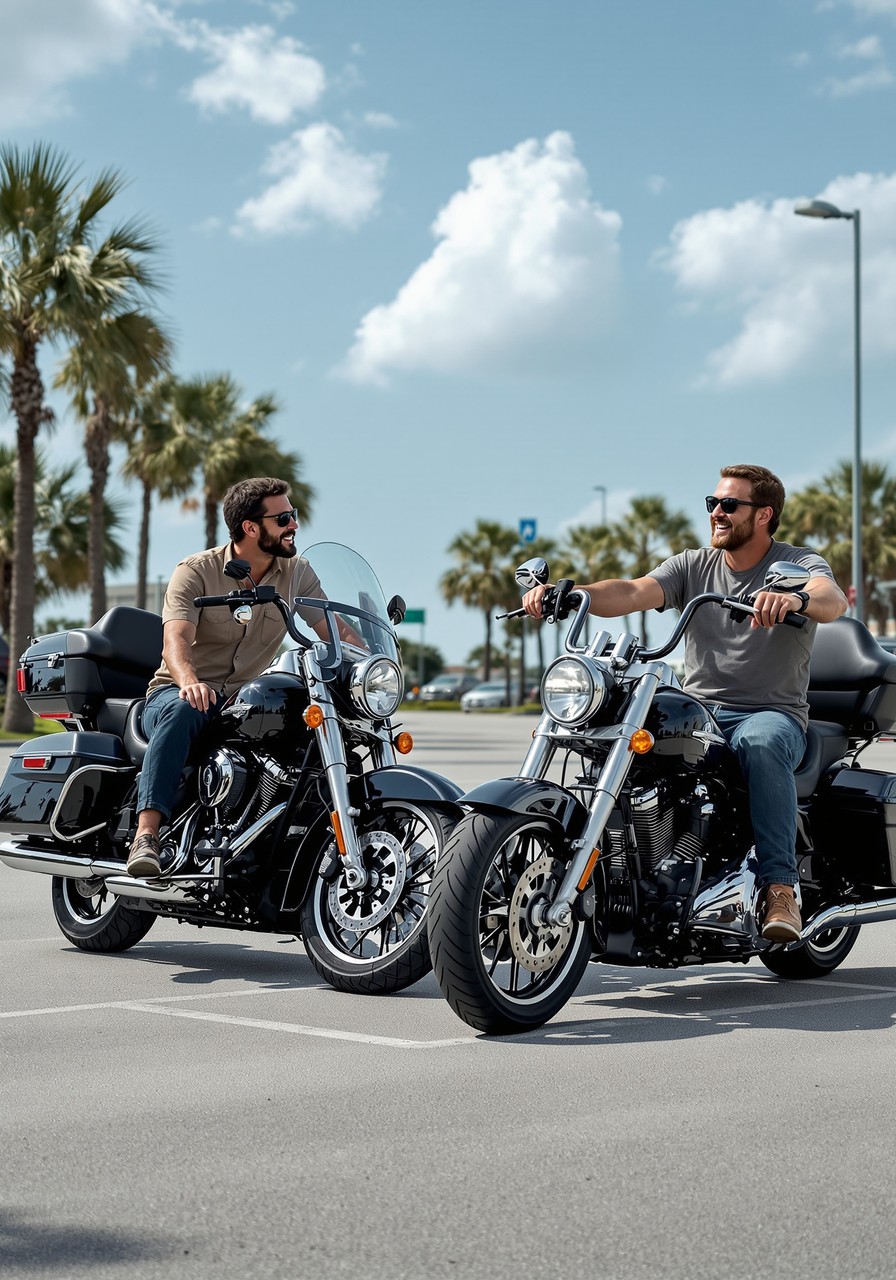
Caption this: your bike parked on sugar-white sand with the Gulf behind it. Postcard or no postcard? #RideNationPensacola #PensacolaBeach #GulfCoastRiders
Giveaway & Countdown
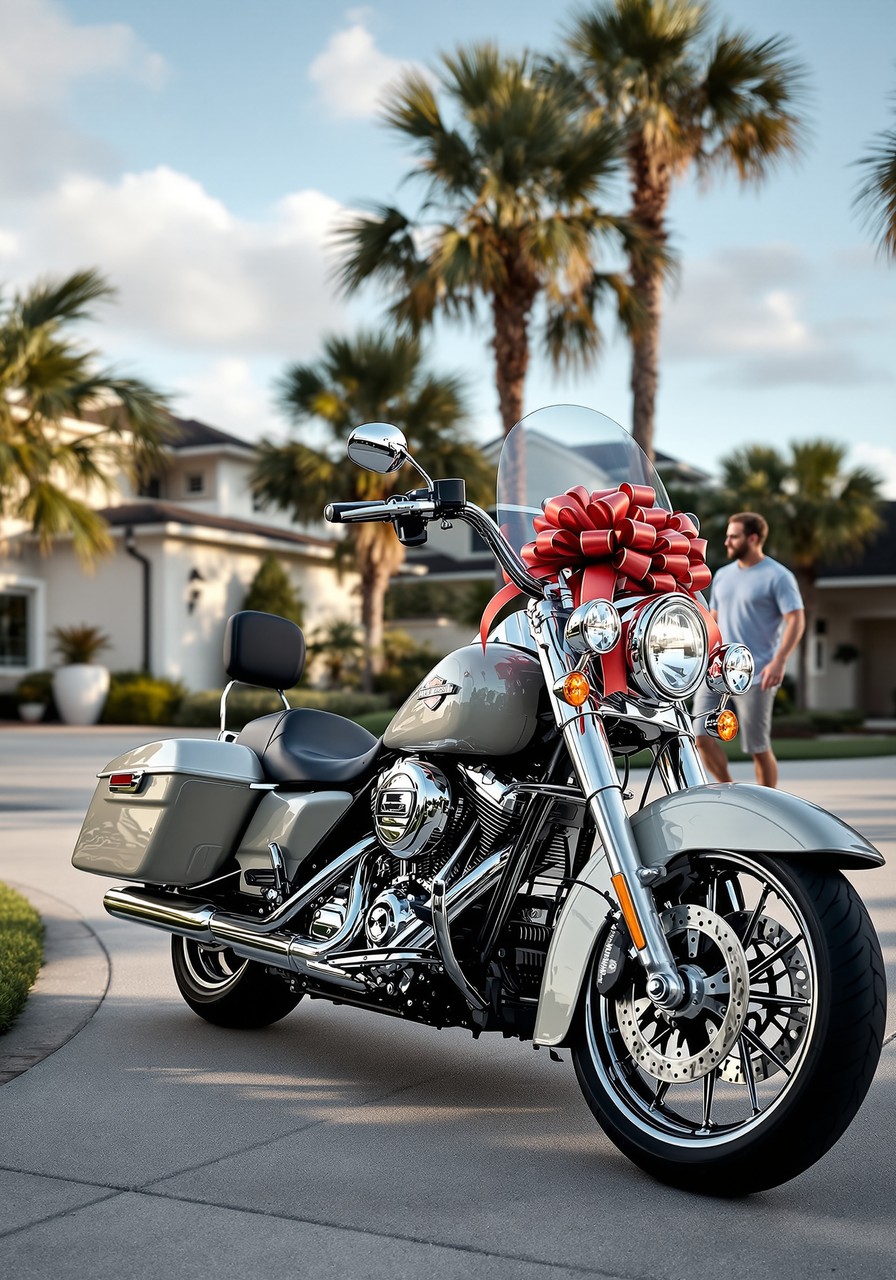
Riders are lining up for a shot at $20,000. Entry is free when you talk to Fasig Brooks about a crash. #RideNationPensacola #20kGiveaway
Local Pensacola & Rides
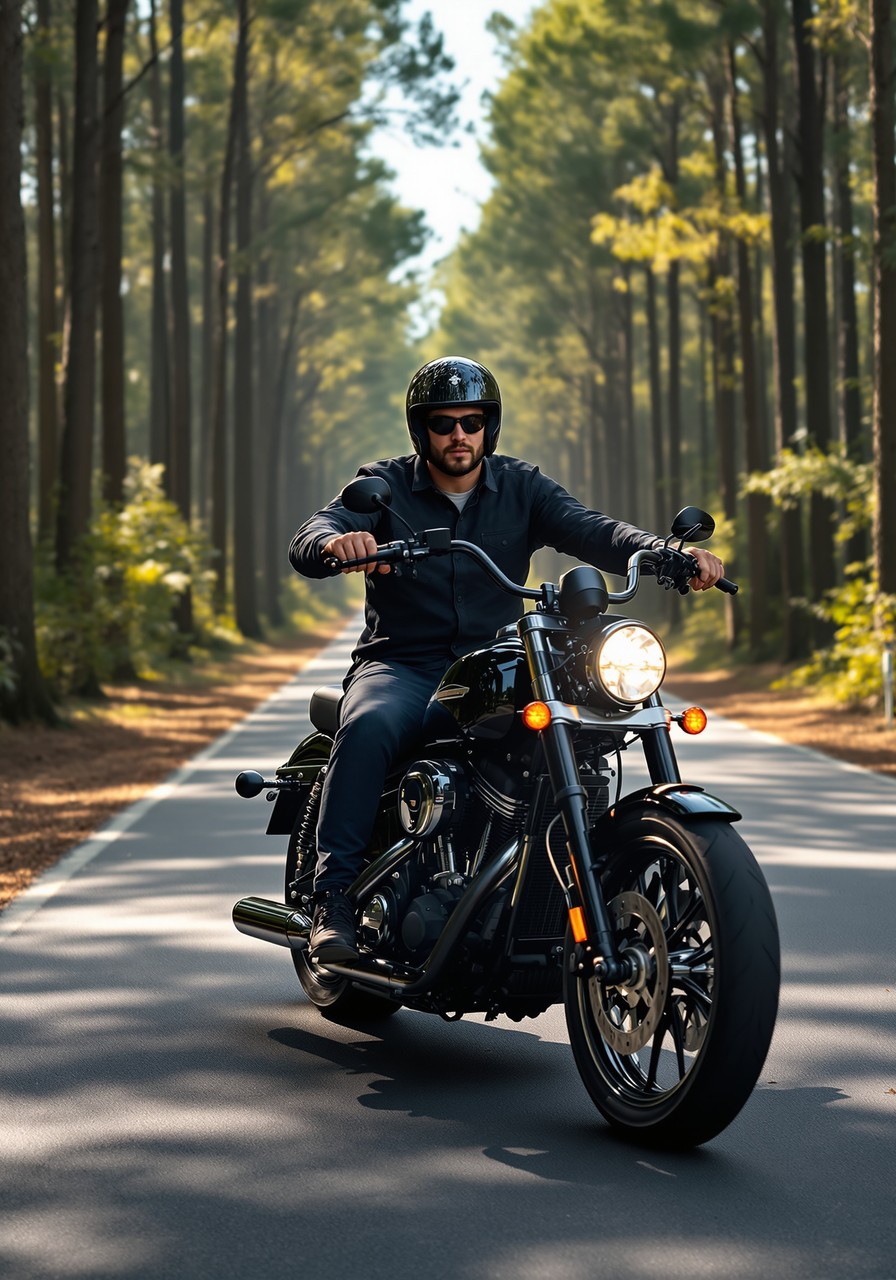
US-98 east toward Navarre is a smooth, scenic warmup for a bigger day. Ease into it and let the coast unfold. #RideNationPensacola #Navarre #GulfCoastRiders
Gear & New Iron
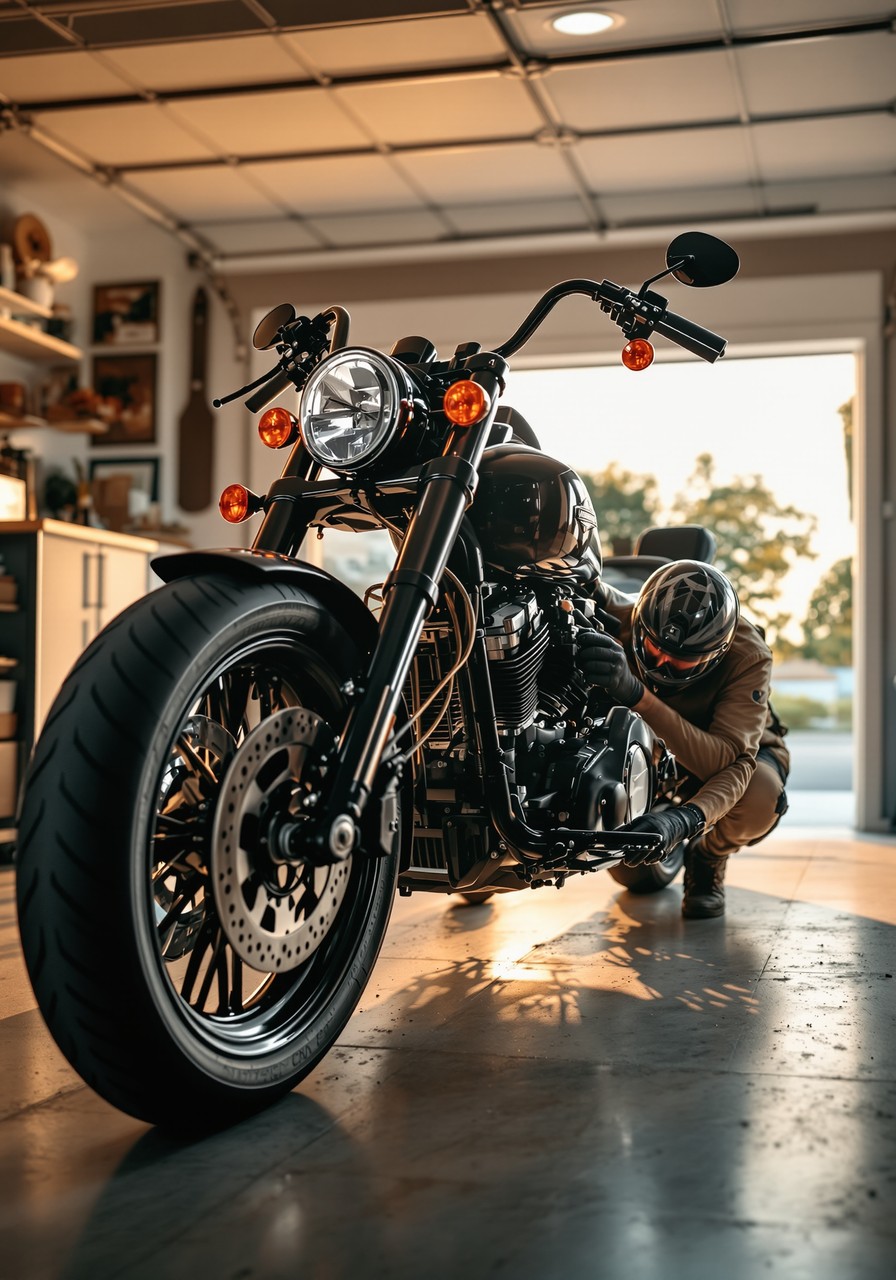
Salt spray from coastal rides loves to hide in bolts and brackets. Rinse with fresh water and dry thoroughly. Your fasteners will last. #RideNationPensacola #MotorcycleMaintenance #GulfCoastRiders
Safety & Florida Law
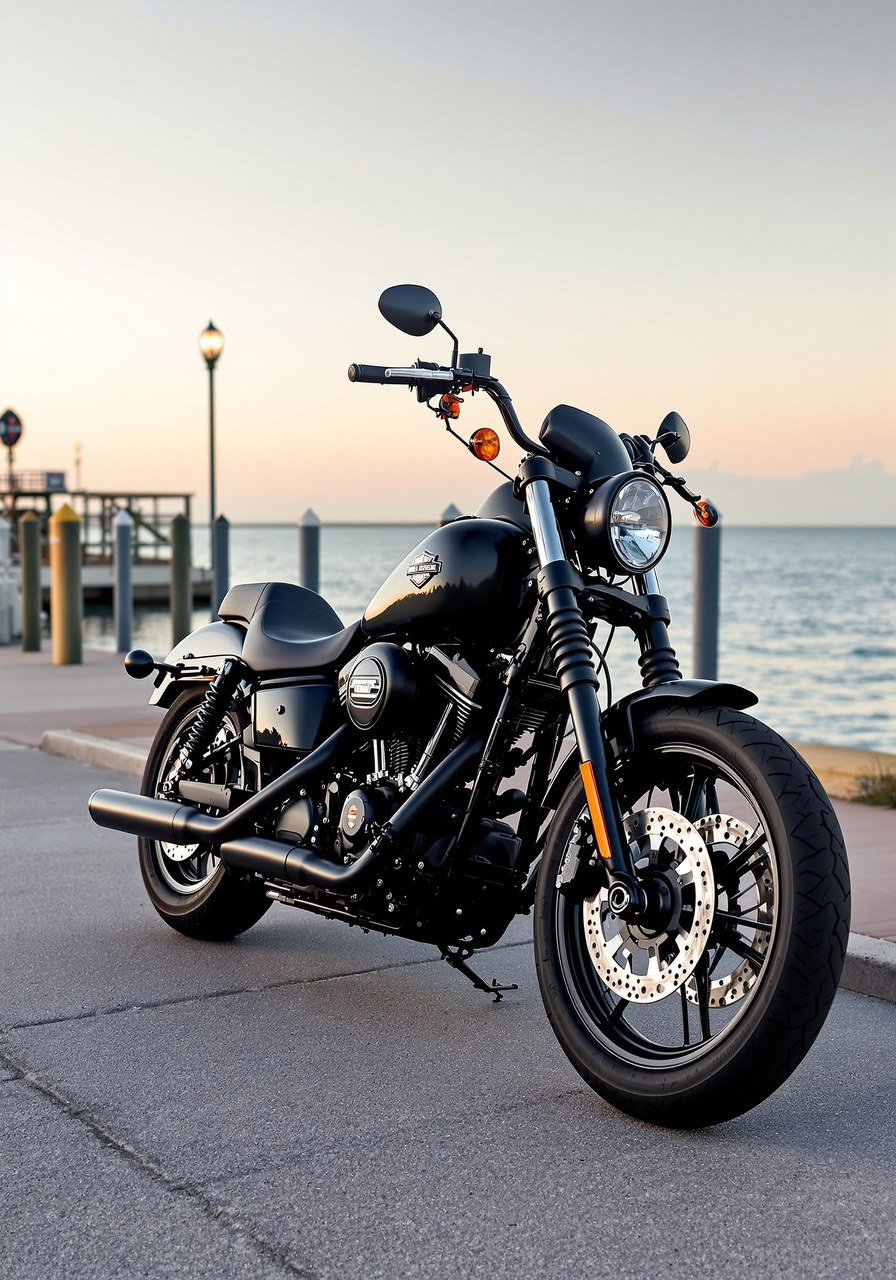
Sand, salt, and standing water love our Gulf Coast curves. Treat every unfamiliar bend like it might be slick. #RideNationPensacola #RideSafe #CoastalRiding
Engagement
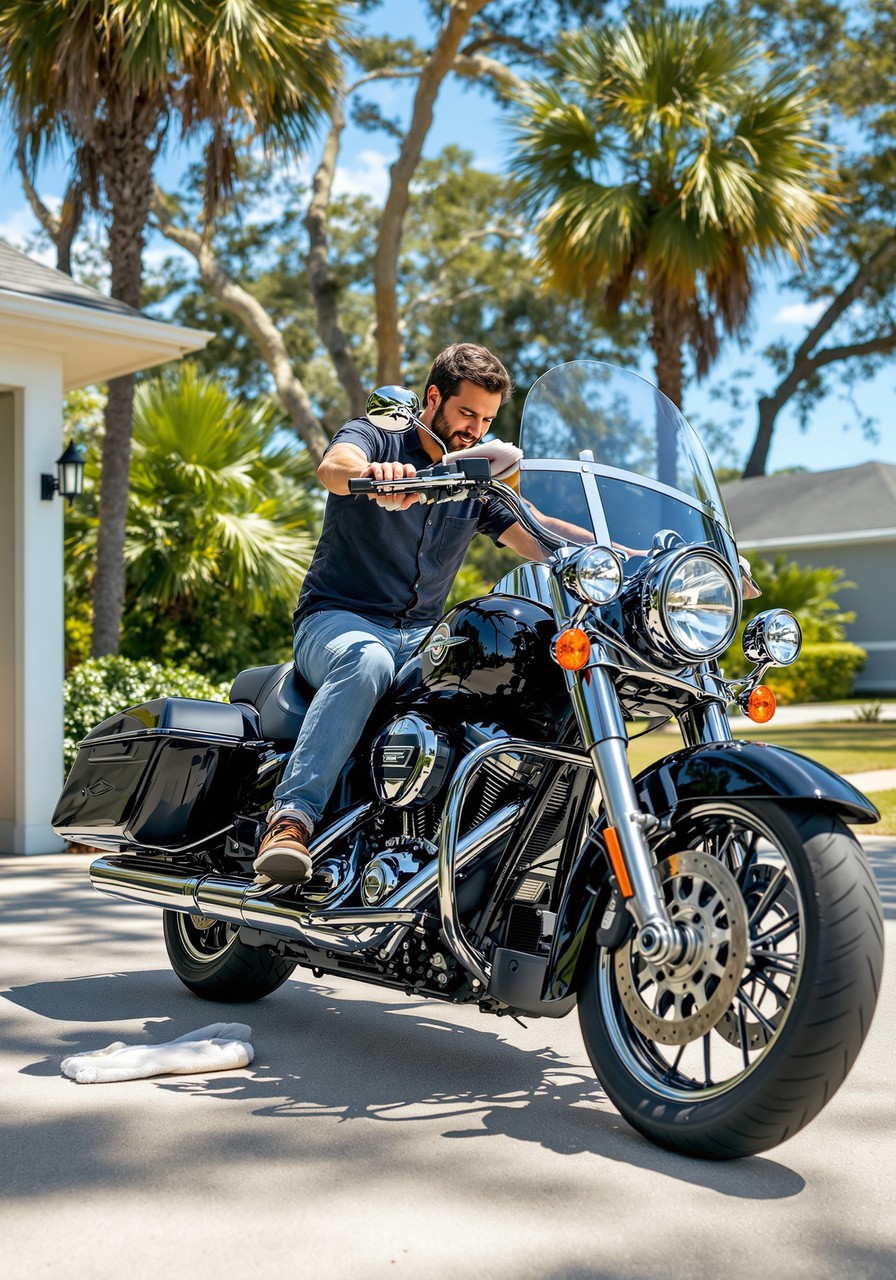
Rider confession: anybody else check the fog report on the bays before they even check the weather? #RideNationPensacola #GulfBreeze #850
Giveaway & Countdown
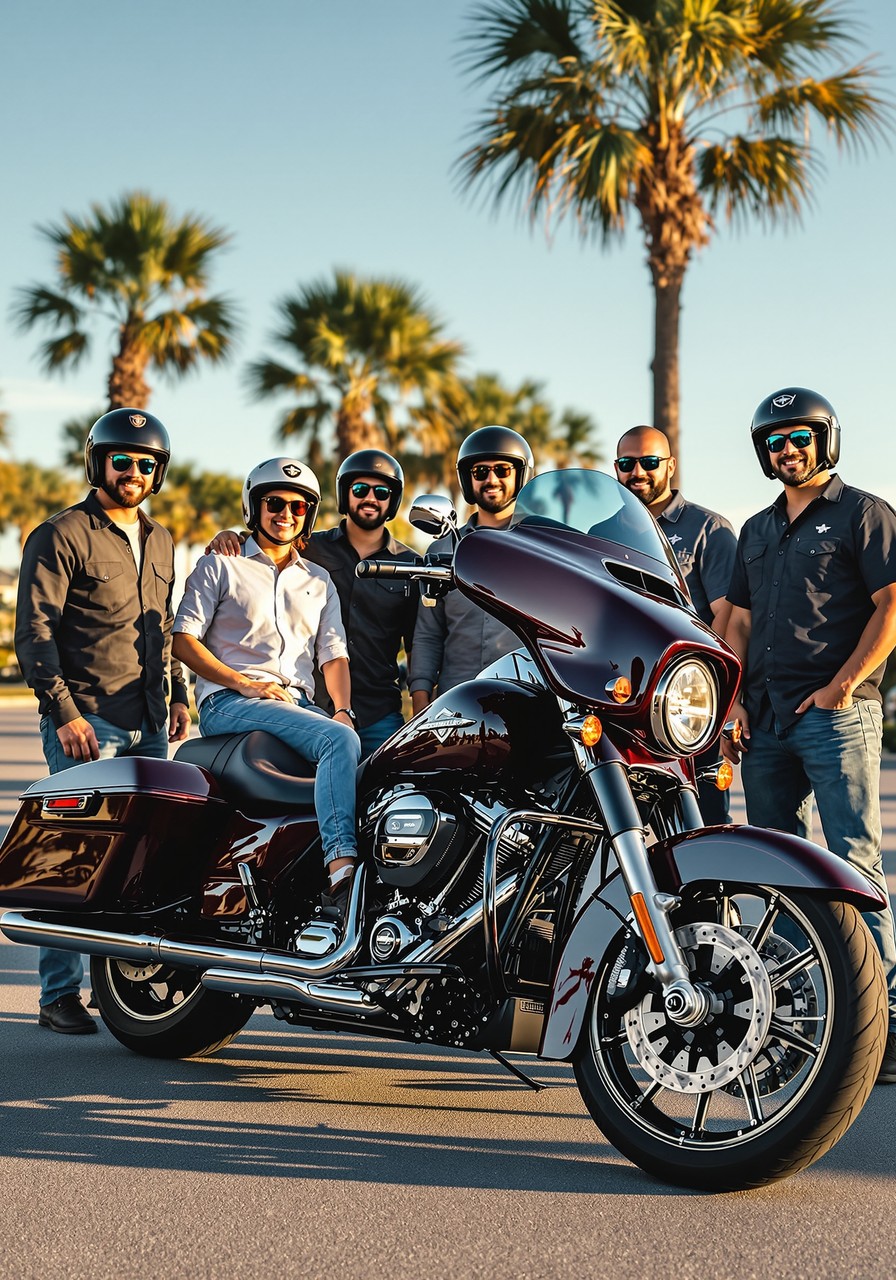
Save the date. December 10 is when the BikersWin $20,000 motorcycle giveaway gets drawn. #RideNationPensacola #BikersWin #20kGiveaway
Local Pensacola & Rides
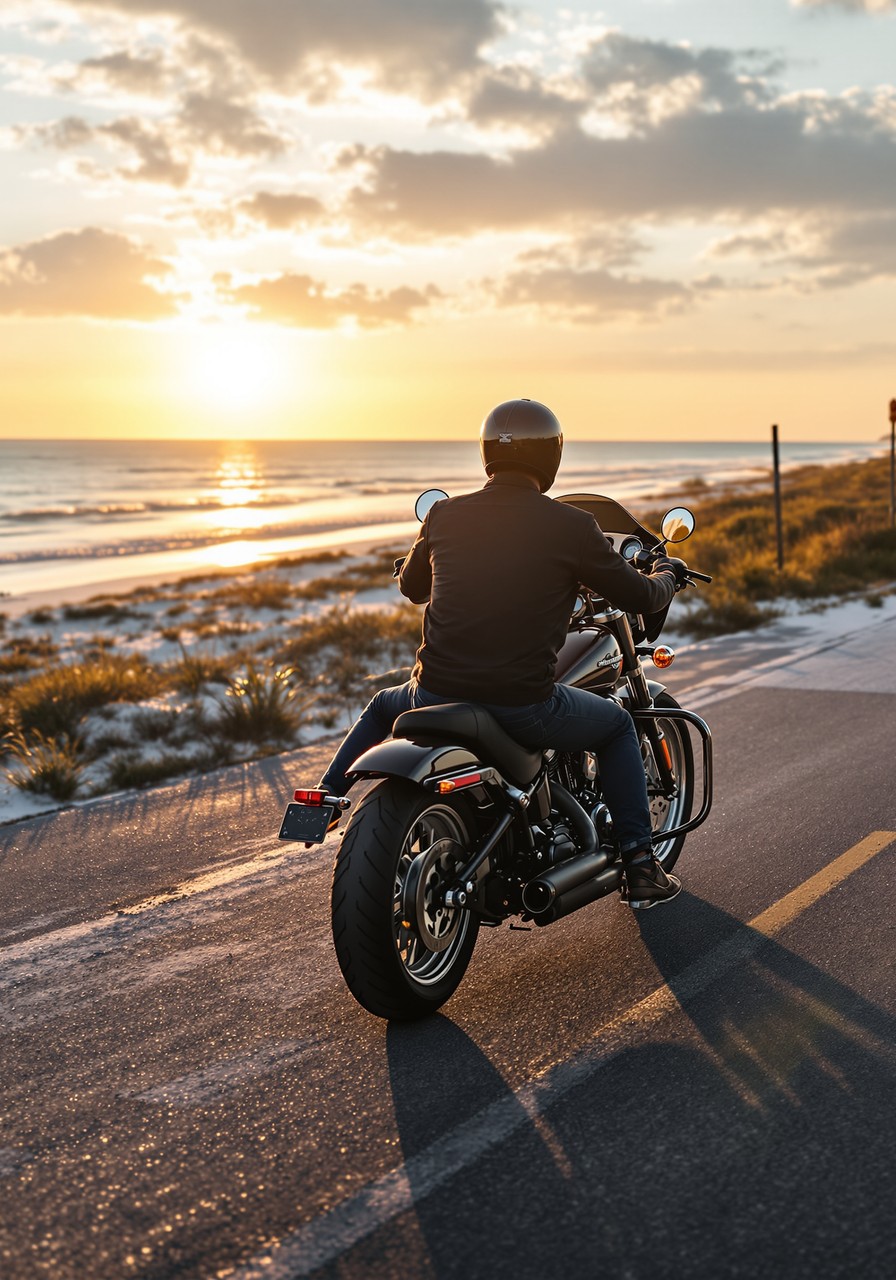
Blowing sand across the island roads is part of the deal near the beach. Cover up, keep a steady line, and enjoy the salt air. #RideNationPensacola #PensacolaBeach #GulfCoastRiders
Gear & New Iron
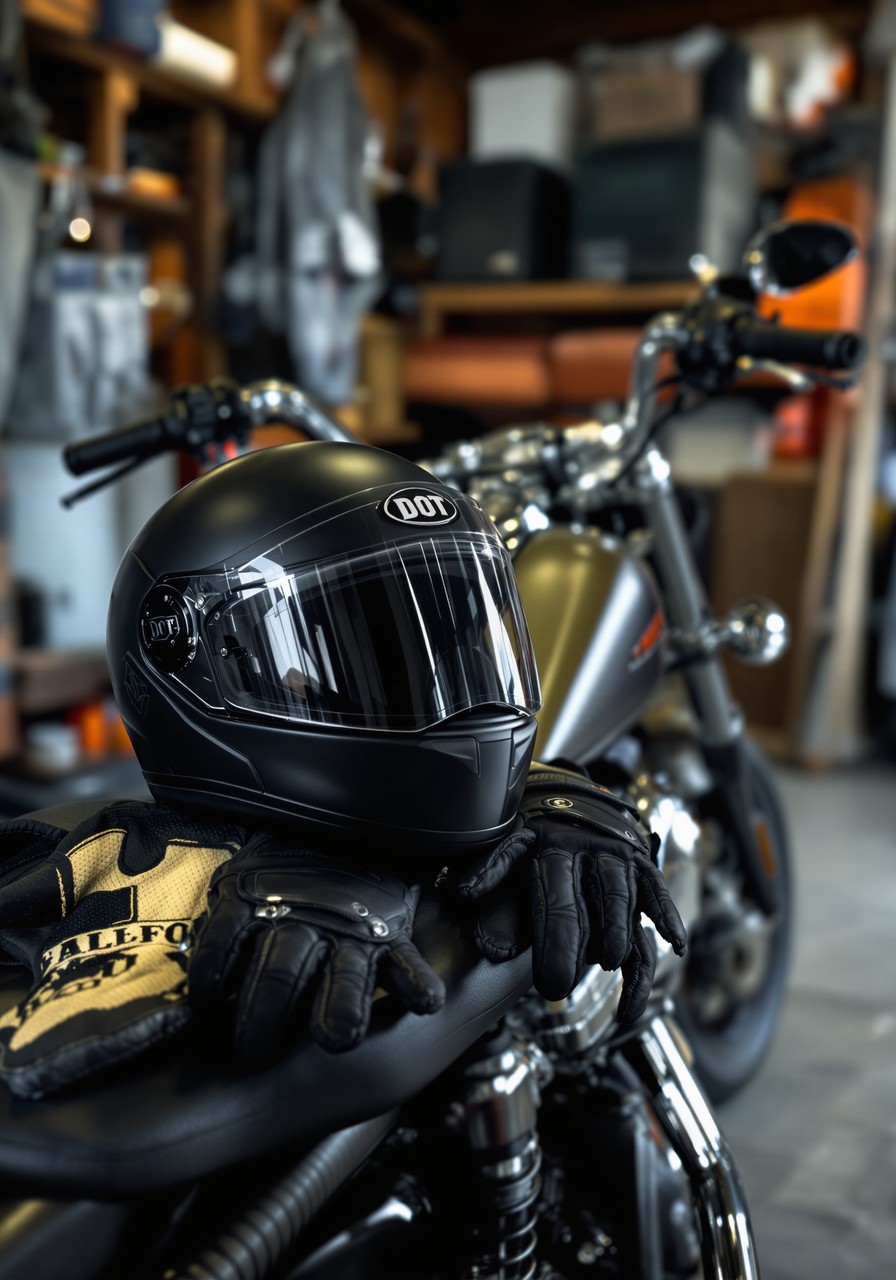
A back protector insert turns a decent jacket into a great one. Spines are not optional equipment. #RideNationPensacola #ATGATT #RideSafe
Safety & Florida Law
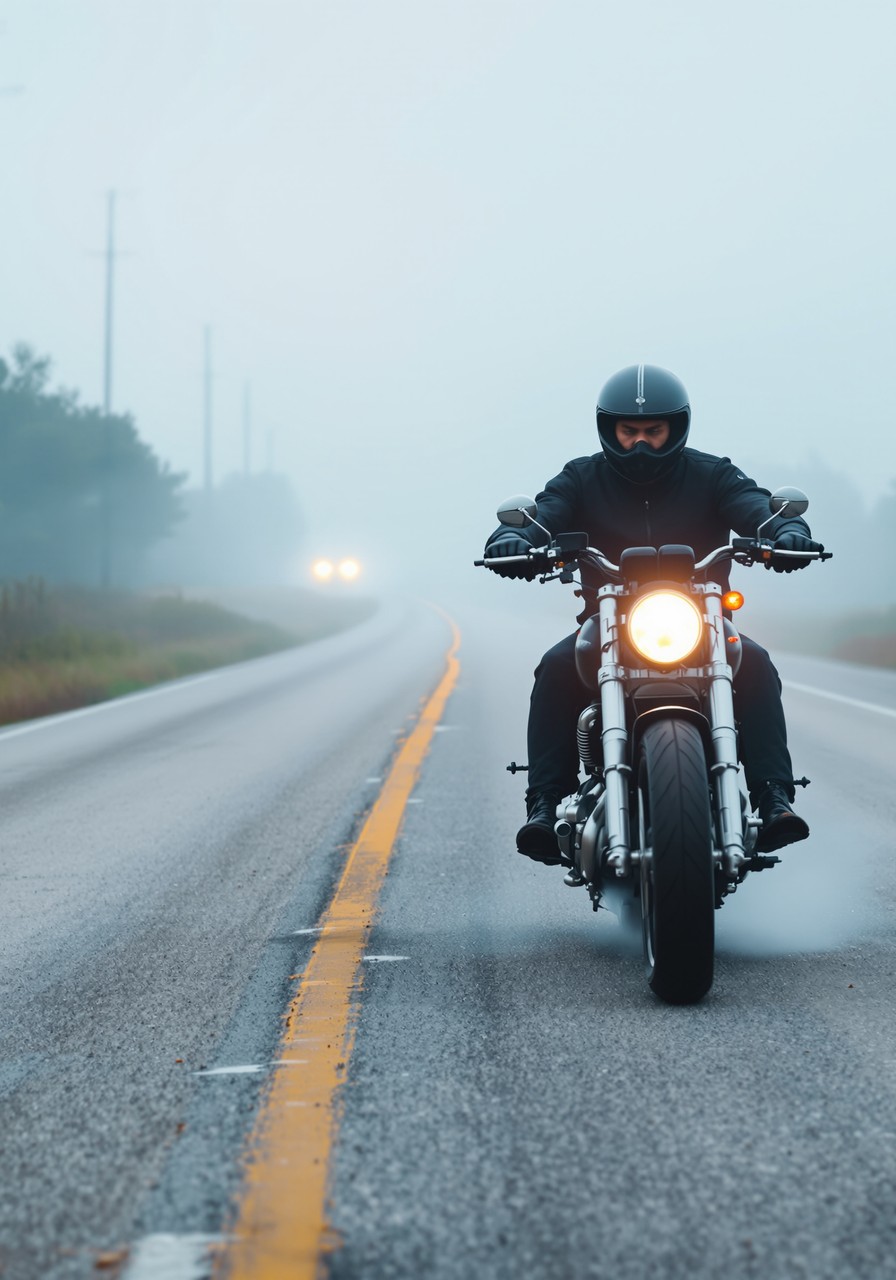
See a doctor after a crash even when you walk away feeling okay. Adrenaline hides injuries, and the record helps protect you. Call Fasig Brooks at (850) 427-2722. #RideNationPensacola #RideSafe #AfterACrash
Engagement
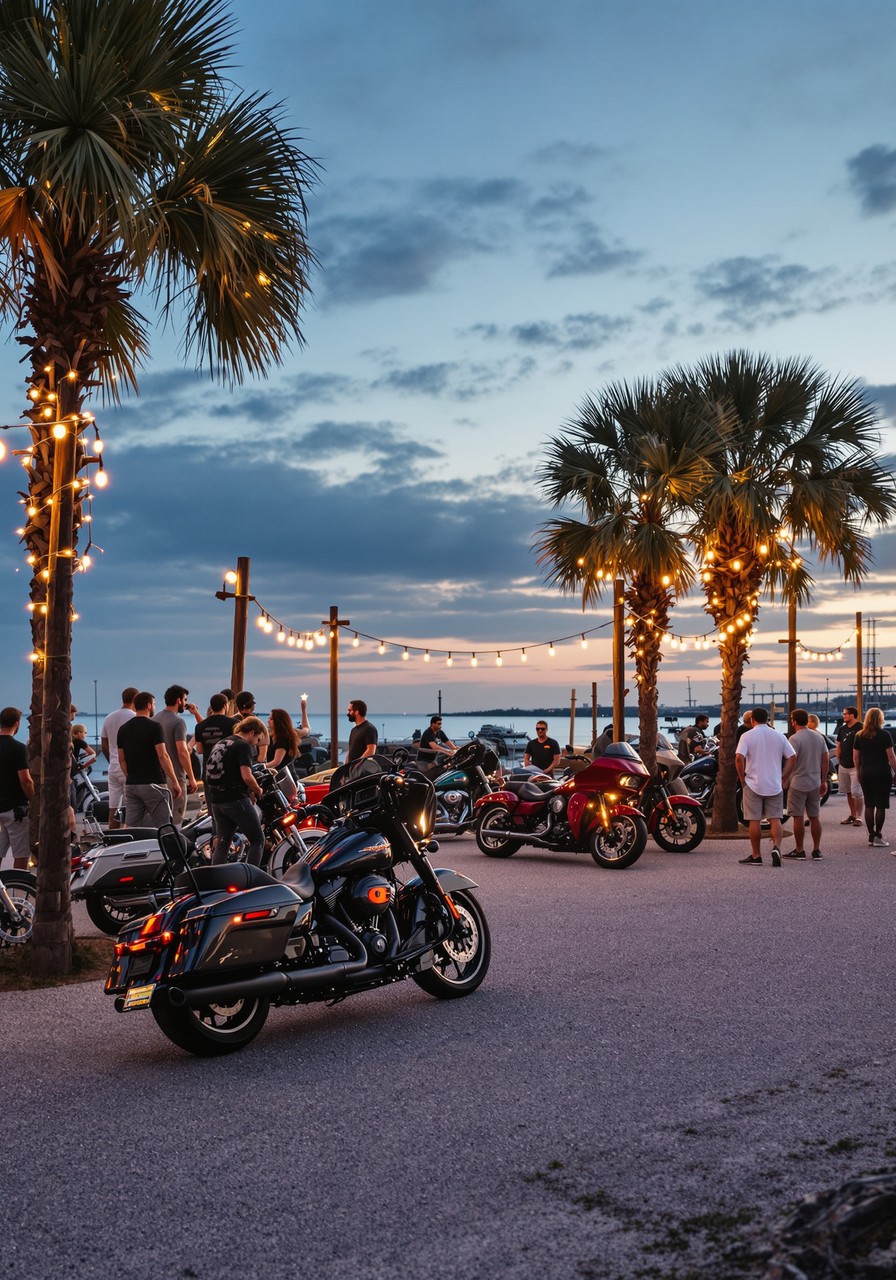
Poll: which bridge gives the best cruise? A) Pensacola Bay (Three Mile) B) Bob Sikes C) trick question, ride them both. #RideNationPensacola #PensacolaBeach #Pensacola
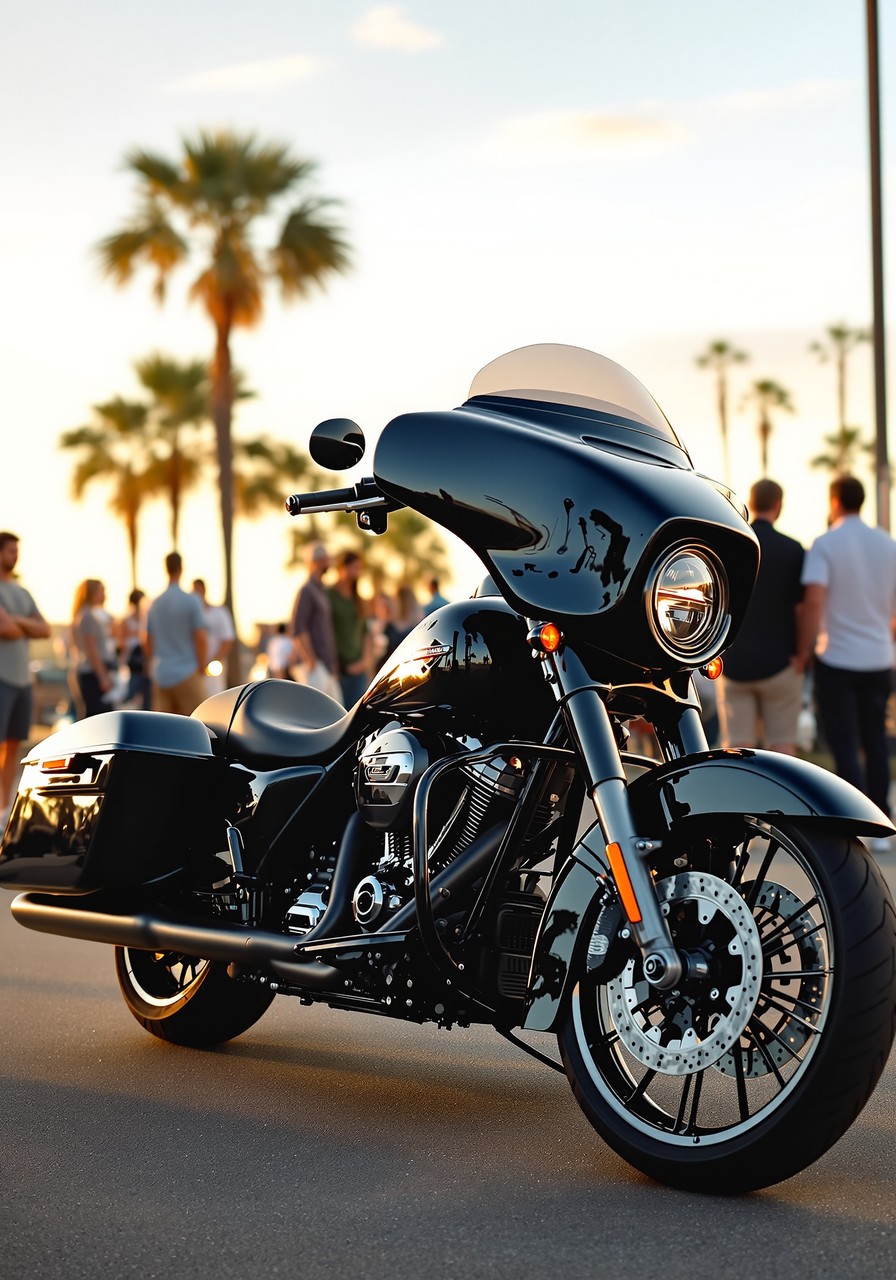
Giveaway & Countdown
Got questions about the $20,000 giveaway? Call Fasig Brooks at (850) 427-2722 and we will walk you through the free entry. #RideNationPensacola #BikersWin
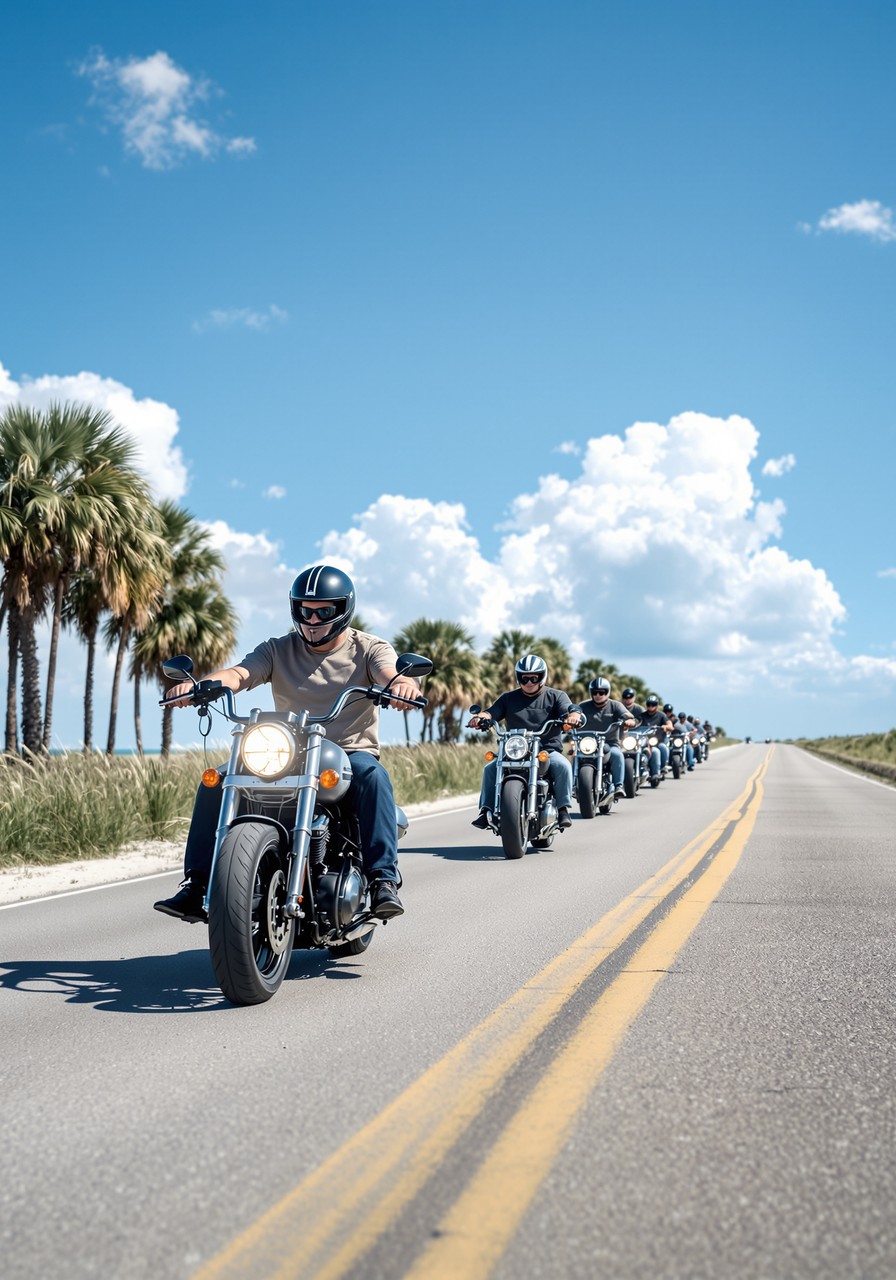
Local Pensacola & Rides
Bob Sikes Bridge sunset rides are a local secret. Quick toll, open water on both sides, and the sky doing all the work. #RideNationPensacola #PensacolaBeach #GulfCoastRiders
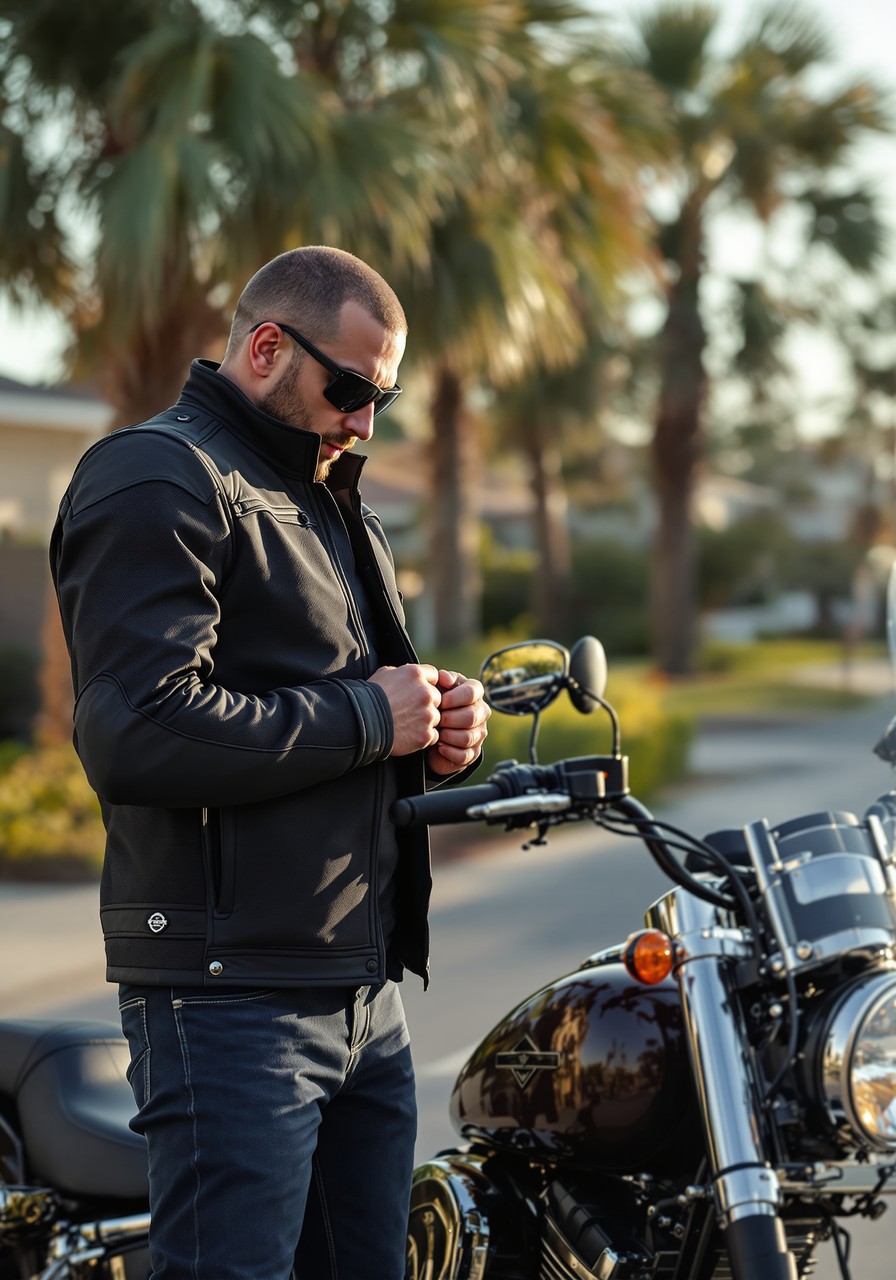
Gear & New Iron
Adventure bikes are having a moment and the Gulf Coast backroads are the perfect playground. Anyone making the jump? #RideNationPensacola #NewIron #GearUp
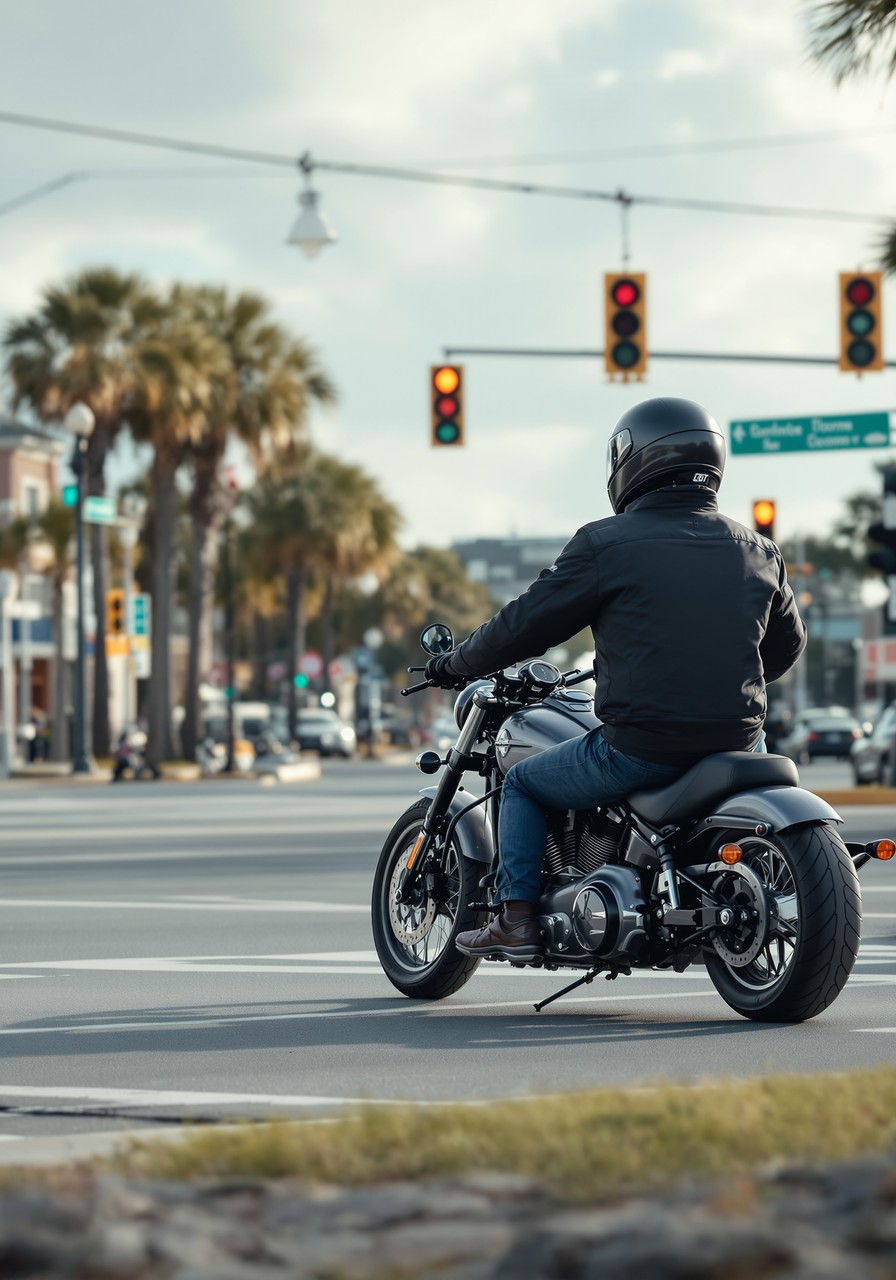
Safety & Florida Law
Conspicuity is a strategy, not luck. Bright gear by day and reflective gear by night keep you in the picture. #RideNationPensacola #RideSafe #BeSeen
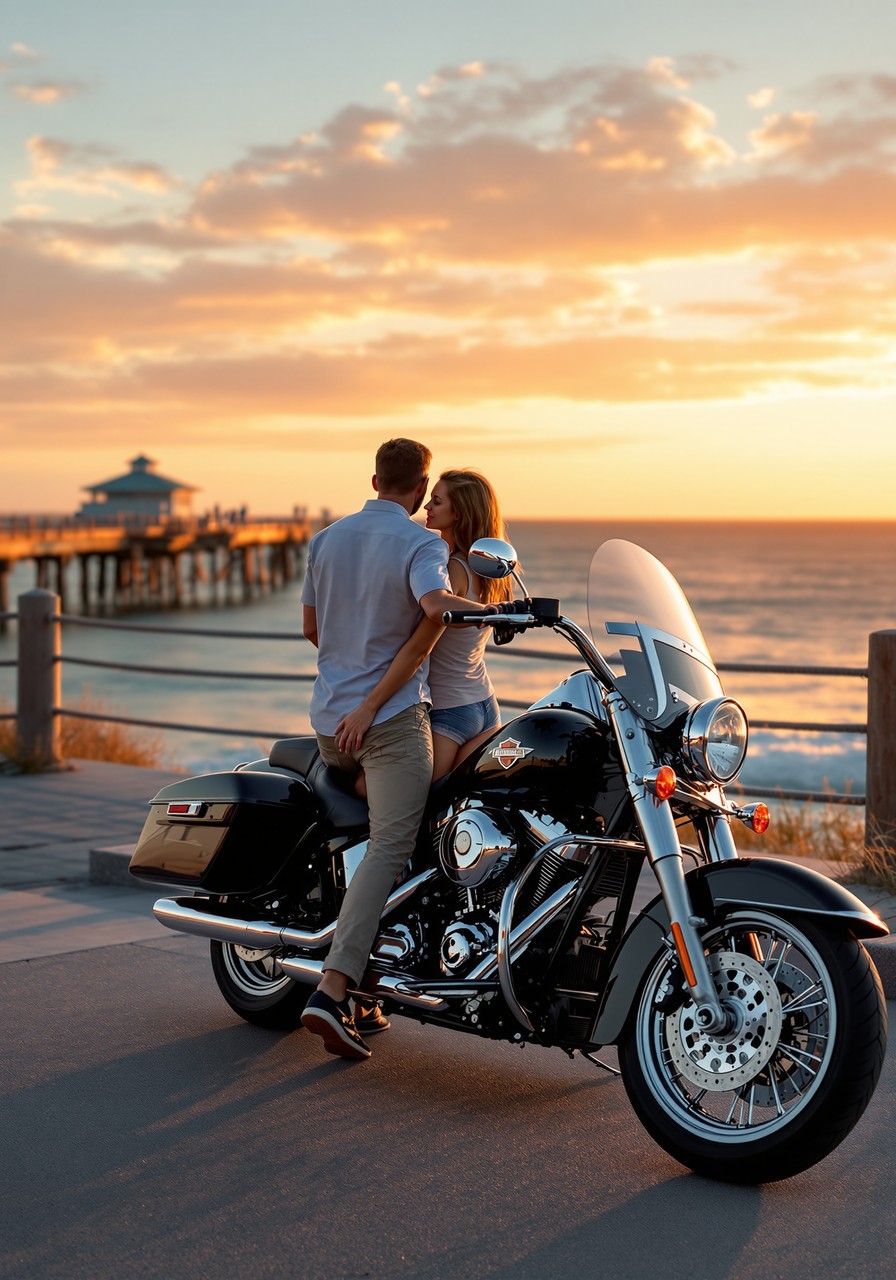
Engagement
Finish this: winter riding on the Gulf Coast beats a northern garage because ______. Brag away. #RideNationPensacola #GulfCoastRiders #850
Giveaway & Countdown
Pensacola pride and a $20,000 prize. The BikersWin giveaway is open now, drawn December 10. #RideNationPensacola #20kGiveaway
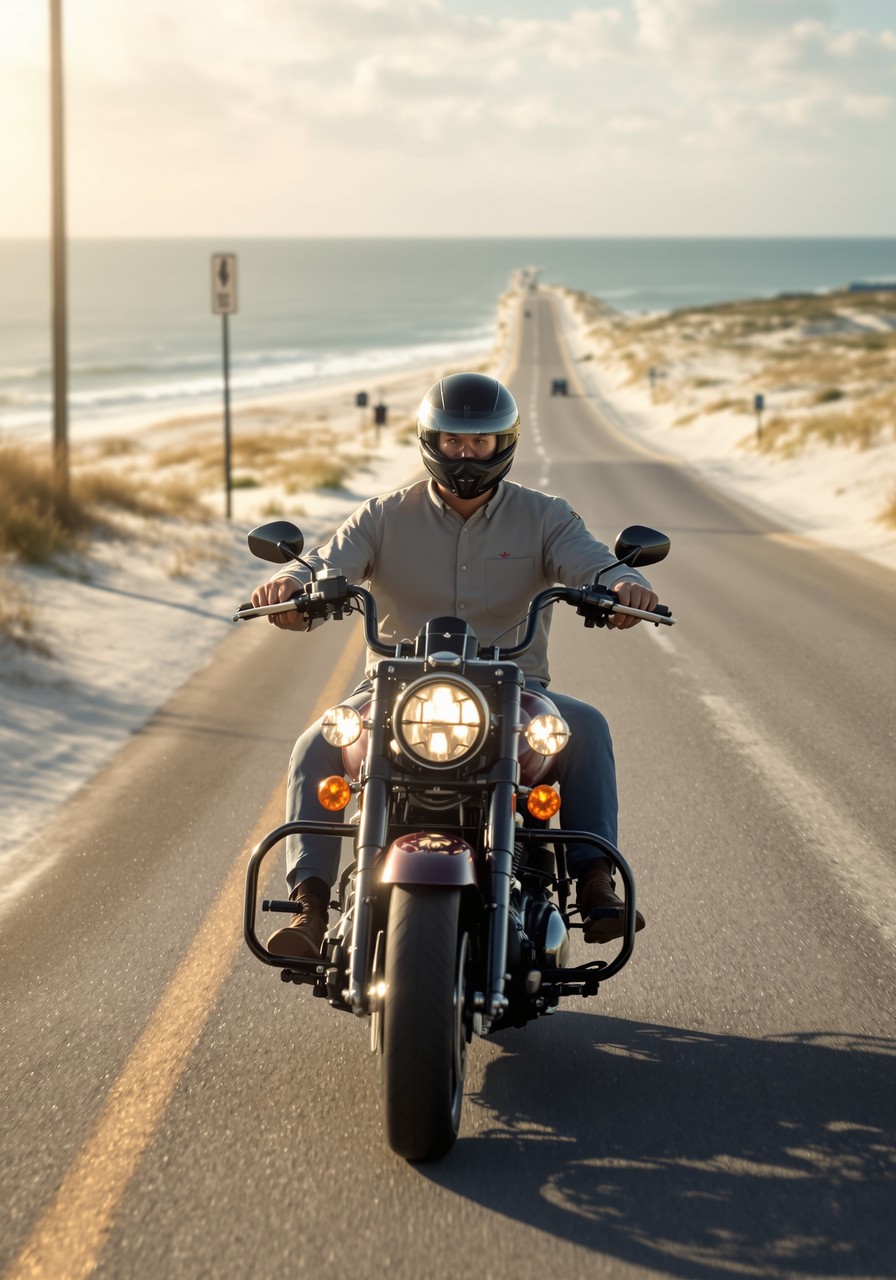
Local Pensacola & Rides
Gulf Breeze to Fort Pickens is a full-menu ride: bay, bridge, beach, and history all in one loop. #RideNationPensacola #FortPickens #Navarre
Gear & New Iron
Rain gloves with a squeegee wiper on the thumb are a small luxury that feels huge mid-storm. #RideNationPensacola #RainGear #MotorcycleGear
Safety & Florida Law
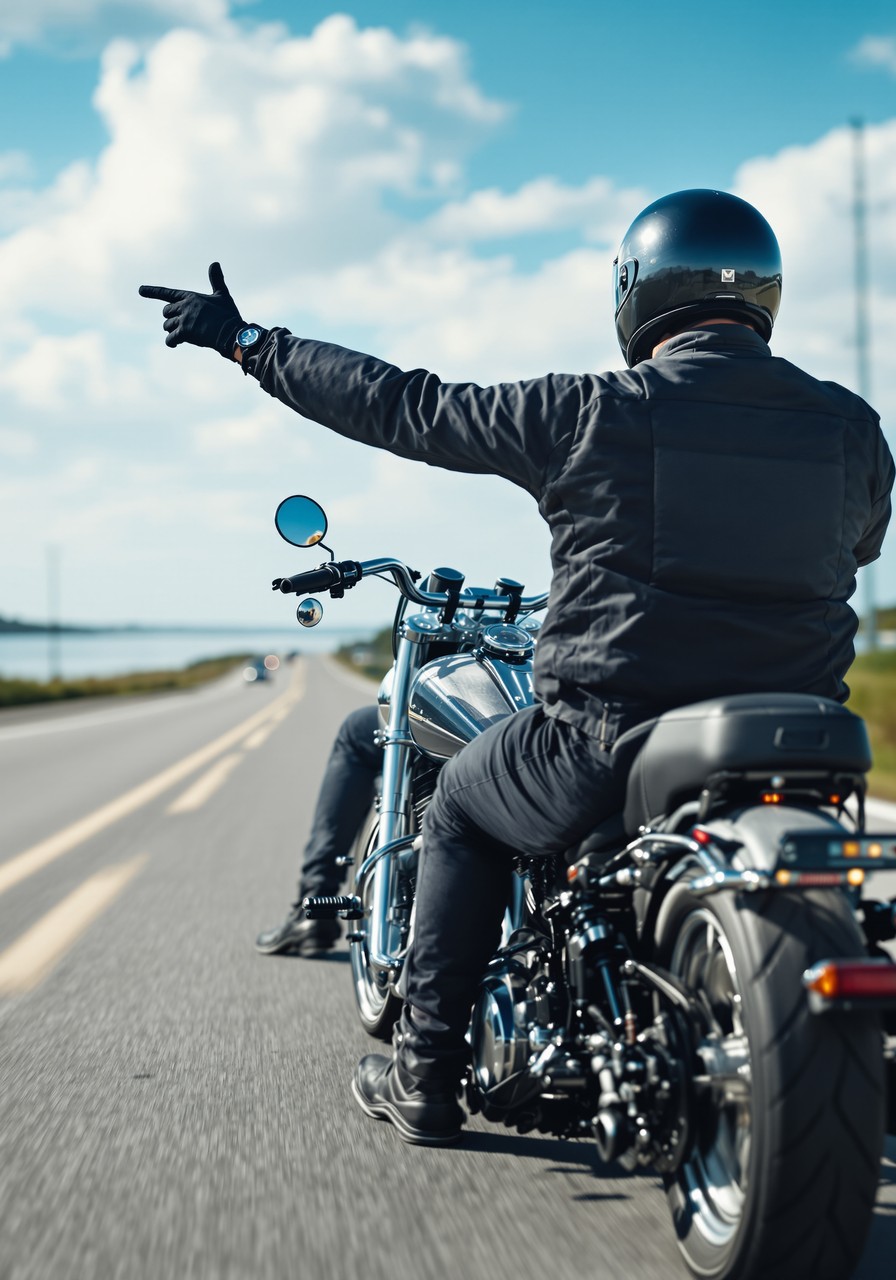
Since Florida drivers are not required to carry bodily injury liability, an at-fault driver may have nothing. That is exactly what UM/UIM is built for. Questions? Call Fasig Brooks at (850) 427-2722. #RideNationPensacola #UMUIM #RideSafe
Engagement
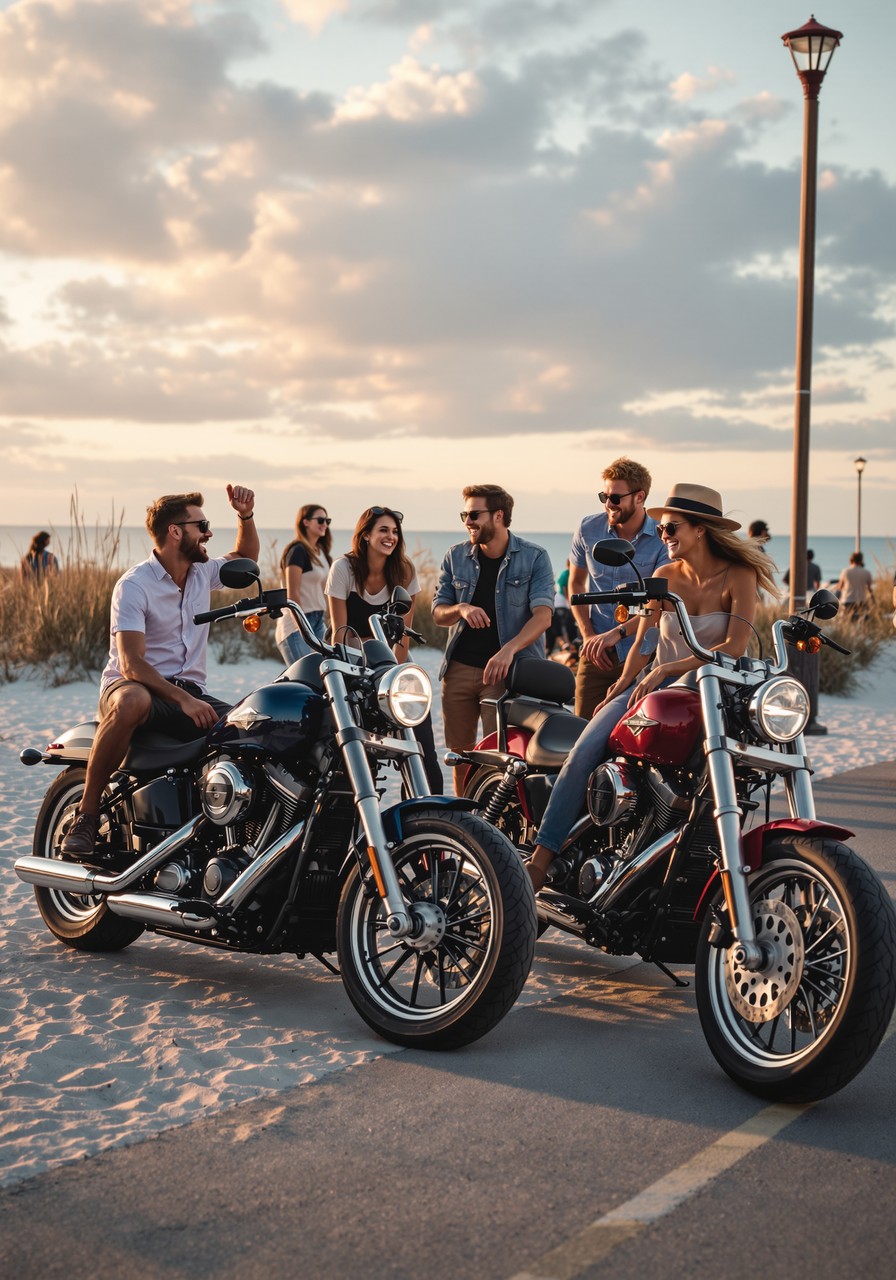
Tag the rider in your crew who treats every Navarre run like a group event whether you asked or not. #RideNationPensacola #Navarre #GulfBreeze
Giveaway & Countdown
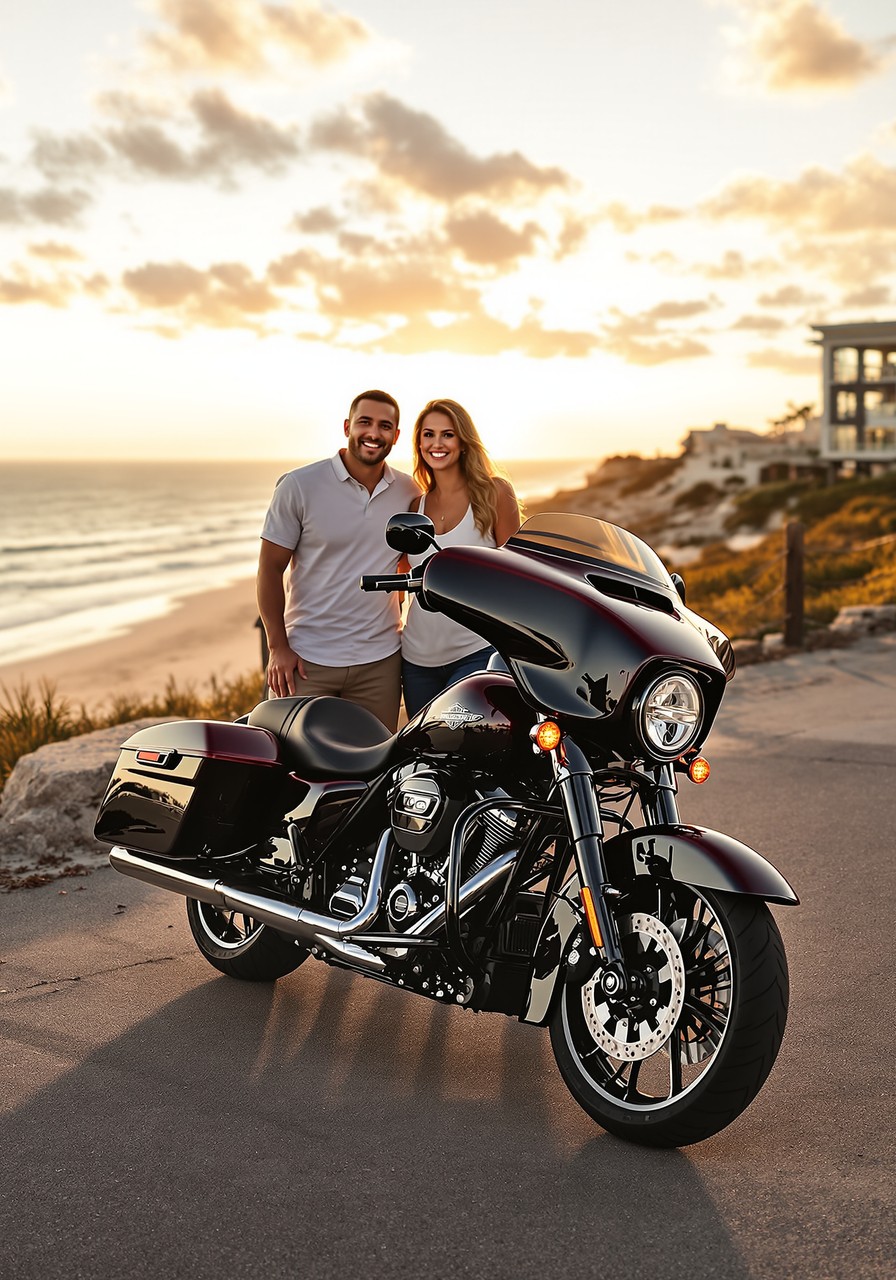
Last reminder before the big day. December 10 is drawing day, so make sure you are entered for free. Details at fasigbrooks.com. #RideNationPensacola #BikersWin
Local Pensacola & Rides
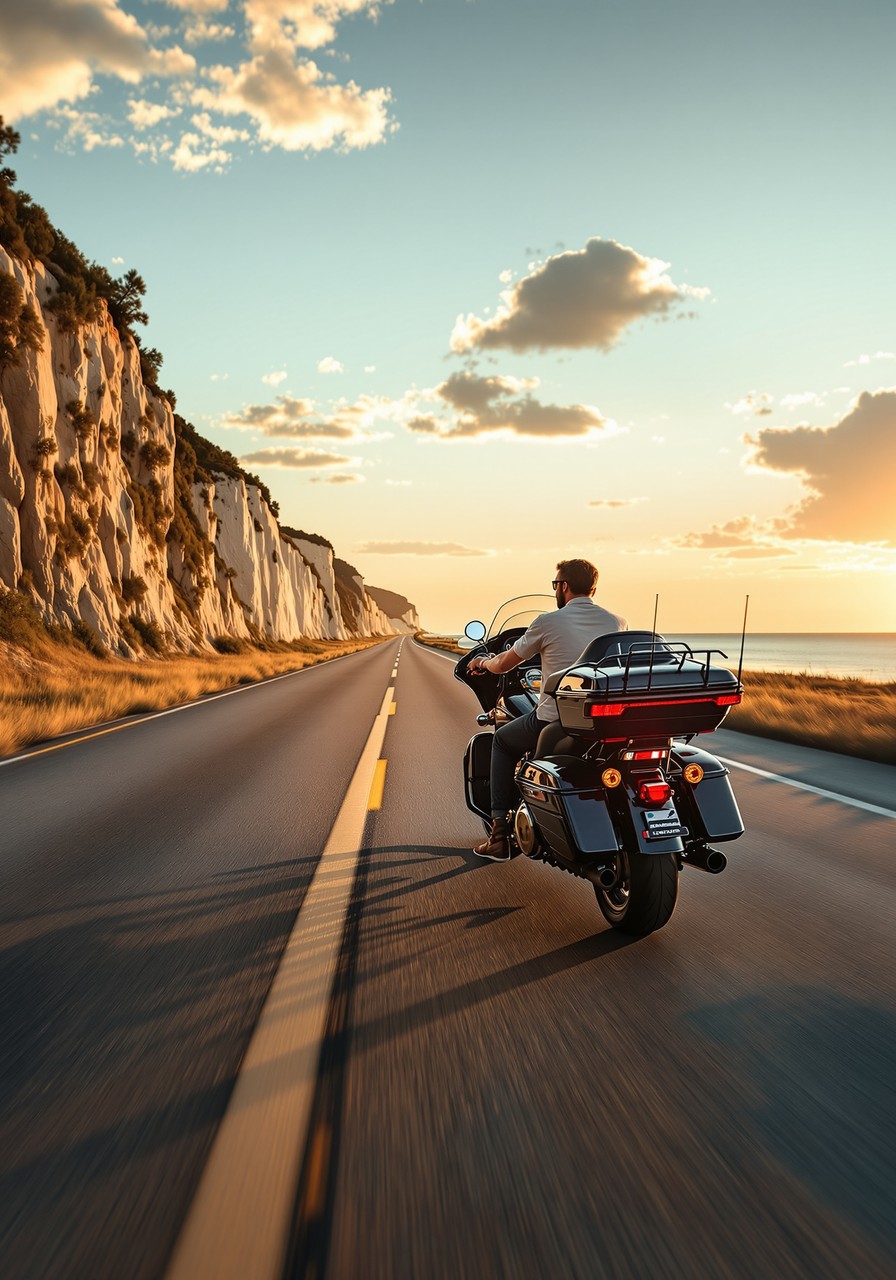
Downtown Pensacola cruise, then out over the bay. Brick streets, coffee stops, and open water within a few miles of each other. #RideNationPensacola #Pensacola #GulfCoastRiders
Gear & New Iron
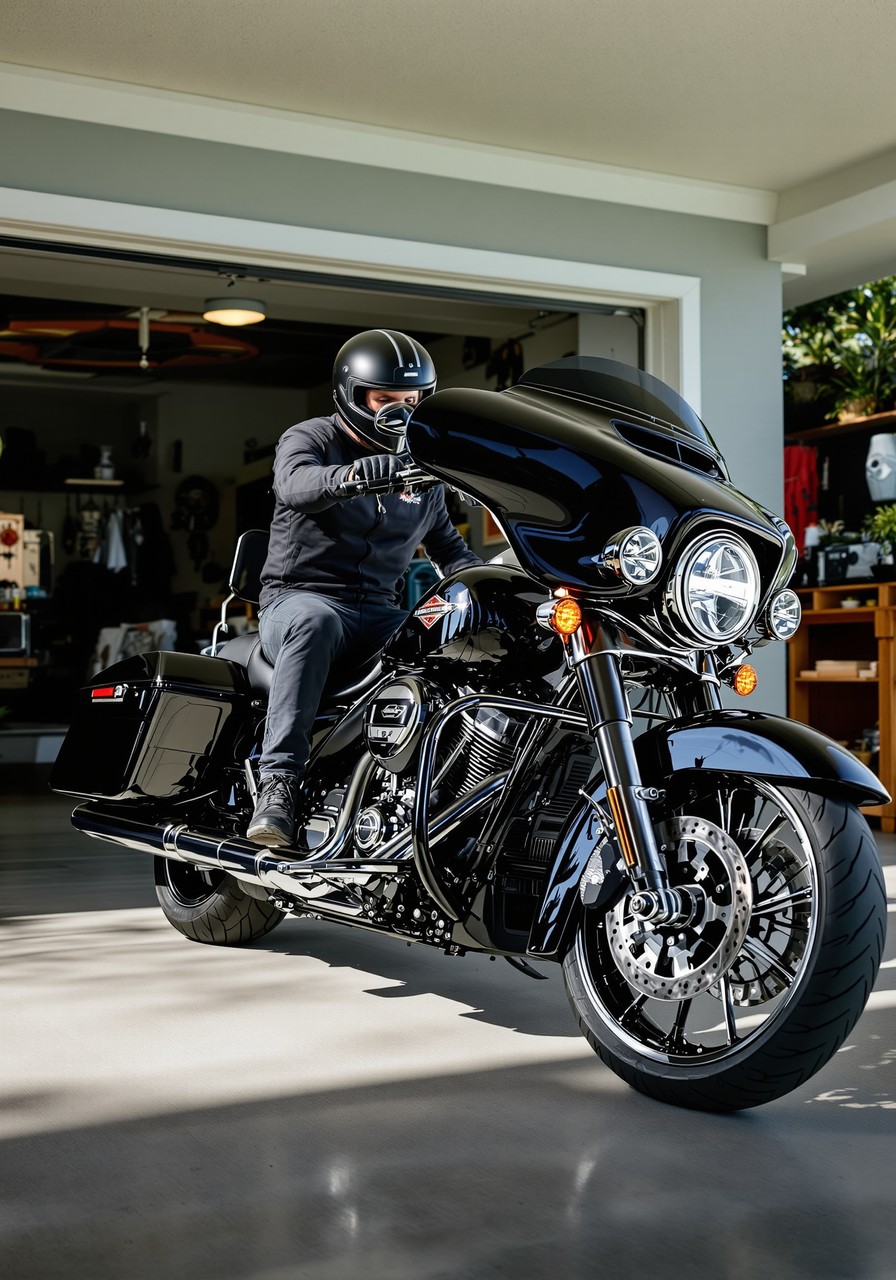
Layering beats one thick jacket every time. Trapped air is warmth you can adjust as the Gulf morning heats up. #RideNationPensacola #GearUp #RideSafe
Safety & Florida Law
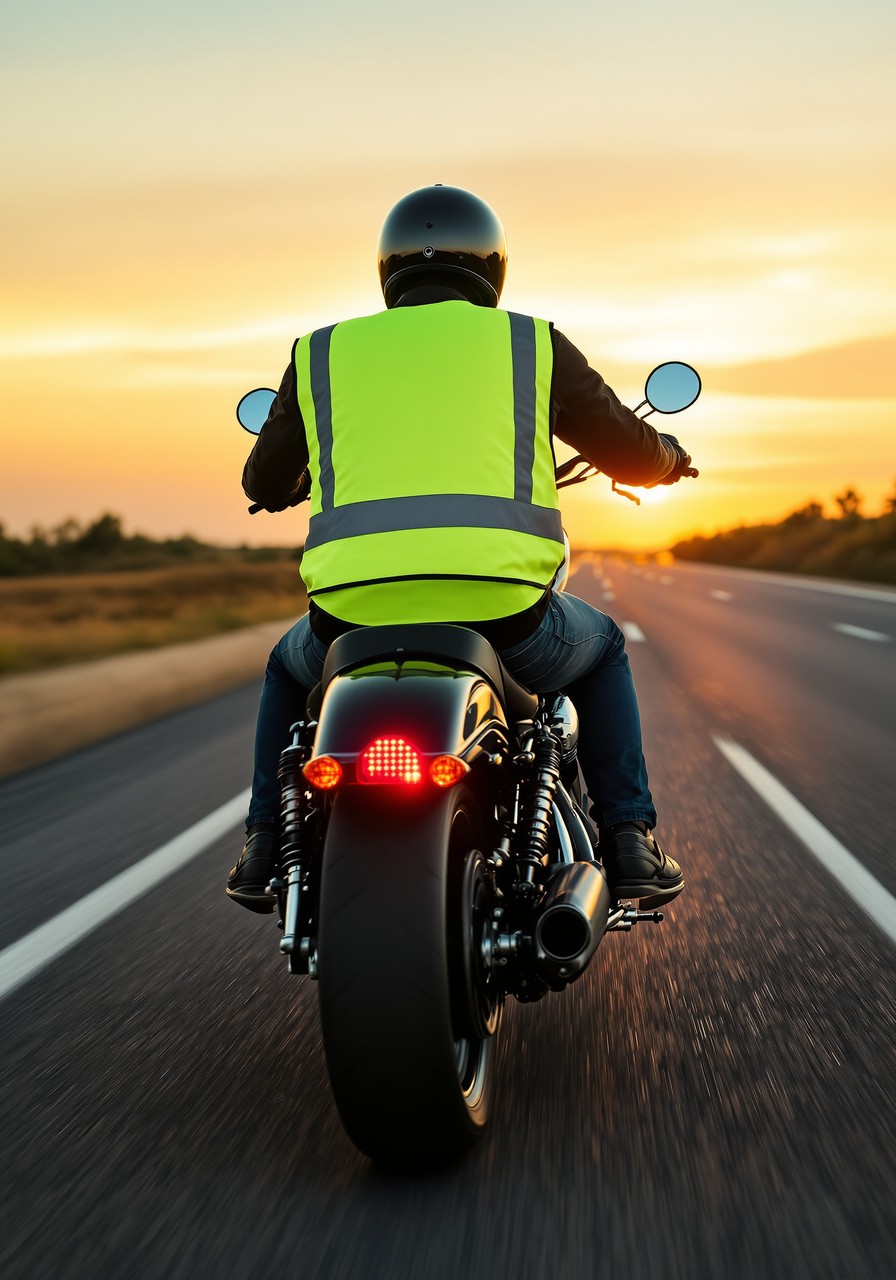
Wind gusts on the open stretches of US-98 can shove a bike sideways. Loosen your grip, look through the gust, and hold your line. #RideNationPensacola #RideSafe #WindSafety
Engagement
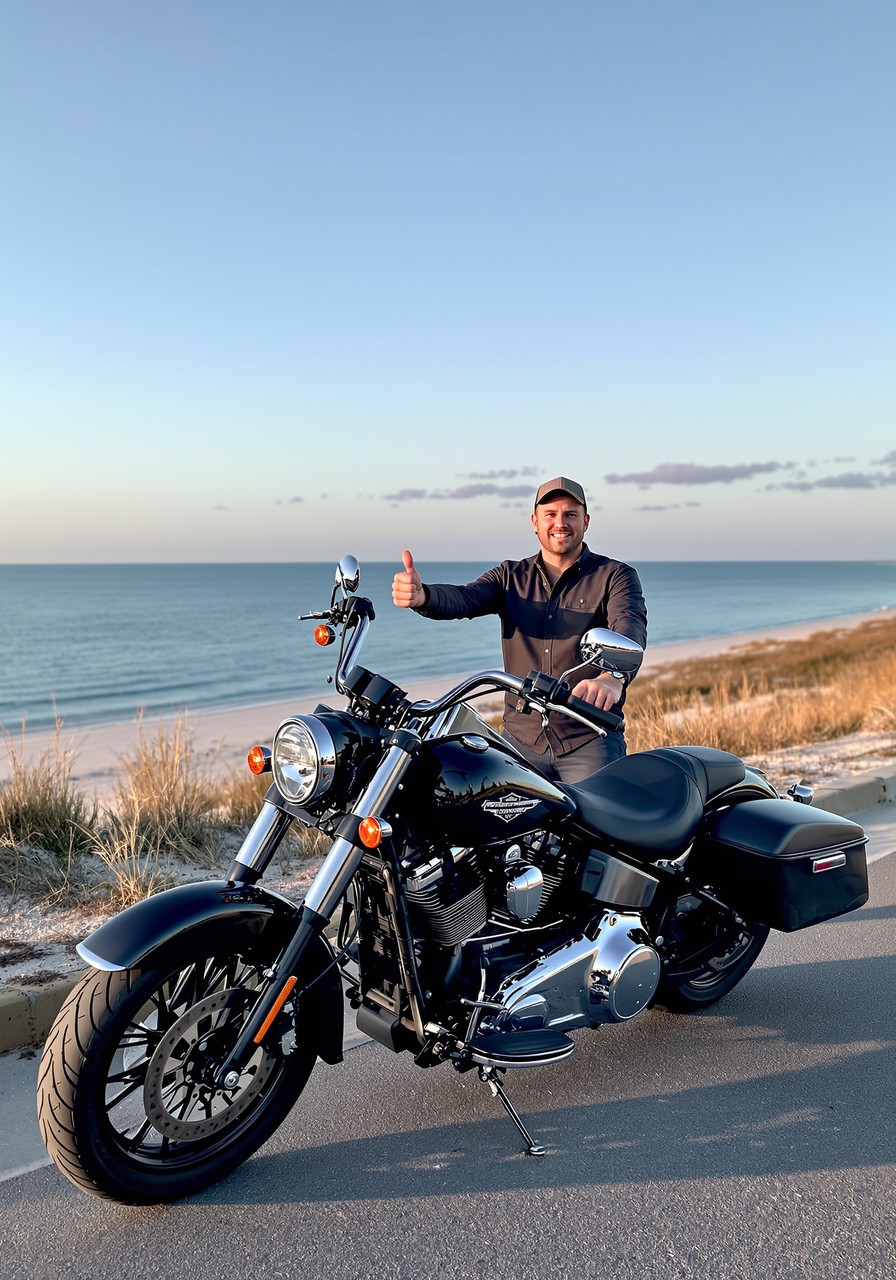
This or that: year-round riding weather, or one big epic summer season? Which would you trade for? #RideNationPensacola #GulfCoastRiders #Pensacola
Giveaway & Countdown
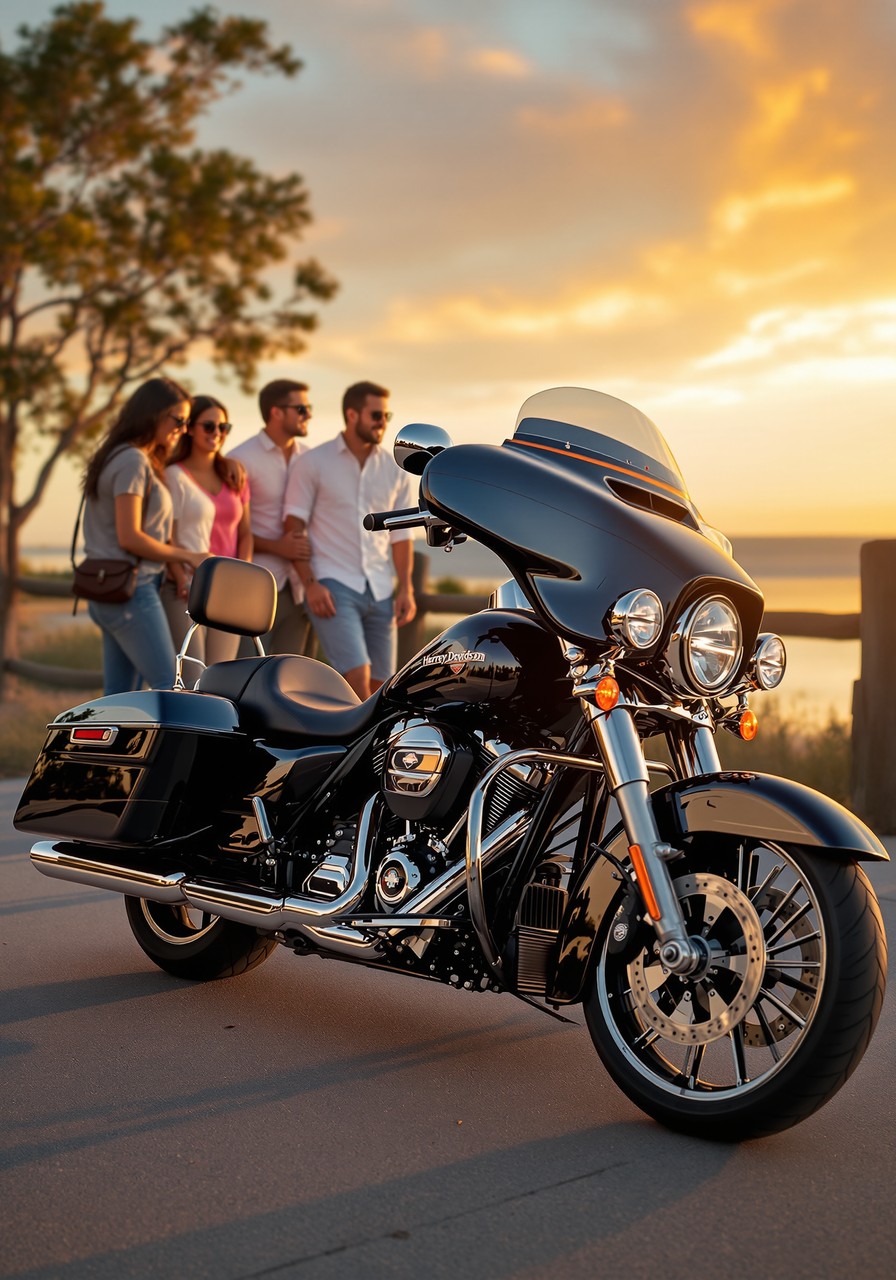
A crash is stressful, but a free entry into a $20,000 giveaway is a bright spot. Call Fasig Brooks at (850) 427-2722 to learn how. #RideNationPensacola #20kGiveaway
Local Pensacola & Rides
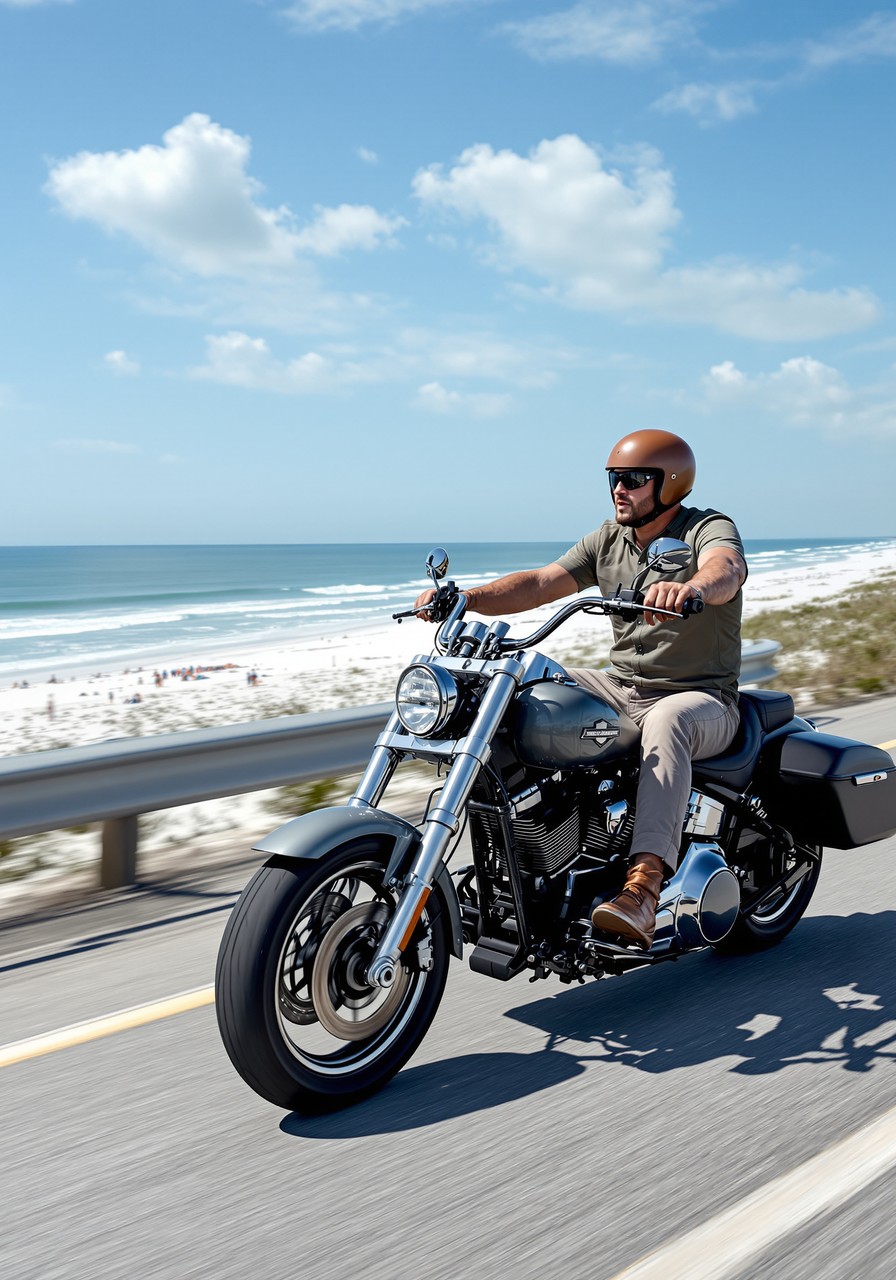
Fall on the Gulf Coast is prime riding weather. Cooler mornings, warm afternoons, and light traffic before the snowbirds settle in. #RideNationPensacola #PerdidoKey #GulfCoastRiders
Gear & New Iron
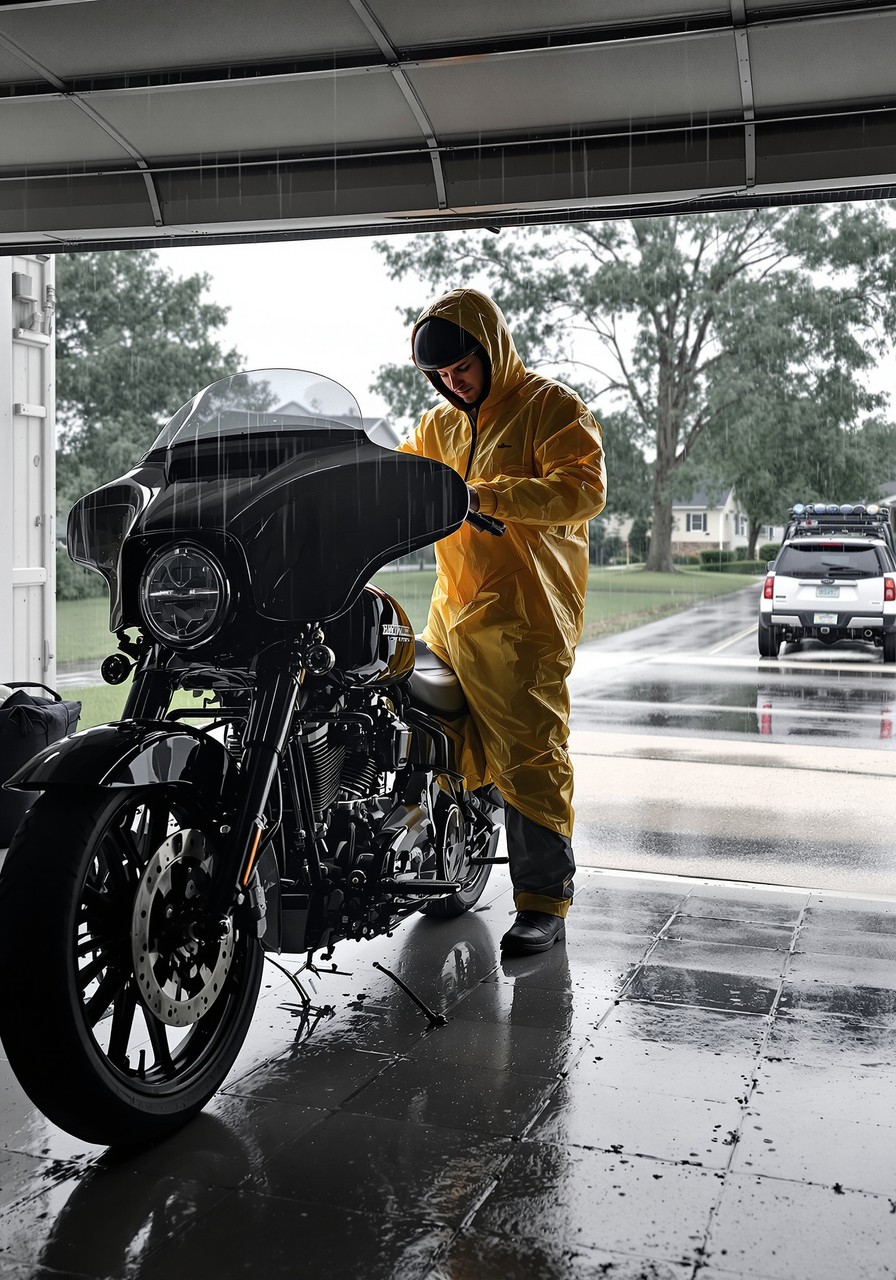
New tires need a break-in to shed their release agent. Ease into the lean for the first few miles and build that trust. #RideNationPensacola #MotorcycleMaintenance #RideSafe
Safety & Florida Law
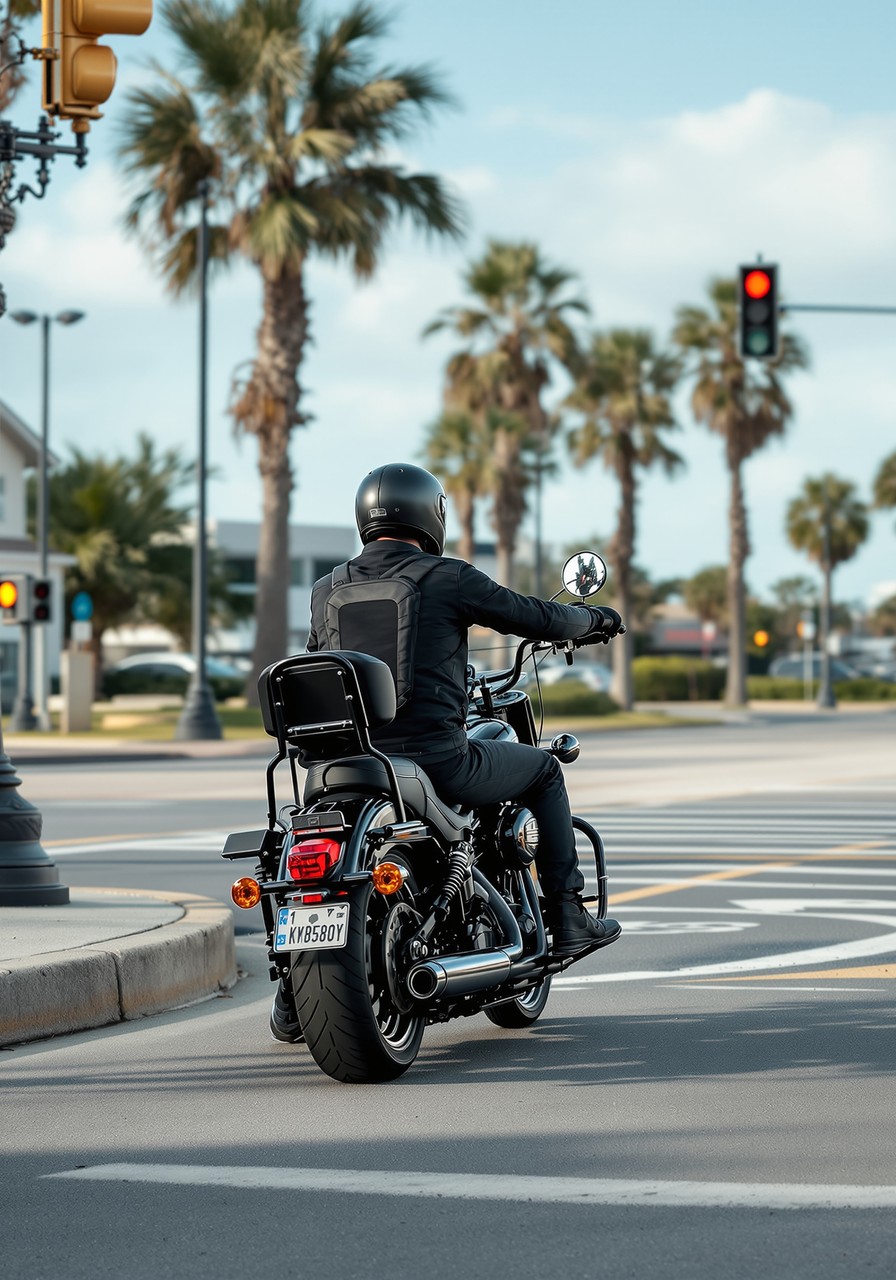
A clean record of the other driver's fault matters under Florida's comparative negligence rule. Photos, video, and witnesses tell the story. Call Fasig Brooks at (850) 427-2722. #RideNationPensacola #FloridaLaw #RideSafe
Engagement
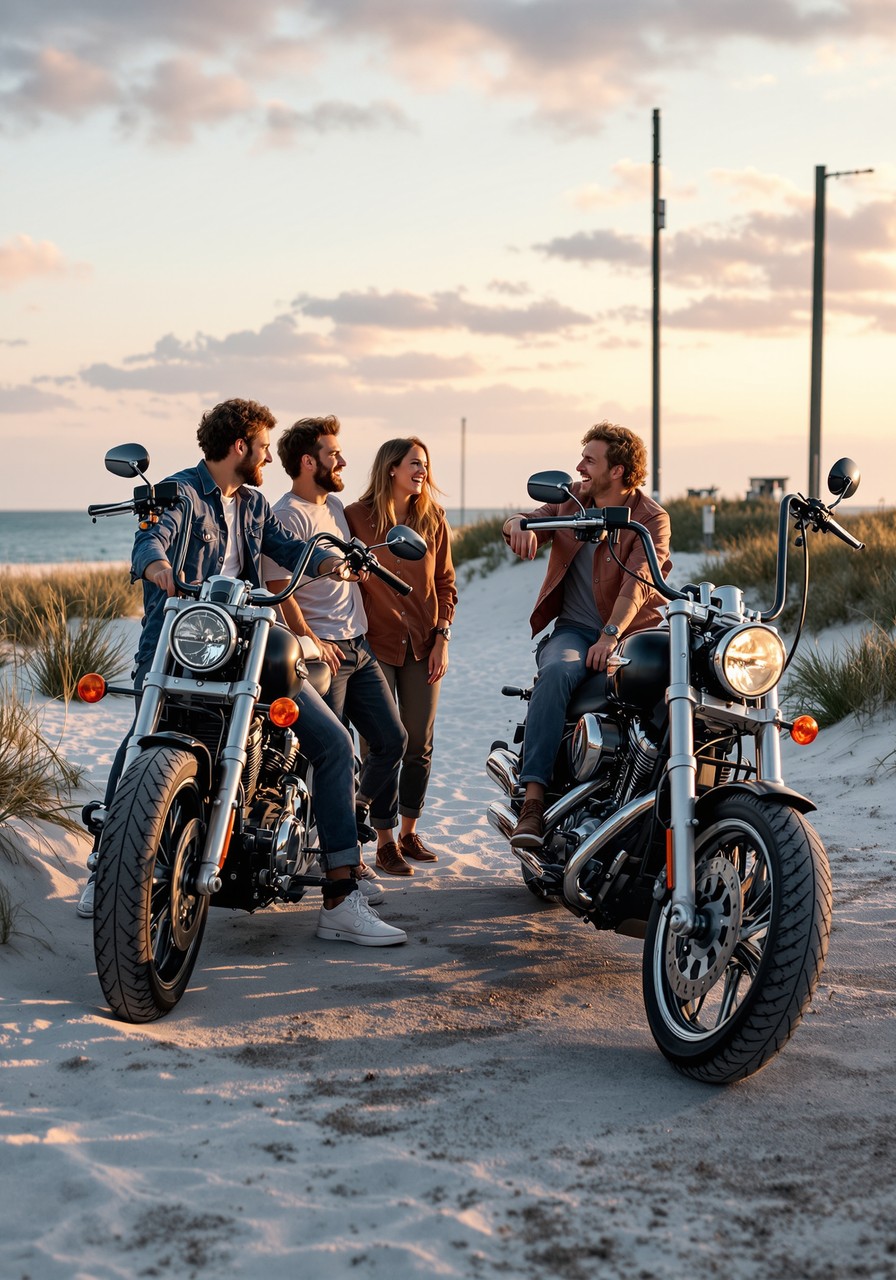
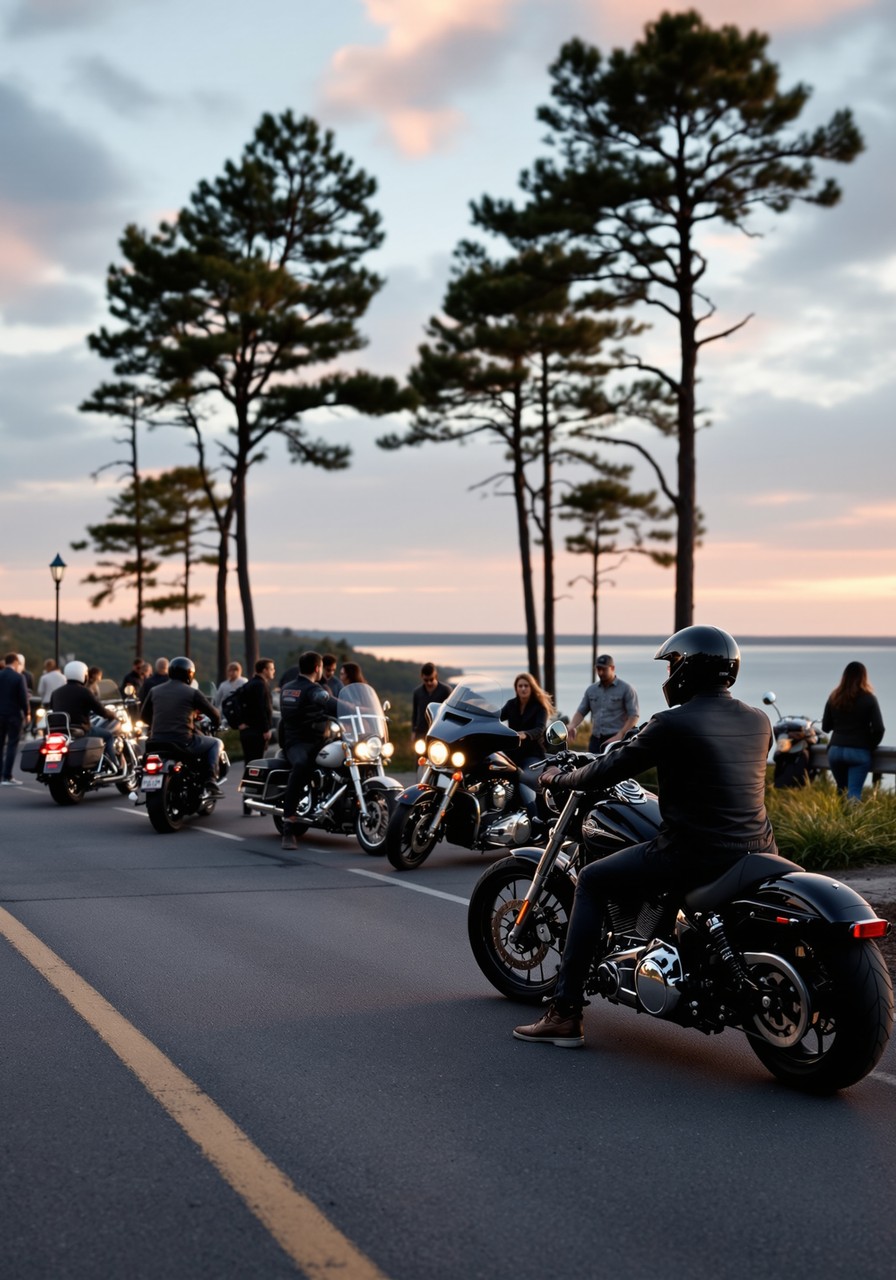
Caption this: three bikes, one Gulf sunset, zero reasons to head home yet. What's the caption? #RideNationPensacola #PerdidoKey #850
Giveaway & Countdown
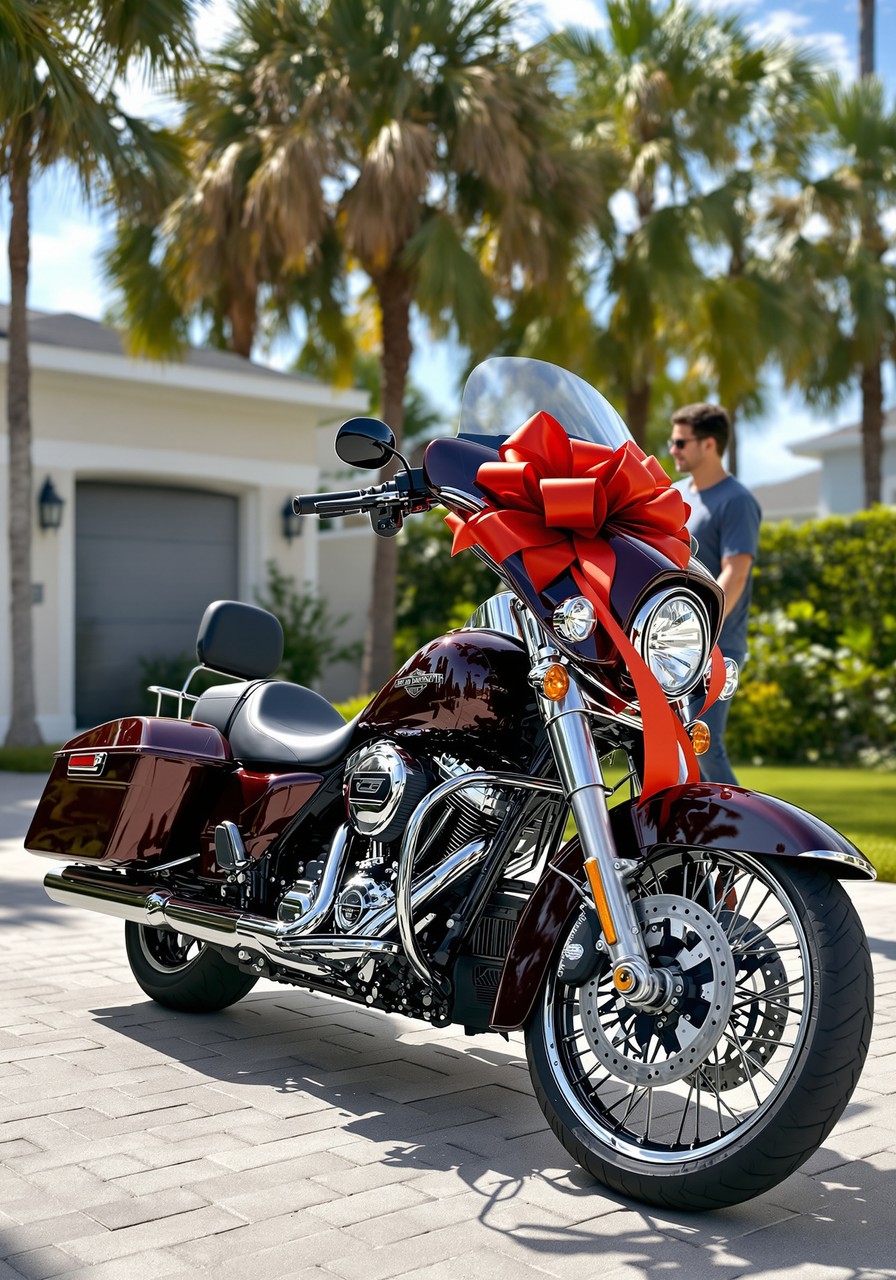
The RideNation is fired up and for good reason. Twenty grand, free to enter, drawn December 10. #RideNationPensacola #BikersWin #20kGiveaway
Local Pensacola & Rides
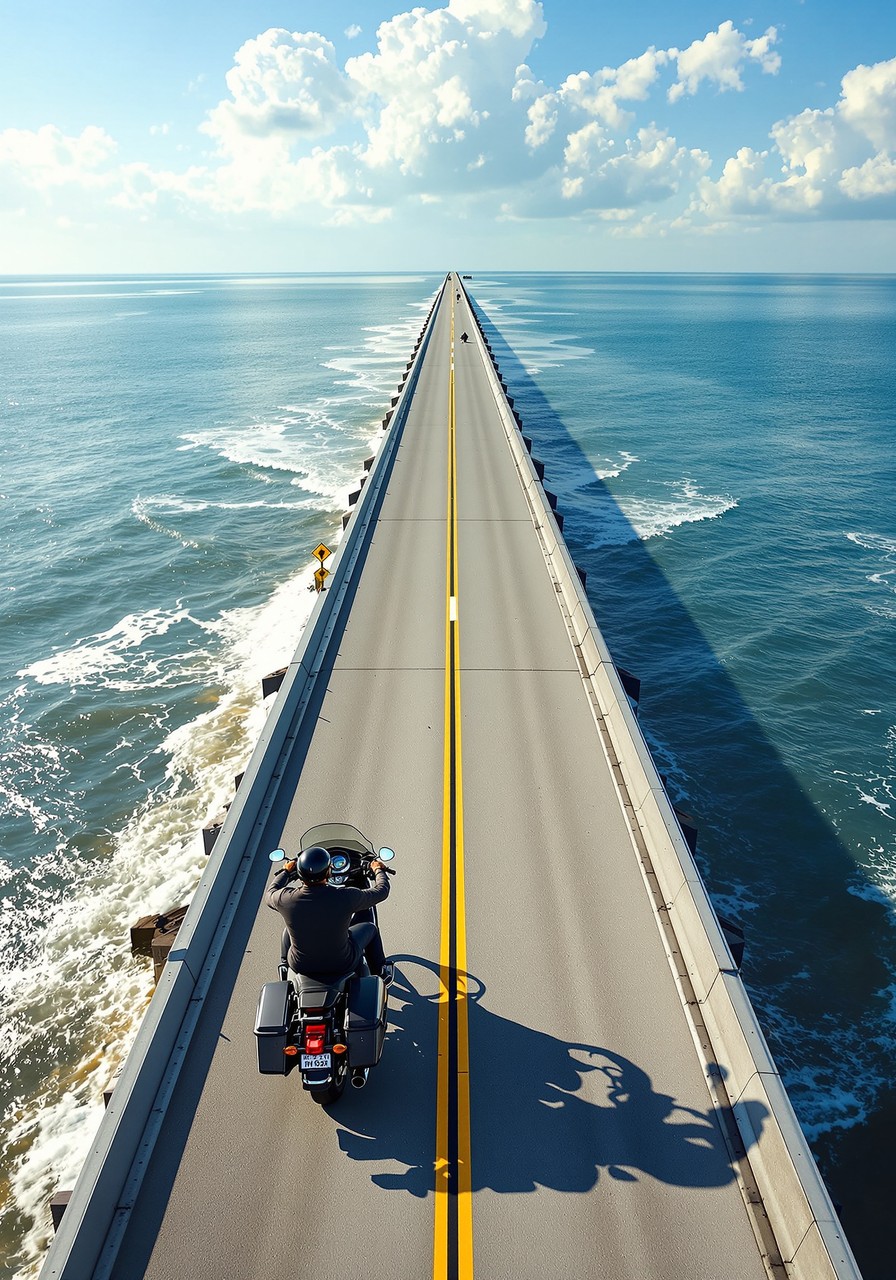
The Blackwater Heritage Trail area around Milton is a peaceful reset. Trade the coast for the woods and let the ride breathe. #RideNationPensacola #Milton #GulfCoastRiders
Gear & New Iron
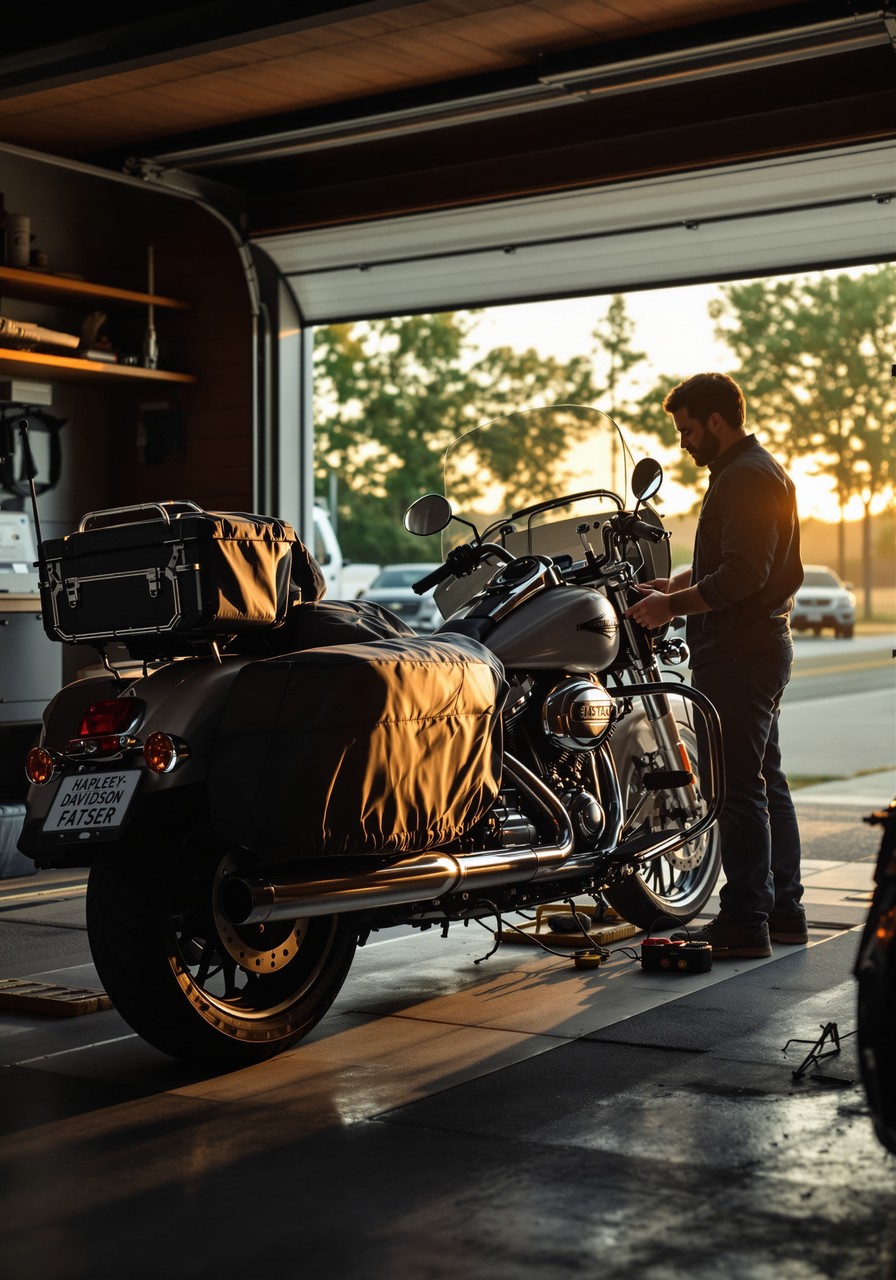
A quality helmet, a mesh jacket, real gloves, and over-the-ankle boots. That is the Gulf Coast starter kit that never lets you down. #RideNationPensacola #ATGATT #GearUp #GulfCoastRiders
Safety & Florida Law
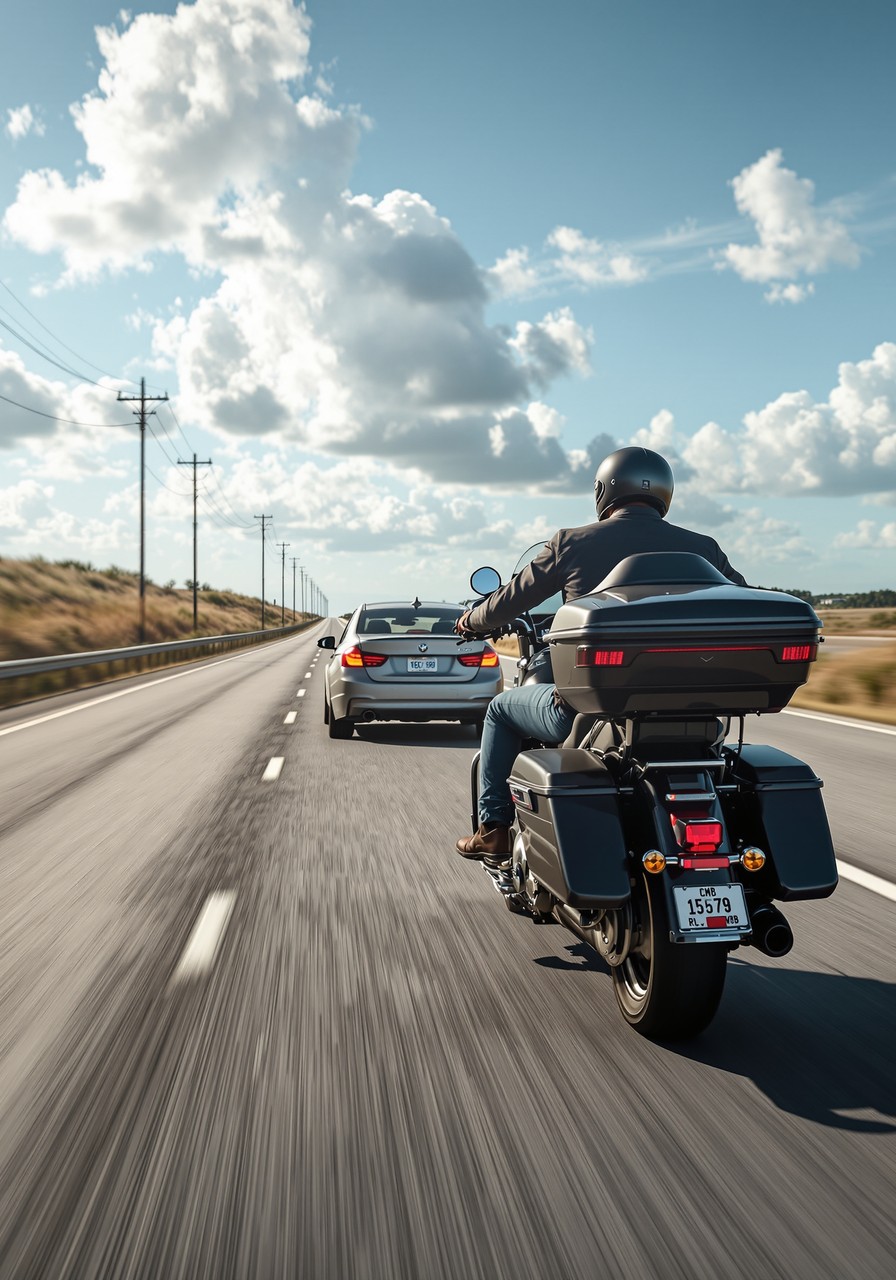
Watch for tourists slowing suddenly to read signs near the beach. Give them room and keep your thumb near the horn. #RideNationPensacola #RideSafe #TouristSeason
Engagement
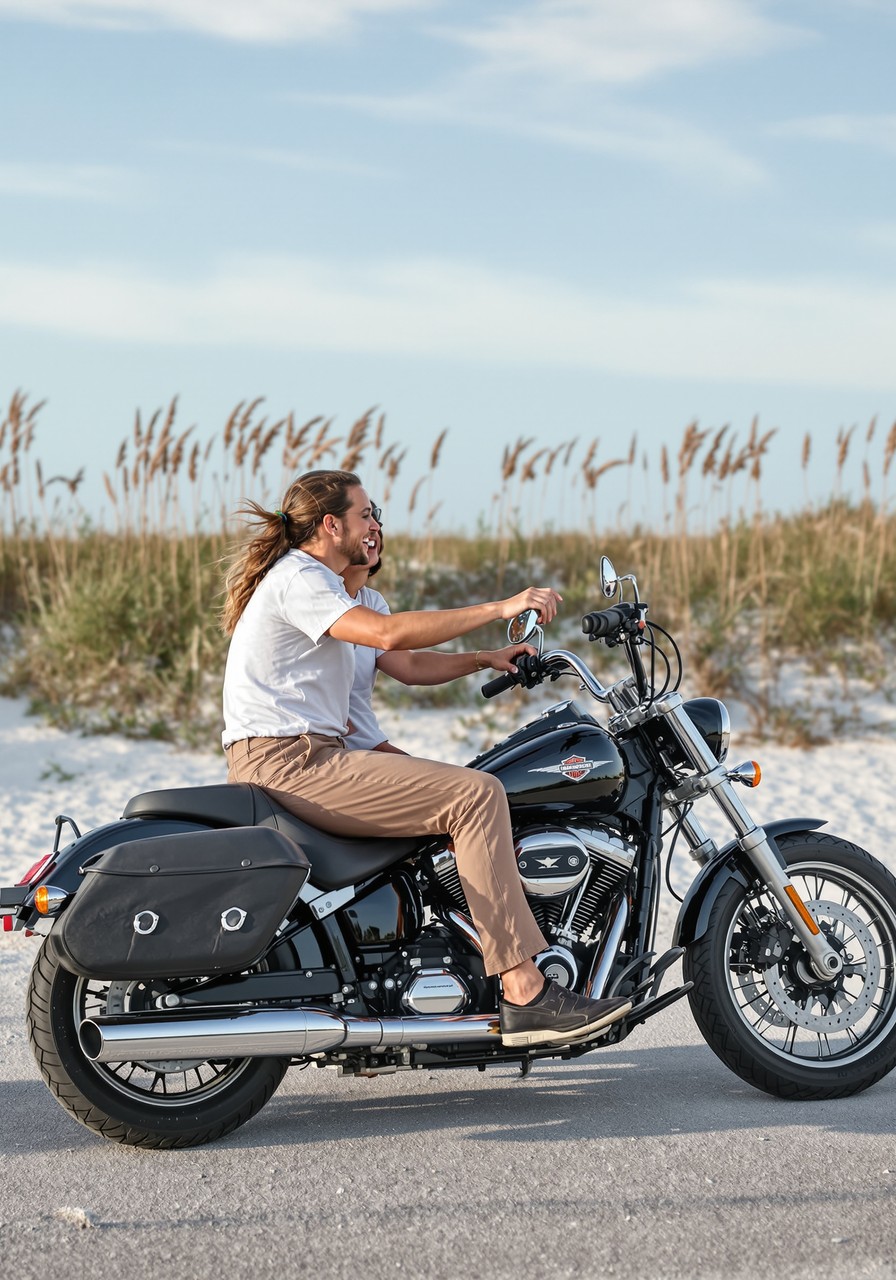
Last one, make it count: name the road around the Gulf Coast you'd put at the top of any rider's bucket list. #RideNationPensacola #ScenicHighway #GulfCoastRiders
Giveaway & Countdown
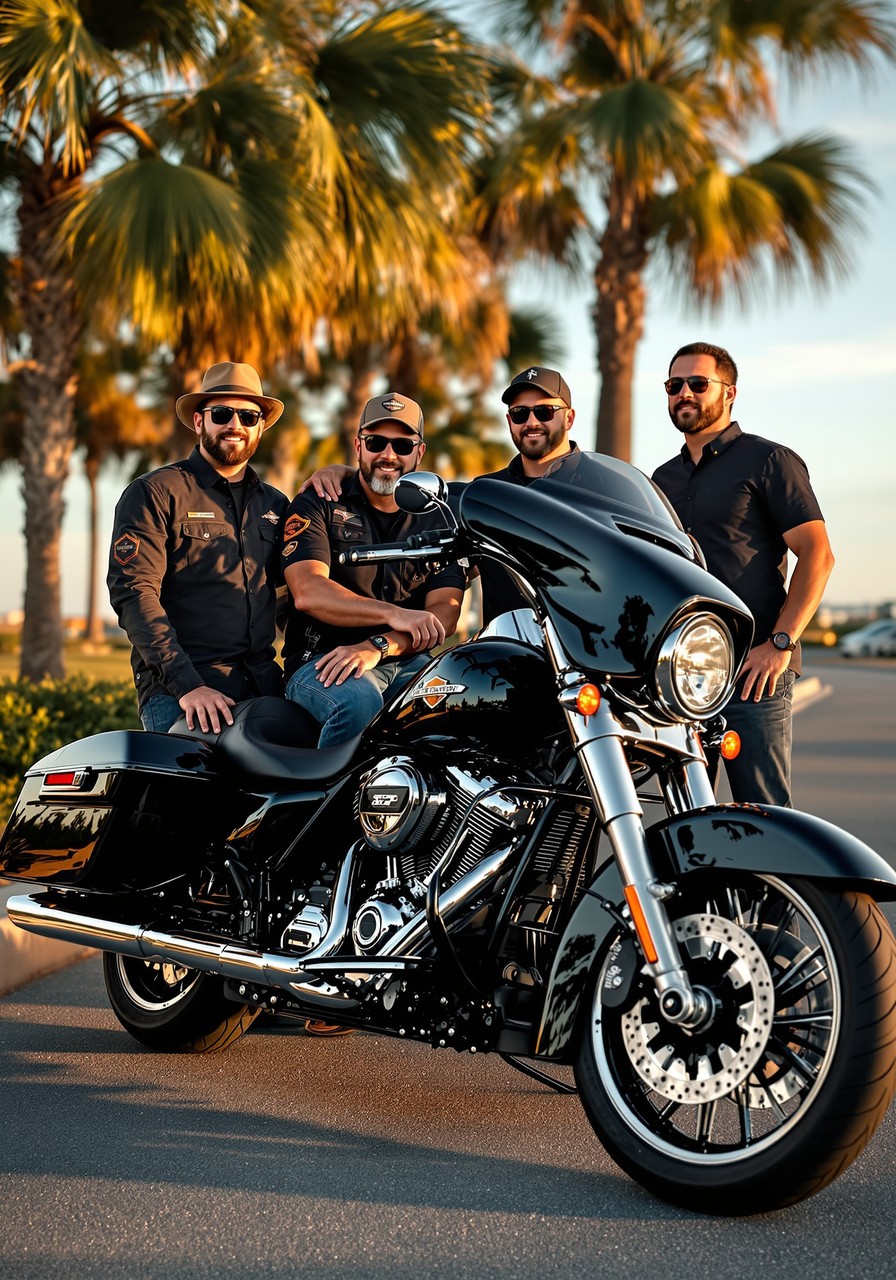
This is the giveaway NW Florida riders keep talking about. Learn how you get entered for free at fasigbrooks.com. #RideNationPensacola #20kGiveaway
Local Pensacola & Rides
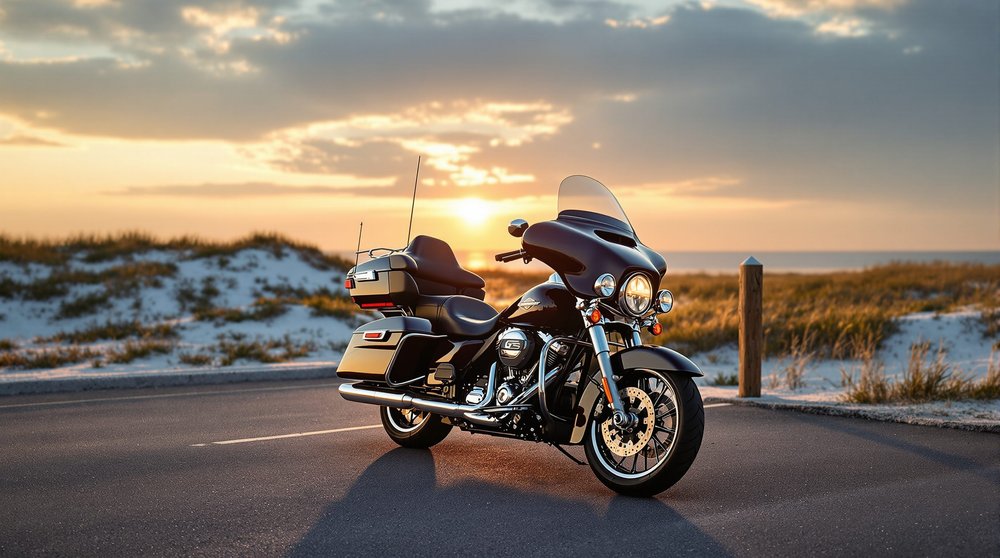
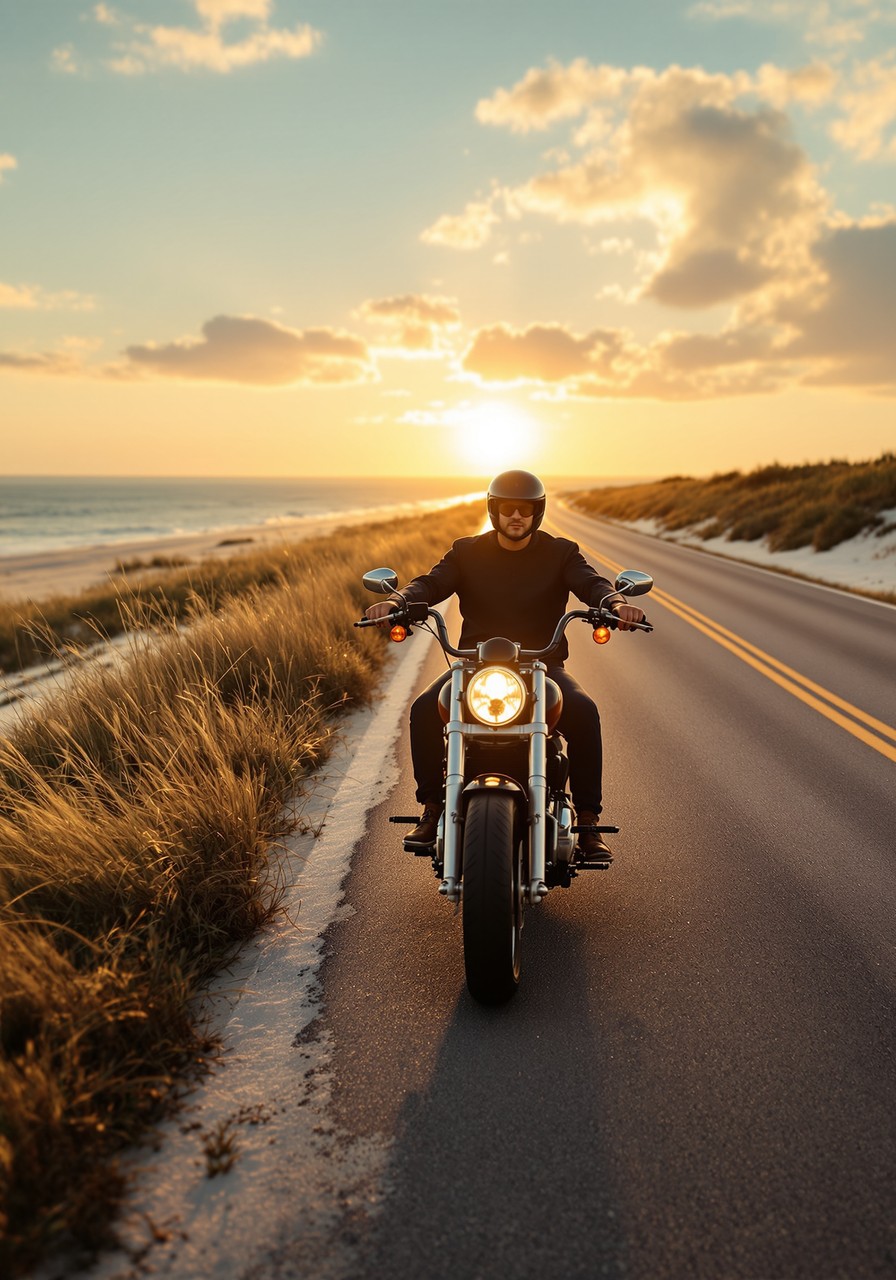
Long day? Point it toward Pensacola Beach, park by the sand, and watch the Gulf sunset close out the ride. More routes at fasigbrooks.com. #RideNationPensacola #PensacolaBeach #ScenicHighway
Gear & New Iron
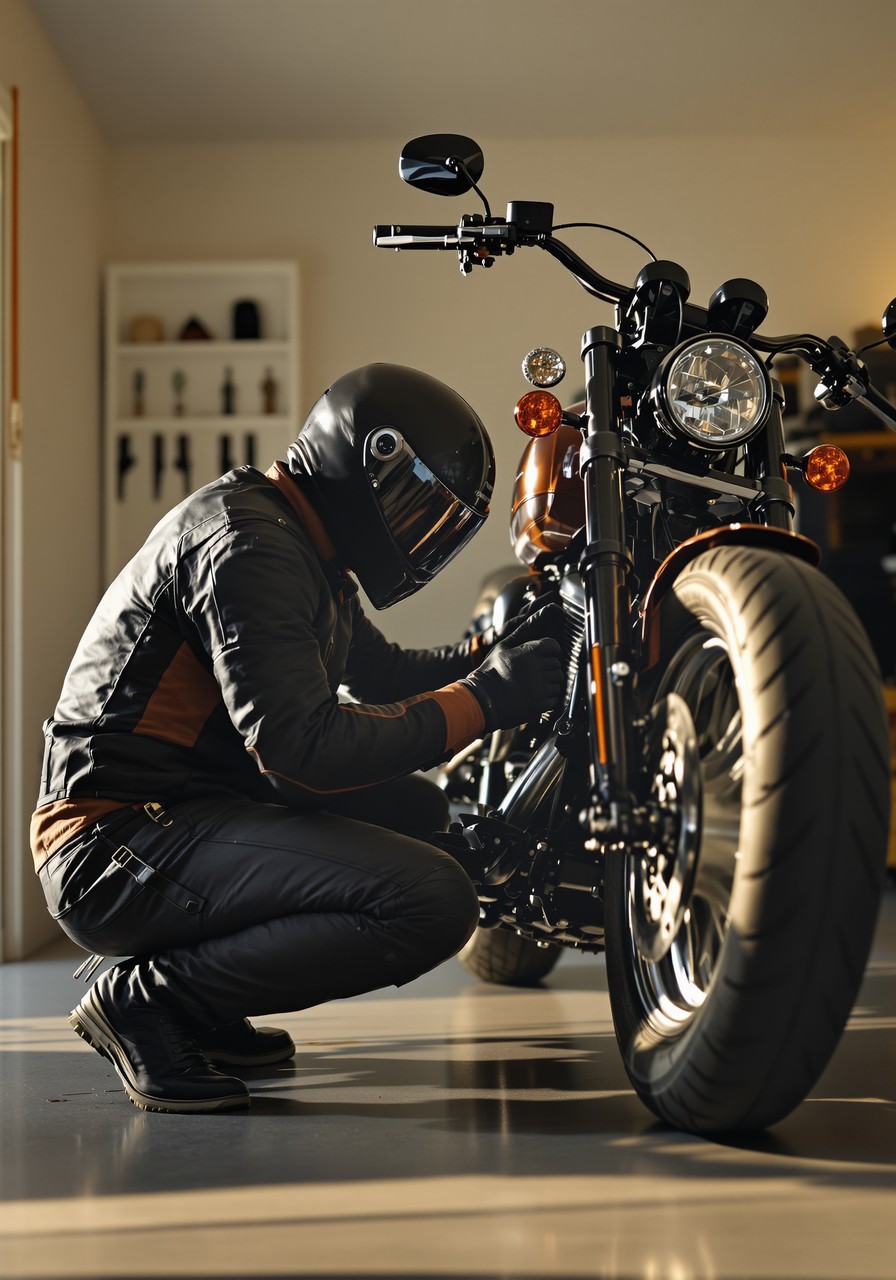
Upgrade your visibility with an auxiliary light kit for those dusk rides home from the coast. See more, be seen more. #RideNationPensacola #RideSafe #MotorcycleGear
Safety & Florida Law
Remember the big one for Florida riders: no PIP for your motorcycle injuries, so UM/UIM is coverage worth carrying. Hurt in a crash? Call Fasig Brooks at (850) 427-2722. #RideNationPensacola #FloridaLaw #RideSafe